Nylon Is Polyamide: Understanding PA66 for Thermal Break Strips

All Categories

Nylon Is Polyamide: Clarifying the Relationship Between the Two Polymers

This page focuses on confirming that “nylon is polyamide,” explaining that nylon is a common, widely recognized brand name (originally from DuPont) for a subset of polyamide polymers. It clarifies the terminology: polyamide is the general chemical family, while nylon refers to specific polyamide types (e.g., PA6, PA66, PA12) used in consumer and industrial products. The content covers key properties shared by nylon (polyamide) materials—abrasion resistance, high tensile strength, and flexibility—and their applications (textiles, automotive parts, electronic enclosures). It also addresses common misconceptions (e.g., “Is there a difference between nylon and polyamide?”) with simple, clear examples, making it a helpful resource for anyone learning about polymer terminology or sourcing materials.
Get A Quote

Advantages of the product

Expert Material Formulation Since 2006

Our polyamide material is the result of continuous R&D since 2006, specifically tailored for thermal break applications. This deep, specialized knowledge allows us to engineer materials with optimal mechanical strength, thermal stability, and resistance to aging. Unlike generic suppliers, we understand how formulation impacts performance in real world conditions, ensuring our strips provide a reliable and long lasting thermal barrier. This expertise is the foundation of our entire product line and one stop service.

Related products

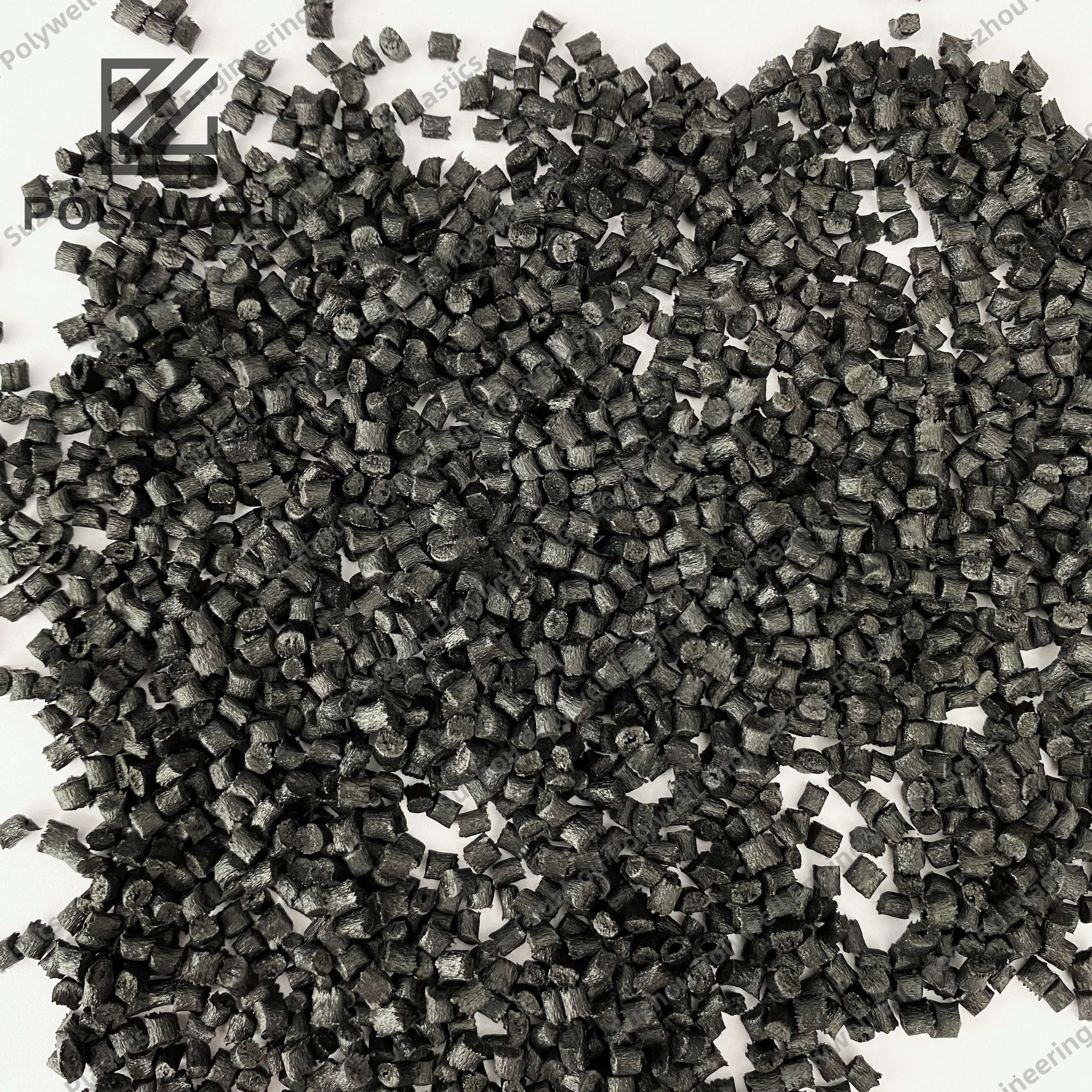
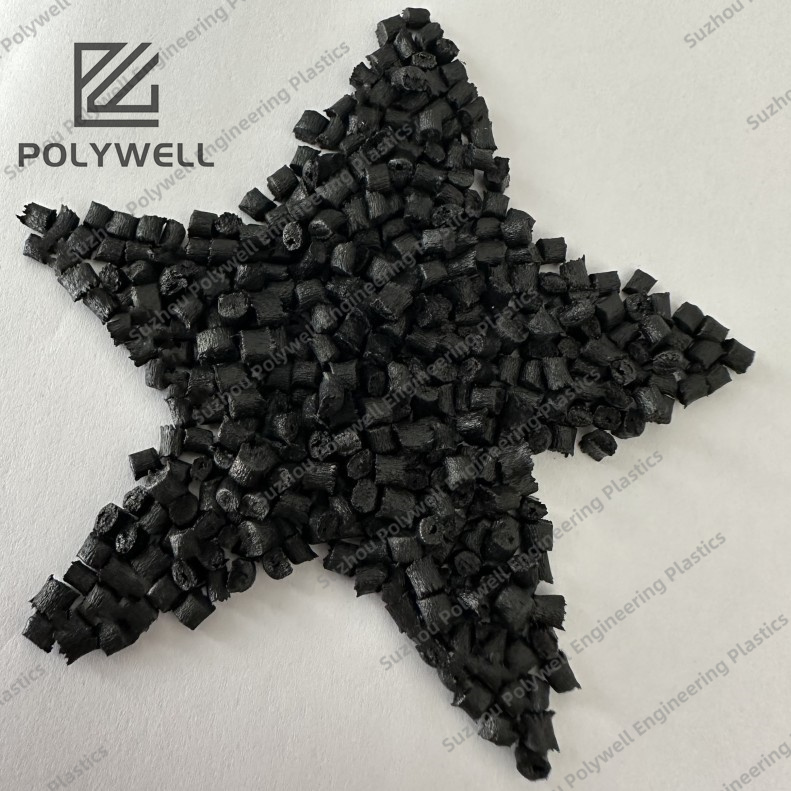
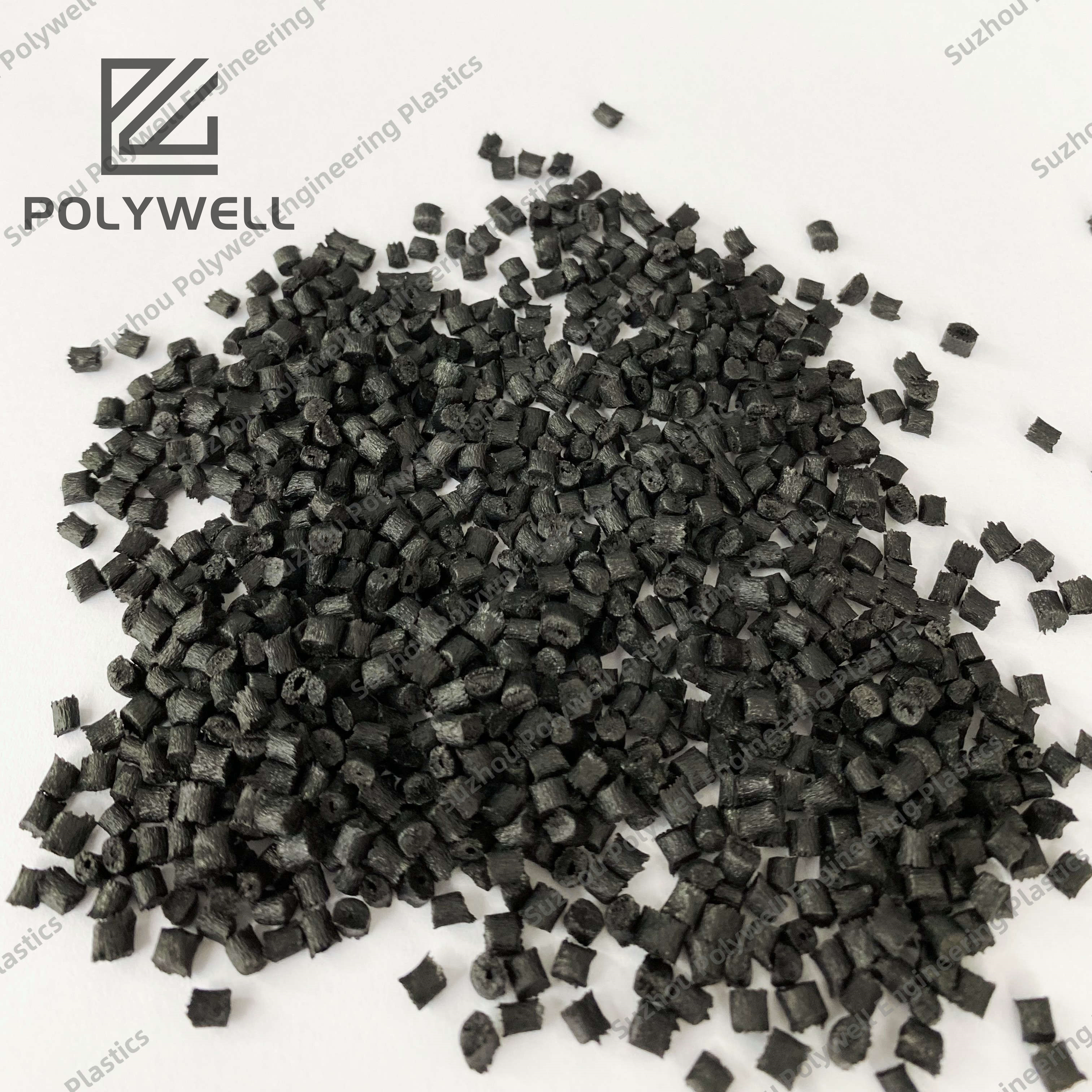
The statement "nylon is polyamide" is chemically accurate, as Nylon is the common commercial name for a specific group of synthetic polymers belonging to the broader polyamide family. The term "polyamide" defines a class of polymers characterized by the presence of amide groups (-CO-NH-) as recurring features in their molecular backbone. These amide groups are formed through condensation reactions, and the resulting strong intermolecular hydrogen bonding is responsible for the characteristic high strength, toughness, and thermal resistance of these materials. When DuPont developed the first synthetic polyamide in the 1930s, they branded it as "Nylon," a name that became so ubiquitous that it is now often used generically. Therefore, all nylons are polyamides, but not all polyamides are necessarily called nylon; for instance, specialty or aromatic polyamides might be referred to by other names. The most common types are Nylon 6 (Polyamide 6) and Nylon 66 (Polyamide 66), where the numbers indicate their chemical synthesis. Nylon 6 is produced via the ring-opening polymerization of caprolactam, resulting in a polymer where the repeating unit has 6 carbon atoms. Nylon 66, conversely, is synthesized by the polycondensation of hexamethylenediamine (6 carbon atoms) and adipic acid (6 carbon atoms), hence the '66' designation. This structural difference imparts distinct properties: Nylon 66 generally has a higher melting point and better thermal properties, while Nylon 6 often exhibits better impact resistance and processability. Understanding that nylon is a subset of polyamide is fundamental for engineers and designers, as it clarifies the relationship between a ubiquitous trade name and the underlying material science that defines its performance in applications ranging from fibers and textiles to high-strength engineering components.

Frequently Asked Questions

How does your material expertise translate into a better product for customers?

Our material expertise, gained since 2006, is the foundation of our one stop service. We don't just supply a generic material; we provide a compound optimized for performance and processability. This results in thermal break strips with guaranteed consistency, easier extrusion with less waste, and final products that deliver reliable thermal insulation and structural integrity, reducing risks and enhancing our customers' end product quality.

Related Articles

Help you select the extruder of PA66 thermal break strips

30

Dec

Help you select the extruder of PA66 thermal break strips

POLYWELL helps you choose the ideal extruder for manufacturing PA66 thermal break strips. Our expert advice ensures efficient extrusion, high-quality output, and optimal performance for energy-saving applications.
View More
The Manufacturing Process of PA66GF25 Granules Explained

18

Nov

The Manufacturing Process of PA66GF25 Granules Explained

POLYWELL manufactures high-quality PA66GF25 granules through a detailed process, ensuring superior strength and thermal stability for various applications.
View More
How to Ensure Quality of PA66GF25 Granules in Thermal Break Strip Production

17

Sep

How to Ensure Quality of PA66GF25 Granules in Thermal Break Strip Production

Struggling with inconsistent thermal break performance? Discover how moisture control, extrusion optimization, and batch testing ensure PA66GF25 quality. Get the full expert guide now.
View More
How to Optimize Your Thermal Break Strip Manufacturing Process?

30

Oct

How to Optimize Your Thermal Break Strip Manufacturing Process?

Discover how to boost energy efficiency by 40% with optimized thermal break strip production. Leverage PA66GF25, aerogel composites, and AI-driven extrusion for superior performance. Download the full optimization guide.
View More

customer evaluation

Evelyn

The deep R&D behind this material is evident. Its excellent balance of heat insulation and structural integrity allows us to meet stringent international building codes. The durability against weathering and UV exposure gives us confidence in offering long term warranties. A truly high performance engineering polymer.

Get a Free Quote

Our representative will contact you soon.
Email
Name
Company Name
Message
0/1000
Expert Material Formulation Since 2006

Expert Material Formulation Since 2006

Our polyamide material is the product of continuous research and development since 2006 specifically for thermal break applications This extensive expertise allows us to engineer materials with an optimal balance of very low thermal conductivity for superior insulation and high mechanical strength to support structural loads The material is also formulated for excellent resistance to weathering UV exposure and corrosion ensuring long term performance and reliability in diverse climatic conditions and contributing to durable energy efficient building envelopes
Superior Mechanical and Thermal Properties

Superior Mechanical and Thermal Properties

We engineer our polyamide material to excel in critical performance areas essential for thermal breaks It maintains high strength and rigidity across a wide temperature range ensuring the structural integrity of window and door profiles under various environmental stresses The inherently low thermal conductivity forms the core of its heat insulation capability effectively reducing energy loss Furthermore the material offers excellent resistance to creep under long term load guaranteeing lasting performance
Customization for Specific Application Needs

Customization for Specific Application Needs

We offer customized polyamide material formulations to meet unique project requirements We can adjust properties such as glass fiber content for enhanced load bearing capacity incorporate additives for specific fire ratings or UV stability and modify color for aesthetic purposes This flexibility ensures that the thermal break strip is perfectly suited for its intended application whether for standard windows large curtain walls or specialized architectural systems providing an optimized solution for every client
Inquiry Inquiry Email Email WhatsApp WhatsApp Wechat Wechat
Wechat
TopTop

Related Search