Polyester Polyamide: Blended or Coated Polymers for Enhanced Performance
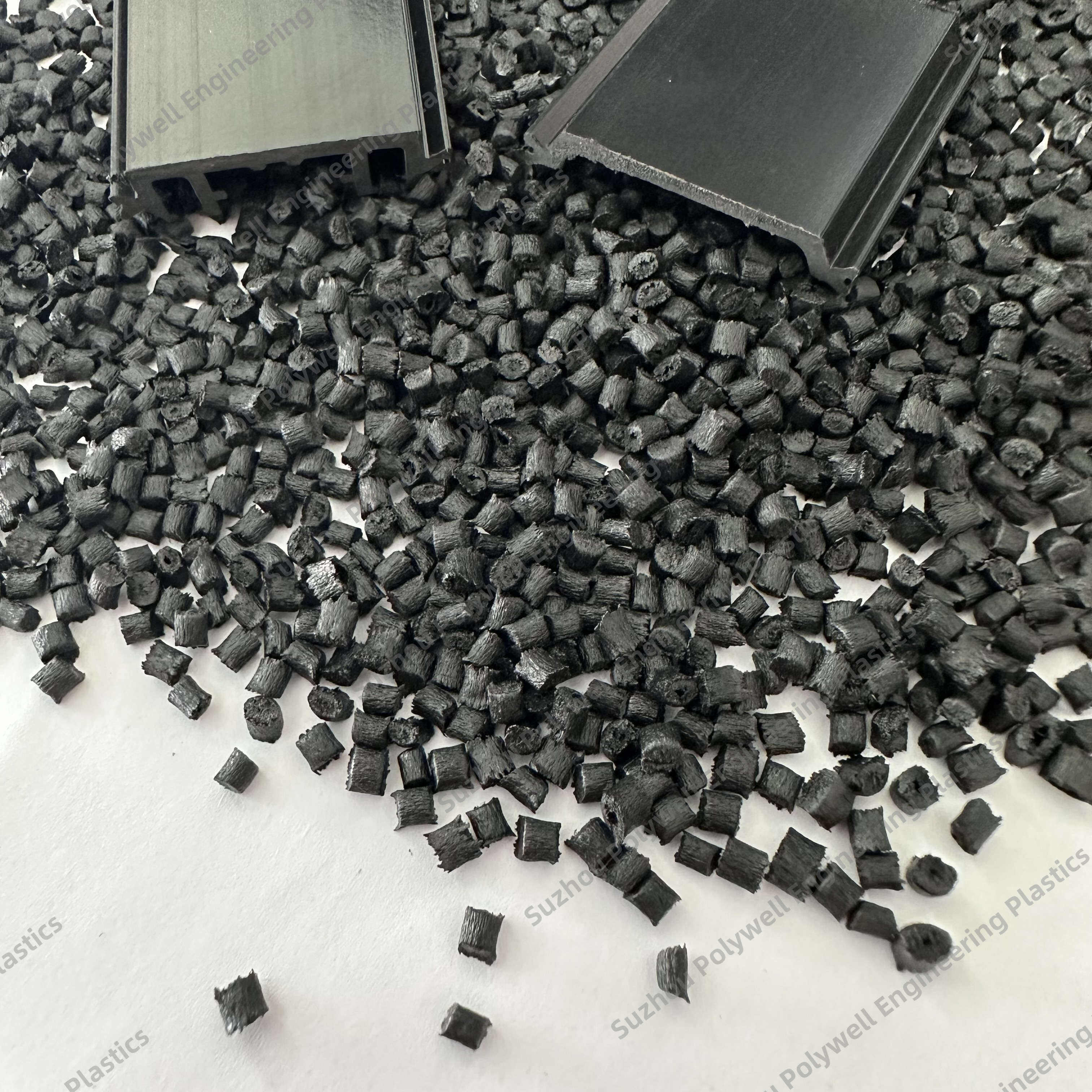
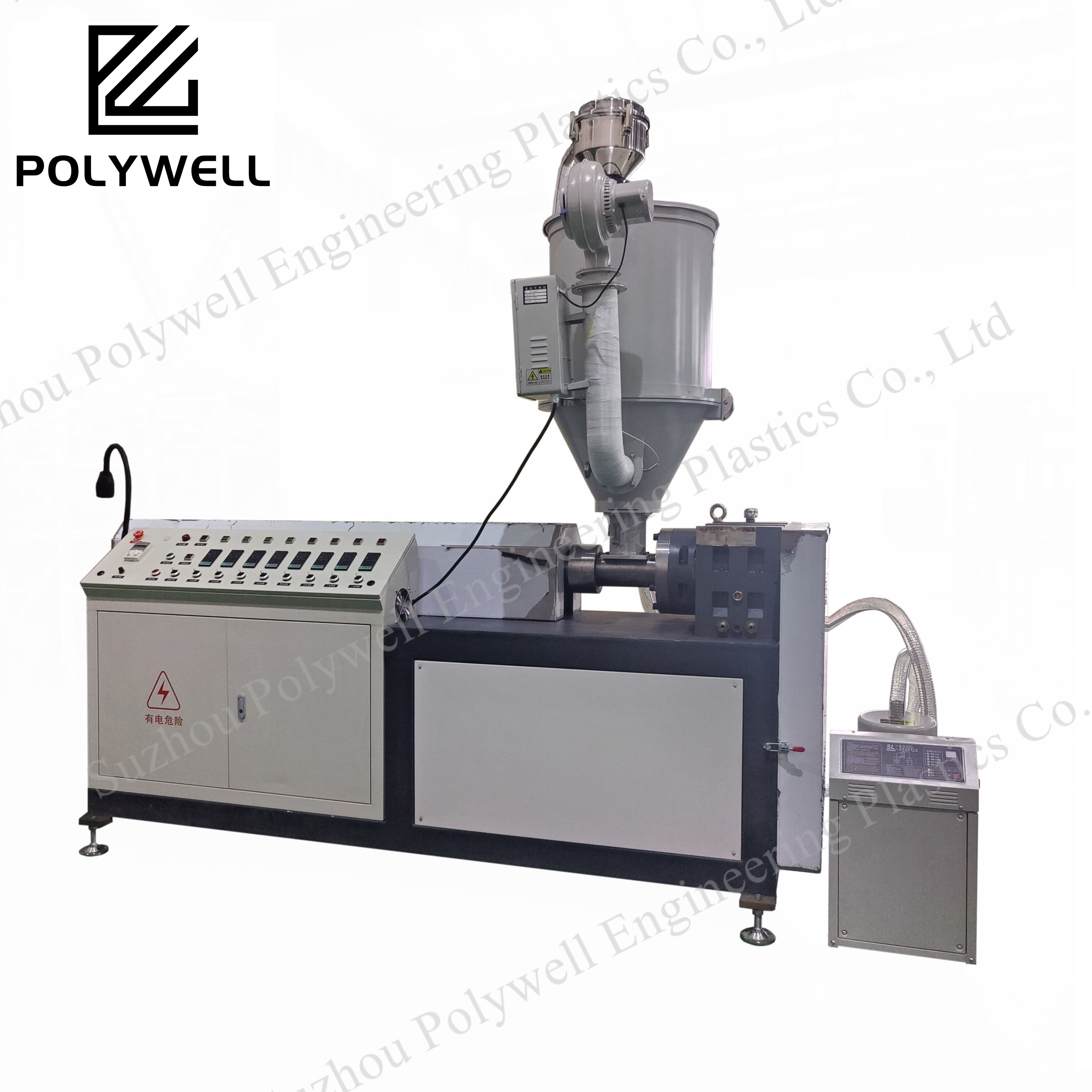
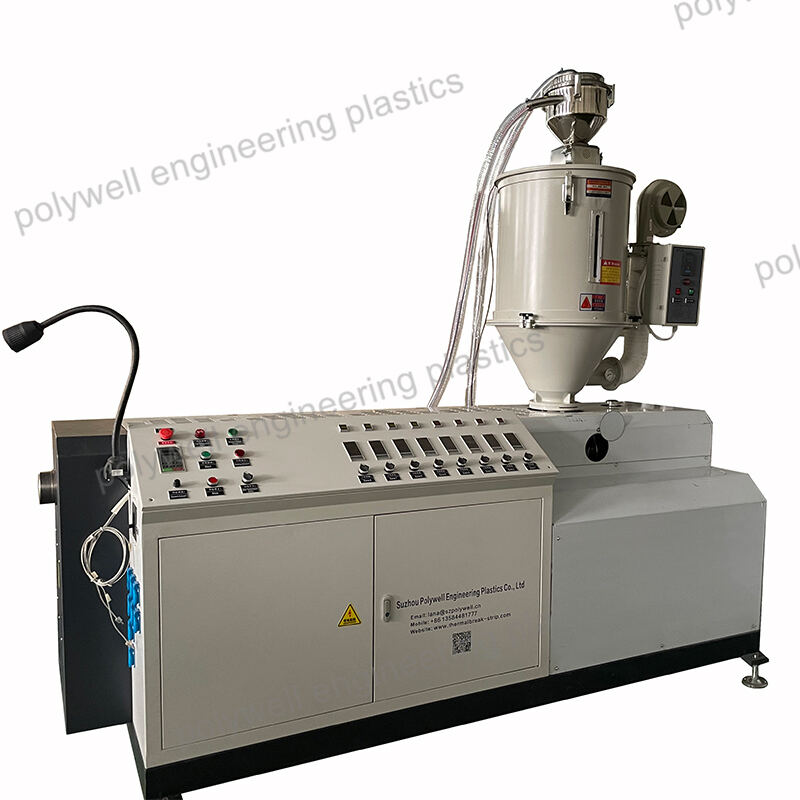
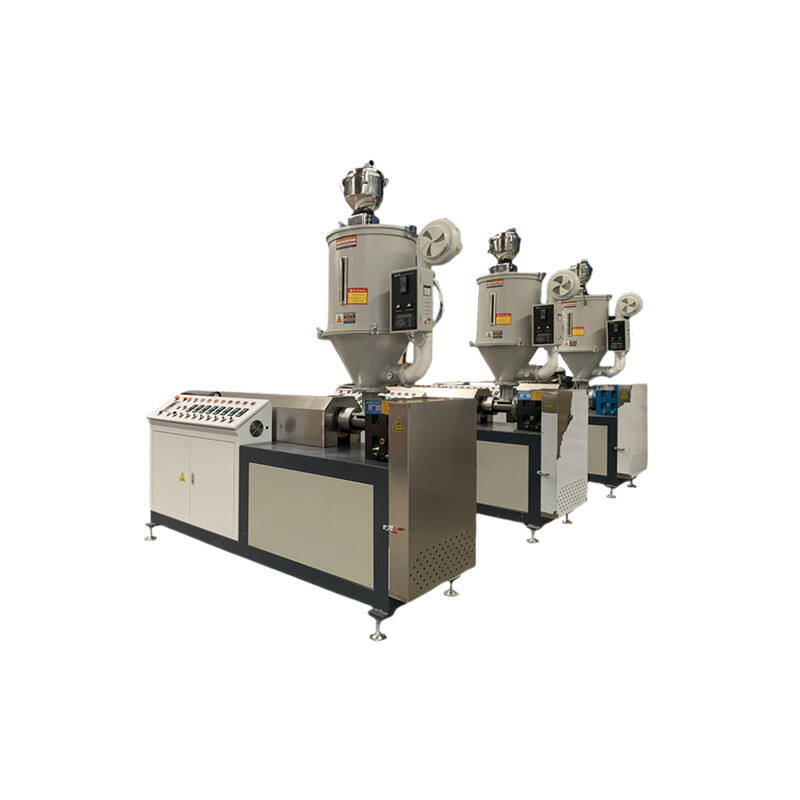
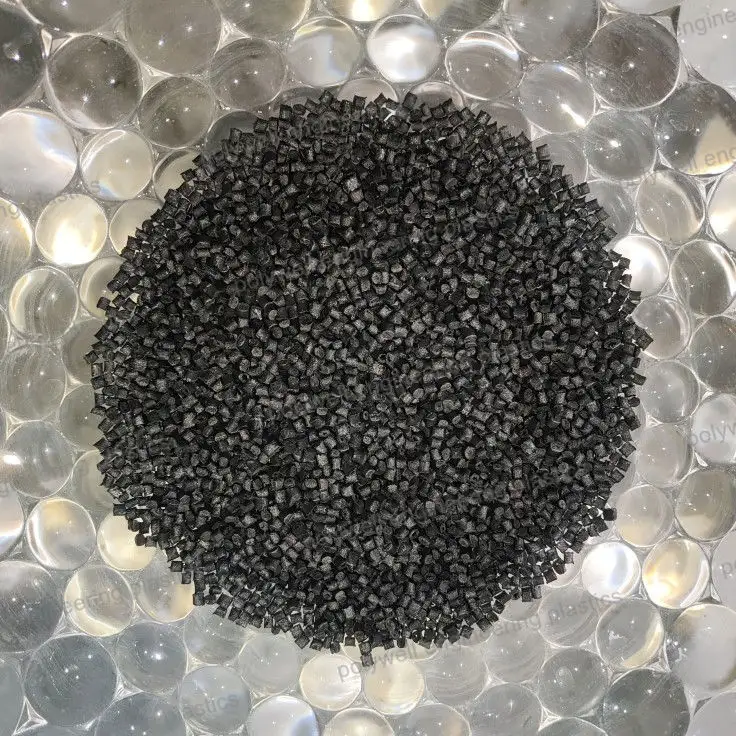
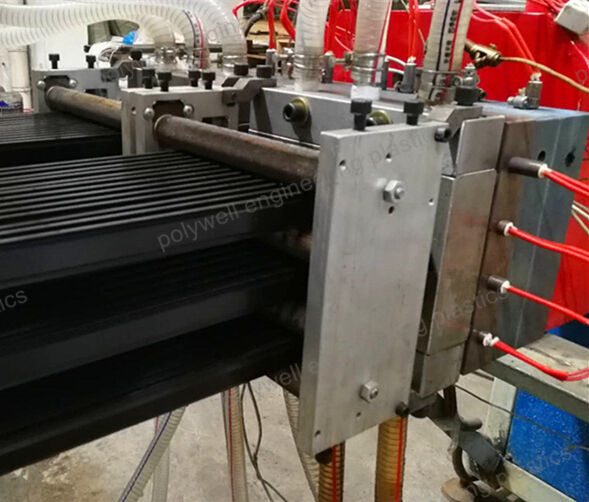
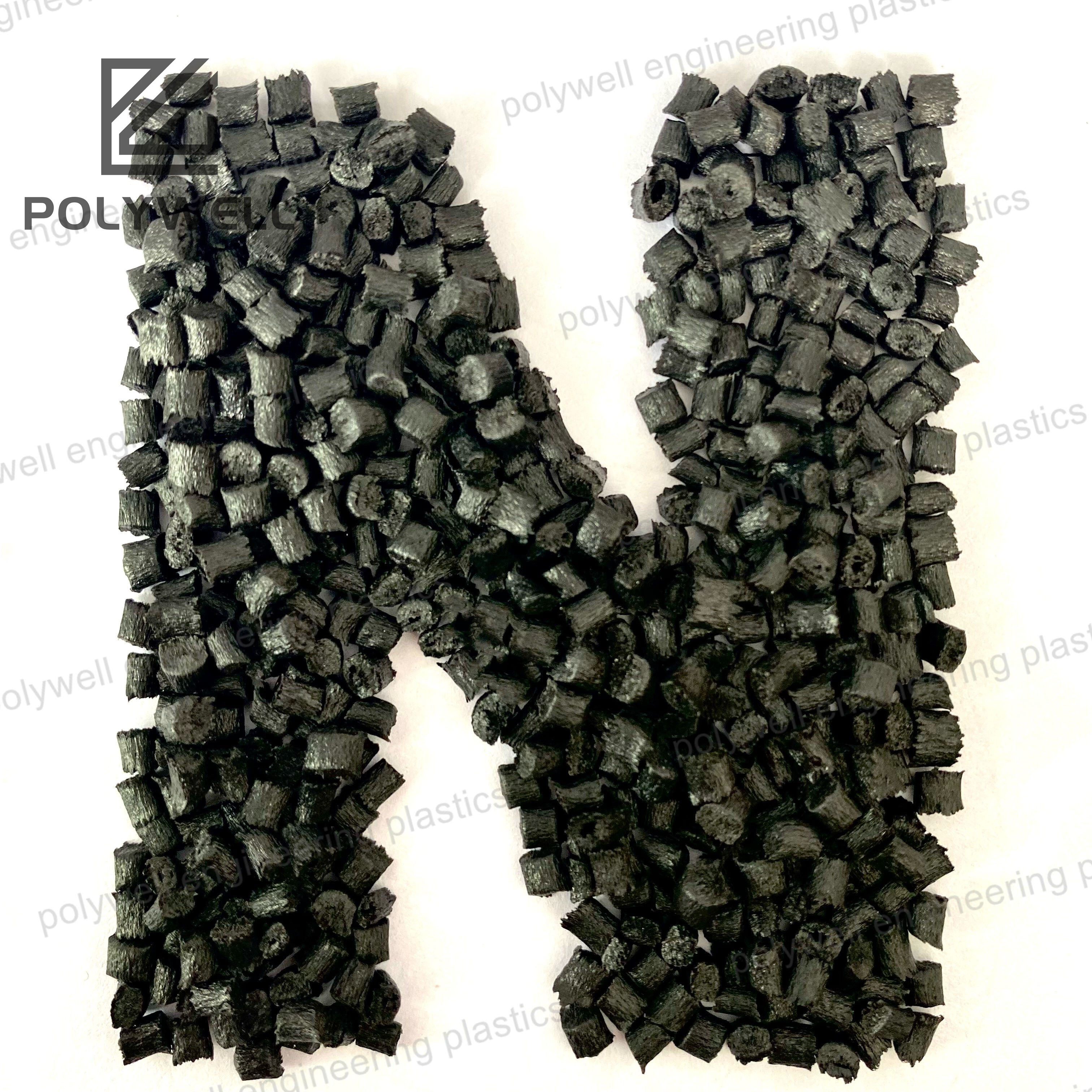
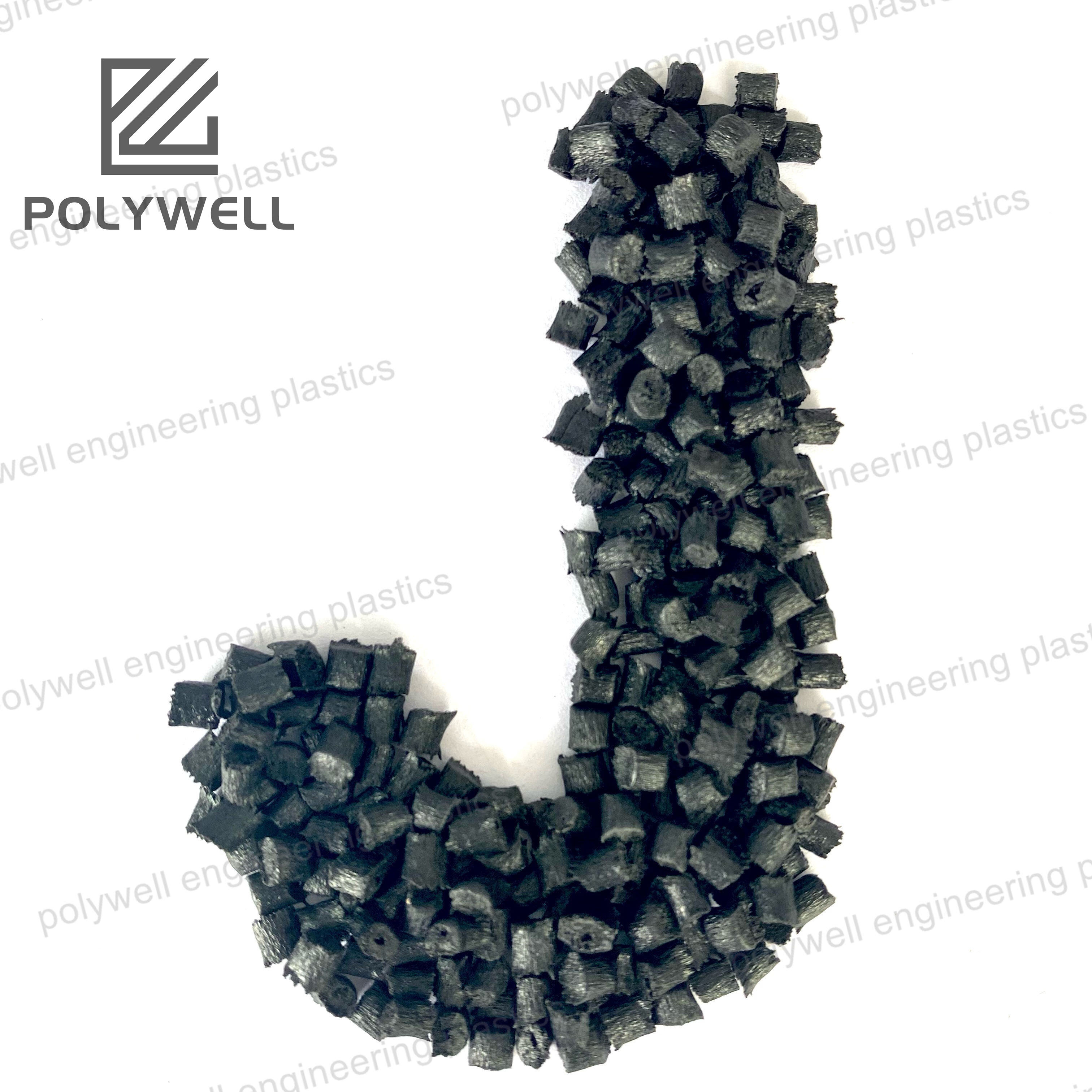
This page focuses on polyester polyamide, a combination of polyester and polyamide (often as blends, coatings, or multi layer structures) designed to leverage the strengths of both polymers. It explains how polyester contributes UV resistance and low shrinkage, while polyamide adds abrasion resistance and flexibility—creating a material ideal for demanding applications. The content covers common forms: coated fabrics (outdoor furniture, sportswear), multi layer films (packaging for oily foods), and blended fibers (carpet, industrial textiles). It also includes processing considerations (compatibility of the two polymers during extrusion) and performance benefits (longer lifespan than single polymer materials). This resource helps product designers and manufacturers select hybrid materials that meet complex performance needs.
Get A Quote

 EN
EN