Recycled Polyamide: Sustainable Polymer for Eco Conscious Manufacturing
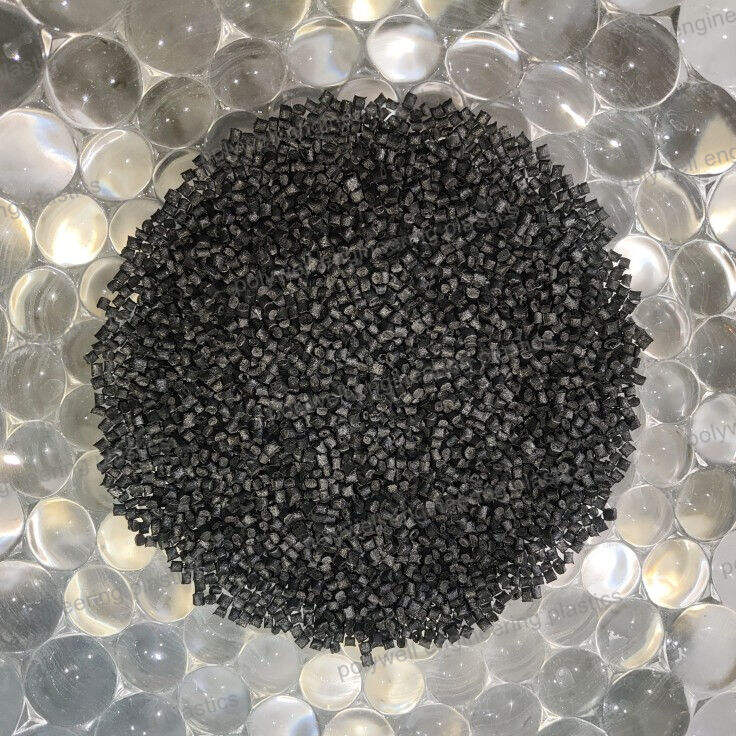
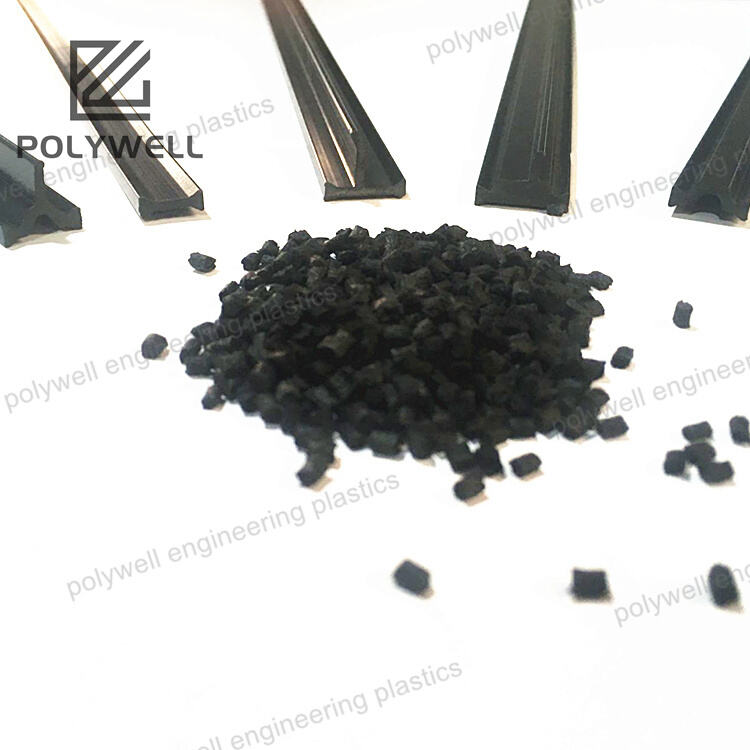
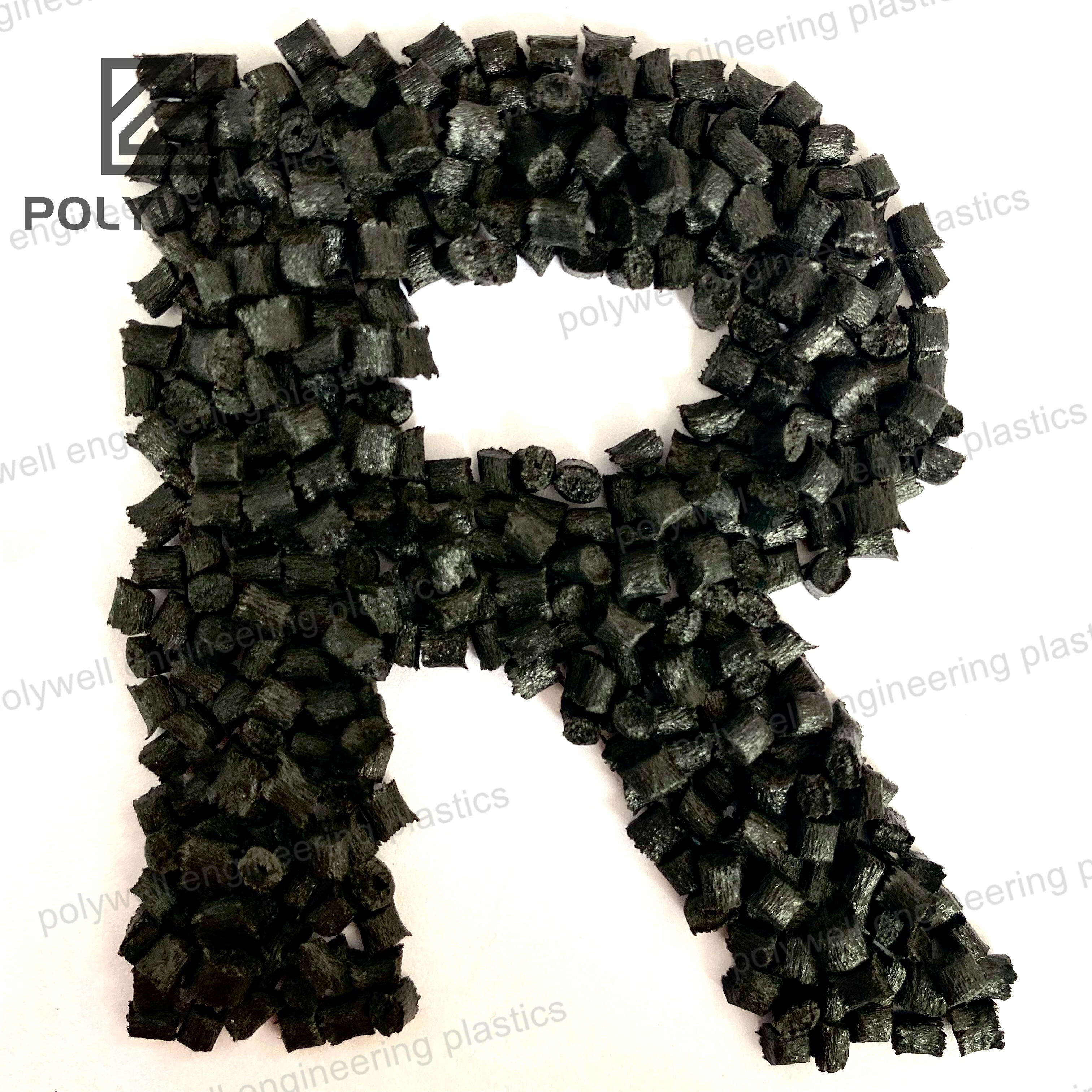
This page focuses on recycled polyamide, a sustainable alternative to virgin polyamide made from post consumer (e.g., plastic bottles, textile waste) or post industrial (manufacturing scraps) sources. It details the recycling process—collection → sorting → cleaning → depolymerization or reprocessing into granules—and how it retains key properties (strength, flexibility) while reducing carbon footprint. The content covers applications: packaging films, automotive interior parts, sportswear fabrics, and 3D printing filaments. It also highlights compliance with sustainability certifications (GRS, ISO 14001) and cost advantages (often lower than virgin polyamide for non critical parts). This resource helps brands and manufacturers align with eco friendly goals without compromising product performance.
Get A Quote

 EN
EN