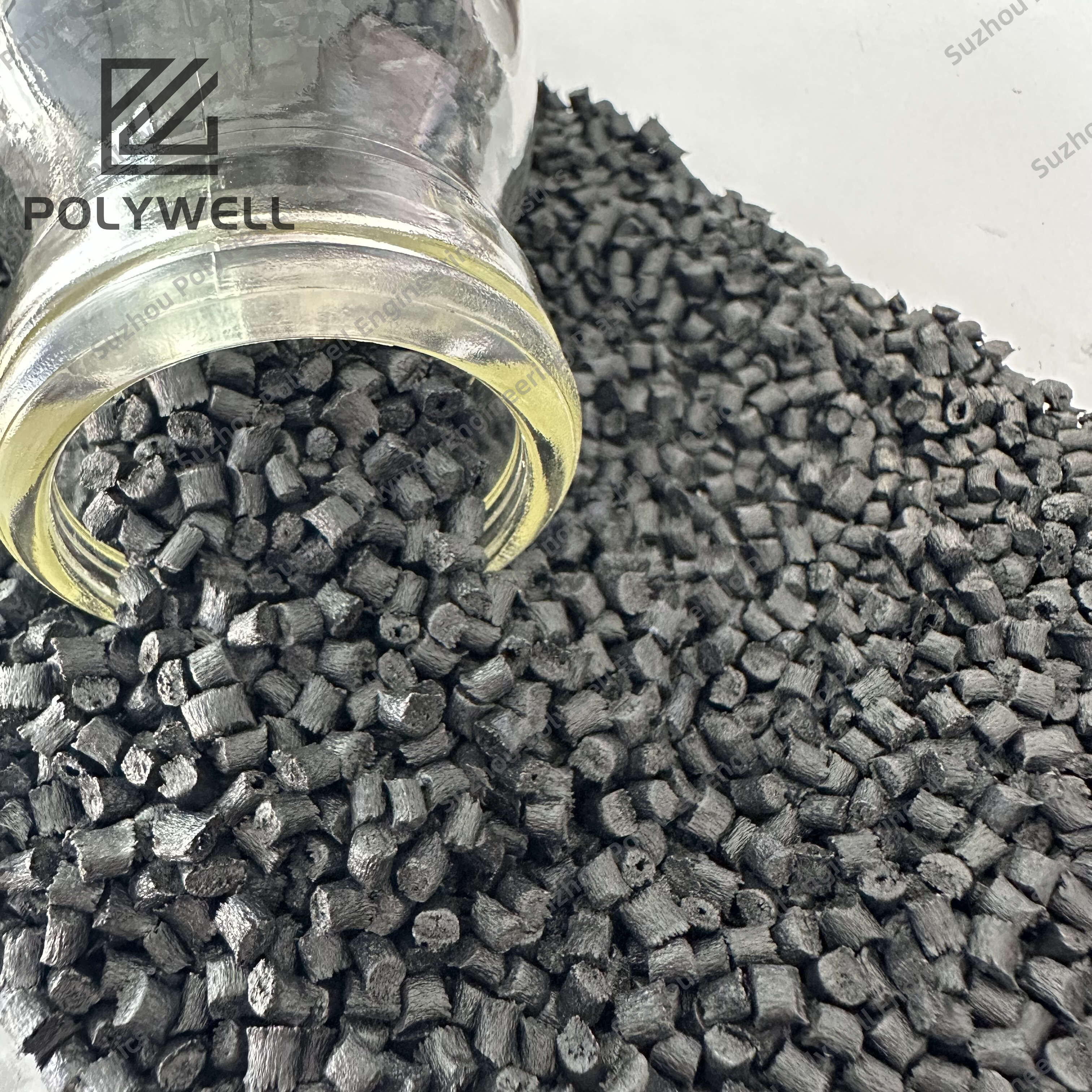
Polyamide Plastic Material: Versatile Engineering Polymer for Multiple Industries
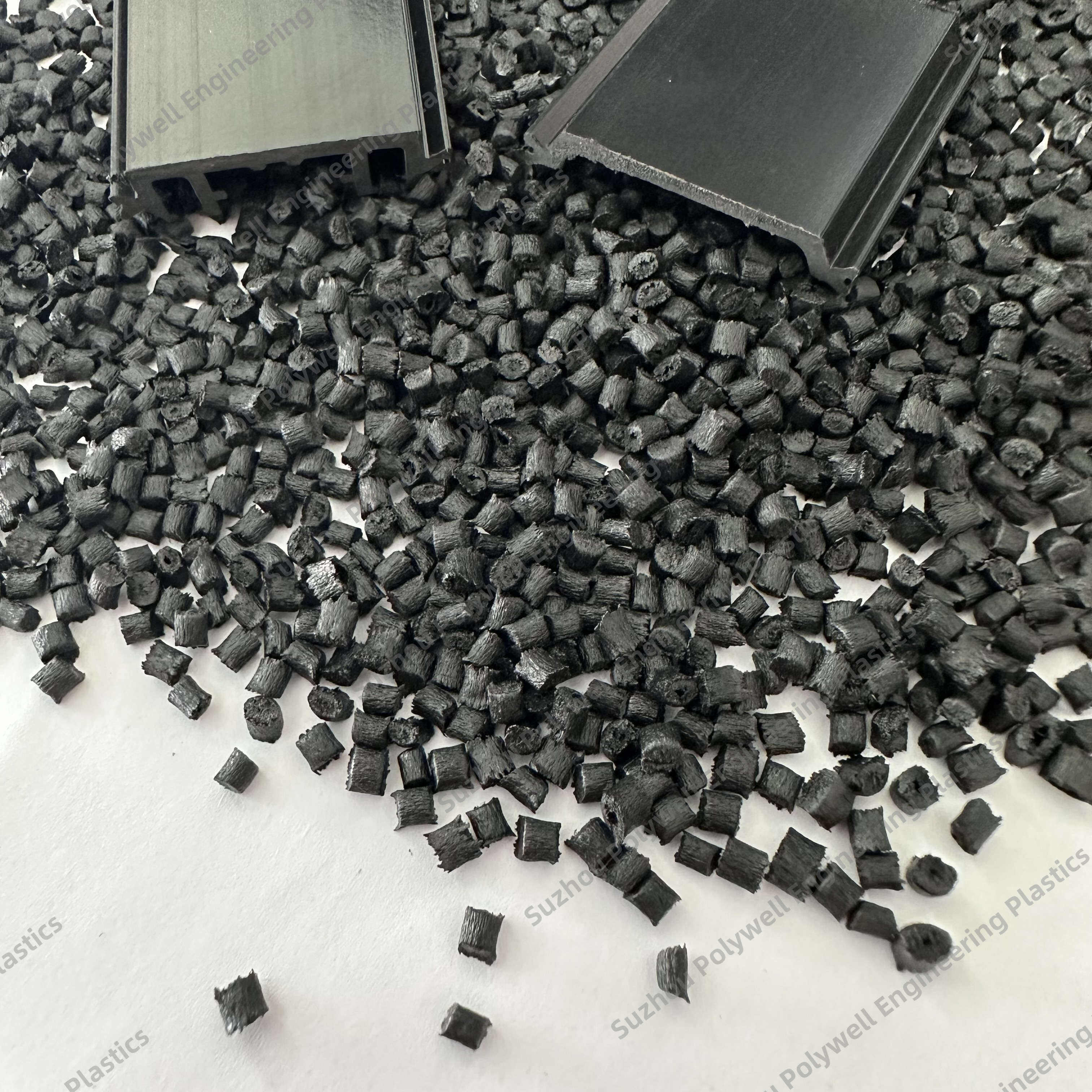
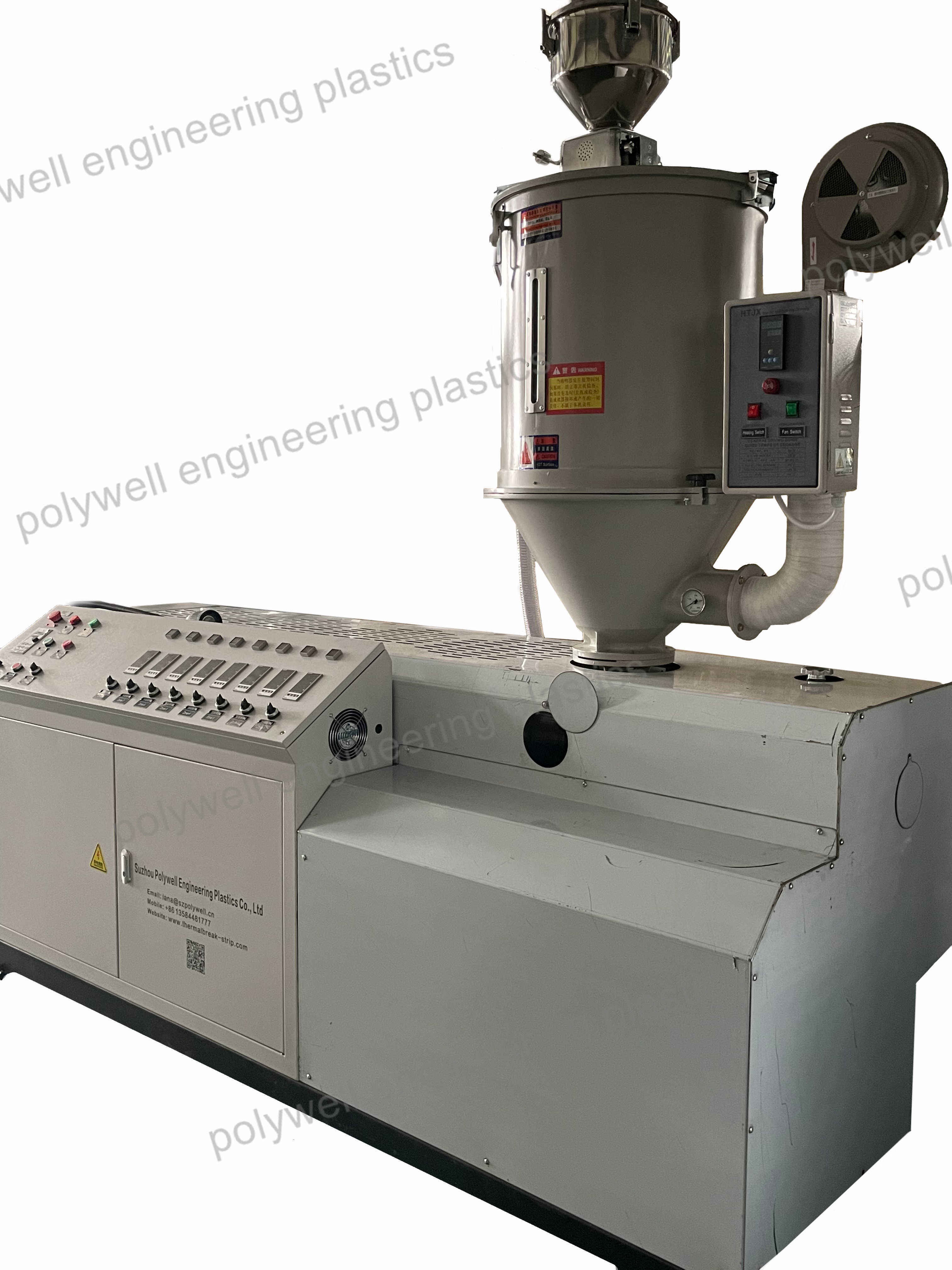
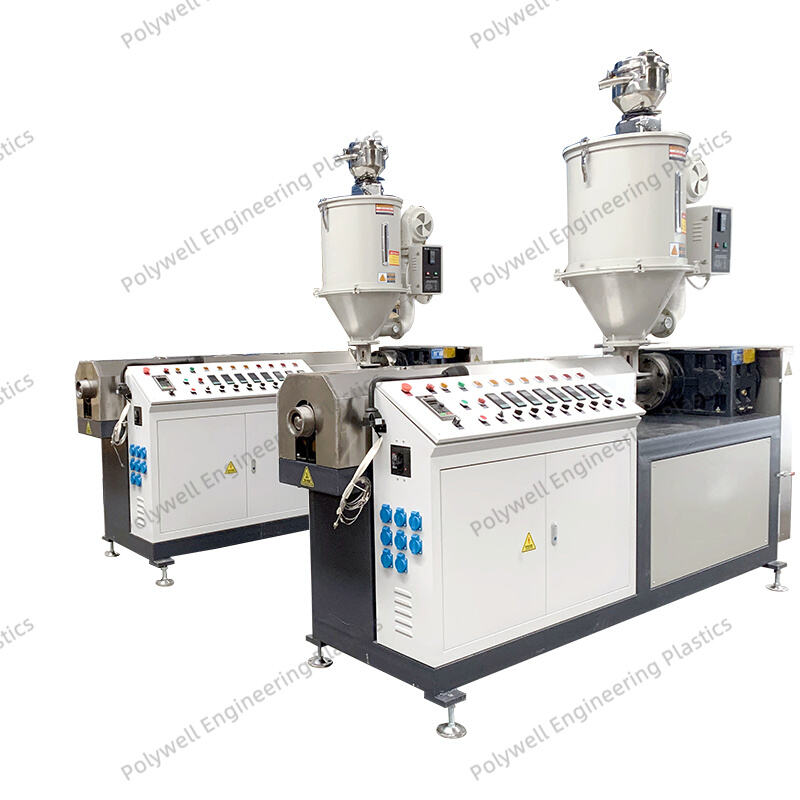
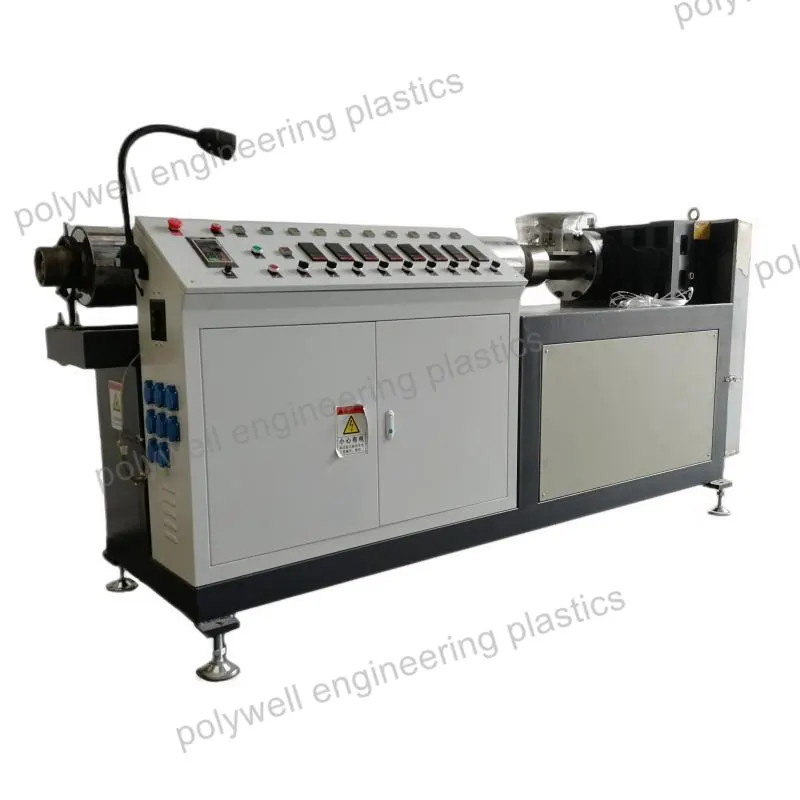
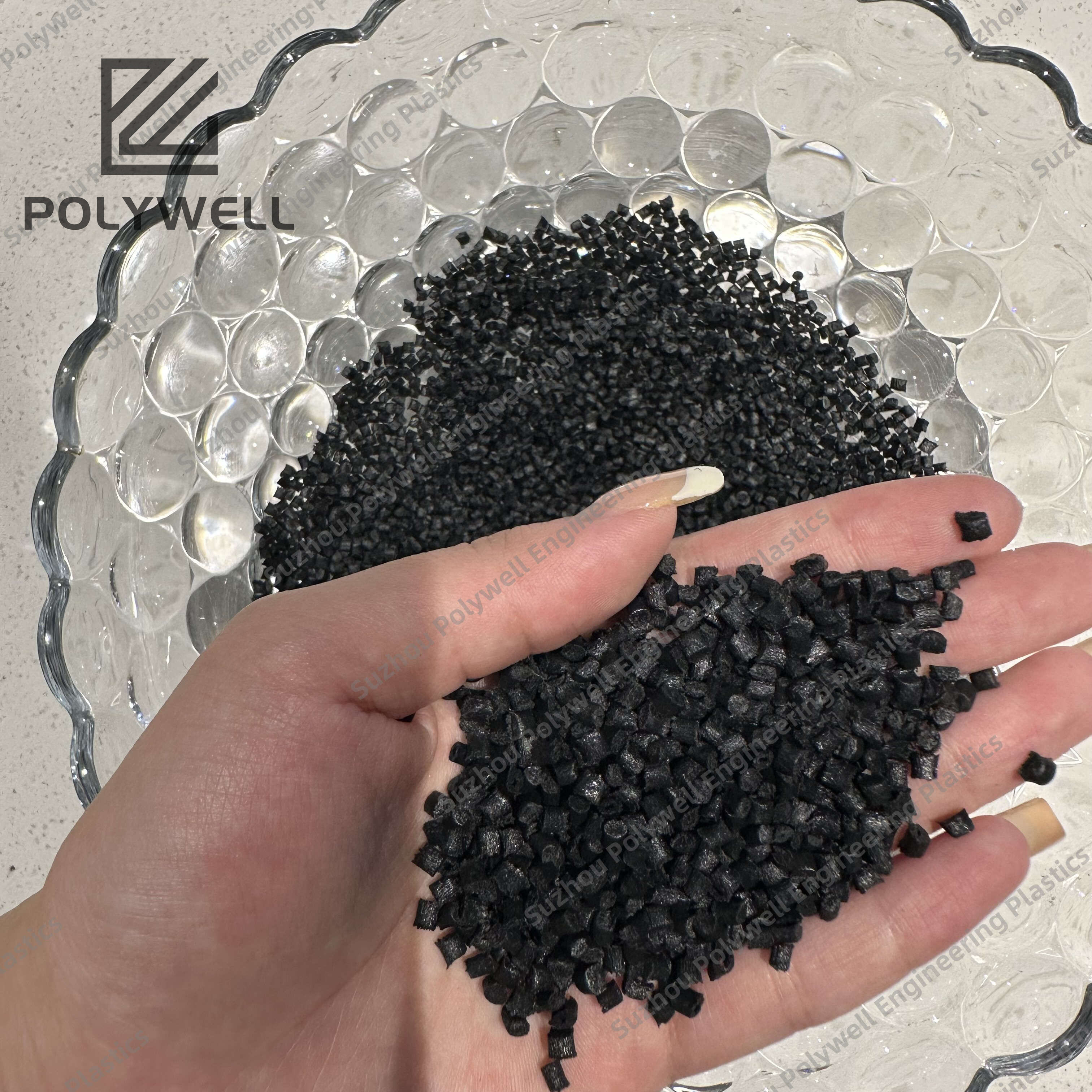
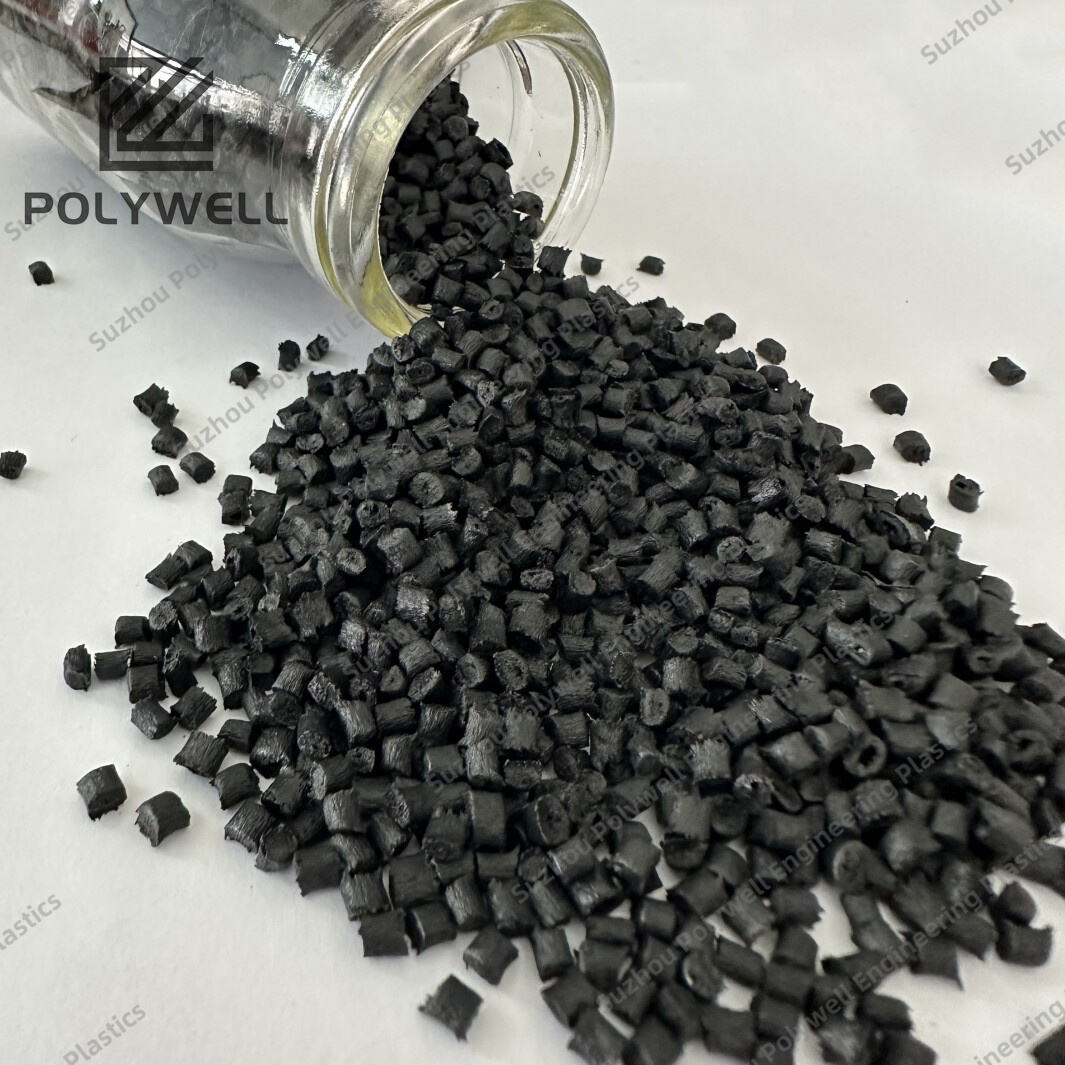
This page provides an overview of polyamide plastic material, a family of high performance polymers widely used in engineering and consumer goods. It classifies common types (PA6, PA66, PA11, PA12) and their core properties: high impact resistance, resistance to oils and chemicals, and good electrical insulation. The content covers processing methods (injection molding, extrusion, blow molding) and application scenarios: automotive (fuel lines, bearings), electronics (connector housings), household goods (zippers, kitchen utensils), and medical (disposable syringes). It also includes selection criteria (matching material type to temperature, load, and chemical exposure) and quality testing standards. This resource is essential for designers, engineers, and buyers choosing polyamide plastic for specific product requirements.
Get A Quote

 EN
EN