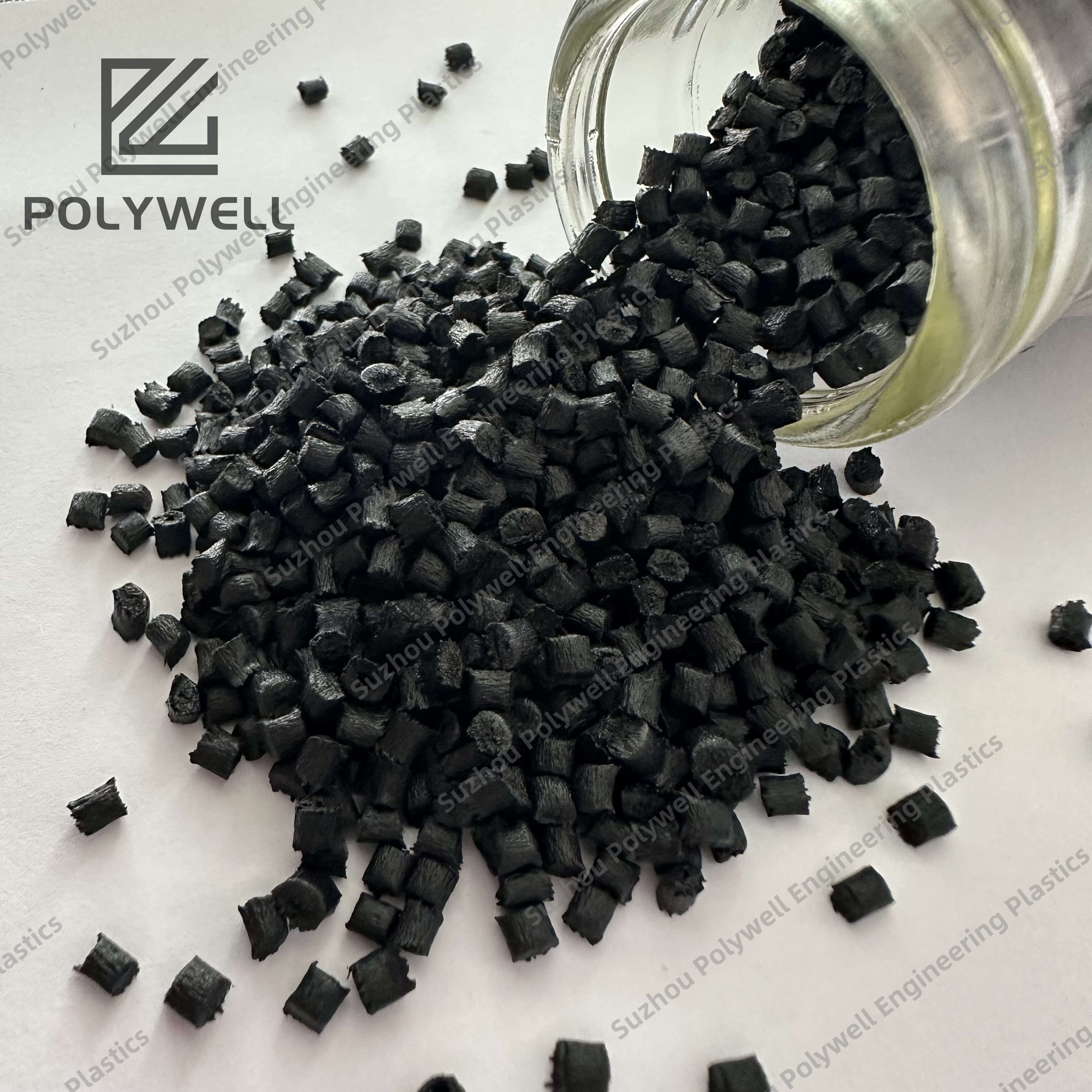
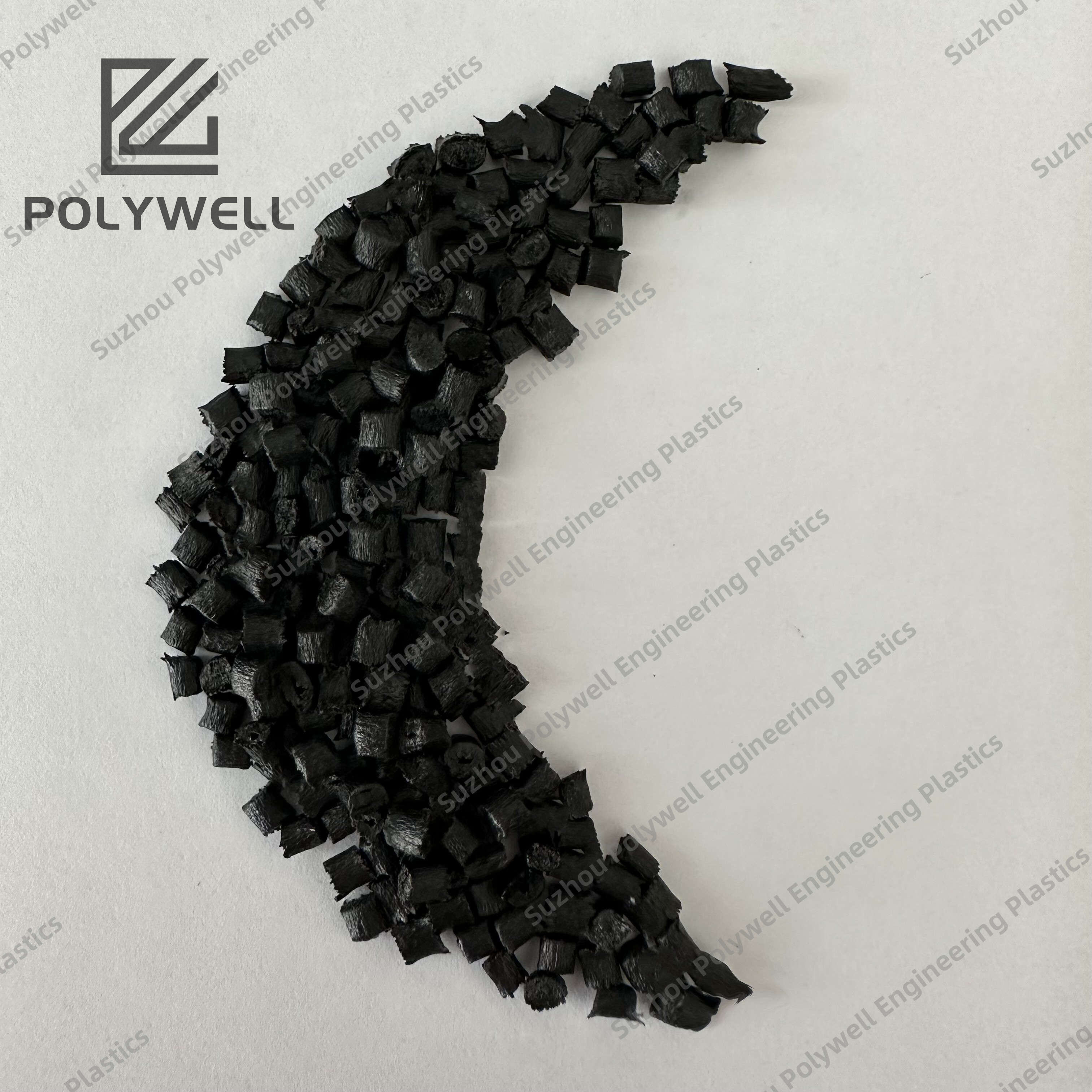
Polyamide Nylon: Synonymous Terms for High Performance Engineering Polymers
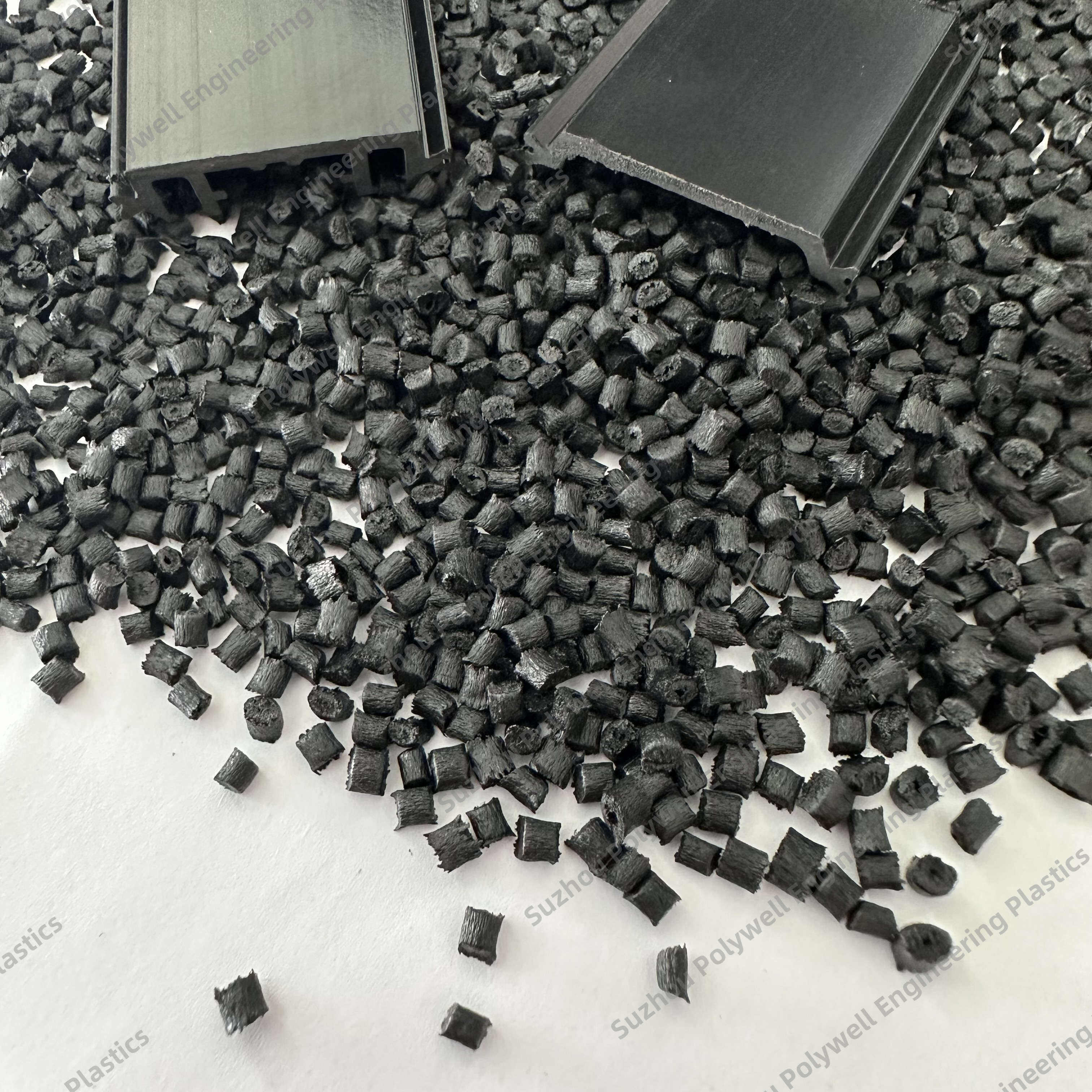
This page highlights that “polyamide nylon” refers to the same class of high performance polymers, with “nylon” being the everyday term for widely used polyamide types. It details the material’s core characteristics: excellent mechanical strength, resistance to wear and oils, and compatibility with processing methods like extrusion, injection molding, and 3D printing. The content covers key applications of polyamide nylon: automotive components (bearings, fuel lines), consumer goods (toothbrush bristles, luggage zippers), and industrial parts (electrical connectors). It also includes guidance on material selection (e.g., PA6 for flexibility, PA66 for high heat resistance) and storage (avoiding moisture absorption). This resource is ideal for anyone seeking clarity on the terminology and practical uses of polyamide nylon.
Get A Quote

 EN
EN