Polyamide vs Polyester: Guide to Material Selection & Uses

All Categories

Polyamide and Polyester: Comparative Guide & Synergistic Applications

This page offers a side by side comparison of polyamide and polyester, plus insights into their synergistic use. It details key differences: polyamide has better abrasion resistance and flexibility, while polyester excels in UV resistance and cost effectiveness. The content covers individual applications (polyamide for gears, polyester for outdoor fabrics) and scenarios where they work together (e.g., polyamide core + polyester sheath fibers for durable, sun resistant ropes). It also includes selection factors: cost, environmental conditions (heat, sunlight), and end use requirements (load bearing vs. decorative). With clear tables and real world examples, this resource helps buyers, designers, and manufacturers choose between or combine the two polymers for optimal results.
Get A Quote

Advantages of the product

Expert Material Formulation Since 2006

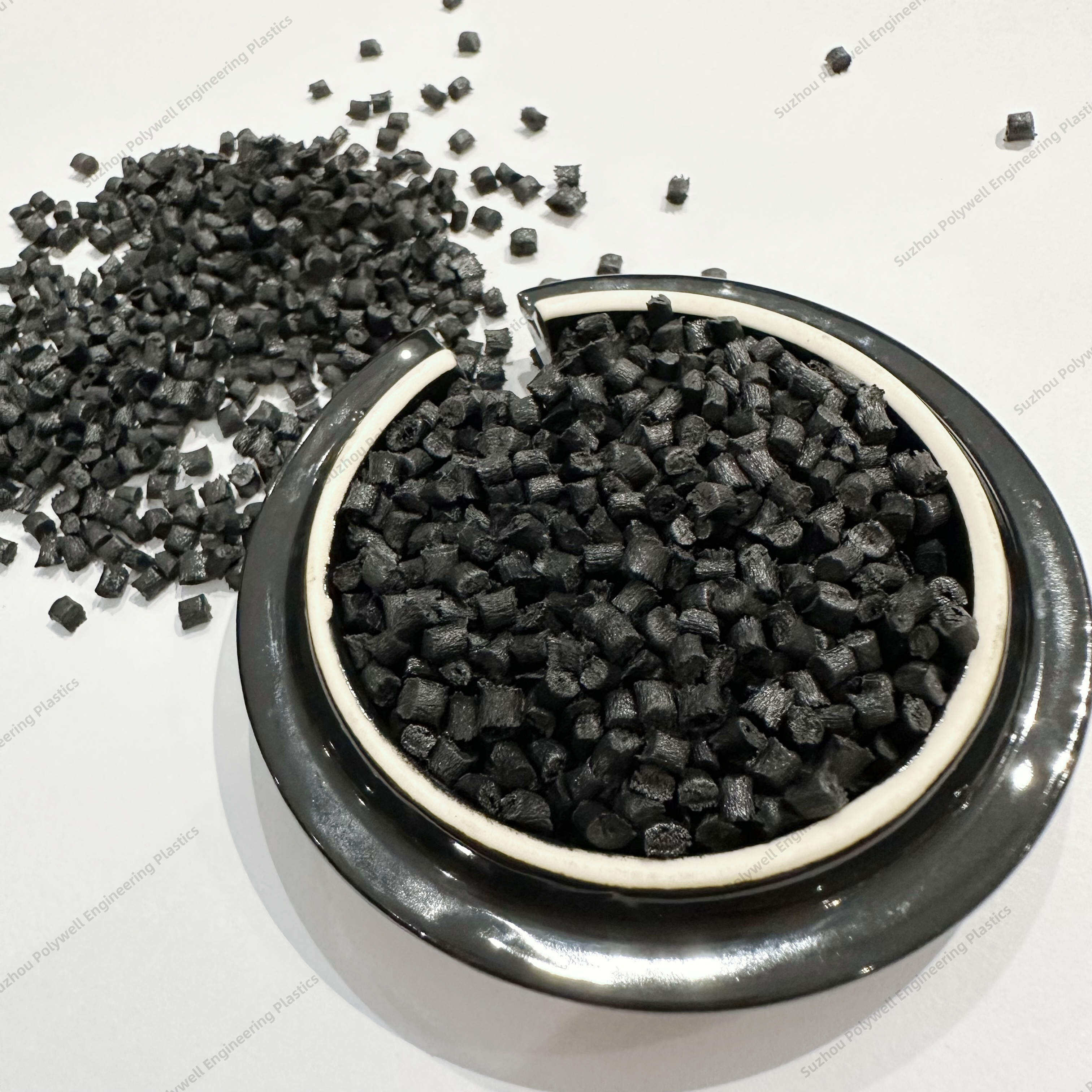
Our polyamide material is the result of continuous R&D since 2006, specifically tailored for thermal break applications. This deep, specialized knowledge allows us to engineer materials with optimal mechanical strength, thermal stability, and resistance to aging. Unlike generic suppliers, we understand how formulation impacts performance in real world conditions, ensuring our strips provide a reliable and long lasting thermal barrier. This expertise is the foundation of our entire product line and one stop service.

Related products

Polyamide and Polyester are two major families of synthetic polymers, both of immense industrial importance but with distinct chemical structures and resulting property profiles. Their fundamental difference lies in the functional group of their polymer backbone: Polyamides (Nylon) feature amide groups (-NH-CO-), while Polyesters (like PET, PBT) feature ester groups (-O-CO-). This structural distinction leads to several key performance differences. Regarding mechanical properties, polyamides generally offer superior toughness, impact resistance, and abrasion resistance. Polyesters, particularly when reinforced, often exhibit higher stiffness and tensile strength. A critical differentiator is moisture behavior: polyamides are highly hygroscopic, absorbing significant amounts of water which plasticizes the material, increasing toughness but reducing stiffness and dimensional stability. Polyesters, in contrast, are much more hydrophobic, with very low moisture absorption, resulting in excellent dimensional stability in humid environments. Thermally, polyamides like PA66 have a higher melting point than PBT, but polyesters typically have a higher Heat Deflection Temperature (HDT) in their glass-filled forms. Chemically, polyesters generally offer better resistance to a broader range of chemicals, including strong acids, while polyamides have excellent resistance to oils and hydrocarbons. In terms of cost, commodity polyesters like PET are often less expensive than standard polyamides, though engineering-grade versions can be comparable. The choice between them is application-driven: Polyamide is preferred for tough, wear-resistant parts that can tolerate some dimensional change (gears, bearings), while Polyester is chosen for dimensionally stable, stiff components in humid or chemically challenging environments (electrical connectors, automotive housings).

Frequently Asked Questions

How do you ensure the quality and consistency of your polyamide material?

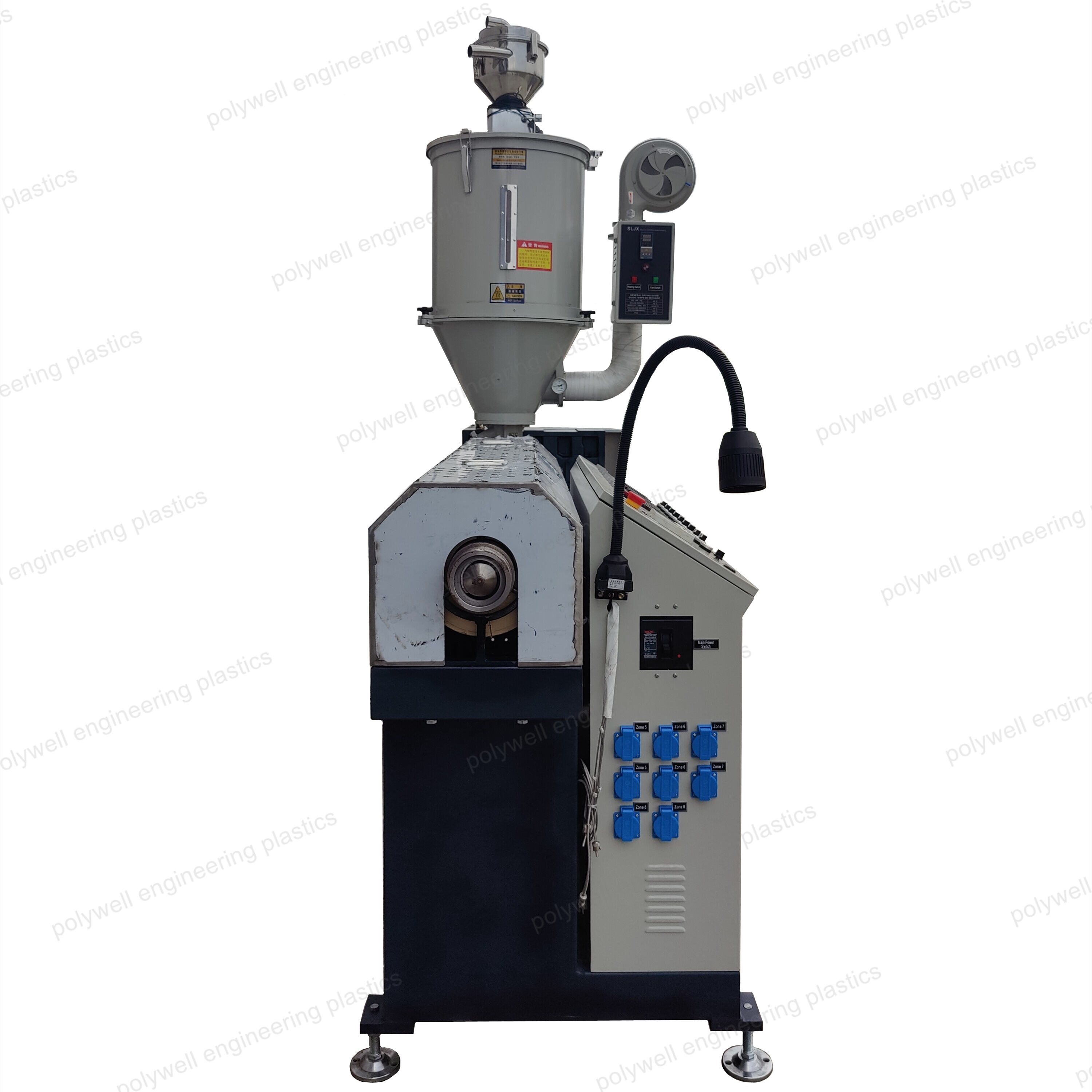
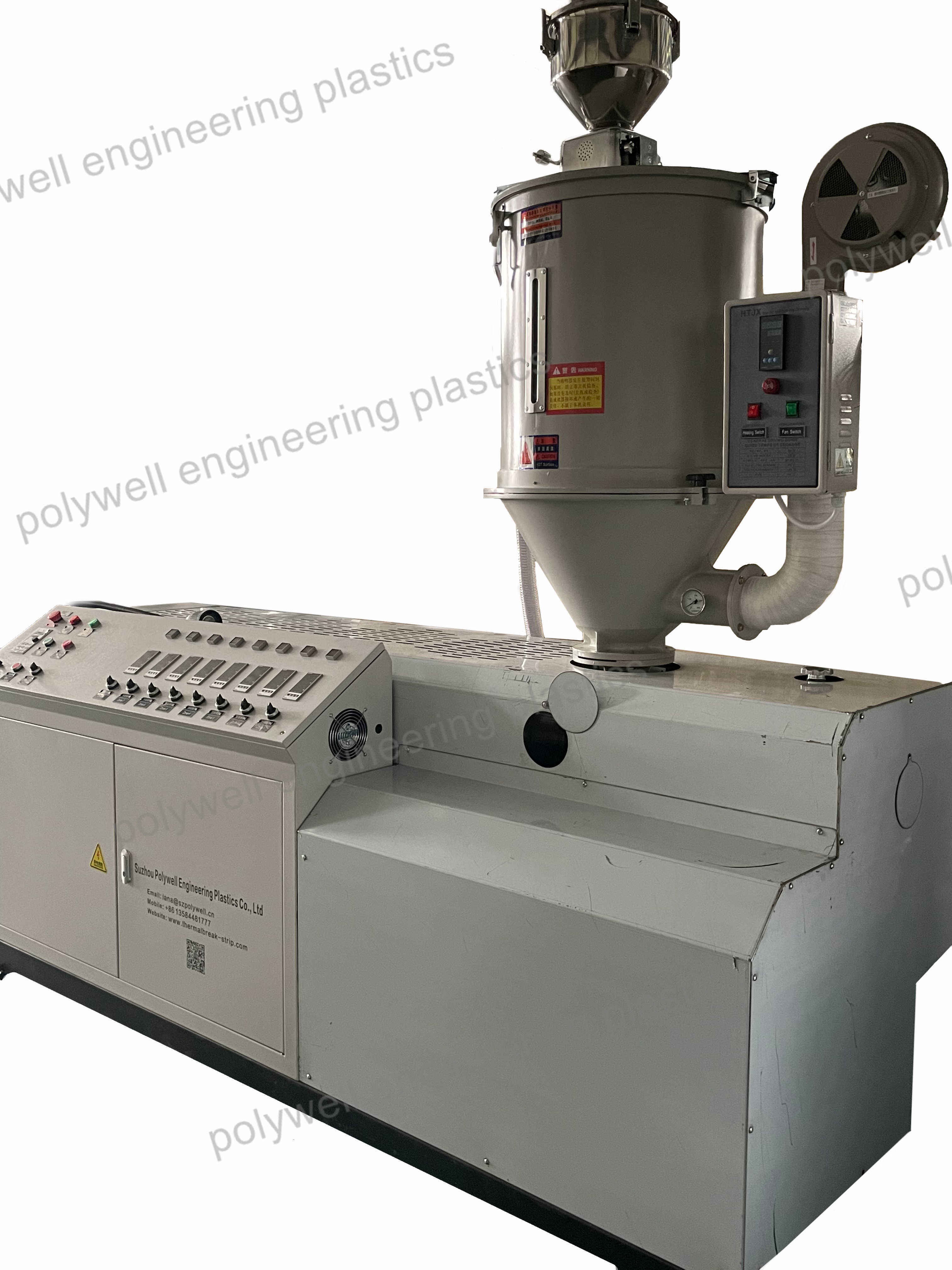
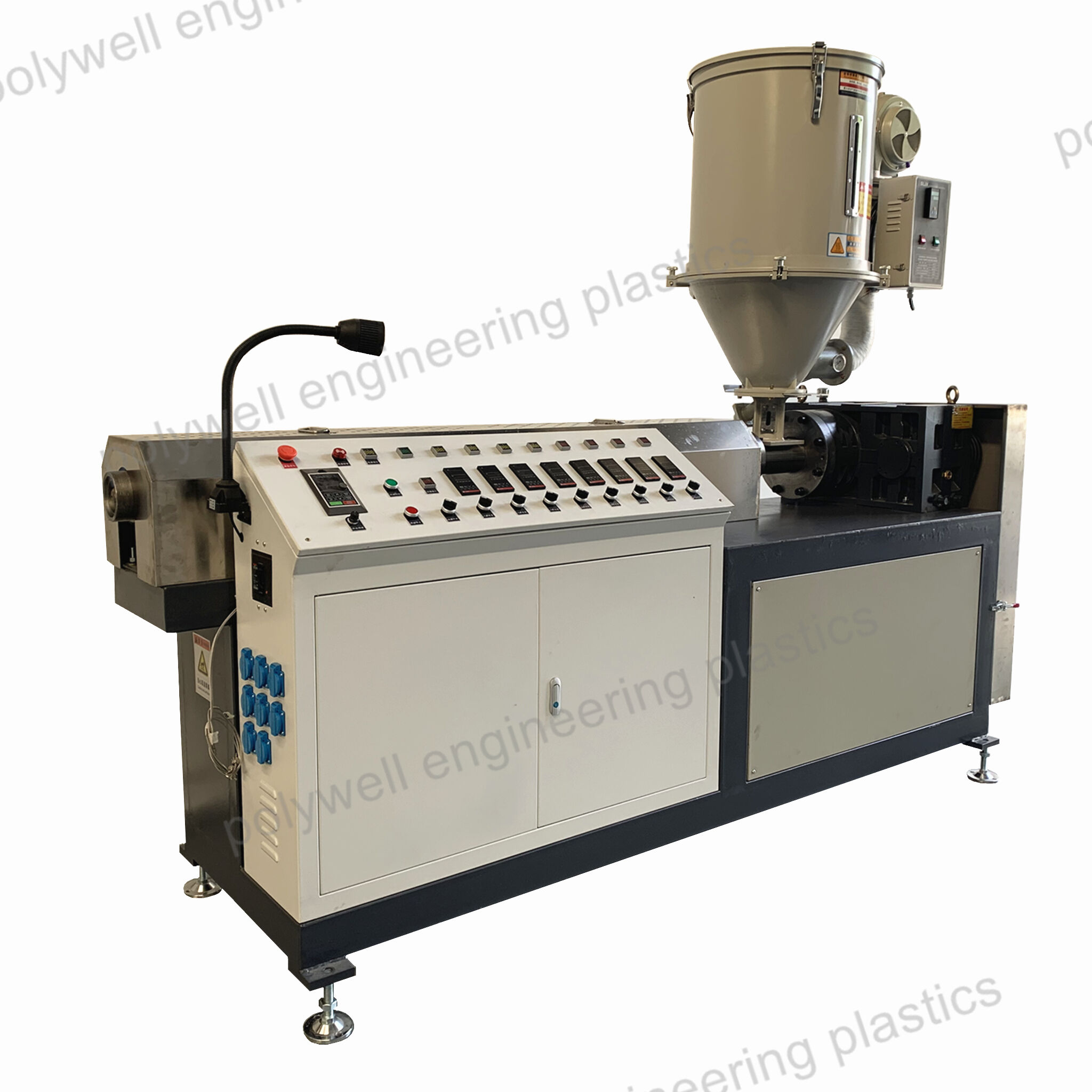
We ensure quality through strict control from raw material selection to final production. Our deep R&D expertise allows us to define precise specifications. We conduct rigorous in process and batch testing for key properties like melt flow index, thermal stability, and mechanical strength. Our integrated Polywell service further guarantees the material is perfectly tuned for our extrusion lines, ensuring consistent, high quality output.

Related Articles

Help you analyze potential risk that may arise

30

Dec

Help you analyze potential risk that may arise

POLYWELL offers expert analysis to identify potential risks in your plastic extrusion processes. Our insights ensure the efficient production of thermal break strips and custom profiles, minimizing operational challenges.
View More
Help you select the extruder of PA66 thermal break strips

30

Dec

Help you select the extruder of PA66 thermal break strips

POLYWELL helps you choose the ideal extruder for manufacturing PA66 thermal break strips. Our expert advice ensures efficient extrusion, high-quality output, and optimal performance for energy-saving applications.
View More
Why you need one stop service (overall solutions)

30

Dec

Why you need one stop service (overall solutions)

Discover why POLYWELL’s one-stop service is essential for your plastic extrusion projects. From raw material selection to final production, we provide comprehensive support for thermal break strips and custom profiles.
View More
The Manufacturing Process of PA66GF25 Granules Explained

18

Nov

The Manufacturing Process of PA66GF25 Granules Explained

POLYWELL manufactures high-quality PA66GF25 granules through a detailed process, ensuring superior strength and thermal stability for various applications.
View More

customer evaluation

Amelia

Beyond the excellent material properties, their logistical support is outstanding. We receive timely deliveries and have access to their expert technical team for any formulation questions. This partnership has been crucial for our expansion into new markets.

Get a Free Quote

Our representative will contact you soon.
Email
Name
Company Name
Message
0/1000
Expert Material Formulation Since 2006

Expert Material Formulation Since 2006

Our polyamide material is the product of continuous research and development since 2006 specifically for thermal break applications This extensive expertise allows us to engineer materials with an optimal balance of very low thermal conductivity for superior insulation and high mechanical strength to support structural loads The material is also formulated for excellent resistance to weathering UV exposure and corrosion ensuring long term performance and reliability in diverse climatic conditions and contributing to durable energy efficient building envelopes
Superior Mechanical and Thermal Properties

Superior Mechanical and Thermal Properties

We engineer our polyamide material to excel in critical performance areas essential for thermal breaks It maintains high strength and rigidity across a wide temperature range ensuring the structural integrity of window and door profiles under various environmental stresses The inherently low thermal conductivity forms the core of its heat insulation capability effectively reducing energy loss Furthermore the material offers excellent resistance to creep under long term load guaranteeing lasting performance
Customization for Specific Application Needs

Customization for Specific Application Needs

We offer customized polyamide material formulations to meet unique project requirements We can adjust properties such as glass fiber content for enhanced load bearing capacity incorporate additives for specific fire ratings or UV stability and modify color for aesthetic purposes This flexibility ensures that the thermal break strip is perfectly suited for its intended application whether for standard windows large curtain walls or specialized architectural systems providing an optimized solution for every client
Inquiry Inquiry Email Email WhatsApp WhatsApp Wechat Wechat
Wechat
TopTop

Related Search