POLYWELL Thermal Break Profile: Polyamide Based Solutions & Full Production Support
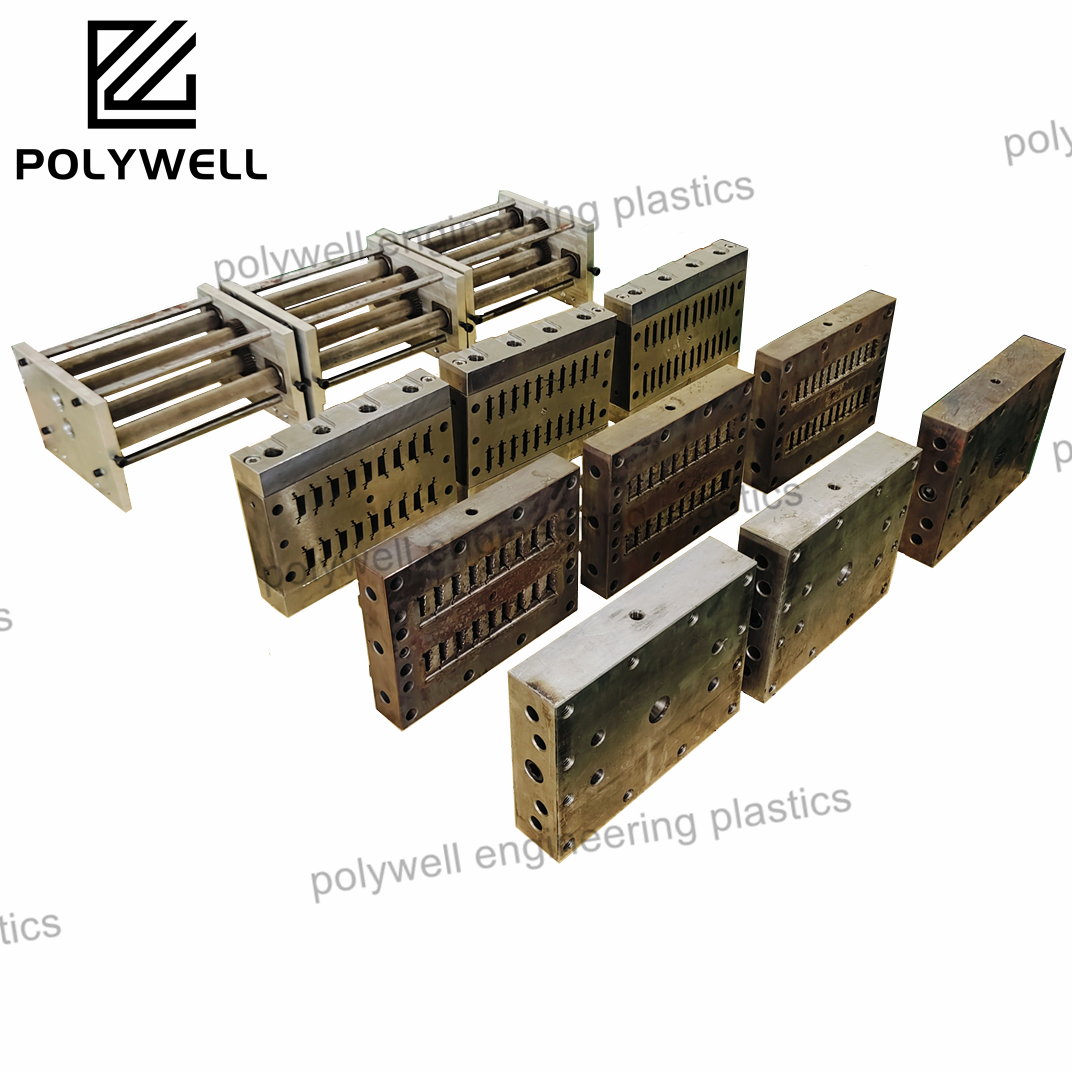
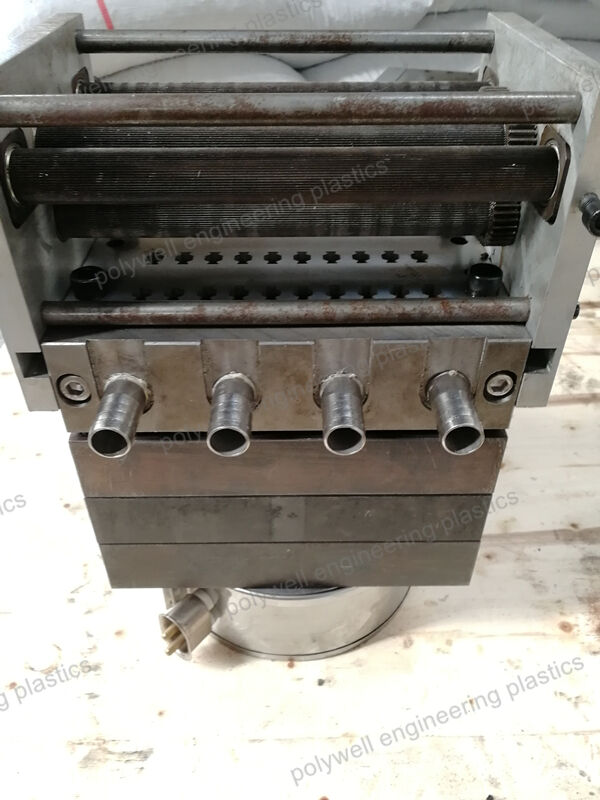
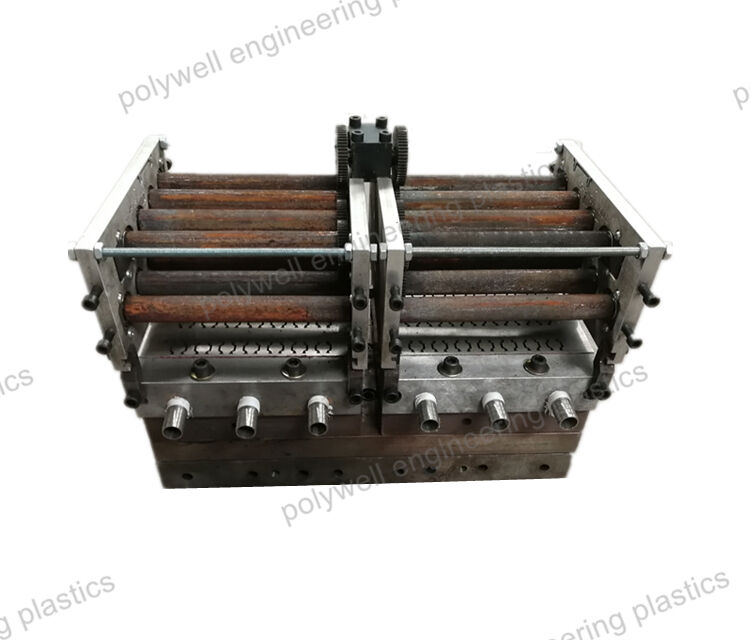
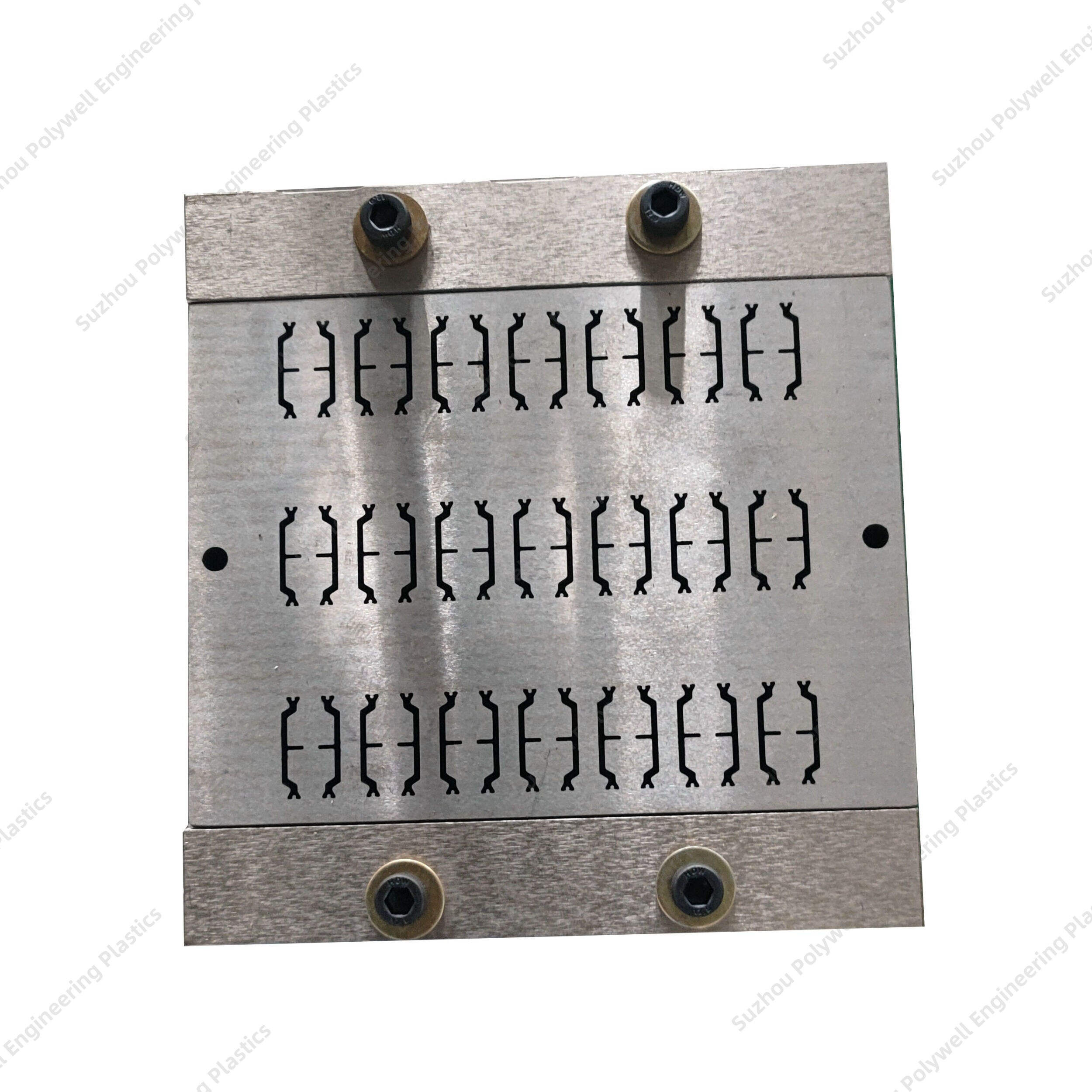
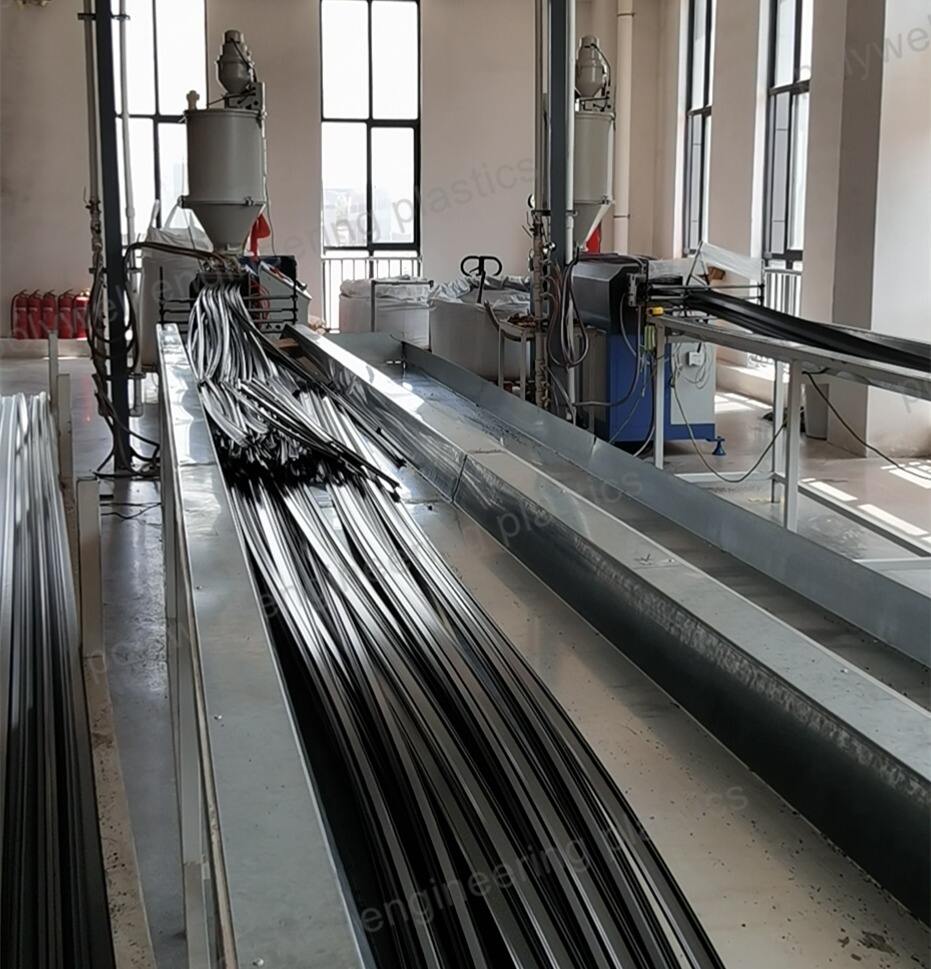
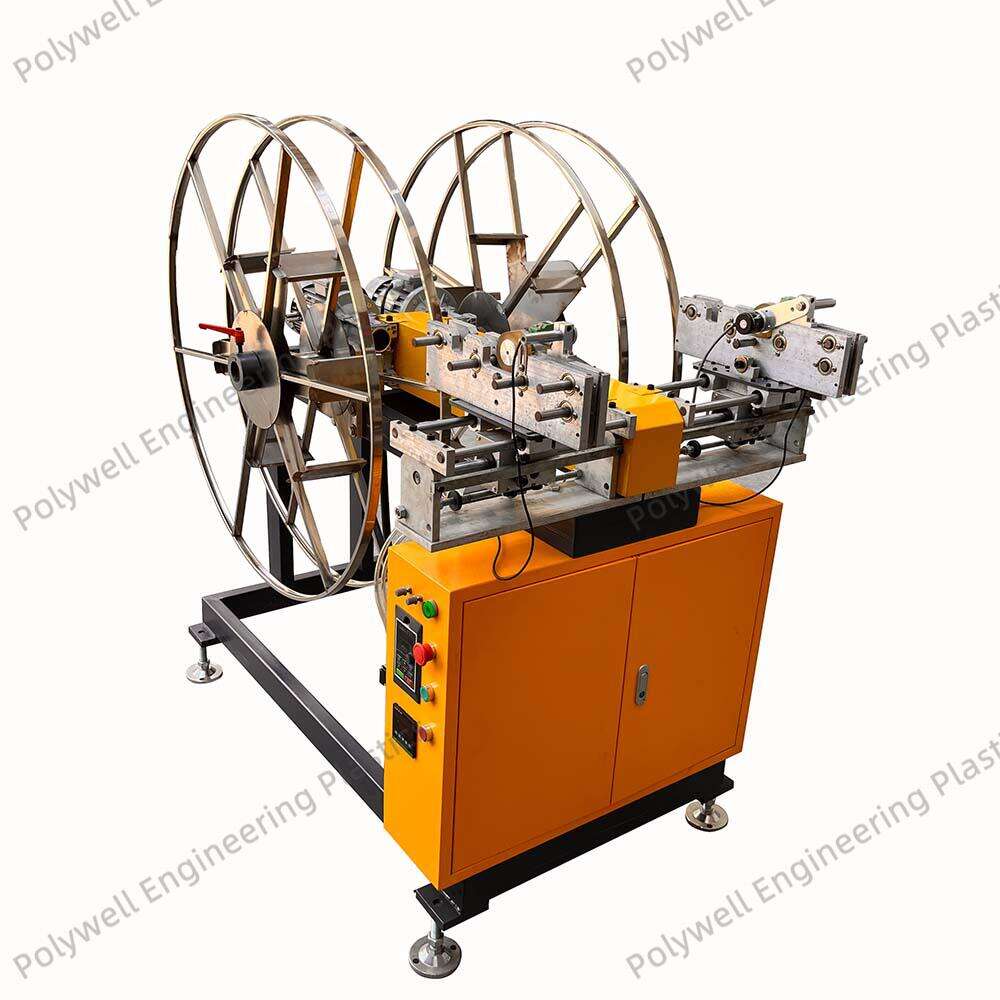
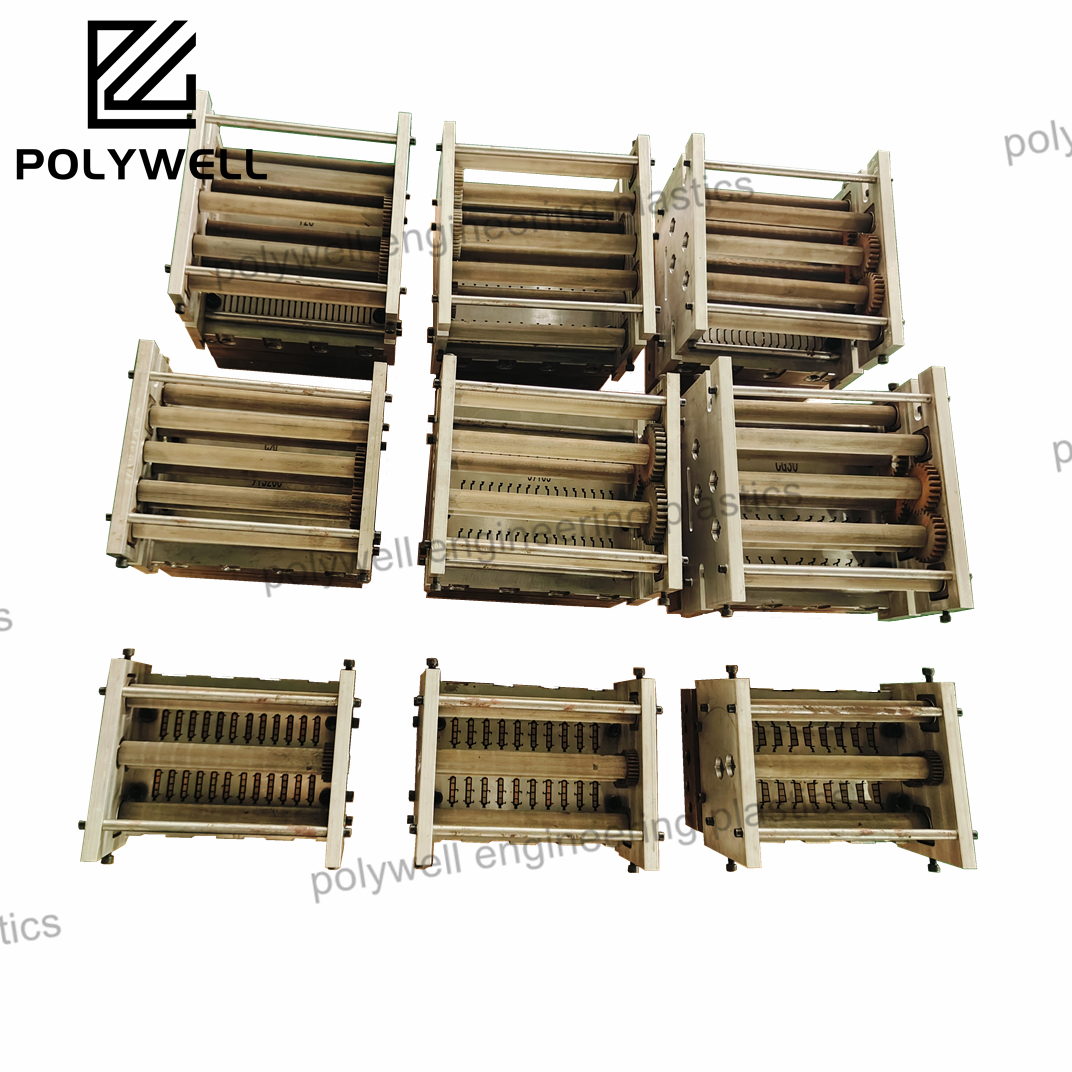
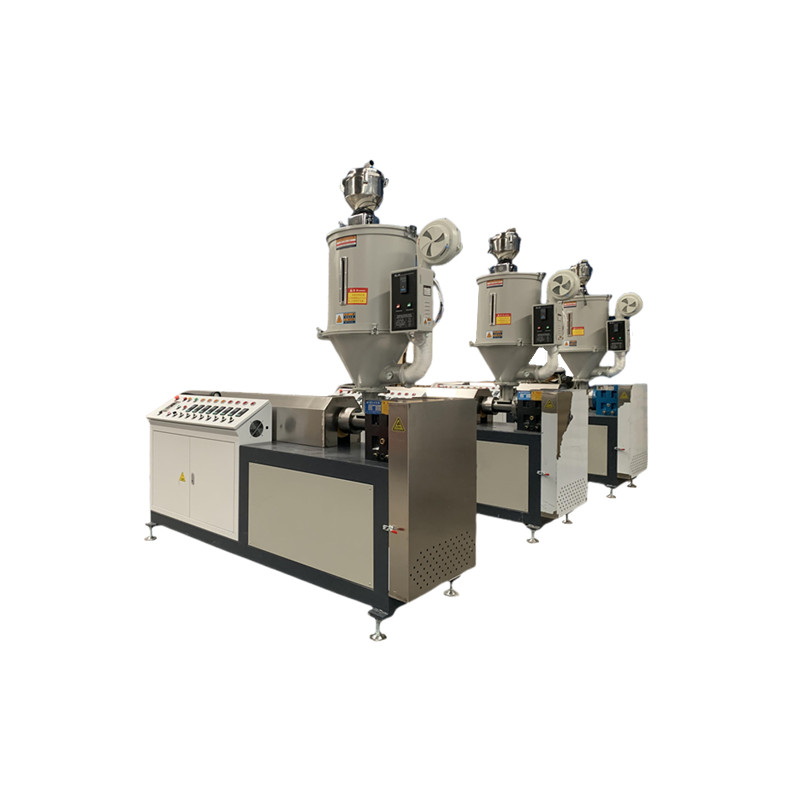
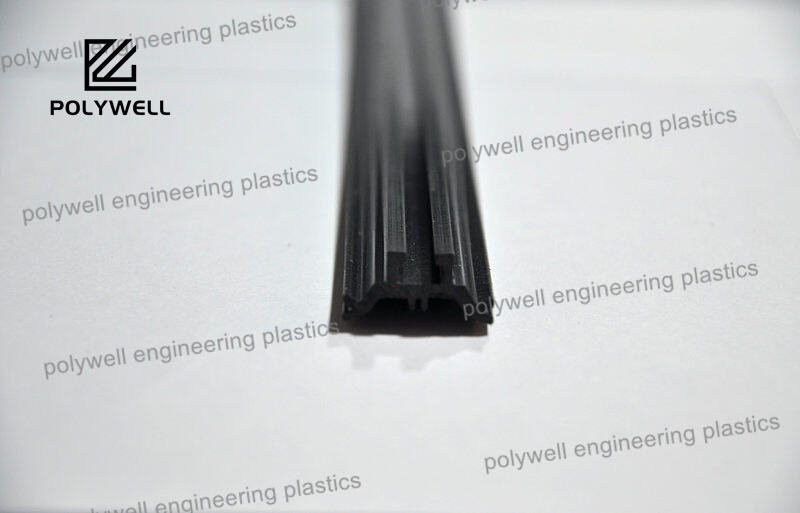
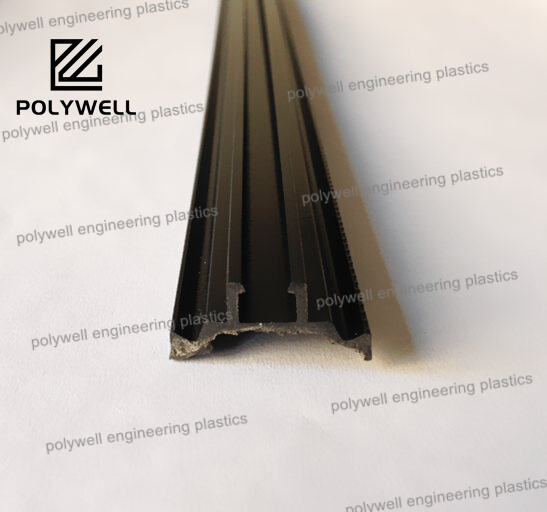
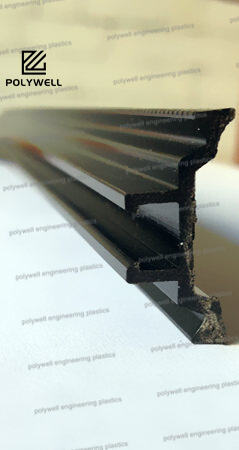
This page focuses on POLYWELL’s thermal break profile solutions, centered on high performance polyamide thermal break strips (the key component of thermal break profiles) and backed by 15+ years of industry experience. It supplies all essential elements for thermal break profile production: polyamide raw materials, custom extruders for profile shaping, precision molds, and other supporting equipment. The content includes technical guidance to optimize thermal break profile performance (e.g., material selection, processing parameters) and DFM services to avoid production defects. On site service addresses on factory challenges, while client feedback (Mr. Robin noting polyamide strips work perfectly) validates thermal break profile quality. The 6 step cooperation workflow ensures efficient delivery of thermal break profile solutions, catering to manufacturers and end users.
Get A Quote

 EN
EN