Thermal Break Aluminum Profiles & Polyamide Strip Solutions

All Categories

POLYWELL Thermal Break Aluminum Profiles: Polyamide Strip Solutions & Support

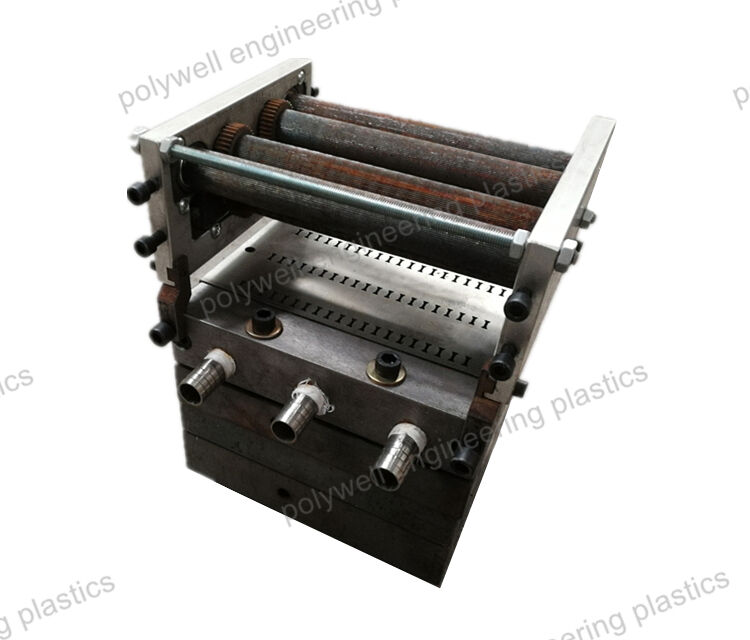
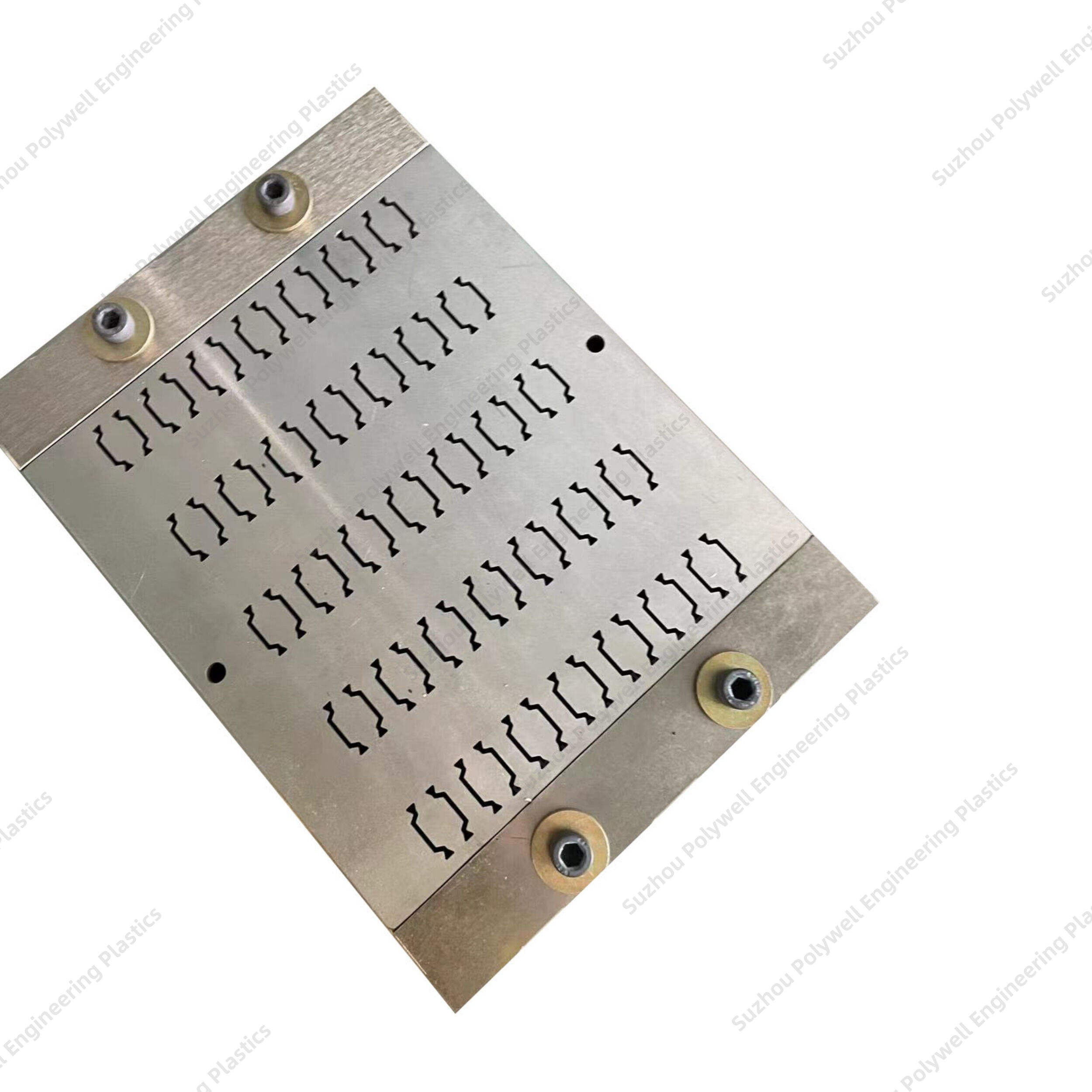
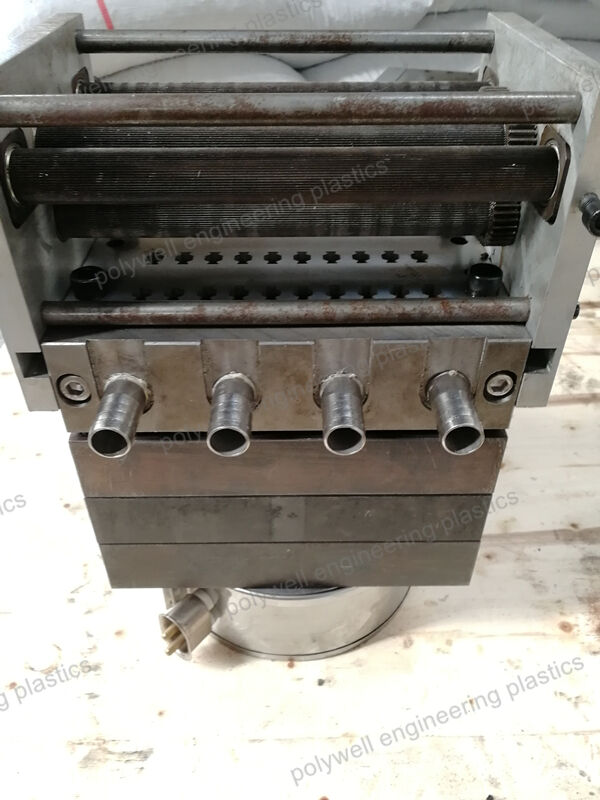
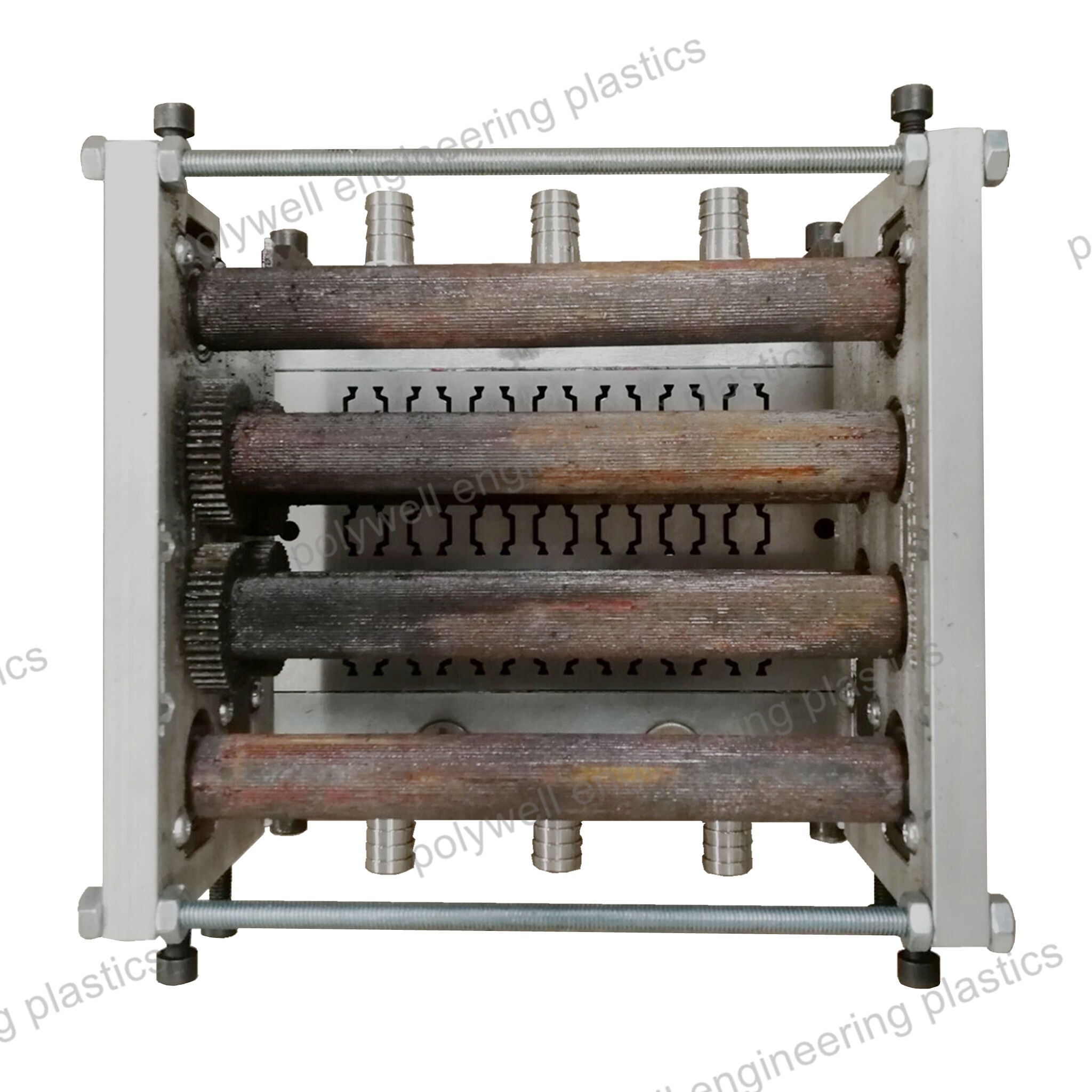
This page from POLYWELL focuses on solutions for thermal break aluminum profiles, providing tailored polyamide thermal break strips and supporting production equipment. Backed by 15+ years of experience, it offers polyamide strips optimized for thermal break aluminum profiles (ensuring good insulation and structural fit), along with raw materials, extruders, and molds for strip production. The content includes technical guidance to match polyamide strips with thermal break aluminum profiles—such as adjusting strip dimensions to meet profile tolerances (as Mr. Paolo Celani praised for die precision). DFM services predict production risks, and on site service solves factory challenges. Client feedback (e.g., Mr. Tiago wanting to develop more equipment with POLYWELL) confirms trust, and the 6 step workflow ensures seamless delivery of polyamide strips for thermal break aluminum profiles.
Get A Quote

Advantages of the product

Superior Structural Integrity and Load Bearing

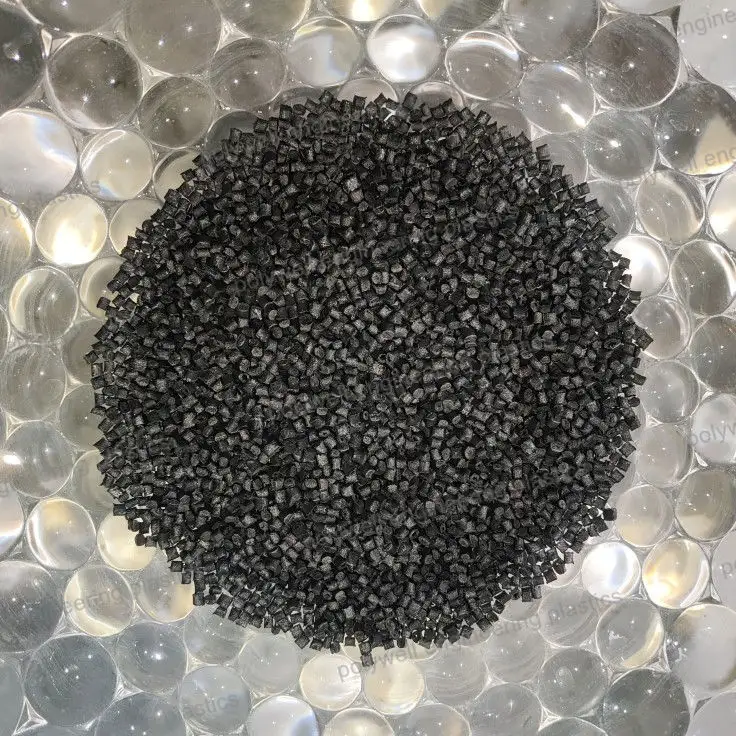
Our thermal breaks are designed not just for insulation but also for structural performance. Made from robust materials like PA66 GF25, they provide exceptional mechanical strength and stability. This ensures that the insulated aluminum profile can withstand significant wind loads, support the weight of large glass panes, and endure the stresses of daily operation without compromising the safety or functionality of the window, door, or curtain wall system.

Related products

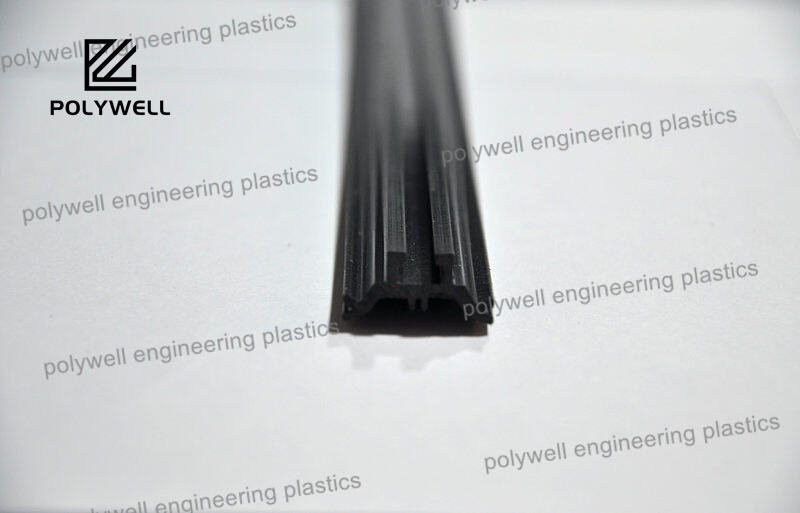
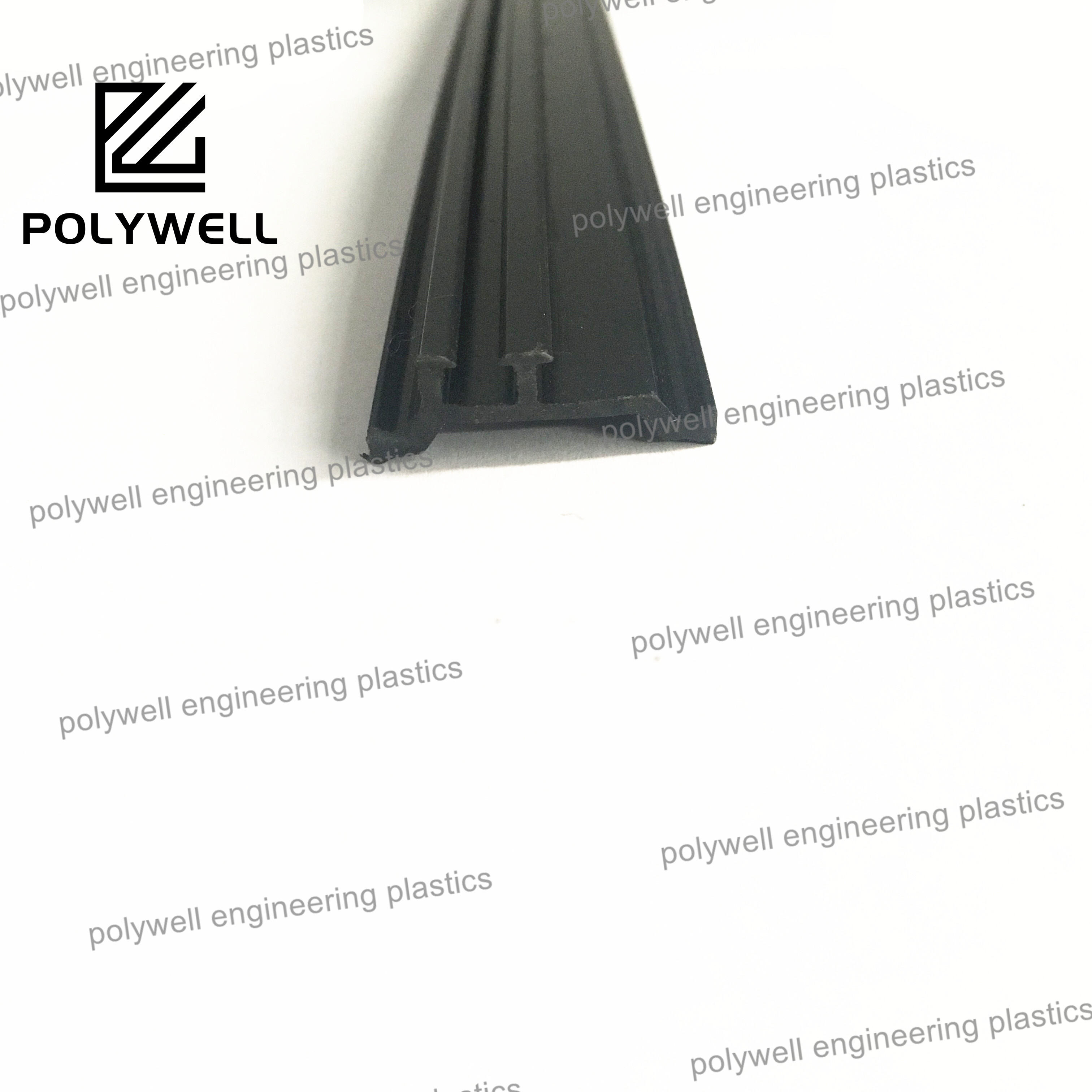
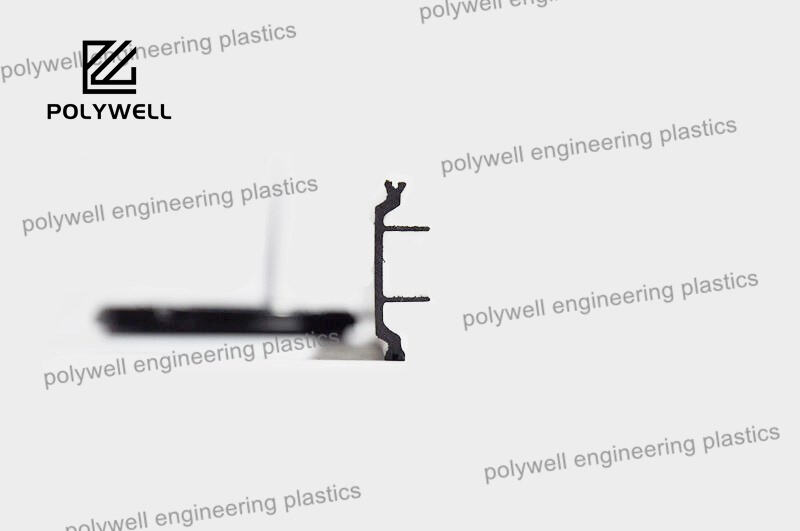
Thermal break aluminum profiles are extruded aluminum sections engineered with an integrated thermal barrier, making them a cornerstone of energy-efficient fenestration and curtain wall systems. Standard aluminum, while strong and durable, is an excellent thermal conductor (~160 W/m·K), making it a significant thermal bridge if it spans from a building's interior to exterior. Thermal break technology solves this by separating the interior and exterior aluminum parts with a structurally sound polymer strip, typically made from polyamide 66 reinforced with glass fibers (25-30%). This strip is mechanically locked into the aluminum extrusions through a process known as "pour and de-bridge," where the aluminum is first extruded with a channel, the thermal polymer is poured in, and then the connecting aluminum web is removed, or via a "roll-in" method for certain systems. The resulting profile exhibits a dramatically reduced U-value, as the conductive path is broken by the low-conductivity polymer (~0.3 W/m·K). These profiles must be rigorously engineered to withstand structural loads, including wind pressure, water infiltration, and operating forces for windows and doors, while maintaining the integrity of the thermal barrier. The polyamide core provides sufficient shear strength to transfer these loads between the inner and outer aluminum halves. The use of these profiles is essential for meeting modern building energy codes, preventing condensation on interior frames, improving occupant comfort, and achieving sustainability certifications. They are ubiquitous in commercial and high-performance residential construction globally, representing a critical fusion of material science and architectural engineering to overcome the inherent thermal limitations of metal framing.

Frequently Asked Questions

Can thermal breaks be used in retrofitting existing aluminum systems?

While primarily designed for new construction, thermal breaks can be incorporated in some retrofit scenarios. This typically involves fabricating new, thermally broken profiles to replace existing ones. The significant energy savings and comfort improvements often justify the investment. Our expertise can guide identifying suitable retrofit opportunities and providing the appropriate strip solutions.

Related Articles

How Do PA66GF25 Granules Enhance Thermal Insulation Performance?

28

Mar

How Do PA66GF25 Granules Enhance Thermal Insulation Performance?

Explore the thermal insulation capabilities of PA66GF25 granules, focusing on the role of glass fiber reinforcement and low thermal conductivity. Learn about their structural stability, comparative performance to standard plastics, and applications in window insulation for energy efficiency.
View More
How Winding Machines Can Improve Thermal Break Strip Production Workflow

28

Jul

How Winding Machines Can Improve Thermal Break Strip Production Workflow

Explore how winding machine automation streamlines thermal break workflows, enhances production efficiency, and reduces labor costs in PA66 GF30 strip production. Discover key benefits like continuous coil processing, precision engineering, and advanced systems for optimal manufacturing.
View More
Selecting the Appropriate Cutting Machine for Precision Thermal Break Strips

10

Jun

Selecting the Appropriate Cutting Machine for Precision Thermal Break Strips

Discover the significance of thermal break strip materials like PA66 GF30 and Nylon 66 GF25 in window insulation, alongside cutting technology advancements. Learn how material properties influence cutting machine selection and explore key technological features for effective thermal break strip production.
View More
Winding Machine Care for Thermal Break Strip Lines

29

Aug

Winding Machine Care for Thermal Break Strip Lines

Maximize efficiency and reduce downtime with expert maintenance tips for winding machines in thermal break strip lines. Ensure peak performance—download your free checklist now.
View More

customer evaluation

Dakota

The dimensional accuracy of these strips ensures a perfect fit into our aluminum profiles. The roll forming process creates a strong, reliable bond between the aluminum and the polyamide. We have full confidence in the structural integrity of the final composite profile.

Get a Free Quote

Our representative will contact you soon.
Email
Name
Company Name
Message
0/1000
Proven Solution for Thermal Bridging

Proven Solution for Thermal Bridging

Our polyamide thermal breaks are engineered to effectively solve the problem of thermal bridging in aluminum profiles By inserting our high strength low conductivity strip we create a continuous thermal barrier that drastically reduces heat flow between the interior and exterior This results in significantly improved energy efficiency for buildings elimination of cold spots and interior condensation and enhanced overall occupant comfort making it an essential component for modern sustainable construction
Superior Structural Integrity

Superior Structural Integrity

Beyond insulation our thermal breaks are designed as critical structural components They are made from robust PA66 GF25 to provide exceptional mechanical strength and stability This ensures the insulated aluminum profile can withstand significant wind loads support the weight of large glass panes and endure daily operational stresses without compromising the safety or functionality of the window door or curtain wall system
Enhanced Acoustic Insulation Properties

Enhanced Acoustic Insulation Properties

Our thermal break strips contribute to improved acoustic insulation by dampening vibrations and reducing sound transmission through the aluminum frame The polyamide material acts as a break in the sound path helping to create a quieter and more peaceful indoor environment by mitigating external noise pollution This added benefit is increasingly valued for residential and commercial buildings in urban or high noise areas
Inquiry Inquiry Email Email WhatsApp WhatsApp Wechat Wechat
Wechat
TopTop

Related Search