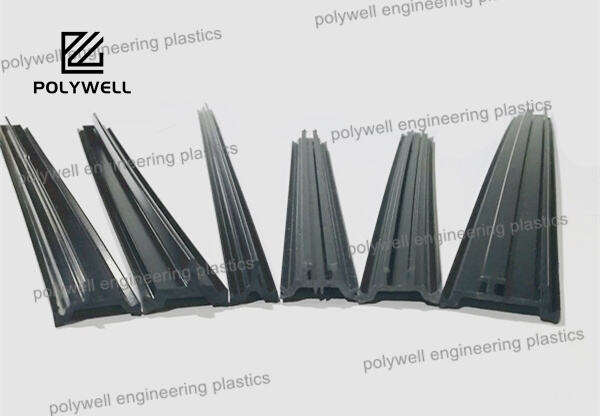
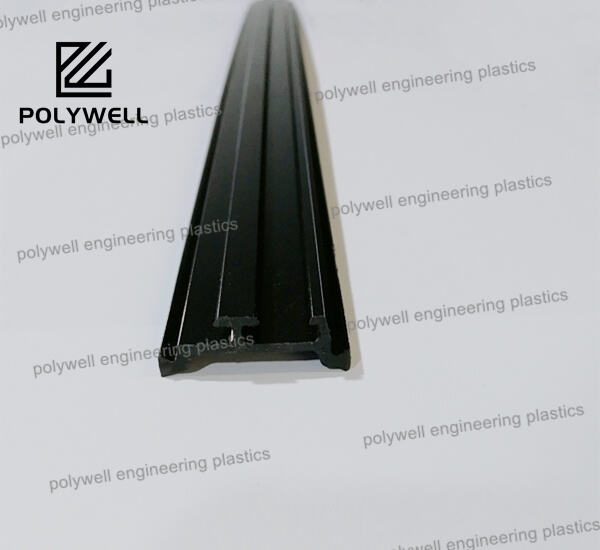
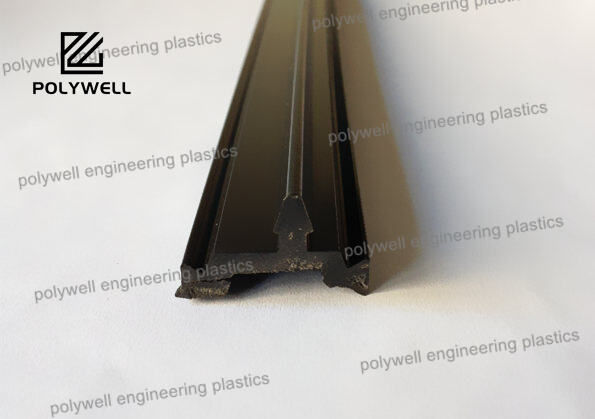
POLYWELL Insulation Break: Polyamide Thermal Break Strips & Full Production Support
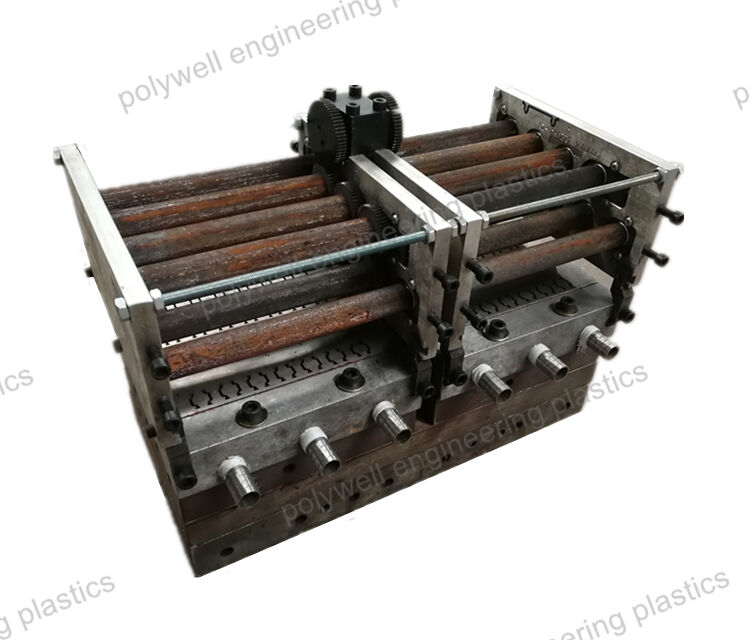
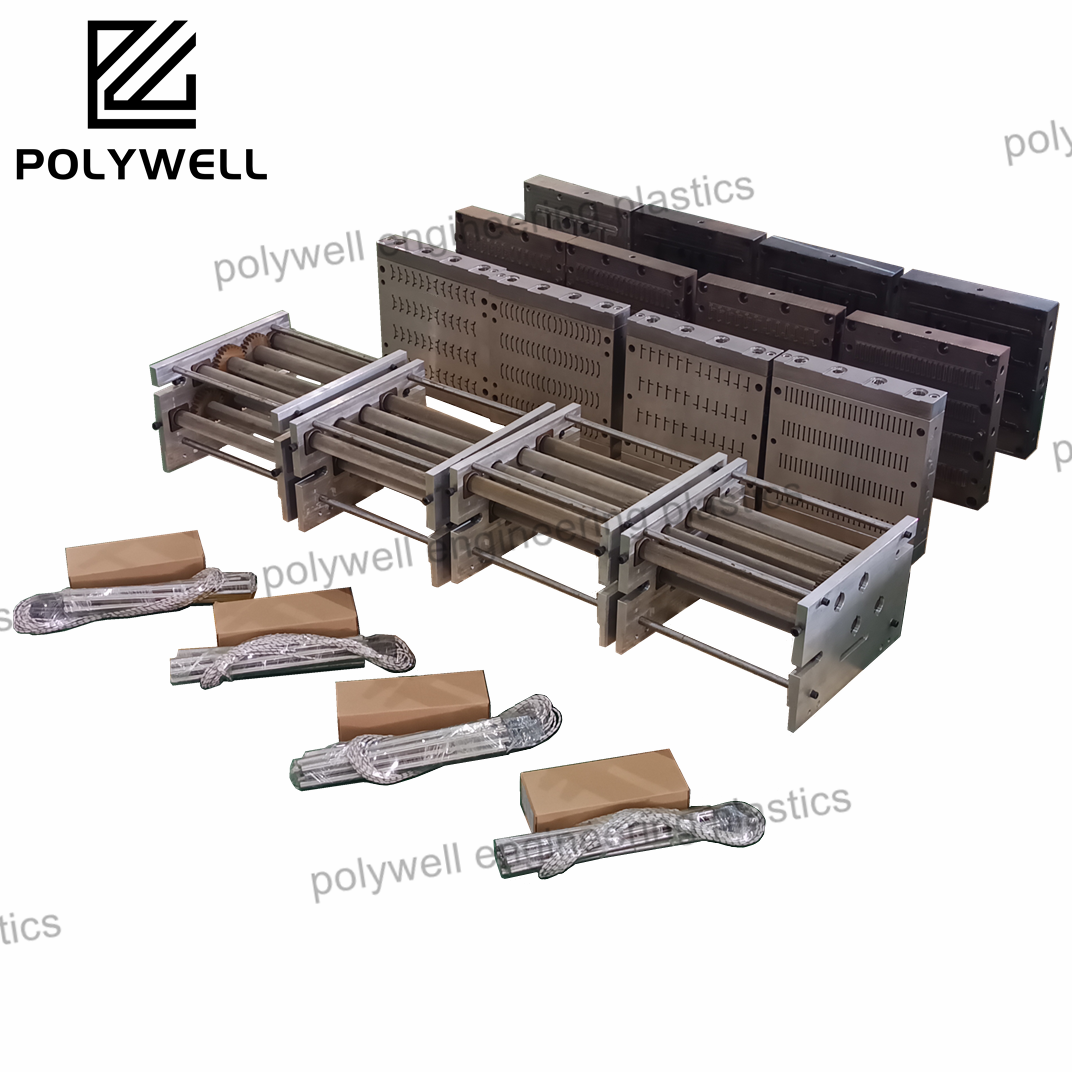
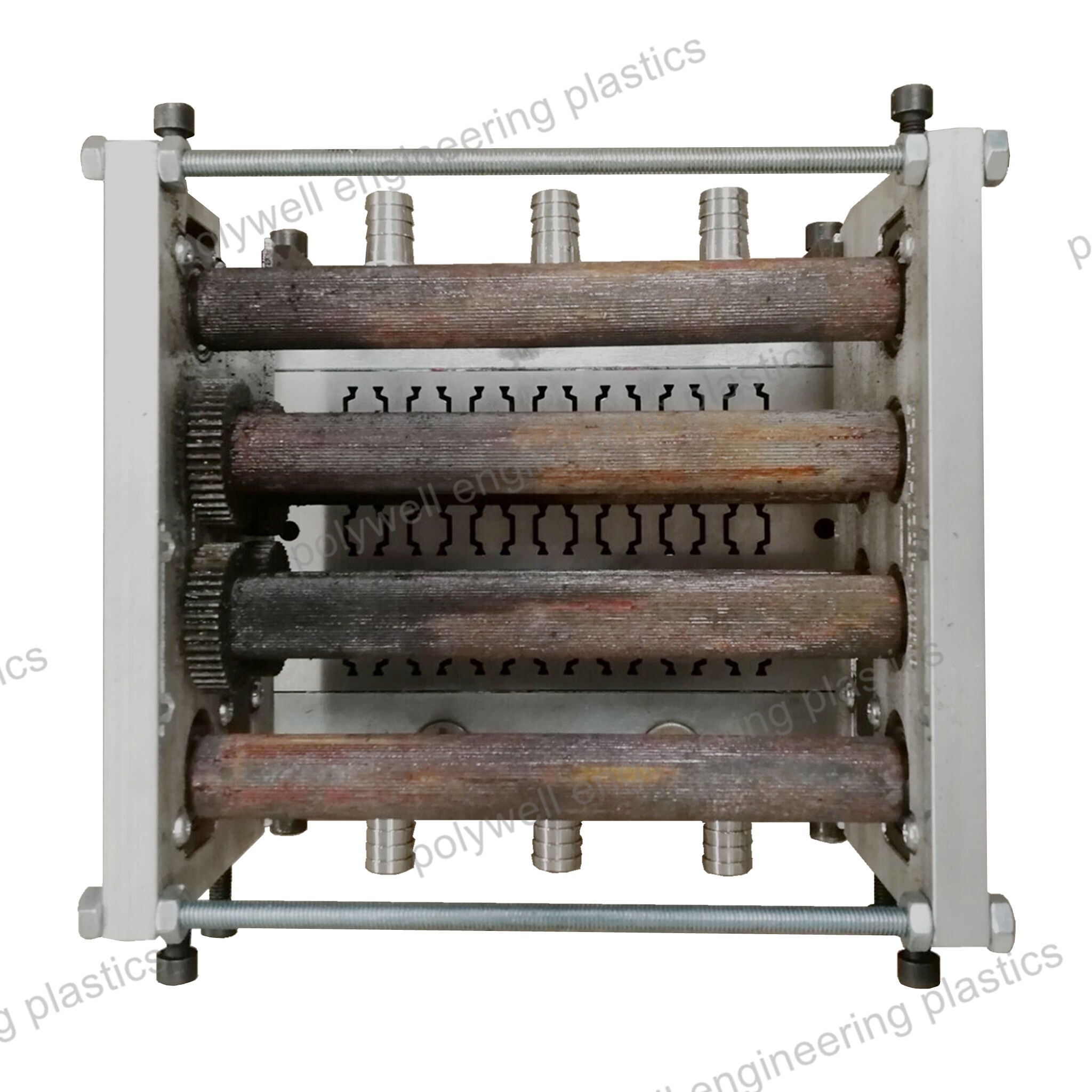
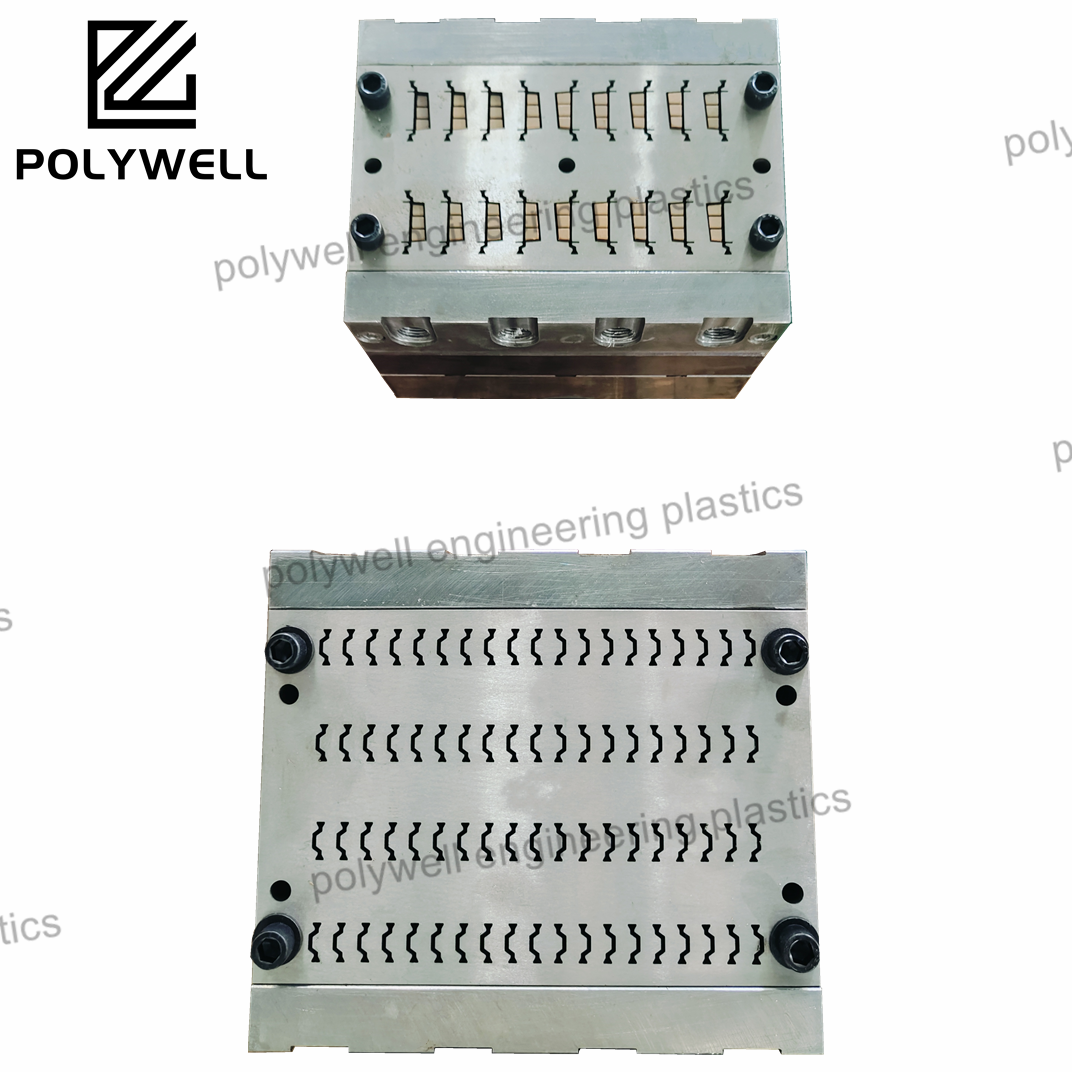
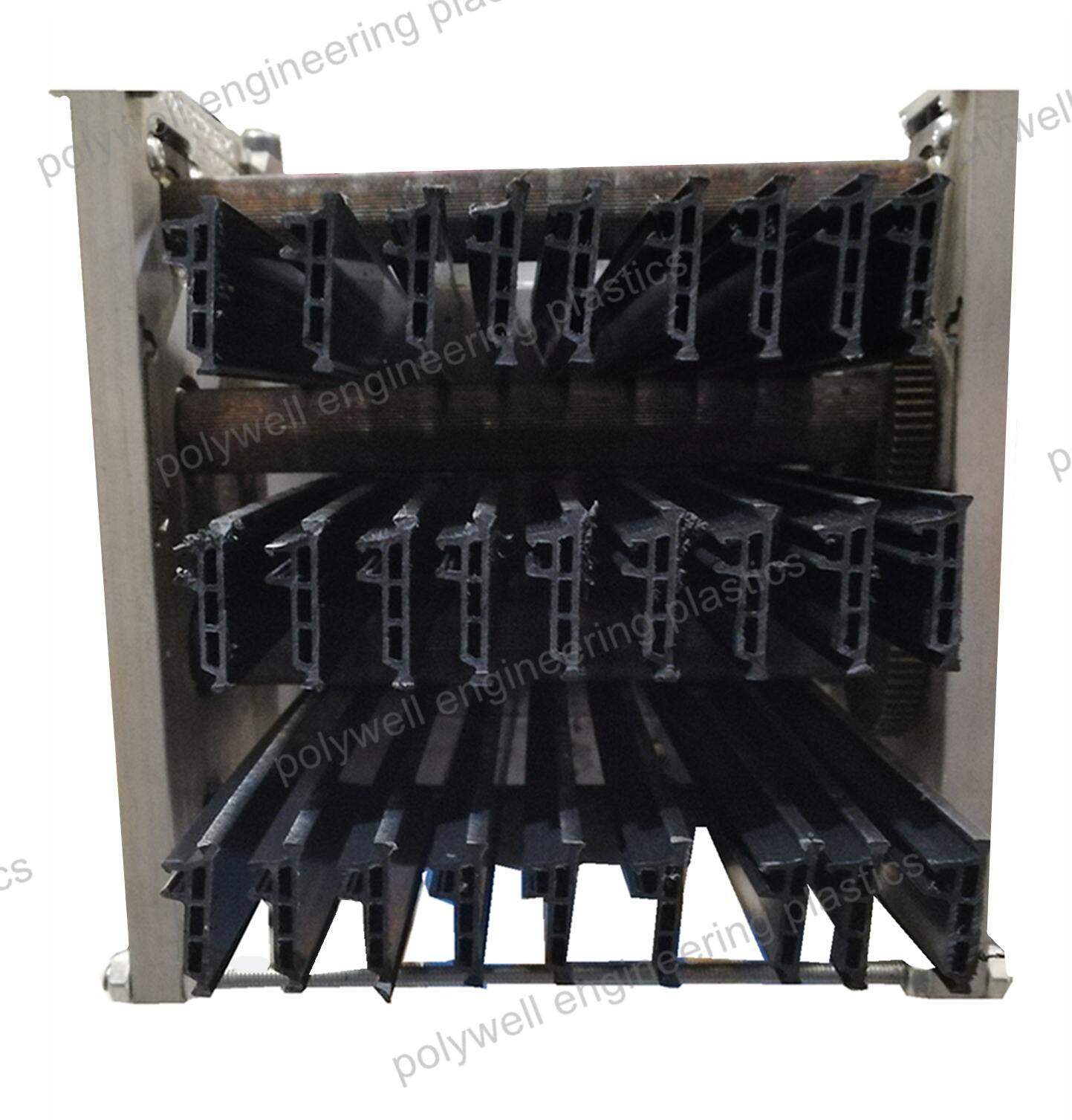
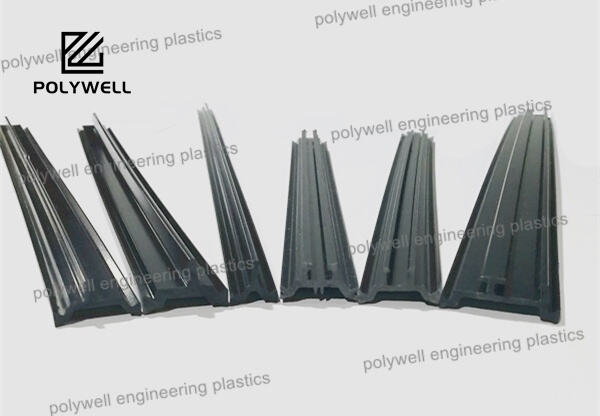
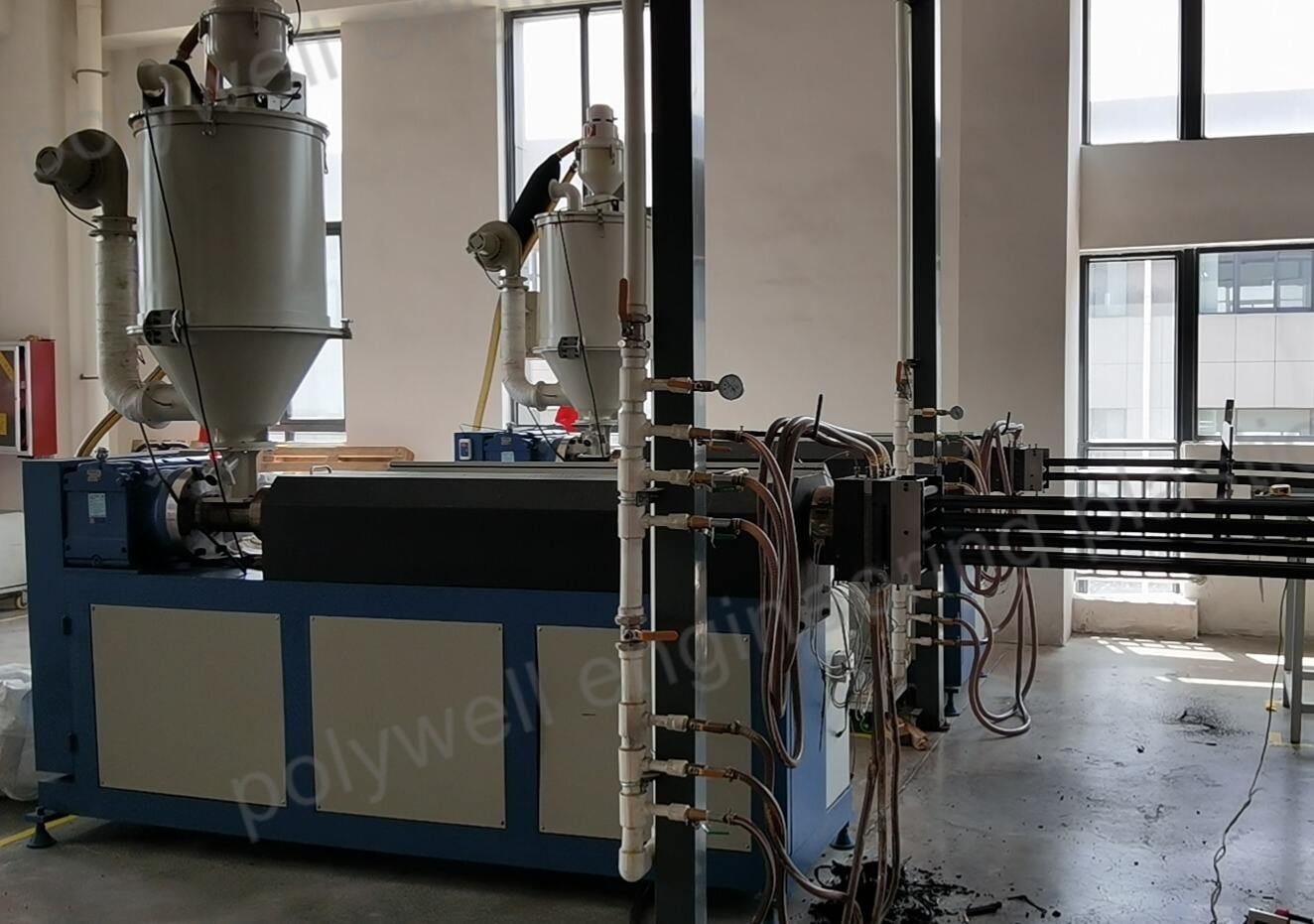
This page from POLYWELL addresses insulation break solutions, focusing on polyamide thermal break strips to prevent or resolve insulation break issues, supported by 15+ years of experience. It offers all components needed to combat insulation break: high quality polyamide strip raw materials, specialized extruders, precision molds, and finished strips. The content includes technical guidance (e.g., optimizing processing to enhance strip performance against insulation break) and DFM services to predict production risks. On site service solves factory challenges related to insulation break, while client feedback (e.g., Ms. Özge’s successful granule processing) confirms effective solutions. The 6 step cooperation process (drawing upload → quote → mold design → production → shipping) ensures clients access reliable insulation break solutions seamlessly.
Get A Quote

 EN
EN