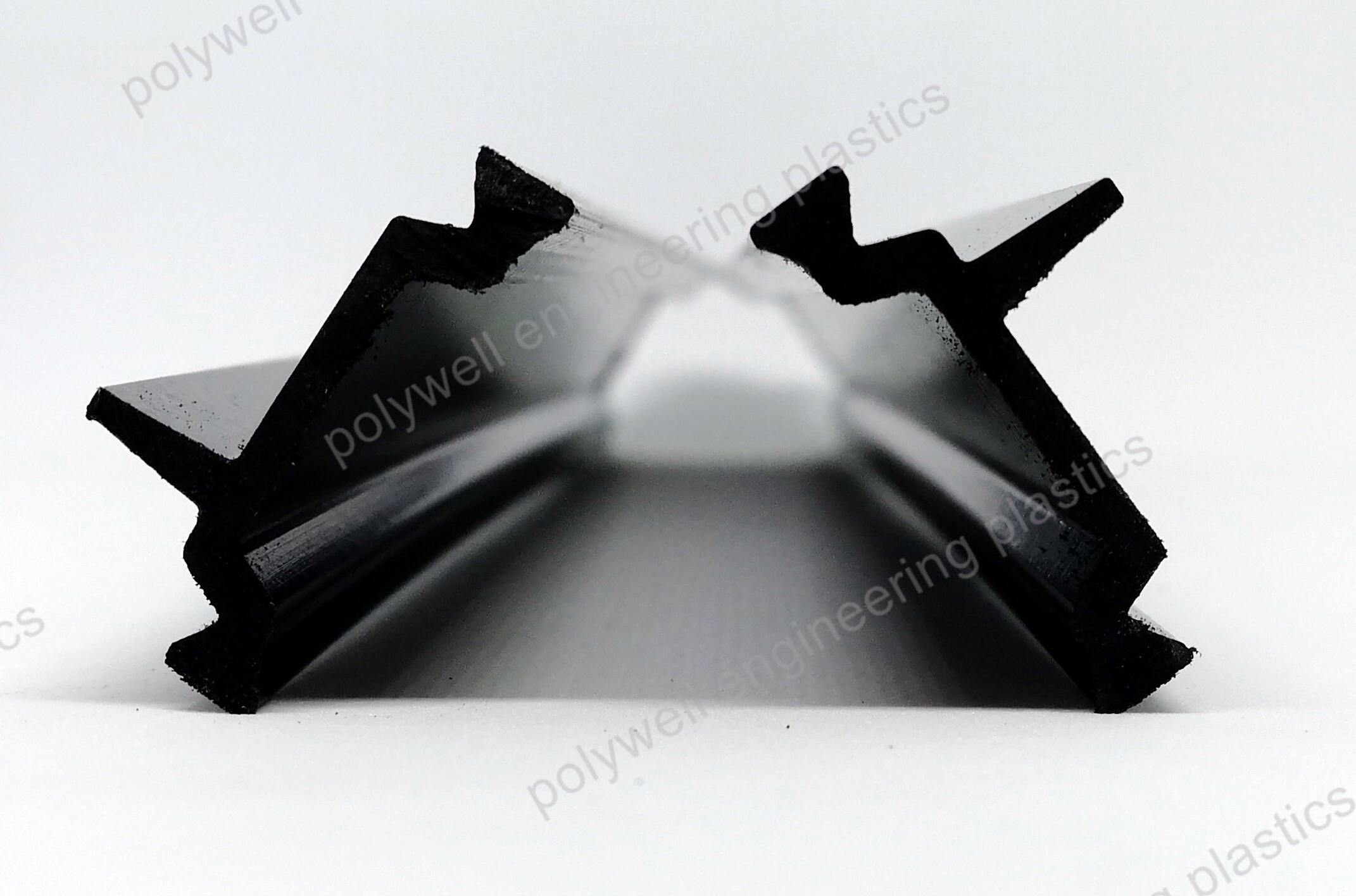
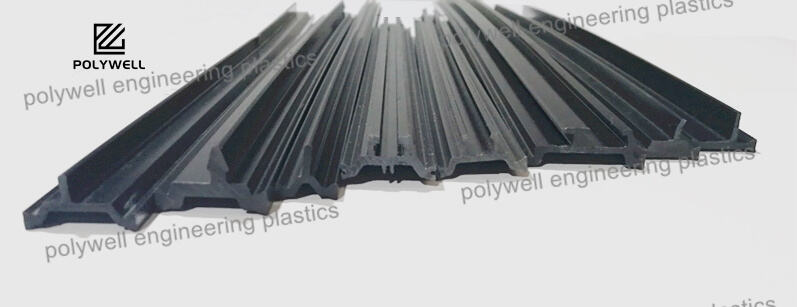
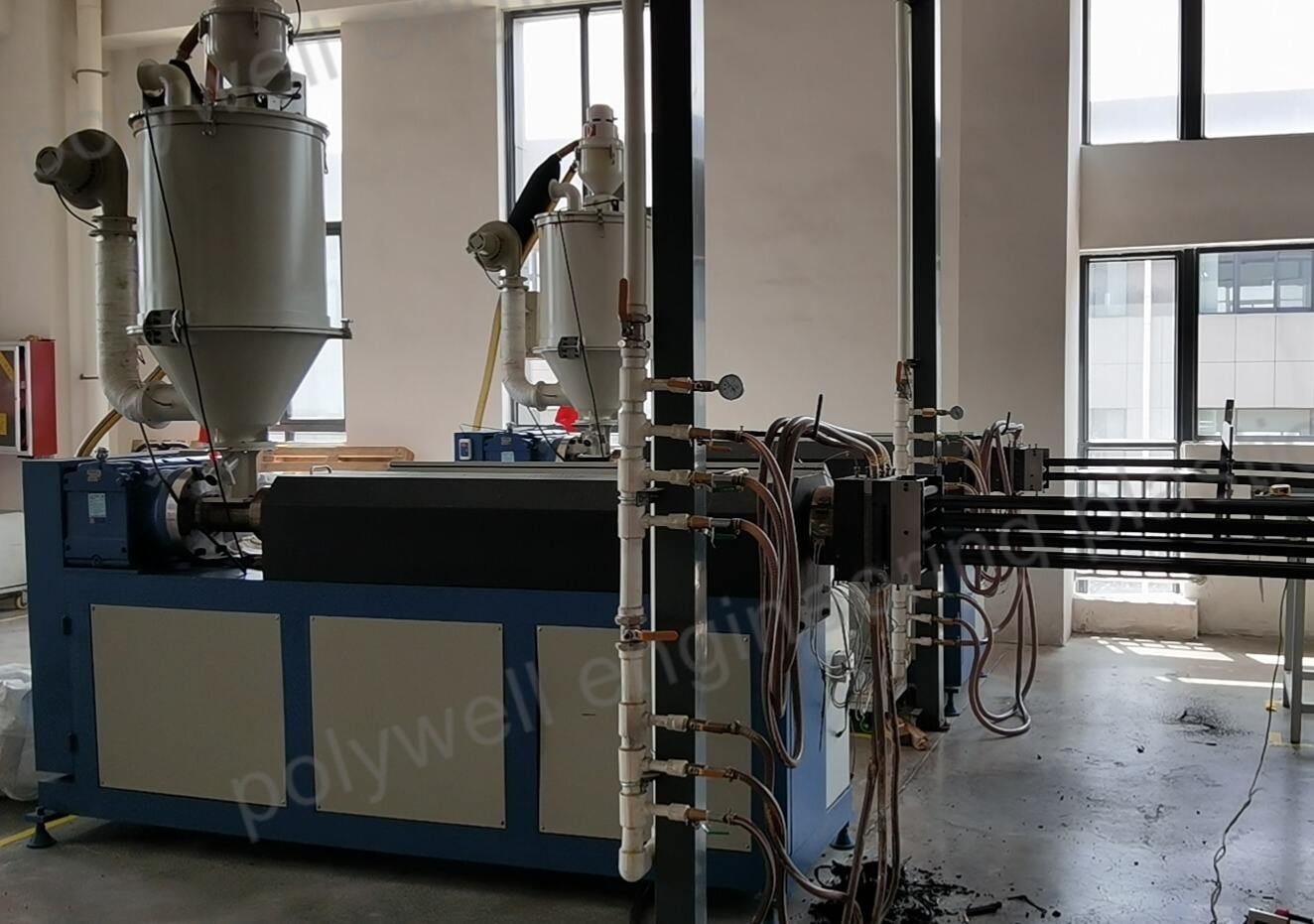
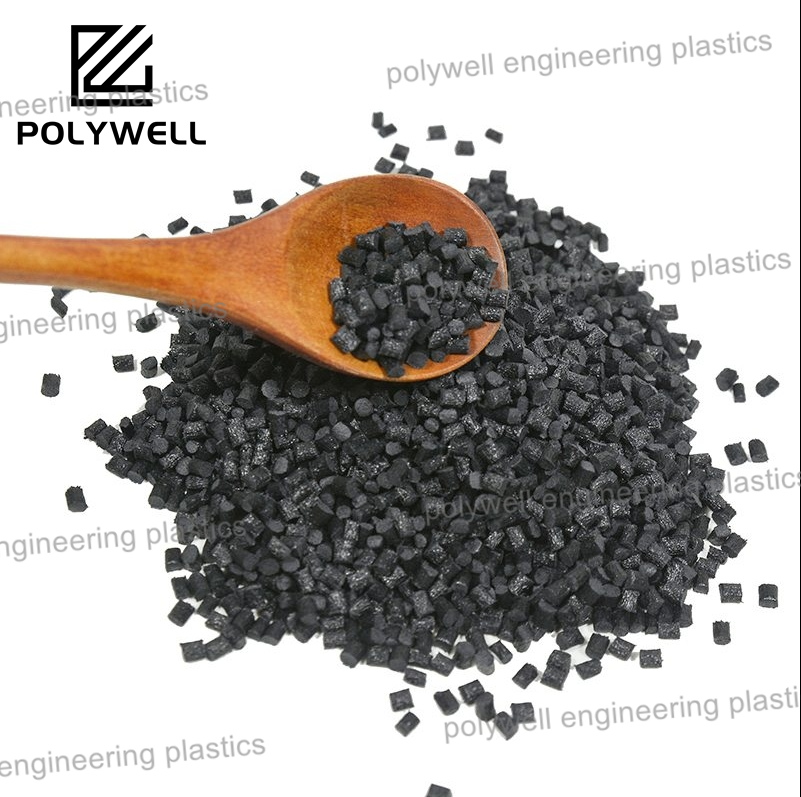
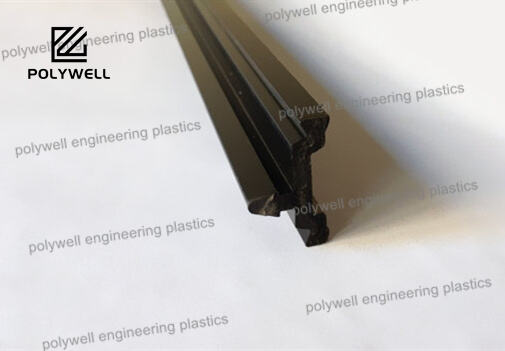
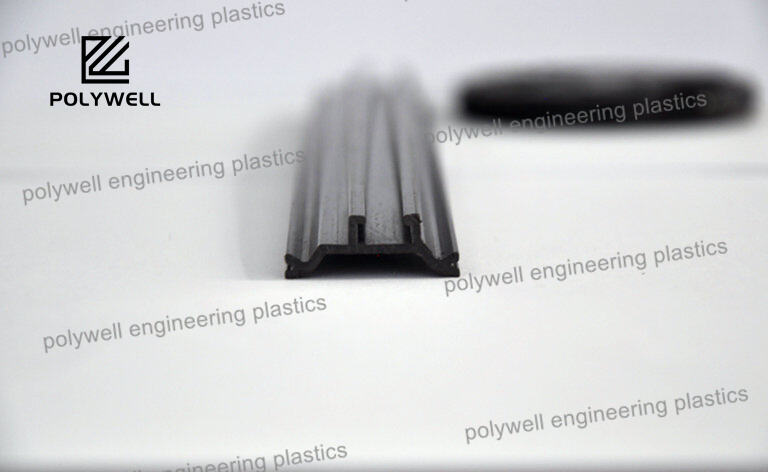
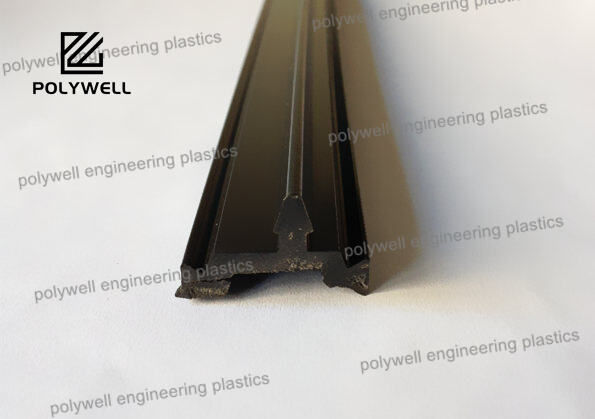
The term "thermally broken" describes a construction principle and the resulting state of a building component, most notably a metal window, door, or structural element, where the inherent thermal bridge has been intentionally interrupted by a material of low thermal conductivity. In a thermally broken aluminum profile, for instance, the continuous path for heat flow between the interior and exterior is severed by a permanently bonded, high-strength polymer thermal break. This is not merely an added insulation layer but an integral part of the profile's design and structure. The primary objective of a thermally broken system is to significantly improve thermal performance, which is measured by a lower U-value for the center-of-glass, frame, and overall unit. This leads to substantial reductions in heating and cooling energy consumption, lowers the risk of condensation forming on the interior frame surfaces—thereby preventing mold growth and material degradation—and enhances occupant comfort by maintaining interior surface temperatures closer to the room air temperature. The technology is essential in all climates, from cold regions where it minimizes heat loss to hot climates where it reduces unwanted heat gain. The engineering behind a thermally broken assembly is complex; the thermal break material, typically a glass-filled polyamide, must possess sufficient mechanical strength to transfer wind loads, operating forces, and structural stresses between the inner and outer metal halves while maintaining its insulating properties over the product's lifespan. Achieving a certified thermally broken status, such as per EN 14024, requires rigorous testing and validation. This design philosophy is now a fundamental requirement in energy-efficient building codes worldwide and a prerequisite for green building certifications, representing a critical evolution in building envelope technology that reconciles the desirable structural properties of metals with the imperative of energy conservation.