POLYWELL PA Profile: Polyamide Profile Production Support with 15+ Years of Expertise
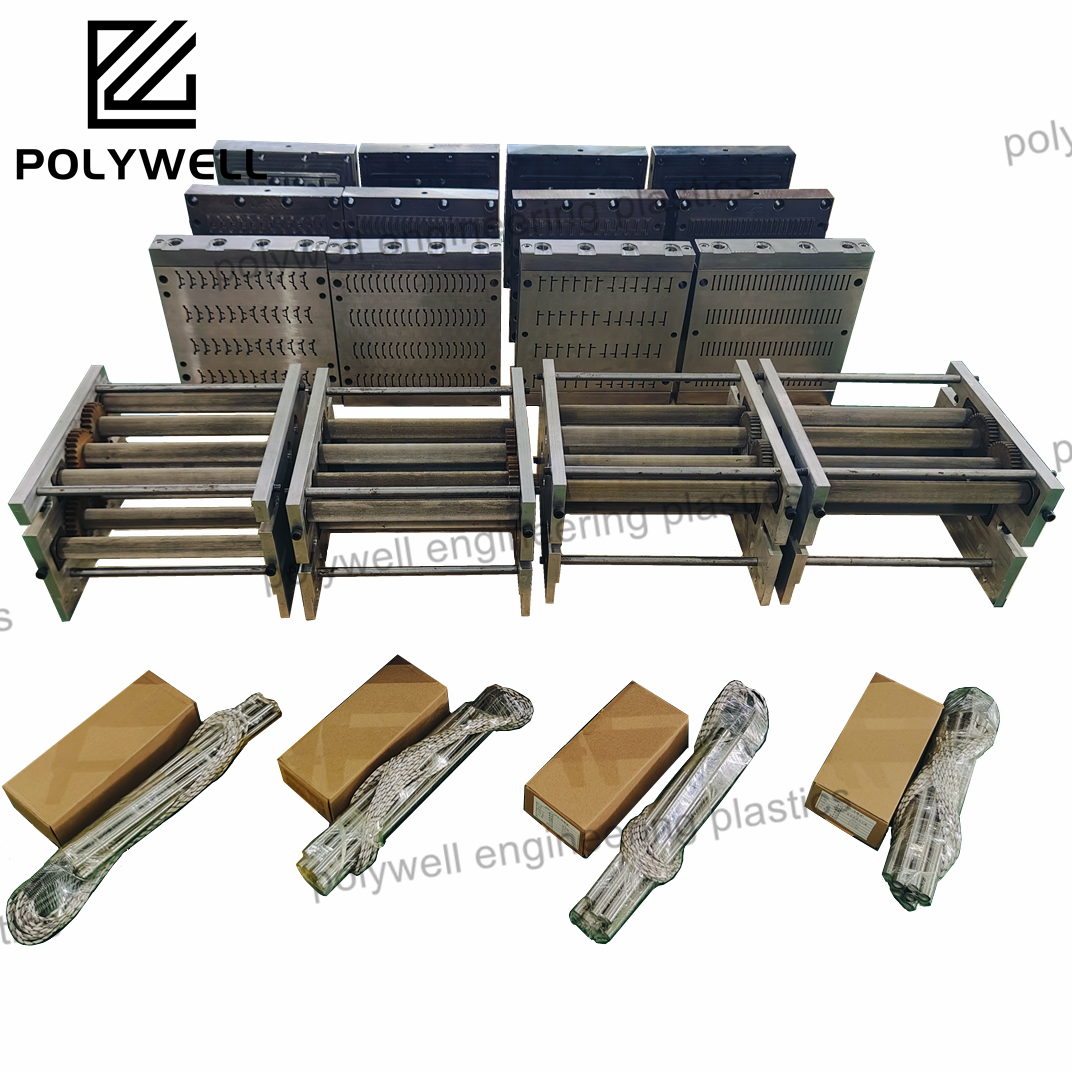
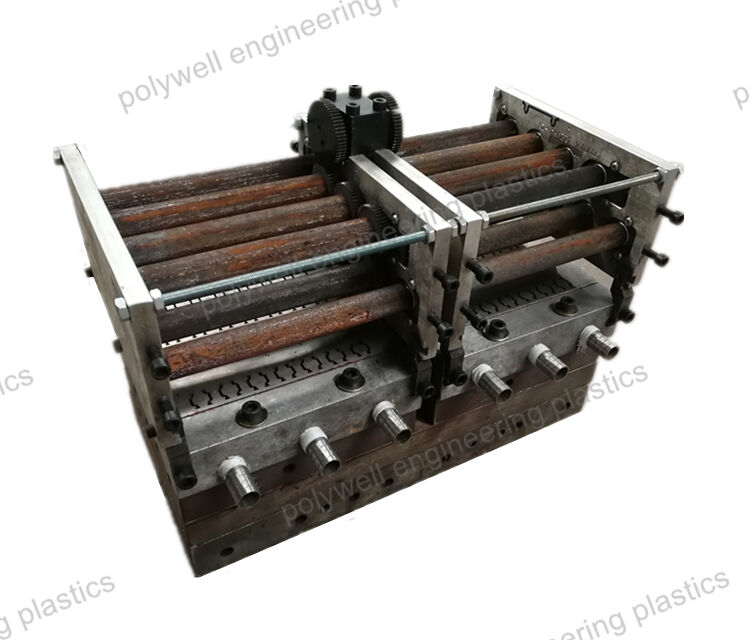
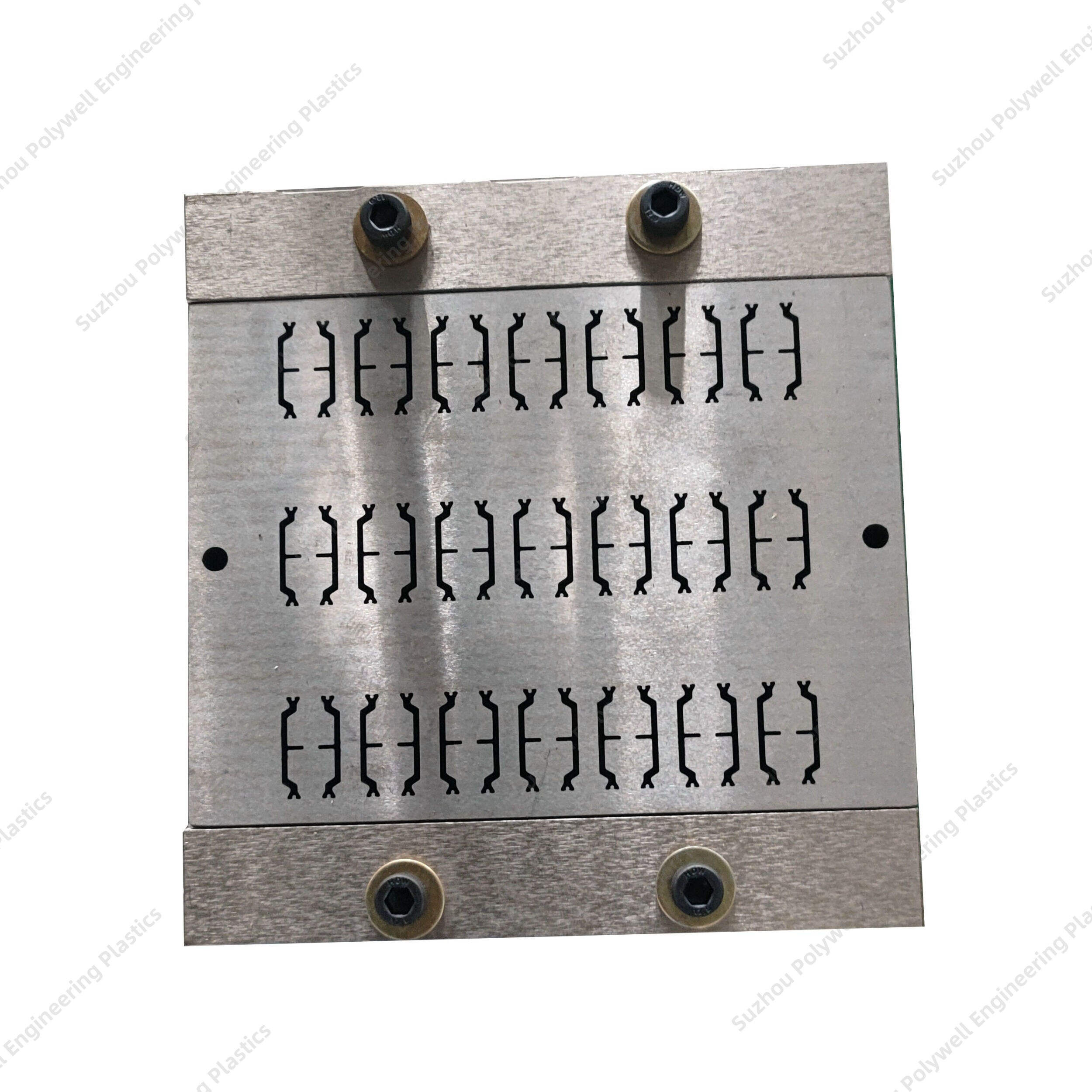
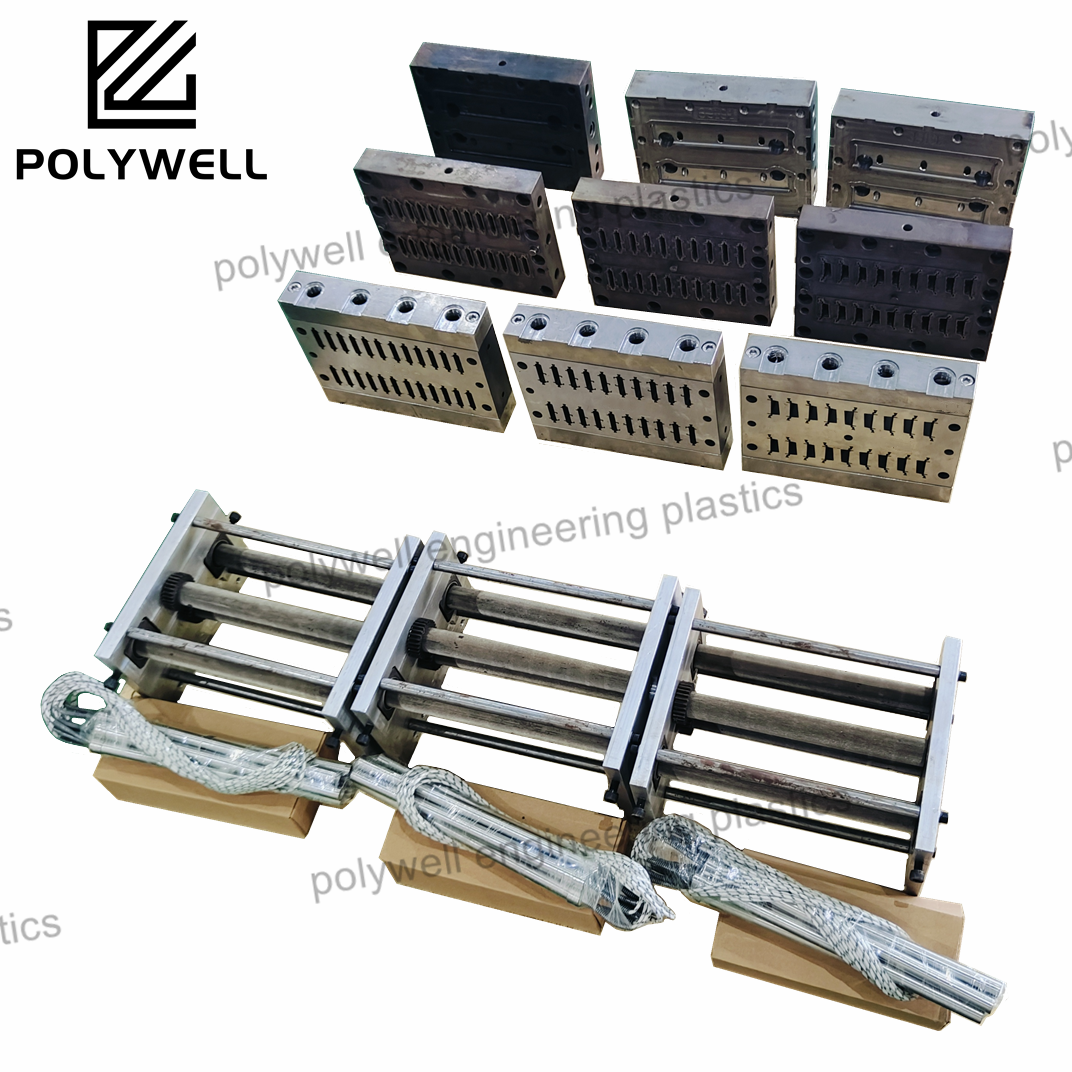
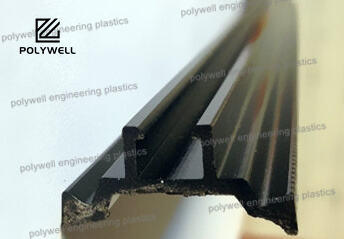
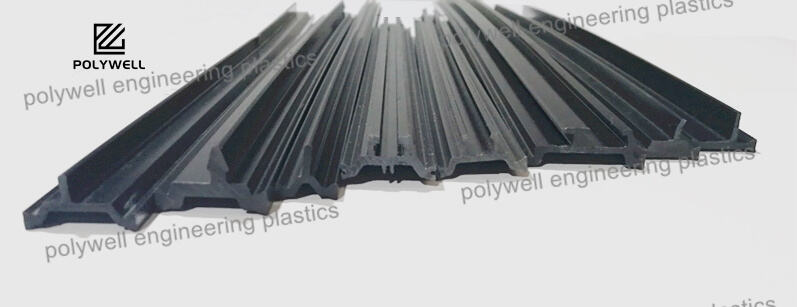
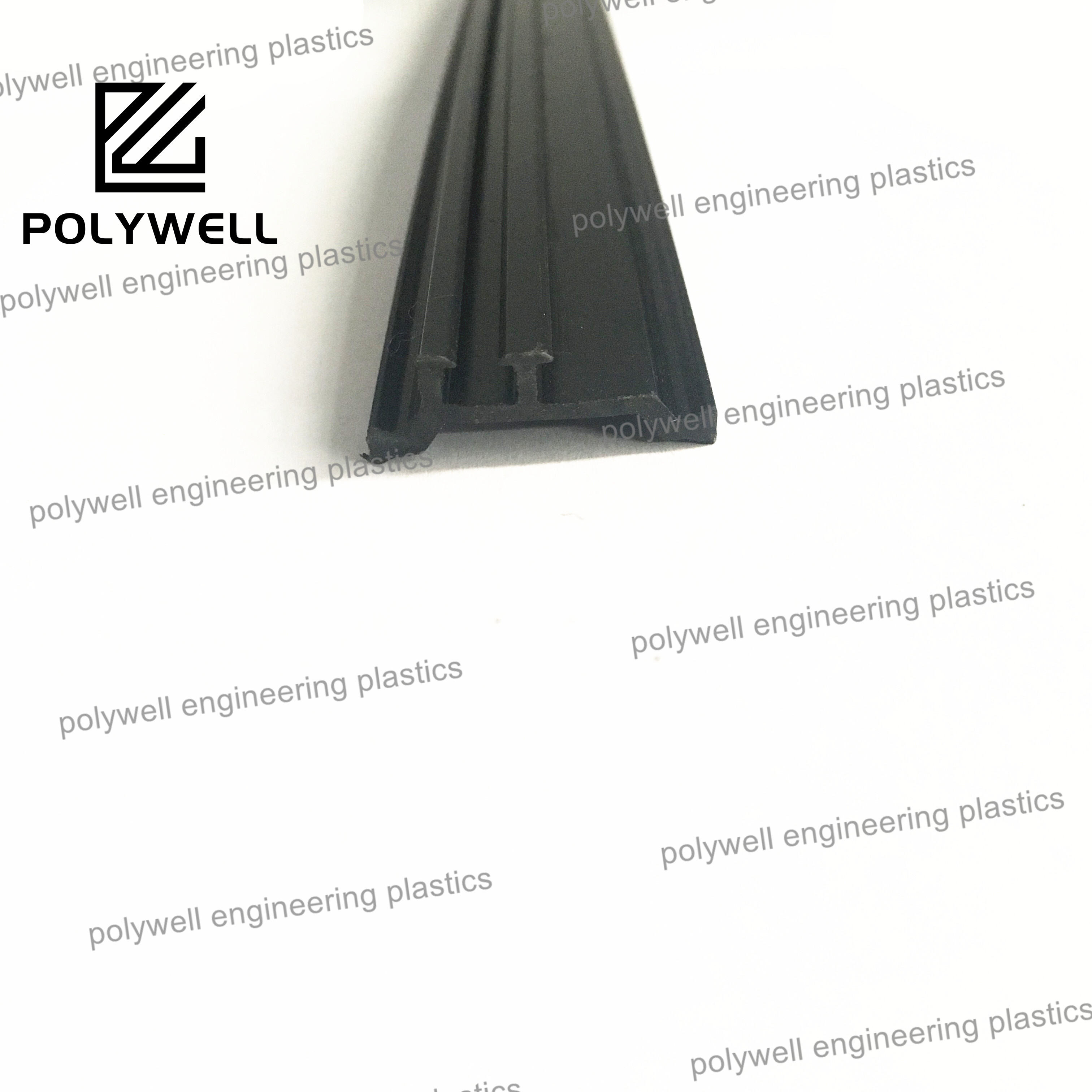
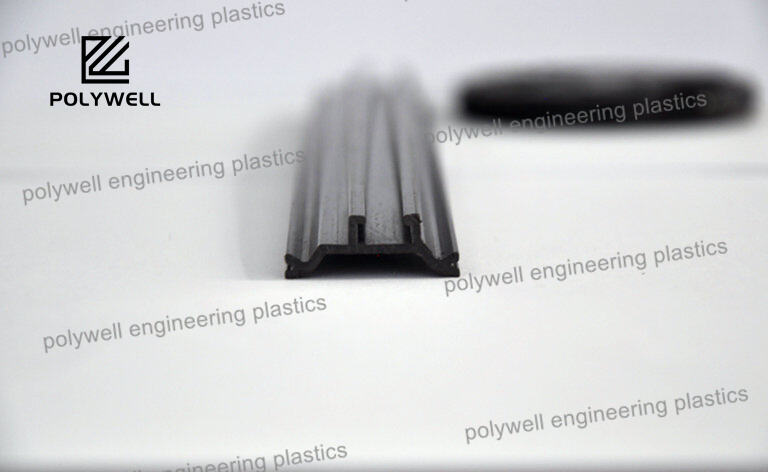
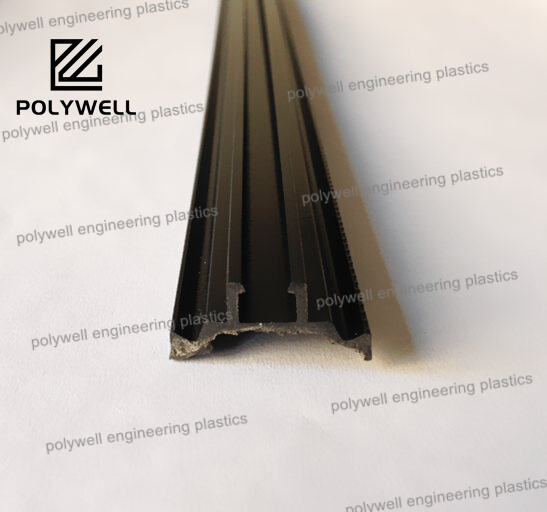
This page belongs to POLYWELL, a provider with 15+ years of experience in supporting PA (polyamide) profile manufacturing. It offers end to end solutions for PA profiles: raw materials for polyamide strips (the core of PA profiles), specialized extruders for PA profile extrusion, precision molds, and other production line equipment. The content includes professional technical support—such as guiding temperature adjustments for PA profile processing (as Ms. Özge successfully applied to granules) and lifelong worker training. It also provides Design for Manufacturing (DFM) services to predict risks in PA profile production and on site service to solve factory issues. Client testimonials (e.g., Mr. Paolo Celani praising precise dies) confirm reliability, and the 6 step cooperation process (drawing upload → quote → mold design → production → shipping) ensures seamless PA profile production support for manufacturers.
Get A Quote
 EN
EN