Thermal Break Material: Polyamide Strips for Energy-Efficient Construction

All Categories

POLYWELL Thermal Break Material: Polyamide Thermal Break Strips & Expert Support

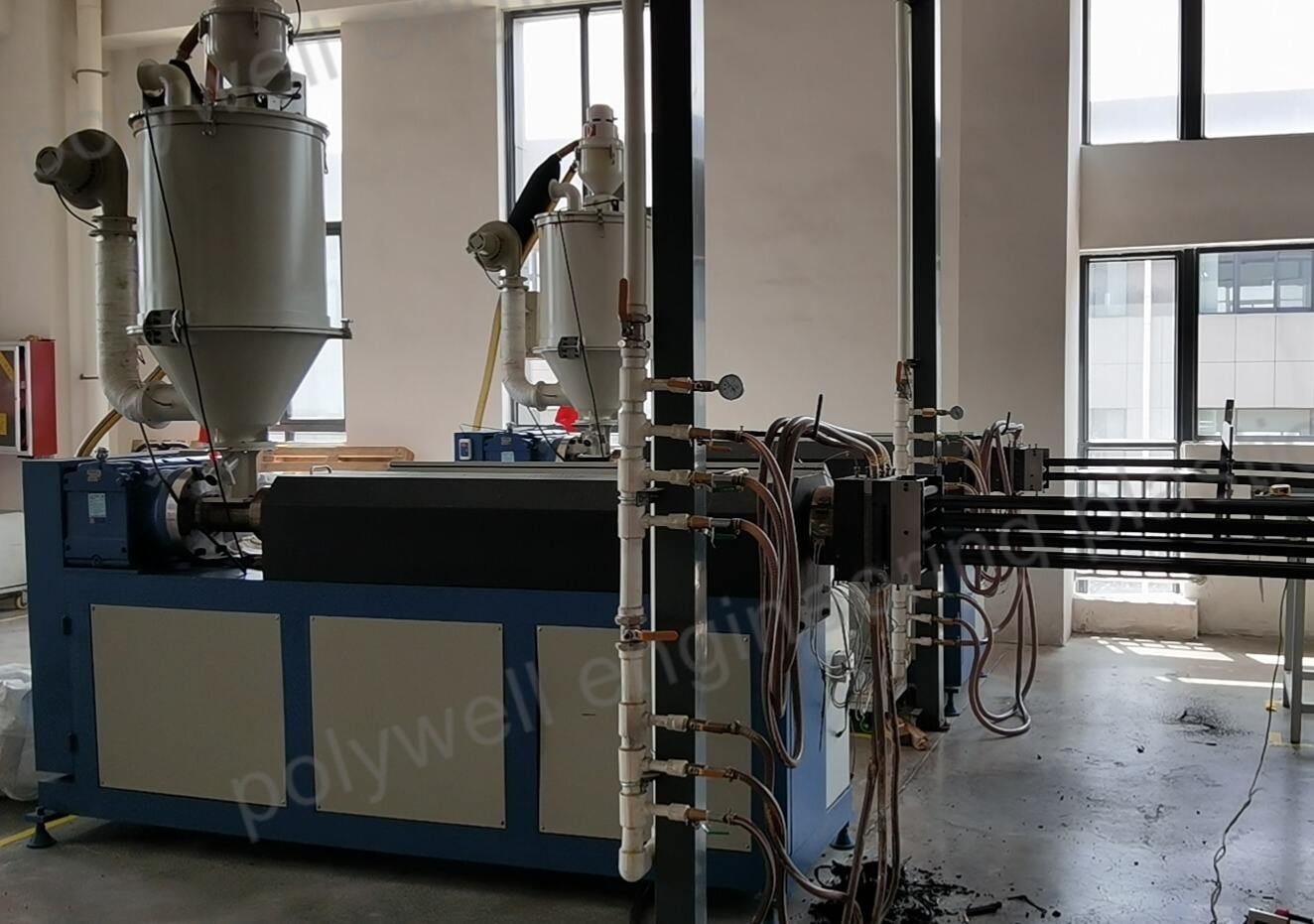
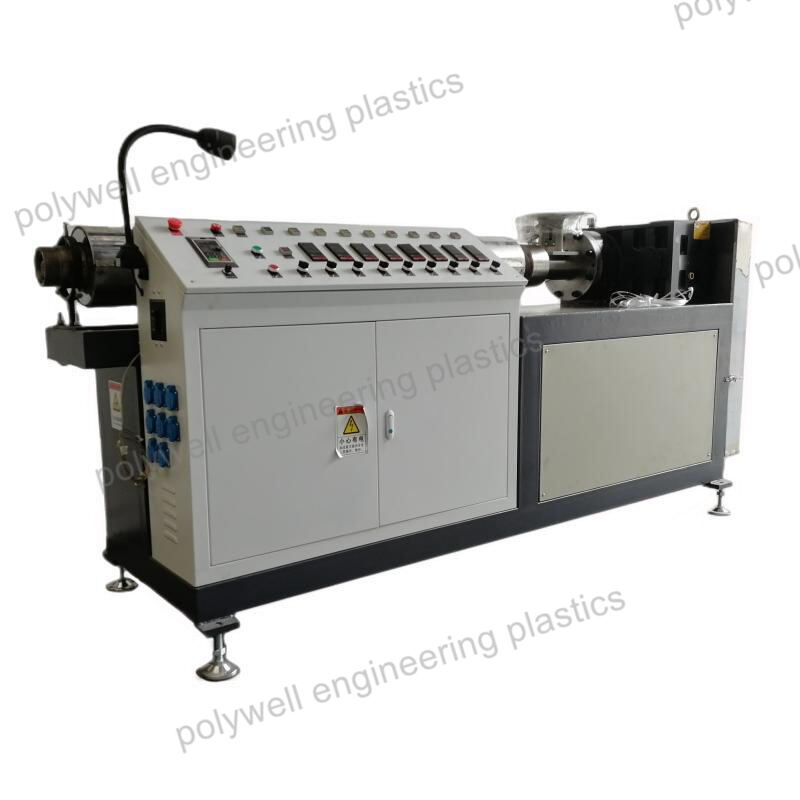
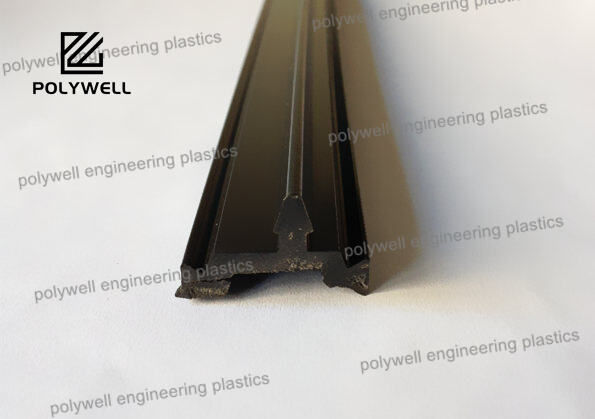
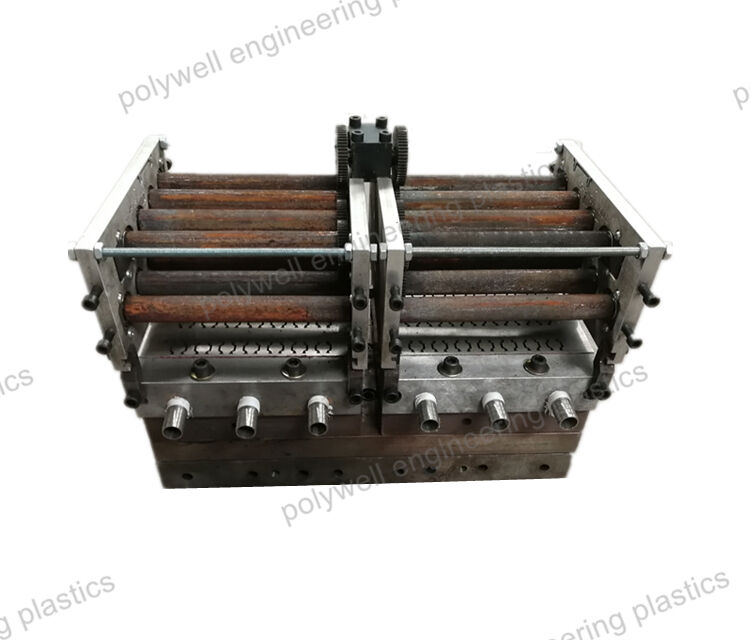
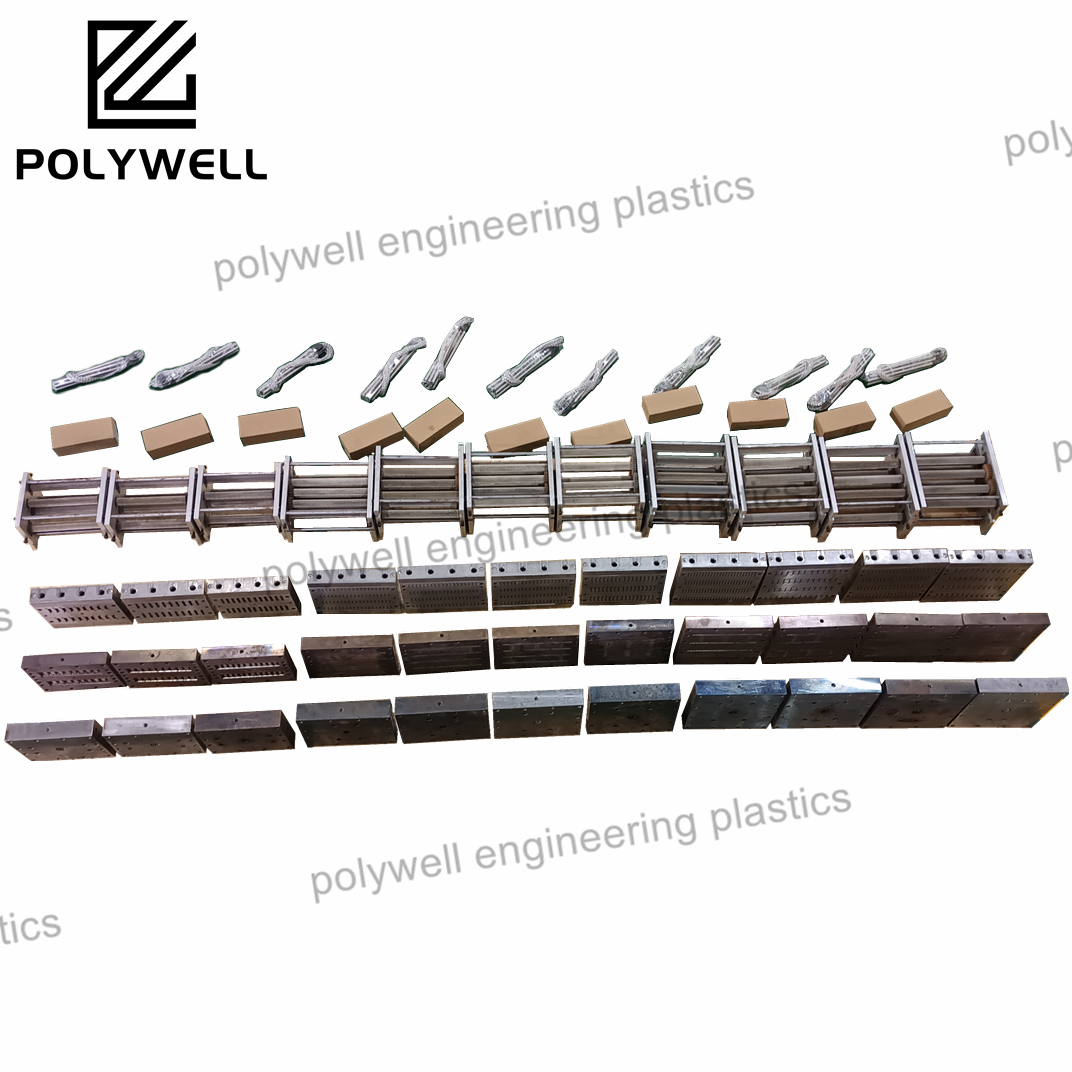
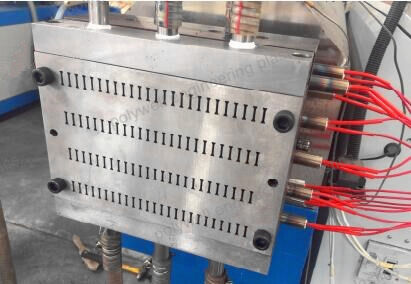
This page showcases POLYWELL’s thermal break material—primarily polyamide thermal break strips—backed by 15+ years of experience in developing and supplying high quality thermal insulation materials. It offers not only the thermal break material (polyamide strips) but also full production support: raw materials for manufacturing the material, specialized extruders, precision molds, and production technology guidance. The content includes DFM services to ensure the thermal break material meets performance standards and on site service to resolve material processing issues. Lifelong technical training helps clients master material handling, and client testimonials (e.g., Ms. Özge achieving good results with granule processing) confirm the material’s reliability. The 6 step cooperation process streamlines access to thermal break material for manufacturers and users.
Get A Quote

Advantages of the product

Durable and Corrosion Resistant Barrier

Our thermal breaks are highly durable and resistant to environmental degradation. They are impervious to corrosion, unlike metals, and are unaffected by moisture, salts, and common atmospheric chemicals. This ensures the long term performance and reliability of the insulating barrier, protecting the building's energy efficiency and the integrity of the fenestration products for the entirety of their lifecycle without maintenance.

Related products

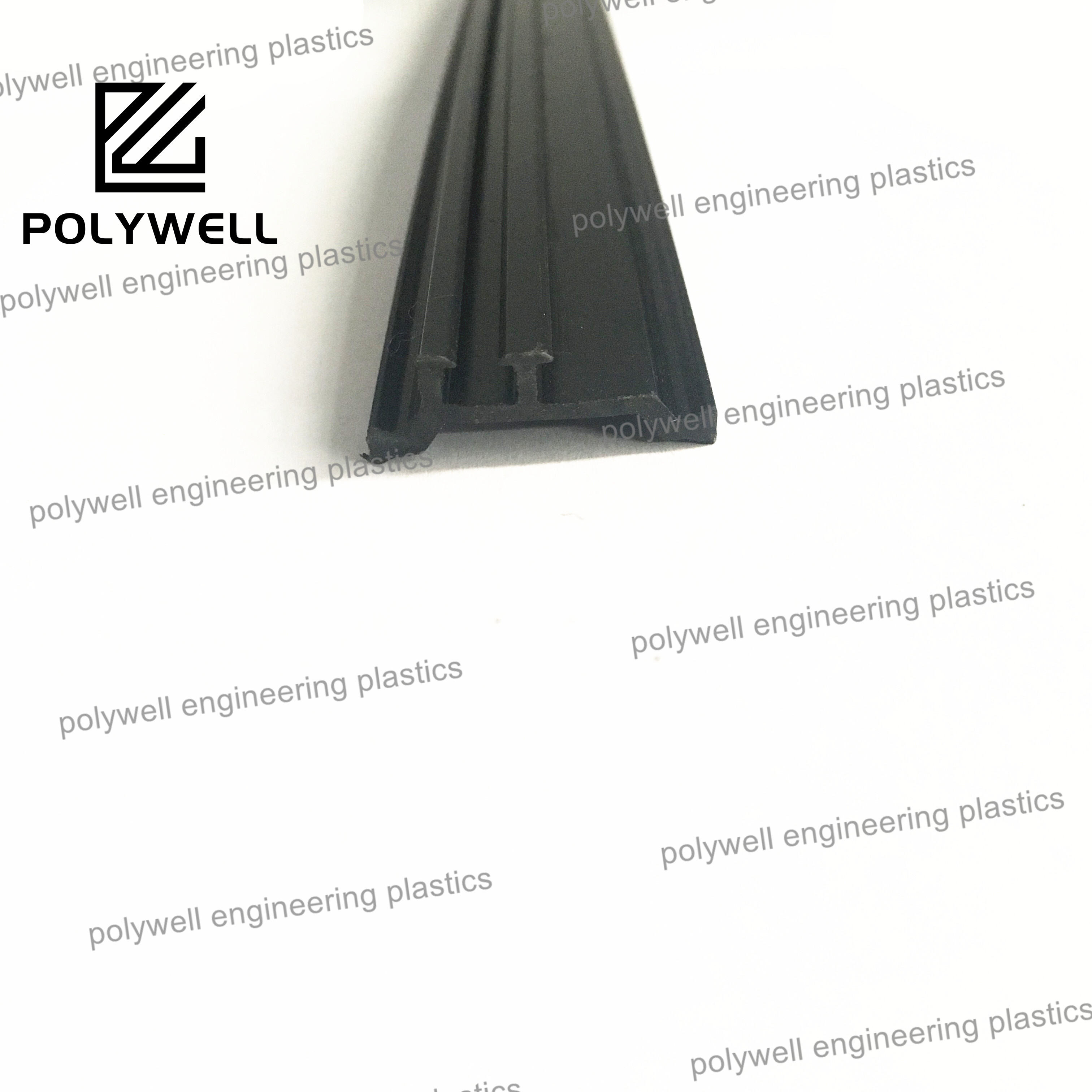
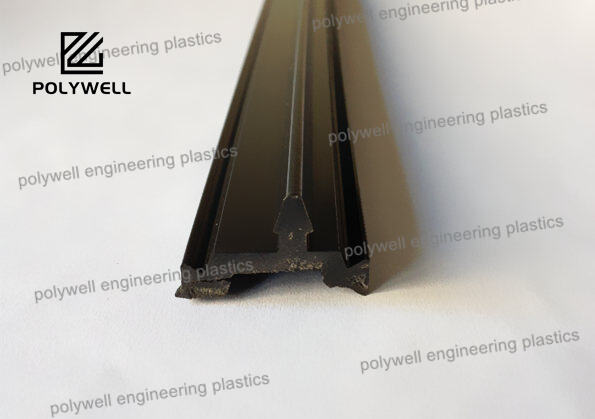
Thermal break material is the substance specifically engineered to provide a barrier of high thermal resistance within an otherwise conductive assembly, fundamentally aimed at mitigating thermal bridging. Its selection is based on a critical balance of properties, where low thermal conductivity must be complemented by sufficient mechanical strength, long-term durability, and processability. While various rigid foams and some thermosets have been used, the industry standard for high-performance applications, particularly in aluminum fenestration and structural thermal breaks, is glass-fiber reinforced polyamide 66 (PA66). This composite material, with glass fiber content typically ranging from 25% to 30%, offers an optimal property set: a thermal conductivity around 0.3 W/m·K, which is orders of magnitude lower than aluminum, combined with high tensile, compressive, and shear strength. This mechanical robustness is non-negotiable, as the material must transfer structural loads between the inner and outer metal sections while resisting creep (cold flow) under constant pressure over decades of service. Furthermore, an effective thermal break material must exhibit excellent thermal stability, with a melting point above 250°C to withstand processing temperatures and a high Heat Deflection Temperature (HDT) to maintain dimensional integrity in real-world conditions. Resistance to environmental factors such as UV radiation (if exposed), moisture, and chemicals like alkalis in concrete or cleaning agents is also essential. The material must be compatible with manufacturing processes like extrusion for strip profiles or casting for the "pour and debridge" method in aluminum windows. Ultimately, the choice of thermal break material directly dictates the energy efficiency, condensation resistance, structural safety, and longevity of the entire assembly, making it a cornerstone of modern sustainable building design and a critical focus of material science in construction.

Frequently Asked Questions

What are the benefits of using a thermal break in curtain walls and facades?

In curtain walls, thermal breaks are vital for energy efficiency on a large scale. They reduce heat loss/gain through the entire building envelope, leading to significant HVAC cost savings. They prevent condensation on interior frames, protecting interior finishes. Furthermore, they improve occupant comfort by eliminating cold radiant surfaces and help the building achieve stringent green building certifications like LEED.

Related Articles

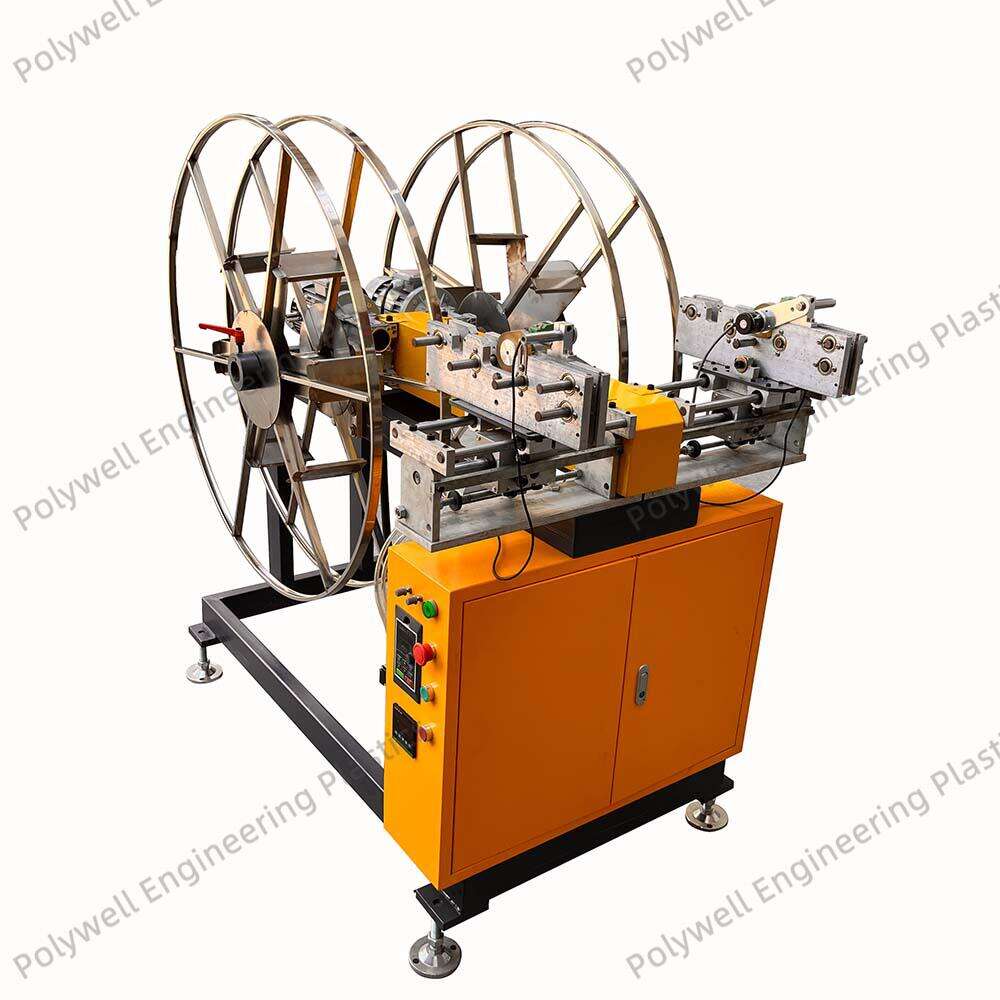
Efficient Winding Machines for Streamlined Thermal Break Strip Handling

28

Mar

Efficient Winding Machines for Streamlined Thermal Break Strip Handling

Discover the significance of efficient winding machines in thermal break strip handling, optimizing insulation quality and production efficiency with innovative materials like PA66GF25 granules and recycled PA66.
View More
How to Maintain and Optimize Your Extrusion Mold for Long-Term Use

10

Jun

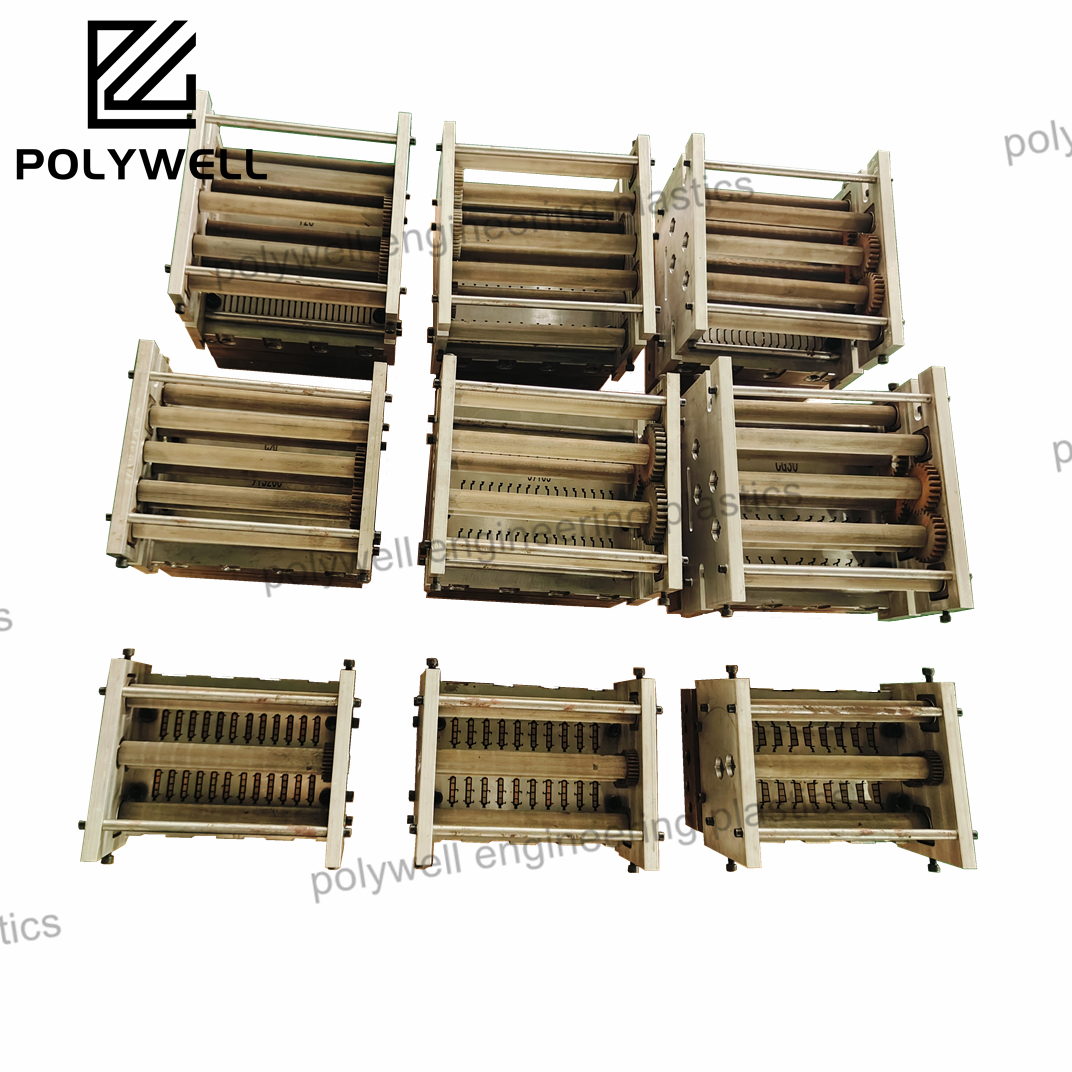
How to Maintain and Optimize Your Extrusion Mold for Long-Term Use

Explore the essential components and maintenance strategies of extrusion mold systems, focusing on extrusion molding technology, die design, and process control for optimized performance and longevity in plastic manufacturing.
View More
How to Choose the Right PA66GF25 Granules for Your Production Needs

10

Jun

How to Choose the Right PA66GF25 Granules for Your Production Needs

Explore PA66GF25 material properties, including tensile and flexural strength, thermal stability, and its advantages in automotive, electrical, and construction applications. Learn how PA66GF25 balances glass fiber content for enhanced performance in extrusion and molding processes.
View More
Single Screw Extruder vs. Twin Screw Extruder: What's the Difference?

10

Jun

Single Screw Extruder vs. Twin Screw Extruder: What's the Difference?

Explore the key differences between single and twin screw extruders, focusing on design, functionality, and application in insulation manufacturing. Learn their benefits in terms of consistency, cost-efficiency, and material compatibility, with FAQs addressing common reader queries.
View More

customer evaluation

Maxwell

Since integrating their thermal break strips, complaints about condensation on our window frames have vanished. The thermal barrier effectively raises the interior surface temperature, improving comfort and indoor air quality. A simple component that makes a huge difference.

Get a Free Quote

Our representative will contact you soon.
Email
Name
Company Name
Message
0/1000
Proven Solution for Thermal Bridging

Proven Solution for Thermal Bridging

Our polyamide thermal breaks are engineered to effectively solve the problem of thermal bridging in aluminum profiles By inserting our high strength low conductivity strip we create a continuous thermal barrier that drastically reduces heat flow between the interior and exterior This results in significantly improved energy efficiency for buildings elimination of cold spots and interior condensation and enhanced overall occupant comfort making it an essential component for modern sustainable construction
Superior Structural Integrity

Superior Structural Integrity

Beyond insulation our thermal breaks are designed as critical structural components They are made from robust PA66 GF25 to provide exceptional mechanical strength and stability This ensures the insulated aluminum profile can withstand significant wind loads support the weight of large glass panes and endure daily operational stresses without compromising the safety or functionality of the window door or curtain wall system
Enhanced Acoustic Insulation Properties

Enhanced Acoustic Insulation Properties

Our thermal break strips contribute to improved acoustic insulation by dampening vibrations and reducing sound transmission through the aluminum frame The polyamide material acts as a break in the sound path helping to create a quieter and more peaceful indoor environment by mitigating external noise pollution This added benefit is increasingly valued for residential and commercial buildings in urban or high noise areas
Inquiry Inquiry Email Email WhatsApp WhatsApp Wechat Wechat
Wechat
TopTop

Related Search