Sound & Heat Insulation Solutions: PA66 Thermal Break Strips

All Categories

Professional Sound Heat Insulation Solutions: Materials & Application Guides

This page focuses on professional sound heat insulation solutions, covering materials, design strategies, and application across industries. It details common insulation materials: soundproofing options (e.g., acoustic foam, mass loaded vinyl, rock wool) for reducing noise transmission, and heat insulation materials (e.g., fiberglass, polyurethane foam, aerogel) for maintaining temperature stability. The content explains how to select materials based on performance requirements (e.g., fire resistance, moisture resistance) and application scenarios: building construction (walls, roofs), automotive (vehicle cabins, engine bays), industrial equipment (machinery enclosures), and electronics (device casings).
Get A Quote

Advantages of the product

Maintained Performance Across Temperature Extremes

Our thermal break strips are engineered to retain their mechanical properties and insulating performance across a wide temperature range, from freezing winters to hot summers. The material does not become brittle in the cold or soften excessively in the heat, ensuring the insulation remains effective and the structural integrity of the fenestration product is uncompromised year round, in any climate.

Related products

Sound and heat insulation in plastic components represents a specialized application area where material properties and design principles combine to manage acoustic and thermal energy transfer. The scientific foundation involves understanding multiple mechanisms including sound absorption through viscous dissipation, thermal resistance through reduced conduction, and barrier effects through reflection. Material selection is critical, with options including dense composites for mass-loaded attenuation, porous structures for acoustic absorption, cellular foams for thermal resistance, and viscoelastic compounds for damping vibrations. Polymeric materials like polyurethane foams, melamine resins, and fiber-reinforced composites offer unique combinations of properties that can be engineered for specific insulation requirements. Design approaches for sound insulation often incorporate mass-spring systems where heavy layers separated by compliant elements create transmission loss, while geometric considerations include labyrinthine paths that dissipate acoustic energy. Thermal insulation designs utilize trapped air pockets in foam structures or vacuum panels to minimize heat transfer through conduction and convection. Advanced composite materials combine multiple functionality, such as phase-change materials that absorb thermal energy during transition or non-Newtonian fluids that provide variable damping characteristics. Manufacturing processes like injection molding with gas assist create hollow sections that improve insulation, while co-injection molding allows different materials in a single component. Applications span diverse industries including automotive for engine compartment insulation, construction for building efficiency, appliances for energy conservation, and industrial equipment for noise control. Performance evaluation employs standardized testing methods for sound transmission loss, noise reduction coefficient, and thermal resistance values. Successful insulation design requires balancing acoustic/thermal performance with other requirements including structural integrity, weight constraints, fire resistance, and environmental durability. The integration of insulation properties into plastic components enables multifunctional designs that contribute to energy efficiency, comfort, and regulatory compliance across global markets.

Frequently Asked Questions

How is the heat insulation performance of a thermal break strip measured?

The performance is primarily measured by the U value (or R value) of the final window or door assembly. The U value quantifies the rate of heat loss; a lower U value indicates better insulation. The thermal break strip's contribution is its low thermal conductivity and the length of the insulation path it creates. We engineer our strips to maximize this path and minimize conductivity, directly leading to lower, more efficient U values for the fenestration product.

Related Articles

Help you analyze potential risk that may arise

30

Dec

Help you analyze potential risk that may arise

POLYWELL offers expert analysis to identify potential risks in your plastic extrusion processes. Our insights ensure the efficient production of thermal break strips and custom profiles, minimizing operational challenges.
View More
Advantages of Using Customized GF25 Reinforced Nylon Granules in Construction Materials

28

Mar

Advantages of Using Customized GF25 Reinforced Nylon Granules in Construction Materials

Discover the benefits and applications of GF25 Reinforced Nylon Granules in construction. Learn how this advanced material enhances durability, thermal resistance, and sustainability, offering innovative solutions for structural components, insulation panels, and more.
View More
Extrusion Mold Design for Thermal Break Strips

21

Aug

Extrusion Mold Design for Thermal Break Strips

Enhance energy efficiency and structural integrity with precision extrusion mold design for thermal break strips. Discover key design principles that reduce thermal conductivity and improve building performance. Learn more today.
View More
Safety Operating Rules of Cutting Machine in Thermal Break Strip Production

17

Sep

Safety Operating Rules of Cutting Machine in Thermal Break Strip Production

Ensure OSHA compliance and reduce workplace risks with essential safety operating rules for cutting machines in thermal break strip manufacturing. Discover how proper guarding, pre-operation checks, and operator training prevent 91% of setup errors. Learn more.
View More

customer evaluation

Madison

The effective heat insulation prevents cold surfaces, which in turn inhibits mold growth. We have received positive feedback from homeowners about improved comfort and air quality. It's a feature that truly enhances the living experience.

Get a Free Quote

Our representative will contact you soon.
Email
Name
Company Name
Message
0/1000
Superior Thermal Barrier Performance

Superior Thermal Barrier Performance

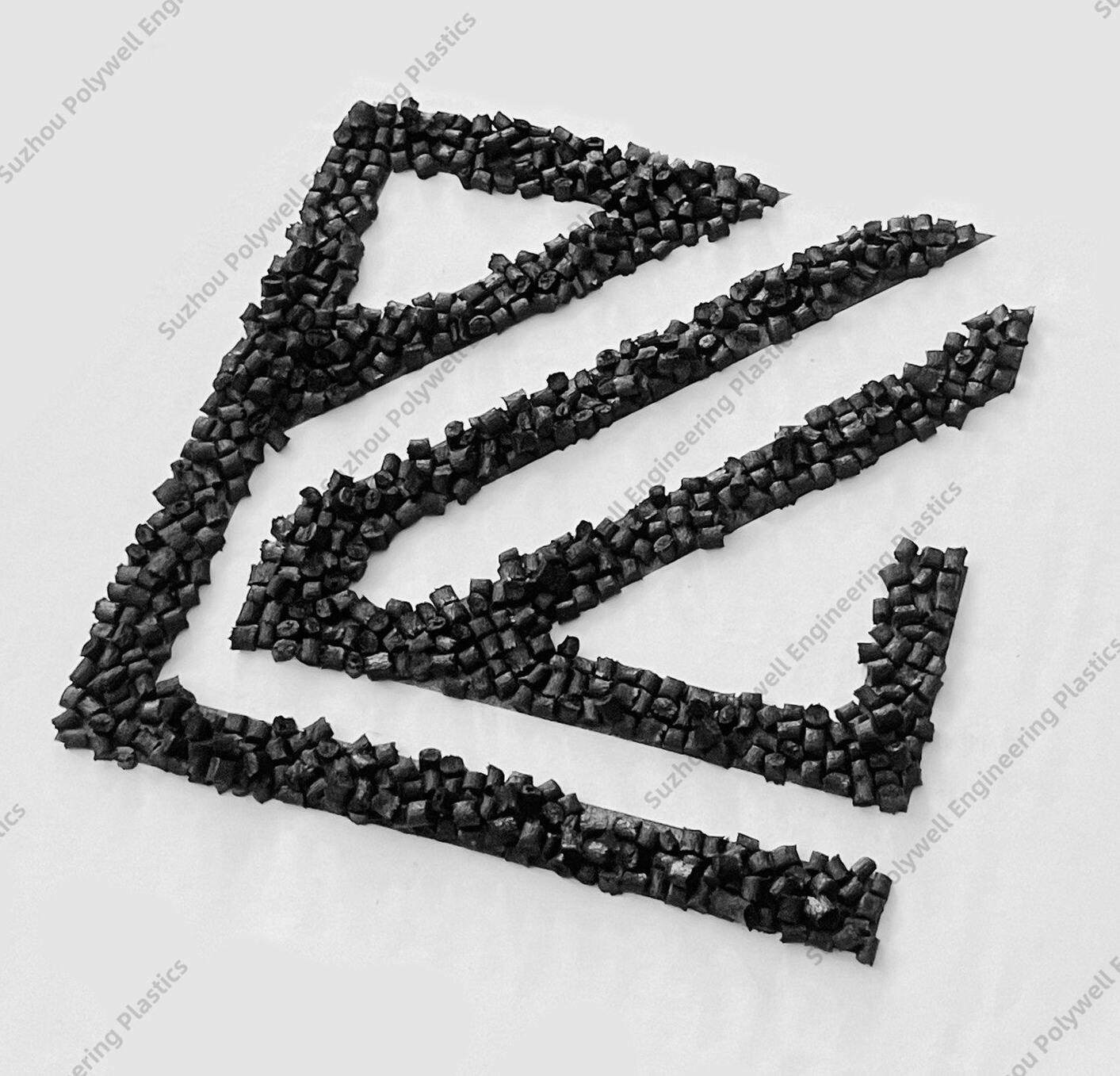
The core of our heat insulation capability lies in the exceptionally low thermal conductivity of our specially formulated polyamide materials When integrated into an aluminum profile the strip creates a high resistance barrier to heat flow This directly translates to significant energy savings on heating and cooling improved comfort by eliminating cold drafts and prevention of problematic condensation on interior surfaces
Maintains Performance in Extreme Climates

Maintains Performance in Extreme Climates

Our thermal break strips are engineered to retain their mechanical properties and insulating performance across a wide temperature range from freezing winters to hot summers The material does not become brittle in the cold or soften excessively in the heat ensuring the insulation remains effective and the structural integrity of the fenestration product is uncompromised year round in any climate
Contributes to Green Building Certifications

Contributes to Green Building Certifications

Effective heat insulation is a cornerstone of energy efficient building design By incorporating our high performance thermal breaks window and door manufacturers can significantly improve the thermal performance of their products This helps buildings achieve higher energy ratings and meet the stringent requirements for international green building standards such as LEED BREEAM and Passive House adding value and marketability
Inquiry Inquiry Email Email WhatsApp WhatsApp Wechat Wechat
Wechat
TopTop

Related Search