POLYWELL Best Thermal Insulation: High Quality Polyamide Thermal Break Strips & Expertise
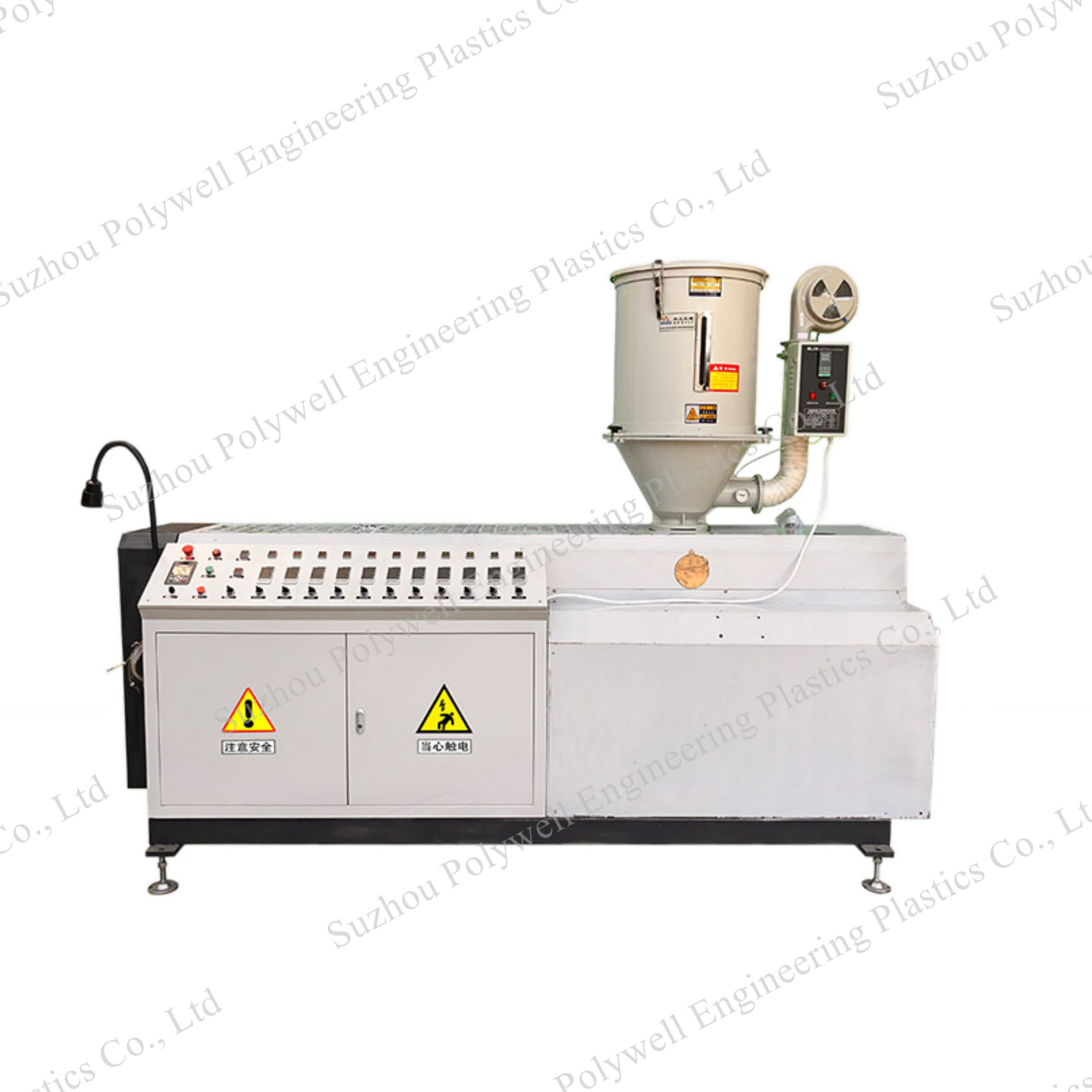
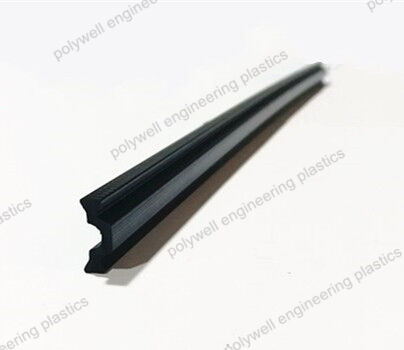
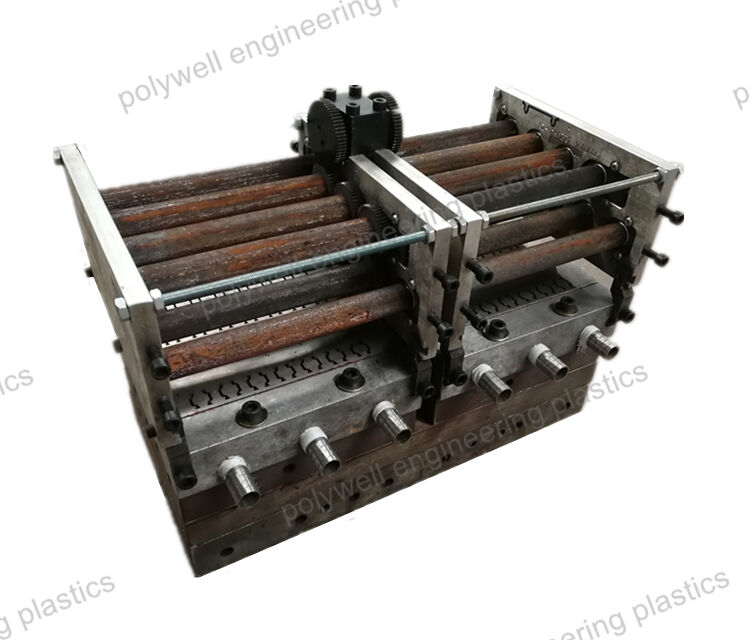
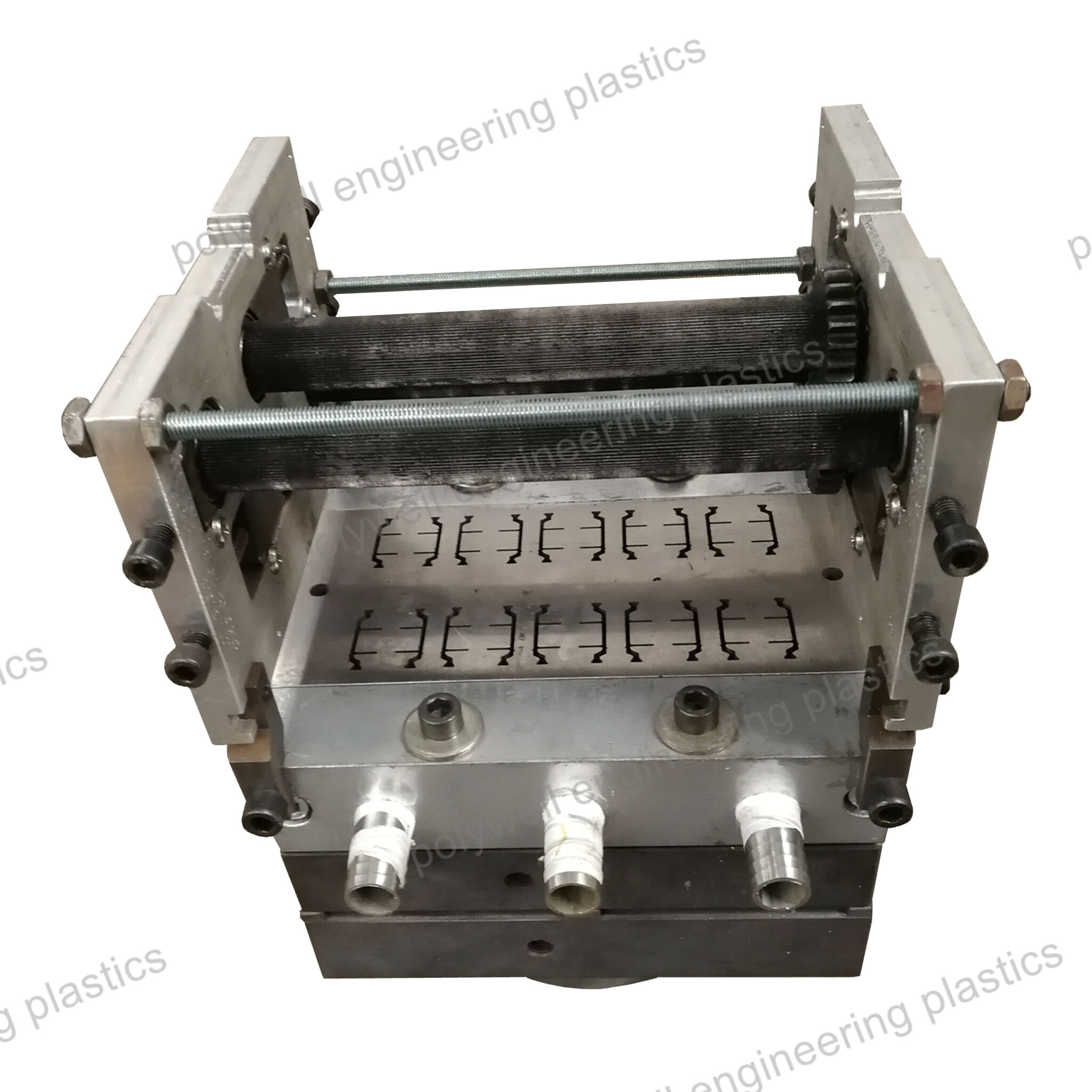
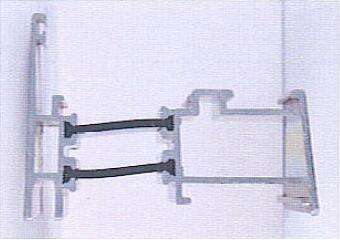
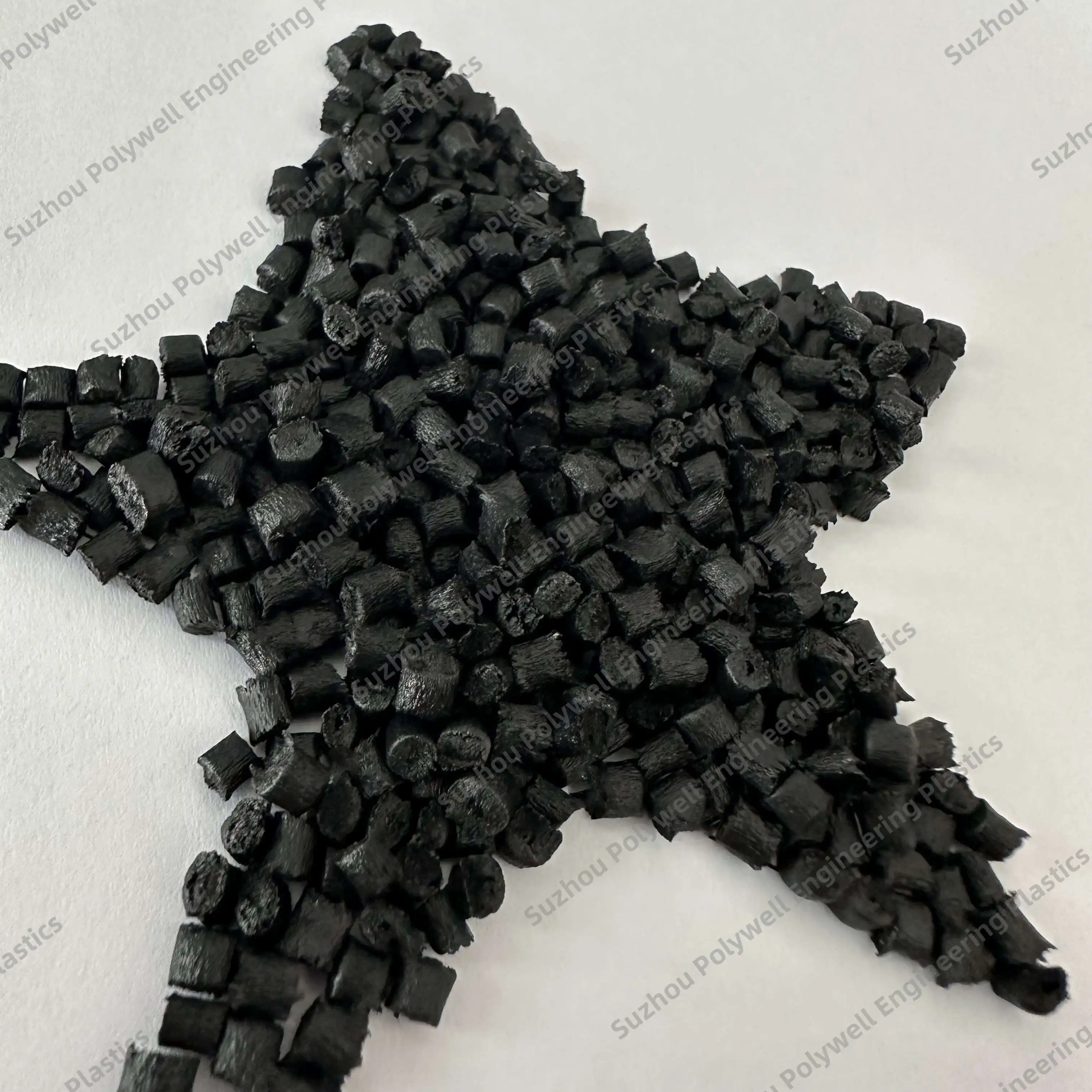
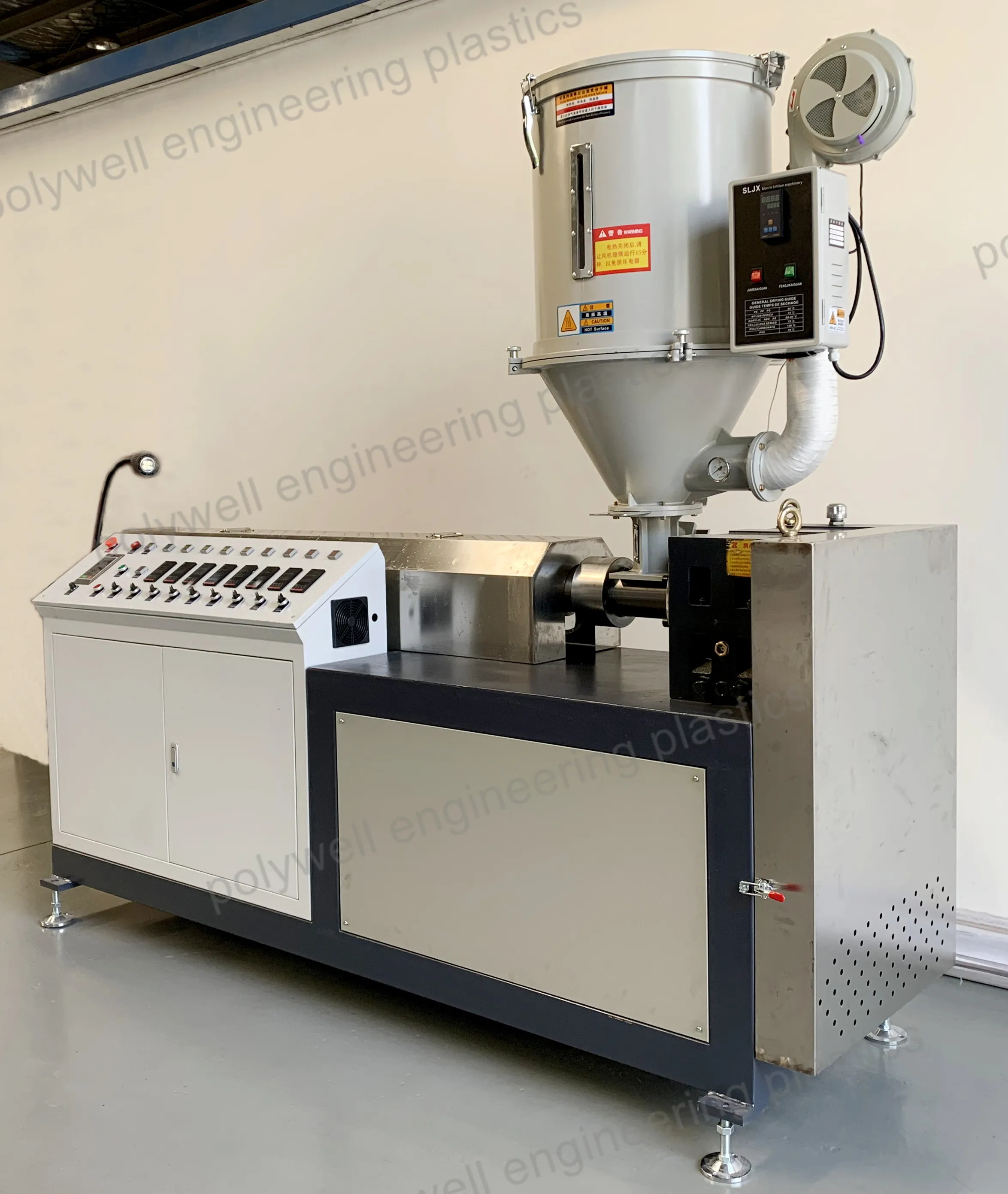
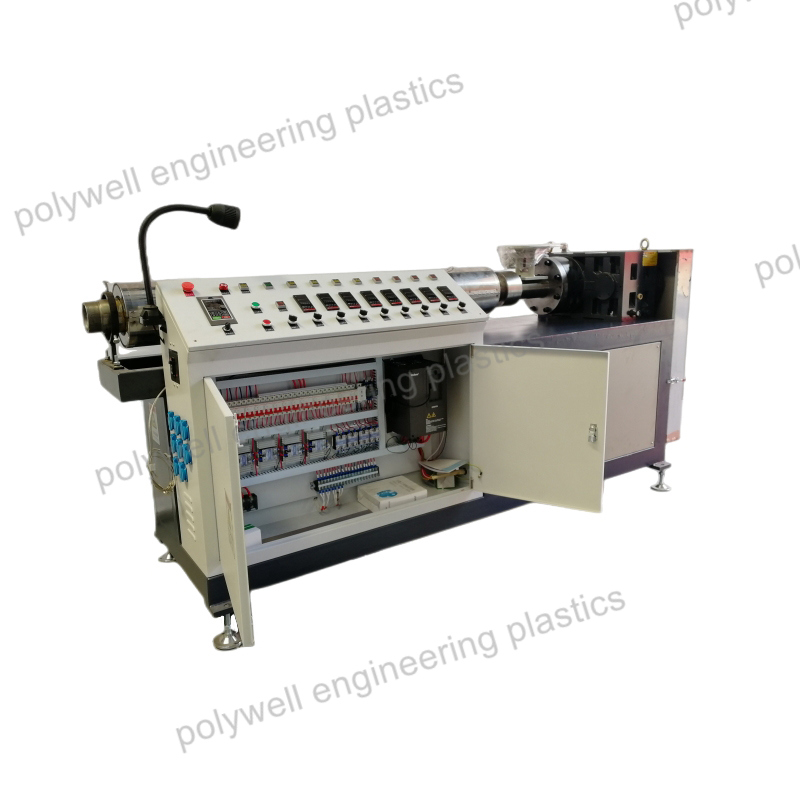
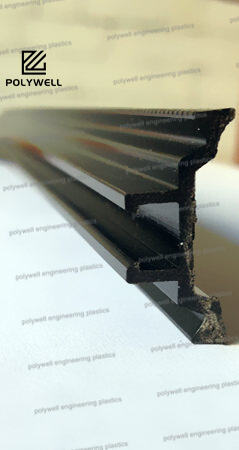
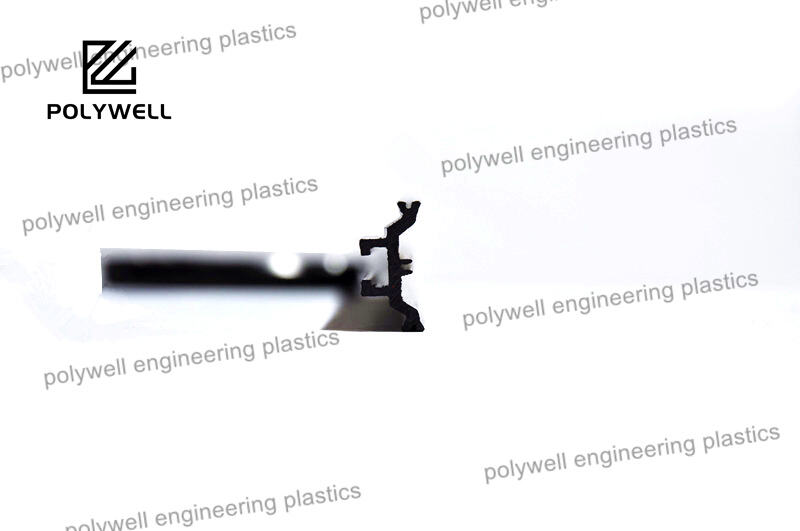
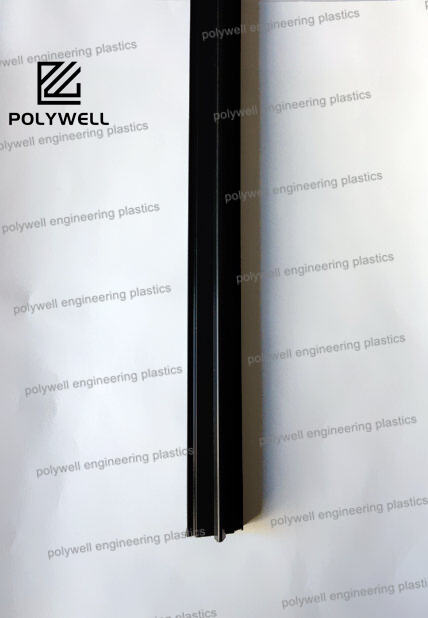
This page showcases POLYWELL’s pursuit of best thermal insulation, leveraging 15+ years of experience to provide top tier polyamide thermal break strips and supporting solutions. It supplies premium raw materials, custom extruders, and precision molds—all optimized to achieve best thermal insulation in final products. The content highlights DFM services to predict and avoid issues that could compromise insulation quality, along with on site service to resolve production challenges in real time. Technical training ensures clients’ teams operate equipment correctly for consistent best thermal insulation. Client feedback (e.g., Mr. Tiago trusting POLYWELL for extruder development and Ms. Özge achieving good results with technical support) confirms the solutions’ excellence. The 6 step workflow delivers best thermal insulation products from design to shipping.
Get A Quote
 EN
EN