
 EN
EN


What is a Thermal Break Strip and Why is it Important?
POLYWELL’s thermal break strips enhance energy efficiency, reduce condensation, and improve comfort in windows, doors, and curtain walls.
View More
Pipe heat tape, also known as heat trace cable, is an essential electrical heating system used to prevent freezing and maintain process temperatures in pipes, valves, and fittings across residential, commercial, and industrial applications. These systems employ resistive heating elements that generate controlled heat when electrical current passes through them, compensating for ambient heat loss. Key variations include constant-wattage tapes, which provide uniform heat output ideal for long pipe runs with consistent thermal requirements, and self-regulating polymers that automatically adjust their heat generation based on localized temperature conditions, offering superior energy efficiency and preventing overheating. Higher-tier mineral-insulated cables provide robust protection in hazardous locations with exceptional power density. Proper selection requires calculating heat loss based on pipe diameter, insulation quality, maintenance temperature, and lowest anticipated ambient temperature. Installation demands meticulous attention to manufacturer specifications regarding circuit lengths, watt density limitations, and proper thermal insulation to maximize efficiency. Critical safety components include Ground Fault Circuit Interrupter (GFCI) protection, end terminations, and thermal cutoffs that prevent excessive temperatures. Modern systems integrate sophisticated controls ranging from simple thermostats to programmable controllers with remote monitoring capabilities via IoT platforms. Beyond freeze protection, applications include maintaining viscosity in process fluids, preventing moisture condensation, and supporting snow melting in roof drains and gutters. Regular inspection and maintenance protocols are essential to ensure system integrity, particularly checking for insulation damage, connector corrosion, and proper controller operation. The economic justification includes preventing catastrophic pipe bursts, reducing energy consumption compared to space heating, and ensuring process continuity in industrial operations. Technological advancements continue to enhance reliability through features like wireless temperature sensors, self-diagnostic capabilities, and compatibility with renewable energy sources for off-grid applications.
18
Nov
29
Nov
21
Aug
29
Aug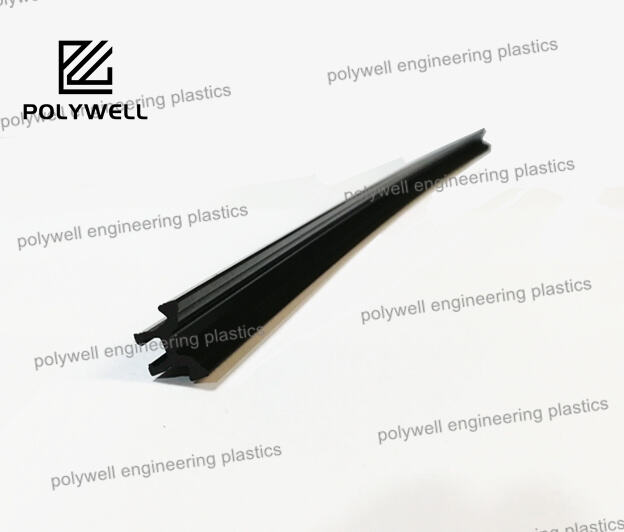
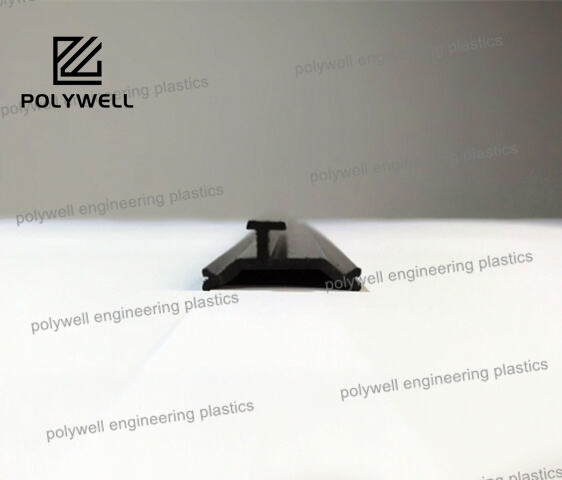
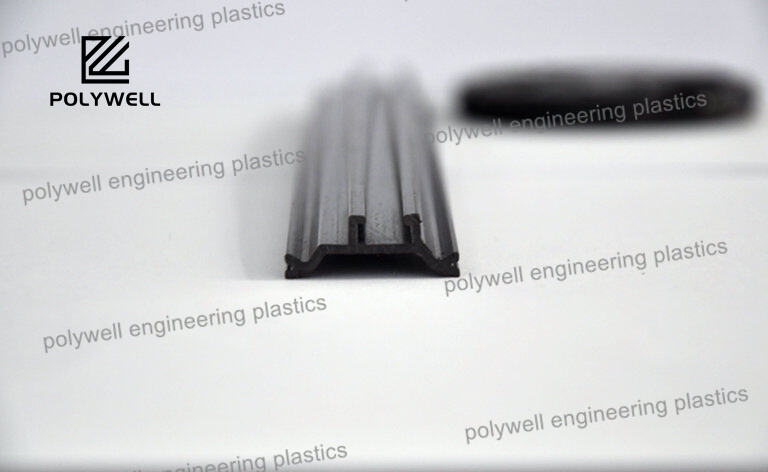

POLYWELL specializes in PA66 thermal insulation strips, offering polyamide granules, extruders, molds, winding machines, and comprehensive one-stop customization services.
Jinfeng Town, Zhangjiagang City, Suzhou City, Jiangsu Province, China
Copyright © 2024 Suzhou Polywell Engineering Plastics Co.,Ltd Privacy Policy