Reflective Foil Radiator: Boost Heating Efficiency & Heat Distribution

All Categories

Durable Reflective Foil Radiator: Enhance Heating Efficiency & Heat Distribution

This page showcases durable reflective foil radiators, specialized heating components that use reflective foil to optimize heat distribution and improve energy efficiency. It explains the radiator’s design: a core heating element (e.g., electric coil, hot water tube) paired with a reflective foil layer that redirects heat toward the desired space (instead of losing it to walls). The content covers key features, including lightweight construction, easy installation (wall mounted or freestanding), and compatibility with residential and small commercial spaces (bedrooms, offices, workshops). It also highlights benefits like fast heat up times, low maintenance requirements, and compliance with safety standards (e.g., overheat protection). Additionally, it includes tips for positioning the radiator to maximize heat output, making it a useful resource for homeowners and facility managers seeking efficient heating solutions.
Get A Quote

Advantages of the product

Maintained Performance Across Temperature Extremes

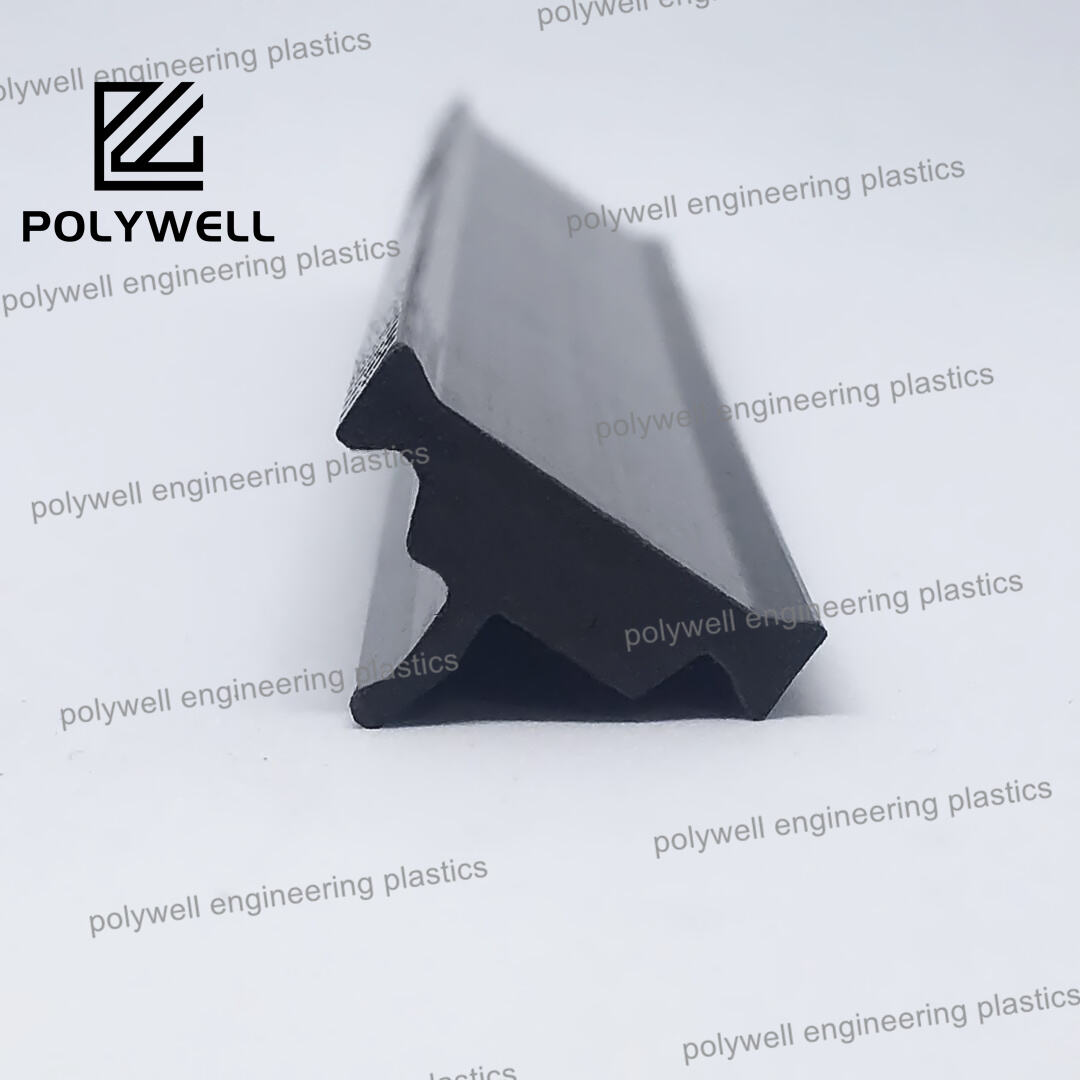
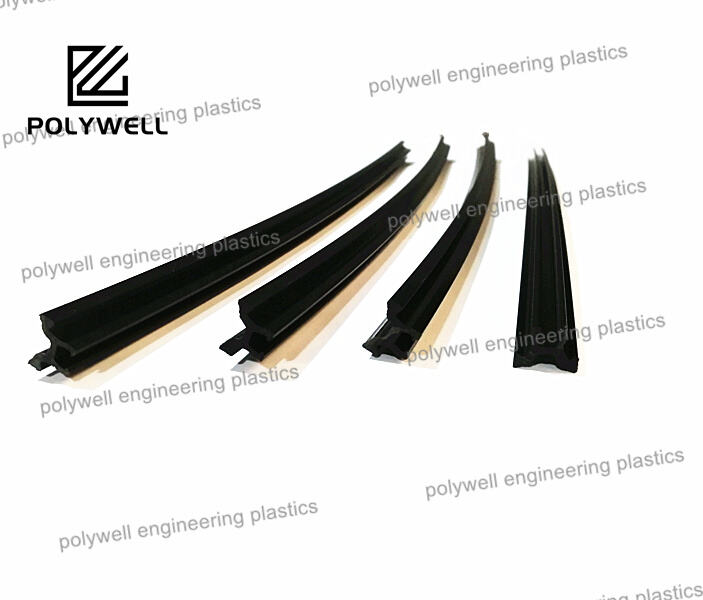
Our thermal break strips are engineered to retain their mechanical properties and insulating performance across a wide temperature range, from freezing winters to hot summers. The material does not become brittle in the cold or soften excessively in the heat, ensuring the insulation remains effective and the structural integrity of the fenestration product is uncompromised year round, in any climate.

Related products

Reflective foil radiator insulation constitutes a specialized thermal control technology that primarily addresses radiant heat transfer in high-temperature environments. This material system typically comprises a core layer of fiberglass or foam insulation laminated with polished aluminum foil facing, creating a composite barrier that reflects up to 97% of radiant energy while providing resistance to conductive heat flow. The fundamental operating principle leverages the low emissivity of metallic surfaces, which reflects infrared radiation rather than absorbing it. This makes reflective foil particularly effective in applications where radiant heat dominates, such as behind radiators, adjacent to heating pipes, or in industrial settings with high-temperature equipment. The aluminum facing also functions as a vapor barrier, preventing moisture migration that could compromise insulation performance. Material specifications vary by application, with standard residential products typically featuring ¼-inch to 1-inch insulation cores, while industrial versions may incorporate multiple reflective layers with thicker cores for enhanced performance. Installation requires careful attention to air gap maintenance between the reflective surface and adjacent materials, as this dead air space significantly enhances overall R-value. Performance metrics include both traditional R-values for conductive resistance and additional reflective equivalent measurements that account for radiant barriers. Beyond thermal efficiency, these materials provide acoustic benefits through their mass and decoupling properties. Modern manufacturing employs advanced laminating techniques that ensure foil integrity during handling and throughout product lifespan. Applications extend beyond building construction to include automotive heat shields, industrial equipment protection, and specialized HVAC components. The material's lightweight nature, flexibility, and durability make it suitable for retrofit applications where space constraints limit insulation options.

Frequently Asked Questions

Besides energy, what other benefits does good heat insulation provide?

Beyond energy savings, effective insulation enhances occupant comfort by eliminating cold drafts and radiant heat loss from windows, creating more uniform indoor temperatures. It critically prevents interior surface condensation, which protects against mold growth, preserves indoor air quality, and safeguards building materials from moisture damage, contributing to a healthier and more durable building.

Related Articles

Single Screw Extruder Energy Saving for PA66GF25

29

Aug

Single Screw Extruder Energy Saving for PA66GF25

Discover how advanced single-screw extruders reduce energy consumption in PA66GF25 production without compromising performance. Ideal for automotive manufacturing efficiency. Learn more.
View More
Why PA66GF25 Granules Are Ideal for Thermal Break Strips?

29

Aug

Why PA66GF25 Granules Are Ideal for Thermal Break Strips?

We need the article title and content to analyze keywords, intent, and value proposition for optimal B2B SEO metadata generation. Please provide details.
View More
How to Solve Feeding Problems of Single Screw Extruder in Thermal Break Strip Making

17

Sep

How to Solve Feeding Problems of Single Screw Extruder in Thermal Break Strip Making

Struggling with inconsistent feeding in thermal break strip extrusion? Discover proven solutions for moisture, material flow, and mechanical issues causing 12-18% efficiency loss. Implement cooling, AI monitoring, and optimized screw designs to stabilize output. Reduce downtime by up to 60%. Learn how.
View More
How to Optimize Your Thermal Break Strip Manufacturing Process?

30

Oct

How to Optimize Your Thermal Break Strip Manufacturing Process?

Discover how to boost energy efficiency by 40% with optimized thermal break strip production. Leverage PA66GF25, aerogel composites, and AI-driven extrusion for superior performance. Download the full optimization guide.
View More

customer evaluation

Quinn

Our products are installed in climates ranging from scorching deserts to freezing mountains. The heat insulation provided by these strips remains effective and stable, ensuring consistent indoor comfort and protecting against condensation year round.

Get a Free Quote

Our representative will contact you soon.
Email
Name
Company Name
Message
0/1000
Superior Thermal Barrier Performance

Superior Thermal Barrier Performance

The core of our heat insulation capability lies in the exceptionally low thermal conductivity of our specially formulated polyamide materials When integrated into an aluminum profile the strip creates a high resistance barrier to heat flow This directly translates to significant energy savings on heating and cooling improved comfort by eliminating cold drafts and prevention of problematic condensation on interior surfaces
Maintains Performance in Extreme Climates

Maintains Performance in Extreme Climates

Our thermal break strips are engineered to retain their mechanical properties and insulating performance across a wide temperature range from freezing winters to hot summers The material does not become brittle in the cold or soften excessively in the heat ensuring the insulation remains effective and the structural integrity of the fenestration product is uncompromised year round in any climate
Contributes to Green Building Certifications

Contributes to Green Building Certifications

Effective heat insulation is a cornerstone of energy efficient building design By incorporating our high performance thermal breaks window and door manufacturers can significantly improve the thermal performance of their products This helps buildings achieve higher energy ratings and meet the stringent requirements for international green building standards such as LEED BREEAM and Passive House adding value and marketability
Inquiry Inquiry Email Email WhatsApp WhatsApp Wechat Wechat
Wechat
TopTop

Related Search