POLYWELL Heat Insulation: Polyamide Thermal Break Strips & Reliable Support
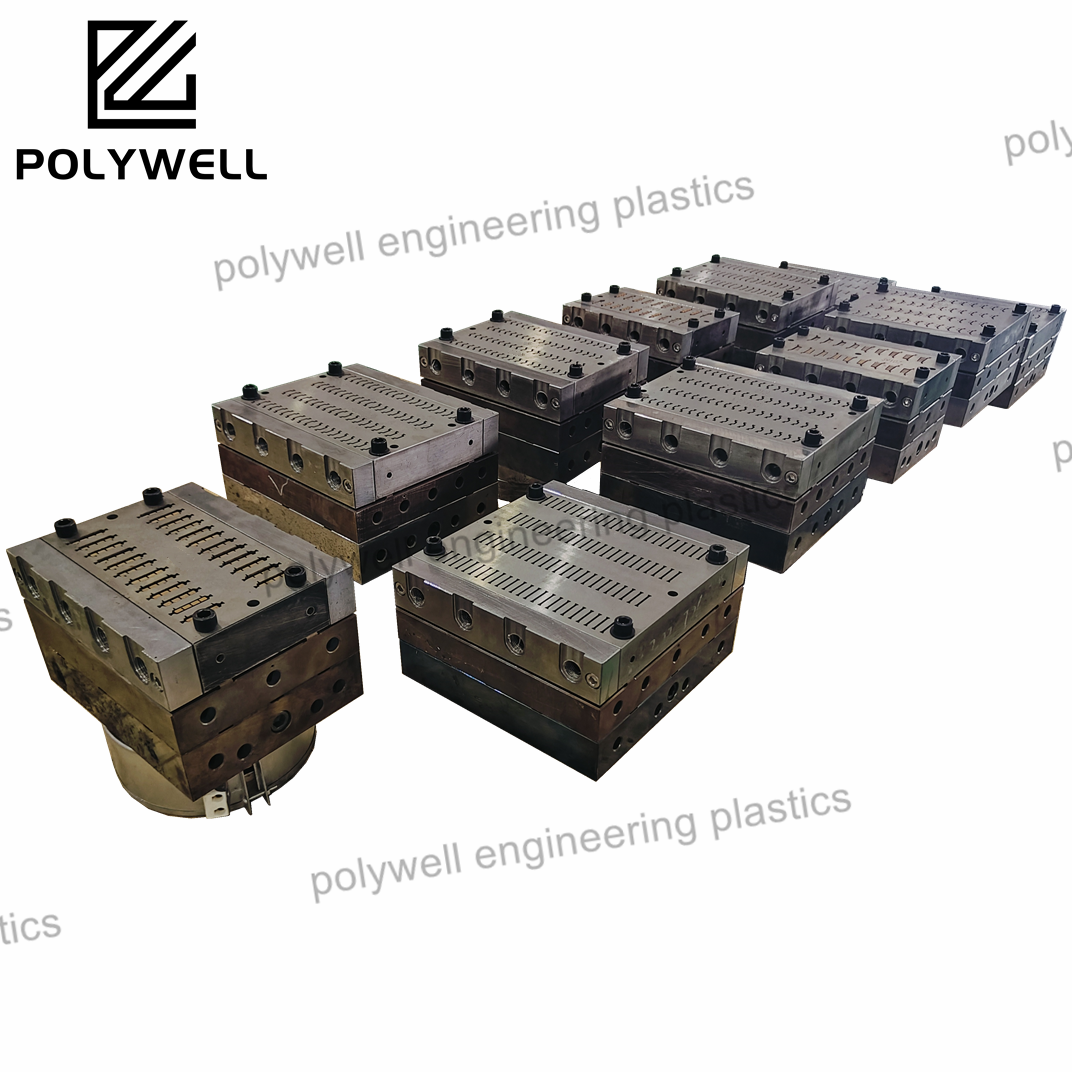
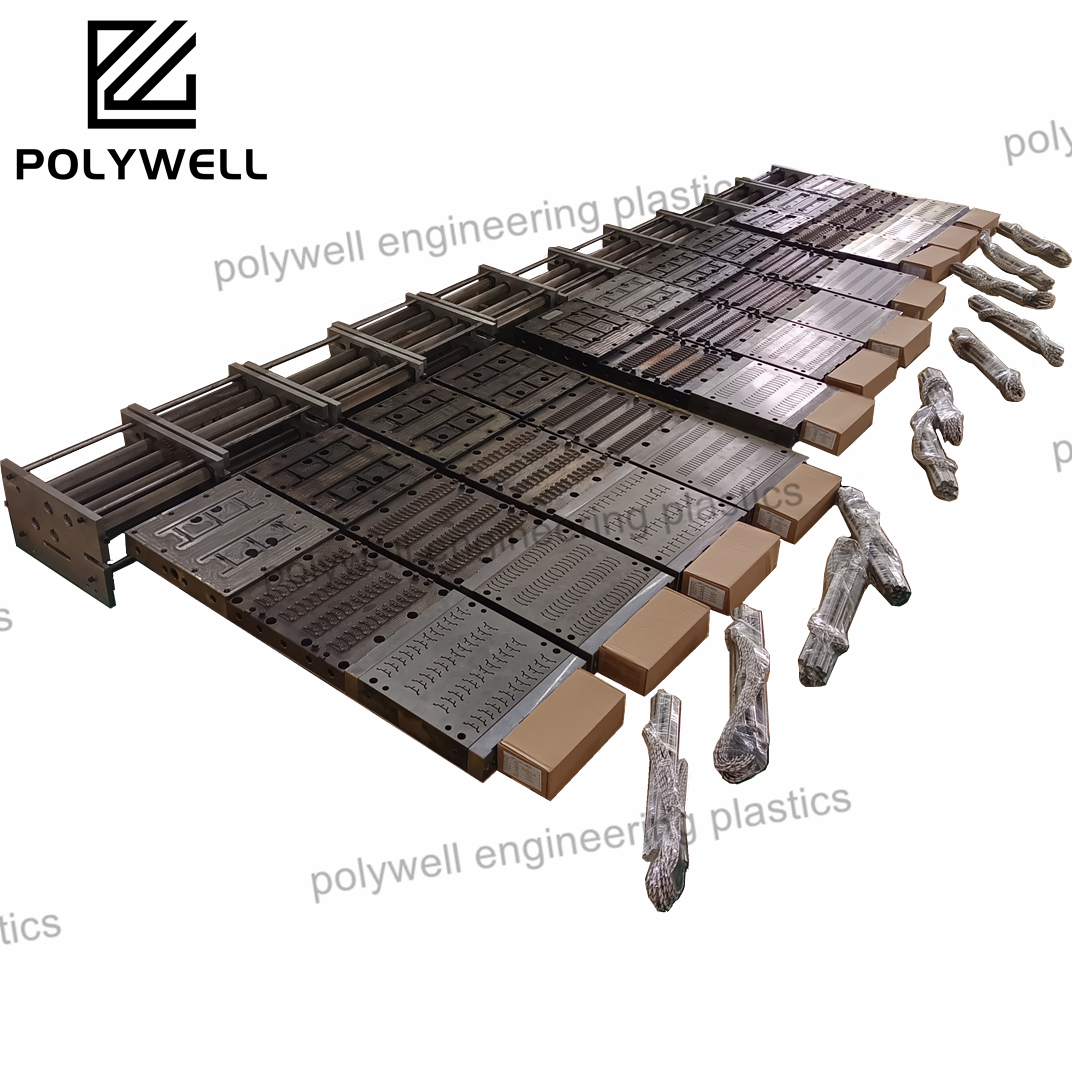
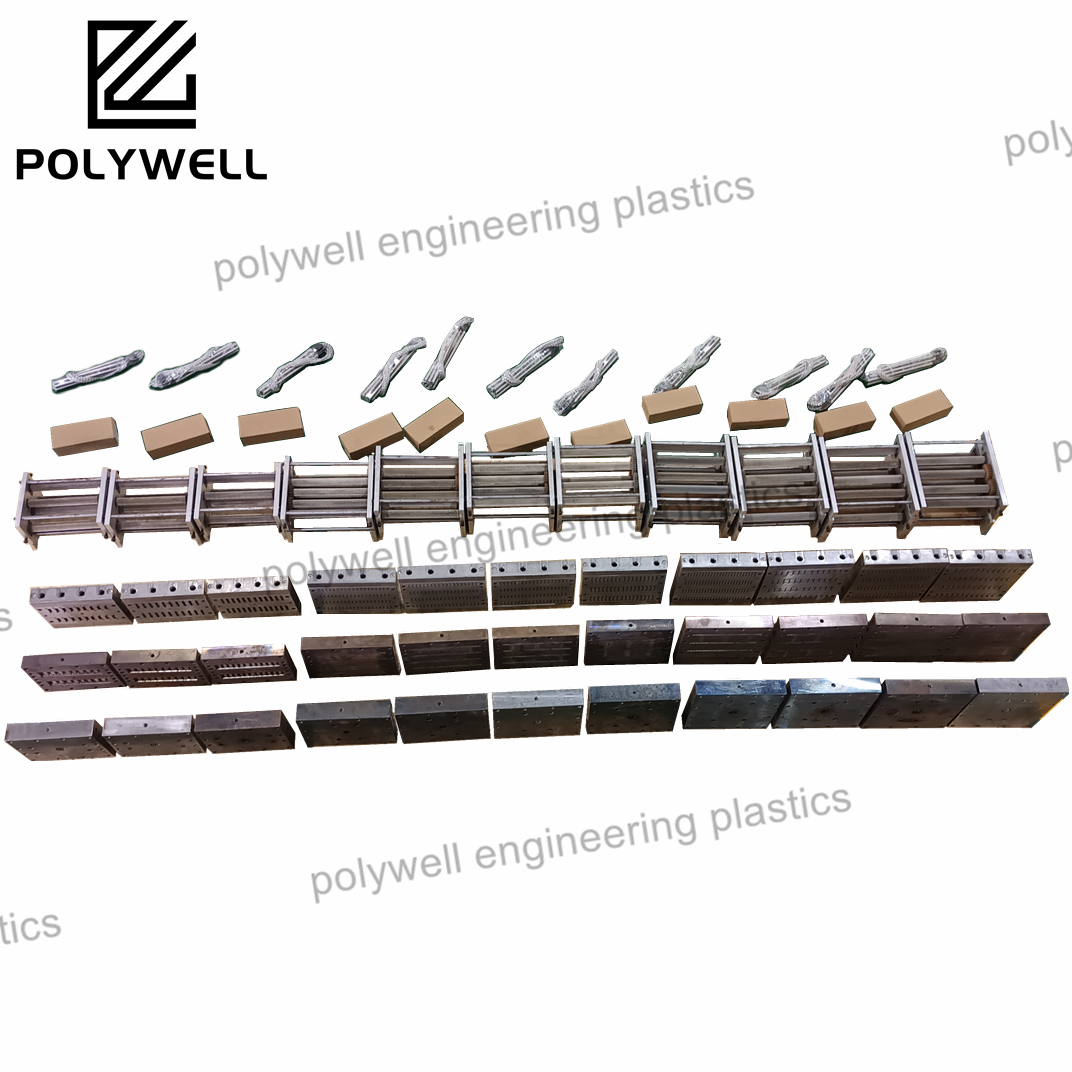
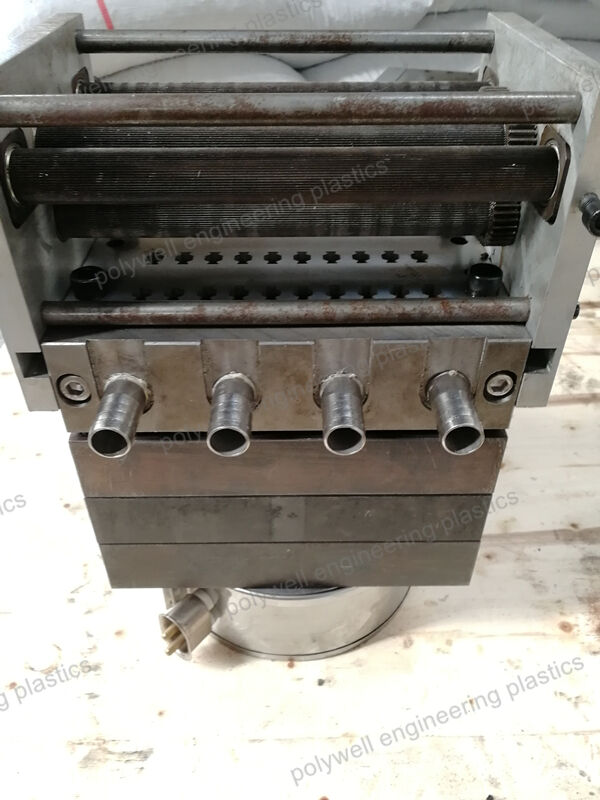
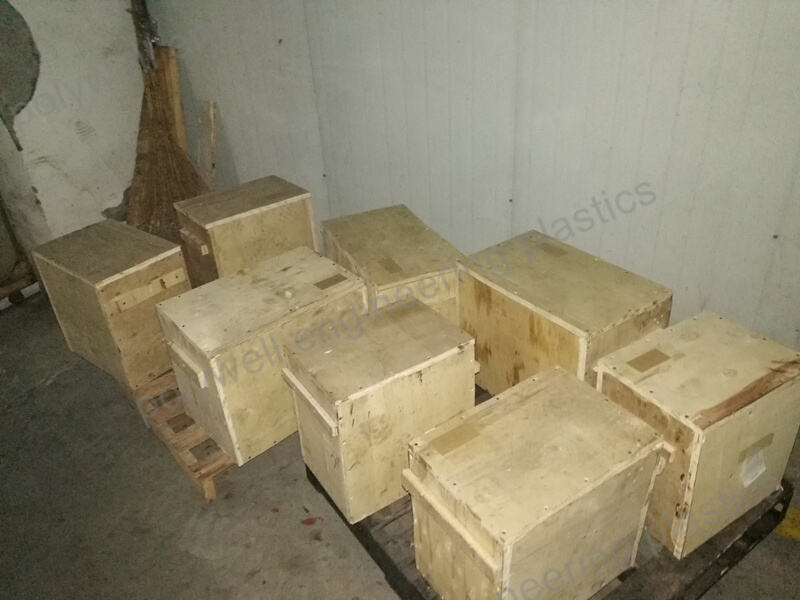
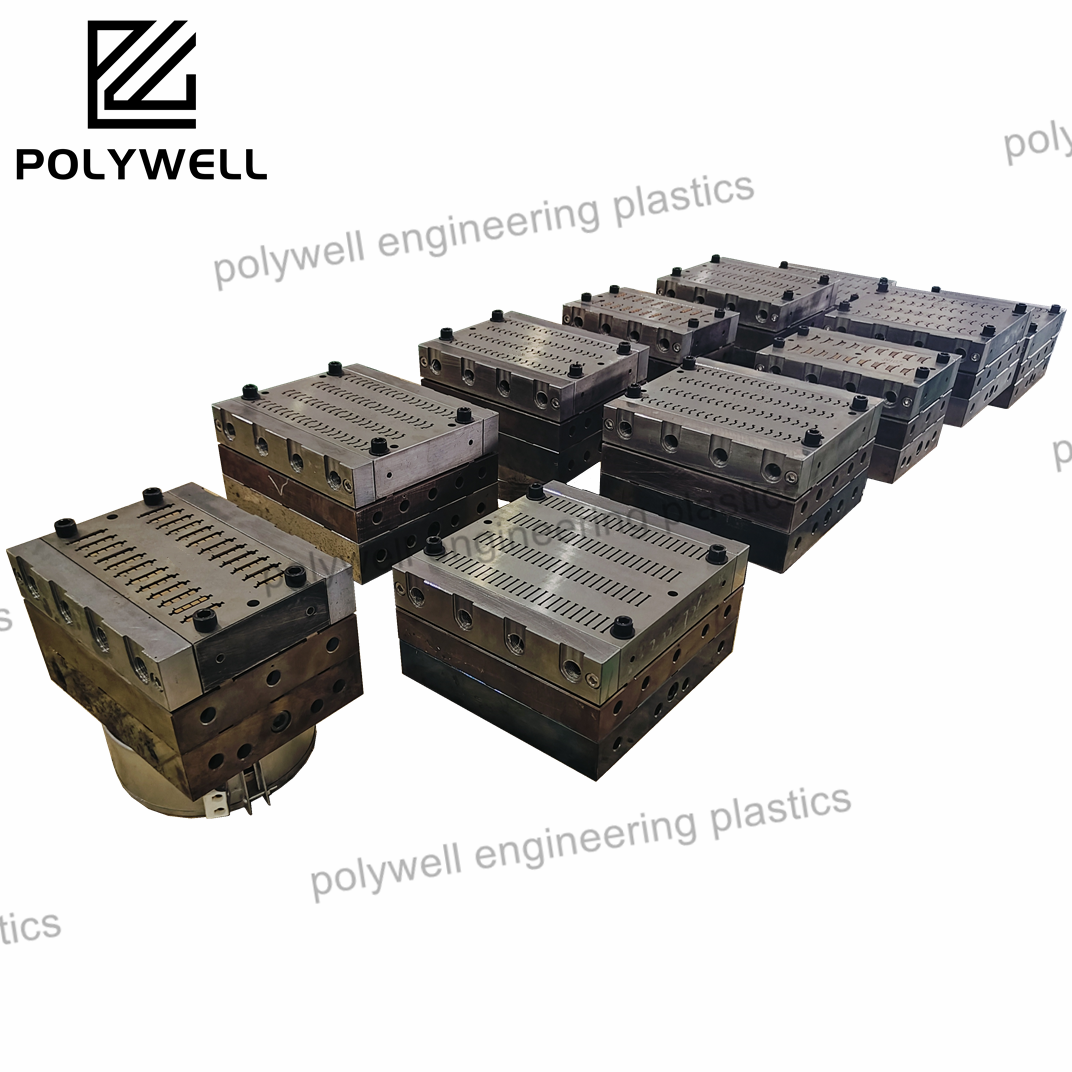
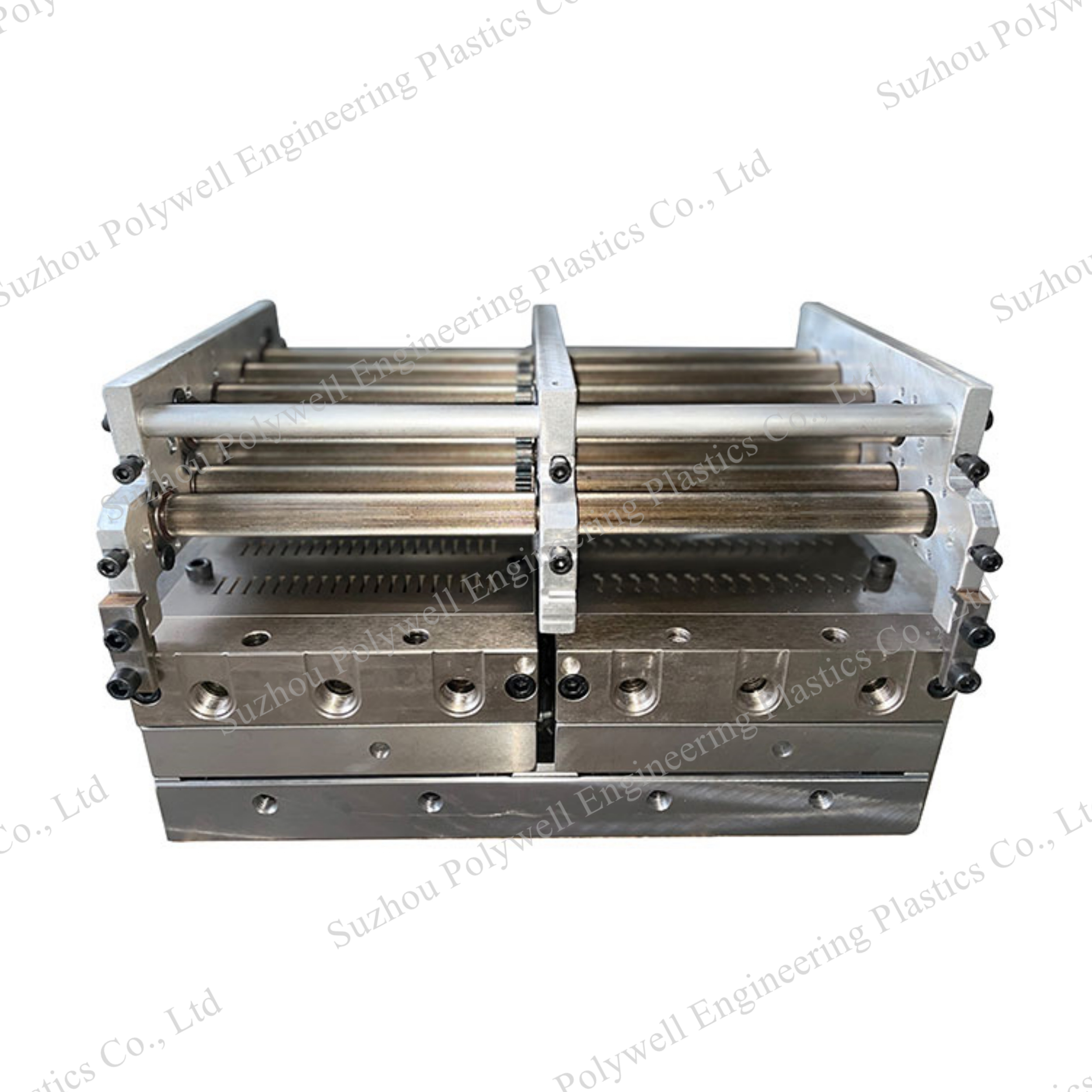
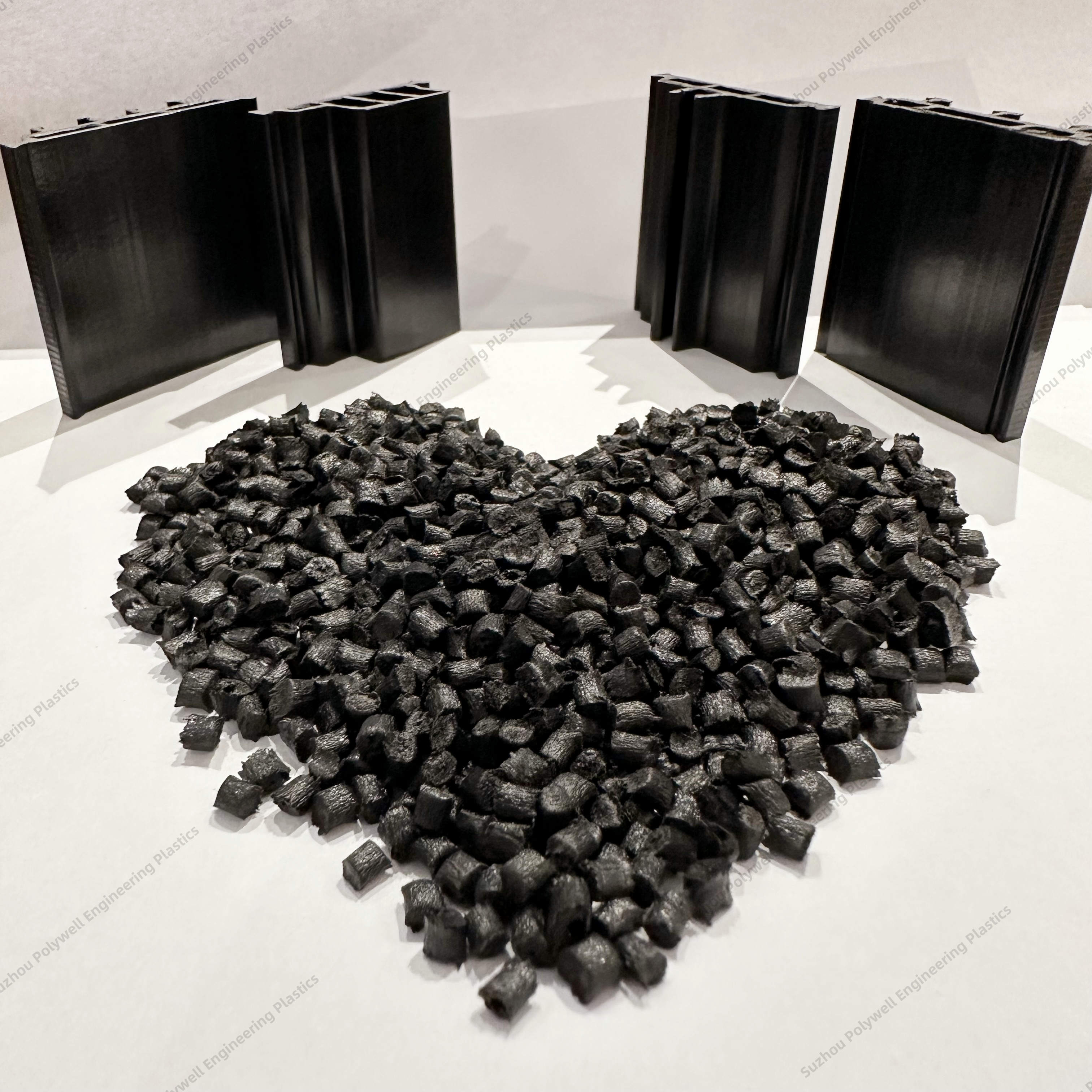
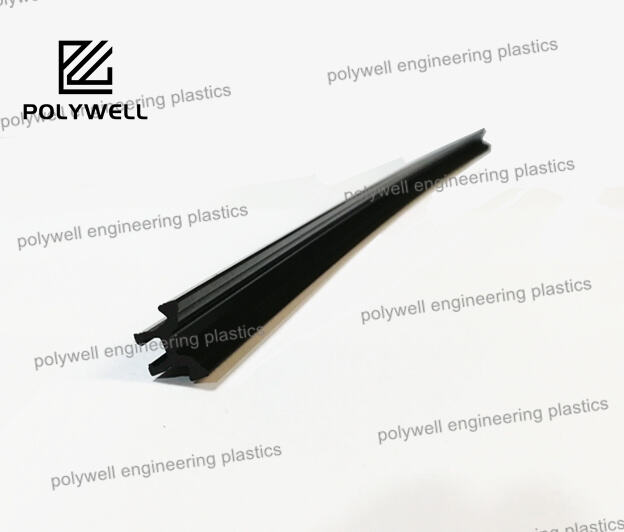
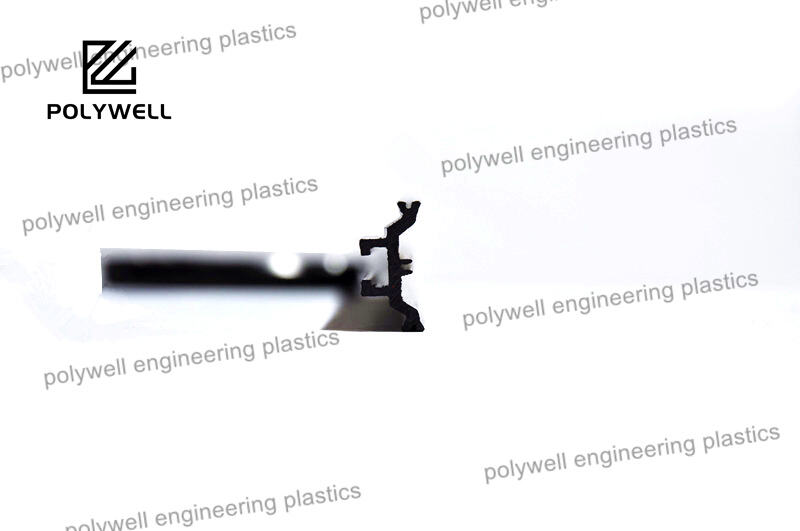
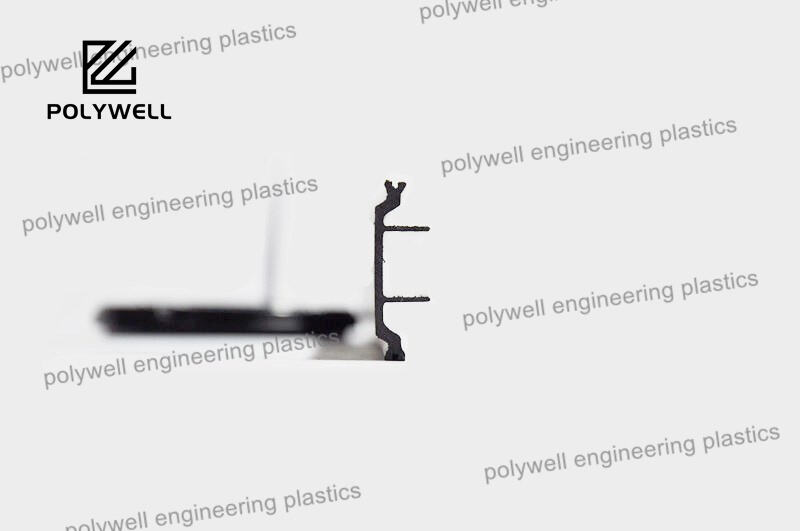
This page from POLYWELL focuses on heat insulation solutions, primarily through its high quality polyamide thermal break strips, backed by 15+ years of experience. It provides all essential components for heat insulation production: polyamide strip raw materials, extruders, molds, and other equipment. The content includes technical support to optimize heat insulation performance—such as advising Ms. Özge on temperature reduction for granules, which led to successful results—and DFM services to prevent production risks. On site service addresses on factory heat insulation production challenges, while lifelong training ensures clients’ teams operate equipment effectively. Client feedback (e.g., Mr. Robin’s positive experience with polyamide strips) confirms the heat insulation solutions’ reliability, and the 6 step workflow streamlines product delivery.
Get A Quote

 EN
EN