Fiberglass Heat Insulation Solutions for Industrial & Residential Use

All Categories

High Performance Fiberglass Heat Insulation: Materials & Industrial/Residential Use

This page focuses on high performance fiberglass heat insulation, a cost effective solution for reducing heat transfer in residential, commercial, and industrial settings. It details the material’s core properties: excellent thermal resistance (high R value), lightweight structure, and resistance to moisture, mold, and fire (when treated with fire retardant additives). The content covers common applications, including attic and wall insulation in homes, pipe and duct insulation in factories, and equipment insulation in HVAC systems. It also includes guidance on installation methods (blankets, batts, loose fill), maintenance tips to preserve insulation efficiency, and compliance with energy saving standards (e.g., EN, ASTM). This resource helps homeowners, contractors, and engineers select and use fiberglass heat insulation to lower energy costs and improve thermal comfort.
Get A Quote

Advantages of the product

Whole Profile Insulation for Comprehensive Performance

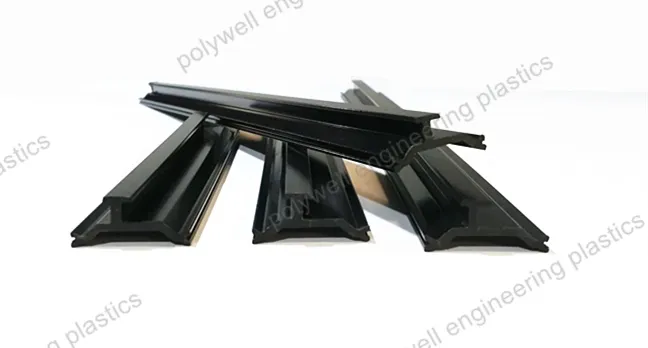
Our solution enables the creation of a continuous thermal barrier throughout the entire window or door frame, not just at isolated points. This "whole profile" insulation approach is far more effective than localized breaks, as it minimizes all potential paths for heat flow. This comprehensive strategy ensures maximum energy efficiency and consistent interior surface temperatures across the entire frame.

Related products

Fiberglass heat insulation represents a well-established and highly effective thermal management solution utilized across construction, industrial, and manufacturing sectors. Composed of extremely fine glass fibers, this material achieves its insulating properties by trapping numerous small air pockets, significantly reducing heat transfer through conduction and convection. The manufacturing process involves melting glass and spinning it into fibers, which are then formed into batts, rolls, or loose-fill insulation. Fiberglass demonstrates exceptional thermal performance, with R-values typically ranging from R-2.9 to R-3.8 per inch, effectively retarding heat flow in both residential and commercial structures. Beyond thermal properties, fiberglass offers inherent fire resistance, with most products rated to withstand temperatures up to 1000°F (538°C) without combustion. The material's acoustic damping characteristics make it equally valuable for noise reduction applications in partitions and equipment enclosures. Modern fiberglass formulations incorporate recycled content, aligning with sustainable building practices, while advanced binders minimize dust and irritation during installation. Proper handling requires personal protective equipment to prevent fiber irritation, though contemporary low-irritation products have improved user experience significantly. Installation considerations include compression avoidance to maintain stated R-values and appropriate vapor barrier integration in climate-specific applications. Fiberglass insulation demonstrates remarkable longevity, maintaining performance decades after installation when protected from moisture infiltration. Its cost-effectiveness, combined with proven reliability, ensures continued preference in global markets, particularly where building codes emphasize energy efficiency and fire safety standards. The material's versatility extends to high-temperature industrial applications, including pipe insulation and equipment enclosures, where specialized high-density formulations provide superior thermal protection.

Frequently Asked Questions

Besides energy, what other benefits does good heat insulation provide?

Beyond energy savings, effective insulation enhances occupant comfort by eliminating cold drafts and radiant heat loss from windows, creating more uniform indoor temperatures. It critically prevents interior surface condensation, which protects against mold growth, preserves indoor air quality, and safeguards building materials from moisture damage, contributing to a healthier and more durable building.

Related Articles

Help you select the extruder of PA66 thermal break strips

30

Dec

Help you select the extruder of PA66 thermal break strips

POLYWELL helps you choose the ideal extruder for manufacturing PA66 thermal break strips. Our expert advice ensures efficient extrusion, high-quality output, and optimal performance for energy-saving applications.
View More
Factors to Consider When Selecting Plastic Extrusion Molds

18

Nov

Factors to Consider When Selecting Plastic Extrusion Molds

When selecting plastic extrusion molds, consider material compatibility, design, production volume, cost, and maintenance. Trust POLYWELL for quality solutions.
View More
Design Options for Thermally Broken Aluminum Windows

27

Nov

Design Options for Thermally Broken Aluminum Windows

POLYWELL offers high-performance thermal break strips for energy-efficient aluminum windows, enhancing thermal and sound insulation with precision design.
View More
How Extrusion Molds Shape Thermal Break Strips?

22

Aug

How Extrusion Molds Shape Thermal Break Strips?

Discover how precision extrusion molds shape high-performance thermal break strips for energy-efficient windows and façades. Learn about mold design, material flow, and quality control. Explore the process now.
View More

customer evaluation

Phoenix

In today's market, high performance heat insulation is not a luxury but a requirement. This product delivers on its promise, allowing us to compete effectively with European and North American manufacturers on both quality and energy performance.

Get a Free Quote

Our representative will contact you soon.
Email
Name
Company Name
Message
0/1000
Superior Thermal Barrier Performance

Superior Thermal Barrier Performance

The core of our heat insulation capability lies in the exceptionally low thermal conductivity of our specially formulated polyamide materials When integrated into an aluminum profile the strip creates a high resistance barrier to heat flow This directly translates to significant energy savings on heating and cooling improved comfort by eliminating cold drafts and prevention of problematic condensation on interior surfaces
Maintains Performance in Extreme Climates

Maintains Performance in Extreme Climates

Our thermal break strips are engineered to retain their mechanical properties and insulating performance across a wide temperature range from freezing winters to hot summers The material does not become brittle in the cold or soften excessively in the heat ensuring the insulation remains effective and the structural integrity of the fenestration product is uncompromised year round in any climate
Contributes to Green Building Certifications

Contributes to Green Building Certifications

Effective heat insulation is a cornerstone of energy efficient building design By incorporating our high performance thermal breaks window and door manufacturers can significantly improve the thermal performance of their products This helps buildings achieve higher energy ratings and meet the stringent requirements for international green building standards such as LEED BREEAM and Passive House adding value and marketability
Inquiry Inquiry Email Email WhatsApp WhatsApp Wechat Wechat
Wechat
TopTop

Related Search