Foil Radiator Insulation: Cut Heat Loss & Boost Efficiency

All Categories

Foil Radiator Insulation: Boost Heating Efficiency & Reduce Heat Loss

This page focuses on foil radiator insulation, a thin, reflective material designed to be installed behind radiators to reduce heat loss and improve heating efficiency. It details the insulation’s functionality: the foil layer reflects radiant heat back into the room, preventing it from being absorbed by cold walls (a common source of heat waste in homes and offices). The content covers product features, such as self adhesive backing for easy installation, heat resistance (to withstand radiator temperatures), and compatibility with all radiator types (electric, hot water, steam). It also includes step by step installation guides, energy saving calculations (e.g., potential 10 20% reduction in heating costs), and durability information (resistance to tearing, moisture, and discoloration). This resource helps homeowners, renters, and contractors enhance radiator performance without replacing existing heating systems.
Get A Quote

Advantages of the product

Maintained Performance Across Temperature Extremes

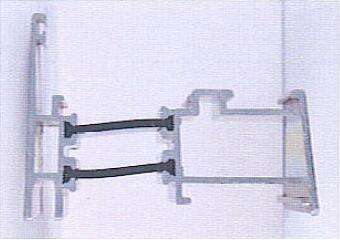
Our thermal break strips are engineered to retain their mechanical properties and insulating performance across a wide temperature range, from freezing winters to hot summers. The material does not become brittle in the cold or soften excessively in the heat, ensuring the insulation remains effective and the structural integrity of the fenestration product is uncompromised year round, in any climate.

Related products

Foil radiator insulation describes engineered systems specifically designed to enhance heating efficiency by managing heat distribution behind radiators and similar heating elements. These composite materials typically combine closed-cell foam or fiberglass batting with high-purity aluminum foil facing, creating a barrier that reflects thermal radiation back into the room rather than allowing absorption into wall structures. The scientific principle operates on emissivity theory, where low-emissivity surfaces (typically 0.03-0.05 for polished aluminum) reflect infrared energy efficiently. Standard installation places the reflective surface facing the heat source with a critical air gap between insulation and wall to maximize performance. This configuration can improve radiator efficiency by 5-15% by redirecting otherwise wasted energy into occupied spaces. Material construction varies from simple foil-scrim-kraft laminates to sophisticated multi-layer composites with integrated fire retardants. Performance considerations include thermal resistance (R-value), radiant reflectivity, vapor permeability, and flame spread classification. Proper installation requires precise cutting to radiator dimensions and secure mounting to prevent air movement behind panels. Beyond energy savings, these insulation systems prevent heat damage to wall materials, reduce condensation risk on cold exterior walls, and contribute to more uniform room temperatures. Modern developments include self-adhesive versions for simplified installation and specialized high-temperature foils for industrial applications. Product certifications from recognized testing laboratories (UL, FM) ensure compliance with building codes and safety standards. The economic payback period typically ranges from one to three heating seasons, making this among the most cost-effective energy conservation measures available. Additionally, these materials provide incidental acoustic insulation by adding mass to wall assemblies and damping vibration transmission from operating radiators.

Frequently Asked Questions

Besides energy, what other benefits does good heat insulation provide?

Beyond energy savings, effective insulation enhances occupant comfort by eliminating cold drafts and radiant heat loss from windows, creating more uniform indoor temperatures. It critically prevents interior surface condensation, which protects against mold growth, preserves indoor air quality, and safeguards building materials from moisture damage, contributing to a healthier and more durable building.

Related Articles

PROCESSING TECHNOLOGY OF “COLORING AFTER INSERTING” OF PA THERMAL BREAK ALUMINUM PROFILES

18

Nov

PROCESSING TECHNOLOGY OF “COLORING AFTER INSERTING” OF PA THERMAL BREAK ALUMINUM PROFILES

POLYWELL offers advanced coloring technology after inserting PA thermal break strips in aluminum profiles, ensuring long-lasting color and excellent insulation for energy-efficient window and door systems.
View More
Help you select the raw material of thermal break strips

30

Dec

Help you select the raw material of thermal break strips

POLYWELL provides expert guidance on selecting the best raw materials for thermal break strips, ensuring high performance and durability. Our PA66GF25 granules deliver superior insulation for energy-efficient solutions.
View More
Why Working with Experienced Plastic Extrusion Die Manufacturers Matters in Construction

28

Mar

Why Working with Experienced Plastic Extrusion Die Manufacturers Matters in Construction

Explore the crucial role of plastic extrusion die manufacturers in construction, focusing on quality, cost-effectiveness, and advanced technologies like polyamide thermal break strips. Discover how experience enhances product durability and offers custom solutions for modern architectural needs.
View More
How to Choose the Right Single Screw Extruder for Efficient Production

10

Jun

How to Choose the Right Single Screw Extruder for Efficient Production

Explore material compatibility in single screw extruders focusing on PA66 GF30 and Nylon Polyamide 6 for efficient plastic molding. Learn about the significance of material properties, energy efficiency in operations, and optimal extruder performance in this comprehensive guide.
View More

customer evaluation

Daisy

By using their thermal break strips, we have measured a consistent 15% improvement in the insulating performance of our window units. This directly translates to lower energy bills for our clients and helps our projects achieve valuable green building certification points.

Get a Free Quote

Our representative will contact you soon.
Email
Name
Company Name
Message
0/1000
Superior Thermal Barrier Performance

Superior Thermal Barrier Performance

The core of our heat insulation capability lies in the exceptionally low thermal conductivity of our specially formulated polyamide materials When integrated into an aluminum profile the strip creates a high resistance barrier to heat flow This directly translates to significant energy savings on heating and cooling improved comfort by eliminating cold drafts and prevention of problematic condensation on interior surfaces
Maintains Performance in Extreme Climates

Maintains Performance in Extreme Climates

Our thermal break strips are engineered to retain their mechanical properties and insulating performance across a wide temperature range from freezing winters to hot summers The material does not become brittle in the cold or soften excessively in the heat ensuring the insulation remains effective and the structural integrity of the fenestration product is uncompromised year round in any climate
Contributes to Green Building Certifications

Contributes to Green Building Certifications

Effective heat insulation is a cornerstone of energy efficient building design By incorporating our high performance thermal breaks window and door manufacturers can significantly improve the thermal performance of their products This helps buildings achieve higher energy ratings and meet the stringent requirements for international green building standards such as LEED BREEAM and Passive House adding value and marketability
Inquiry Inquiry Email Email WhatsApp WhatsApp Wechat Wechat
Wechat
TopTop

Related Search