POLYWELL Thermal Insulation: Polyamide Thermal Break Strips & 15+ Years of Support
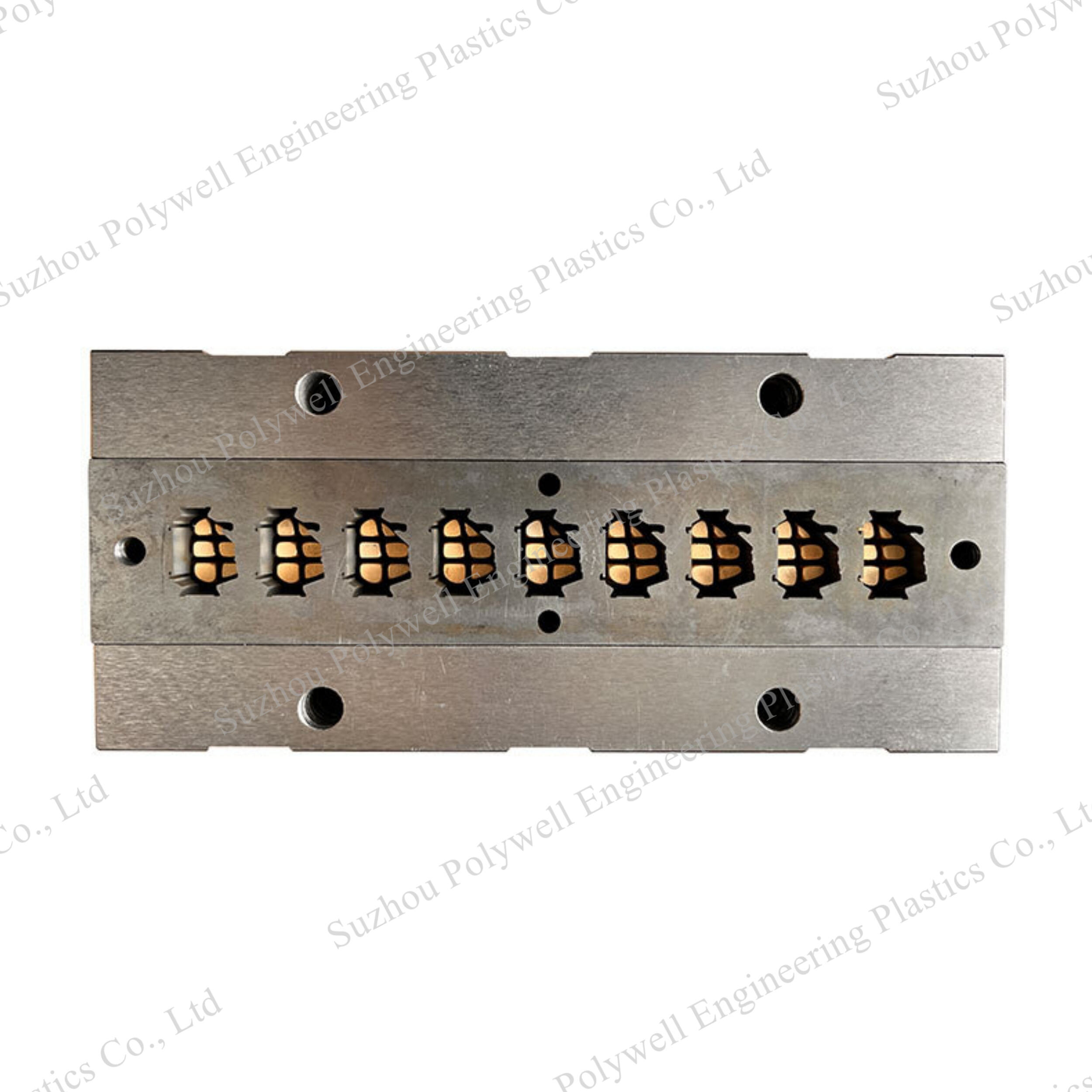
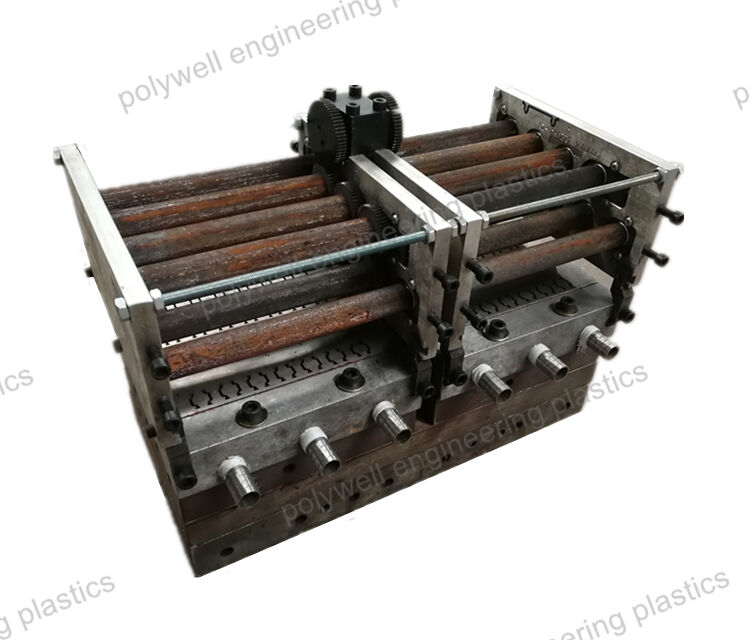
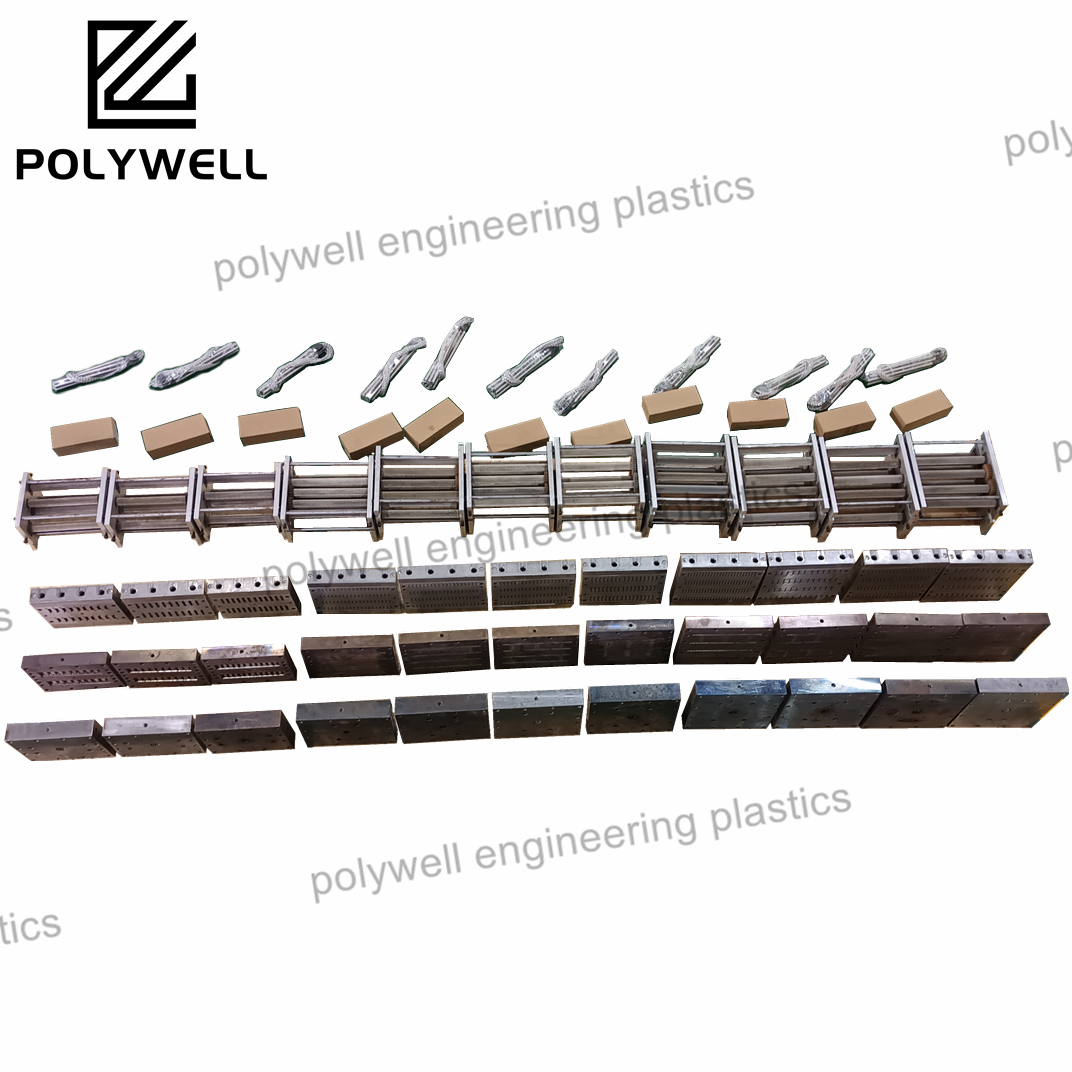
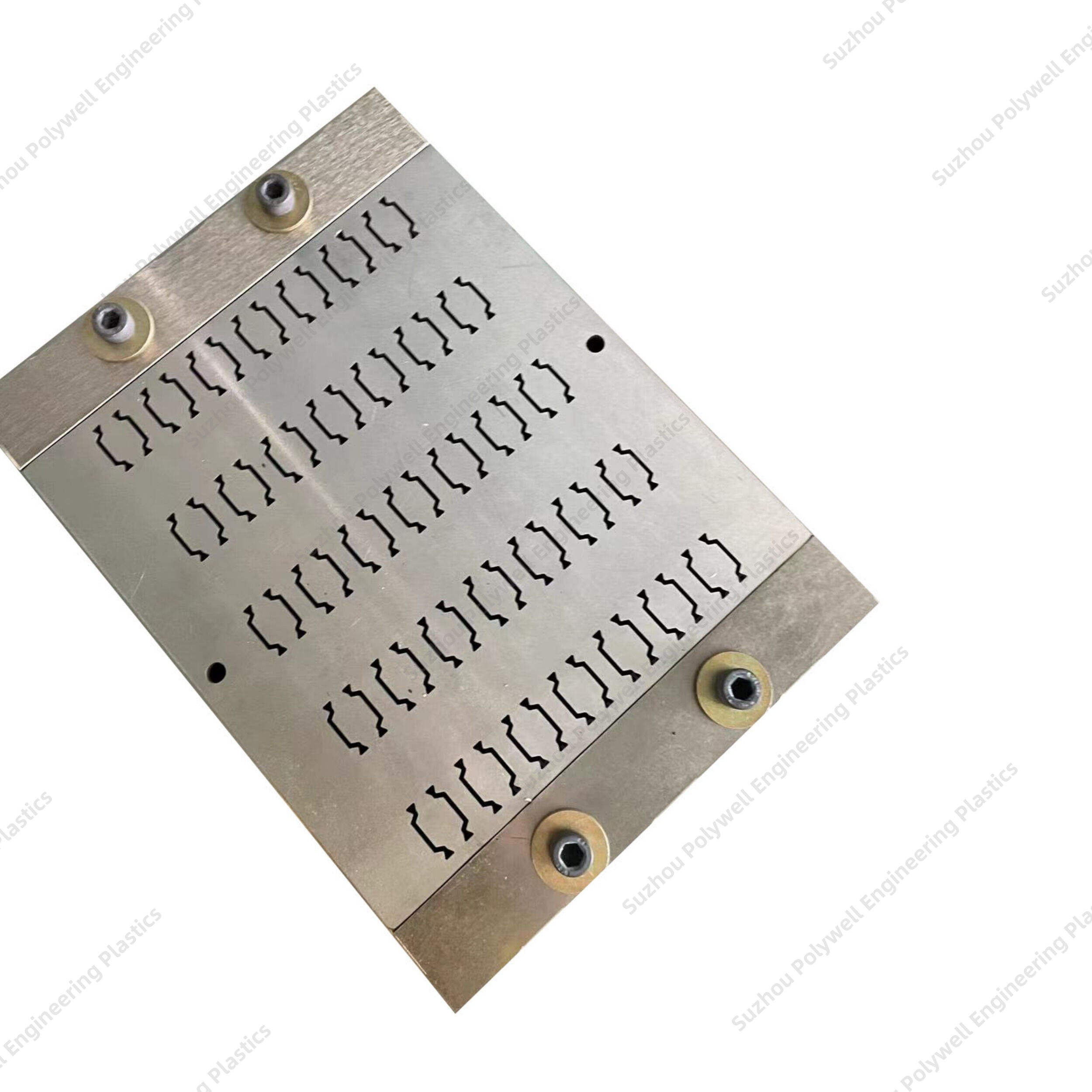
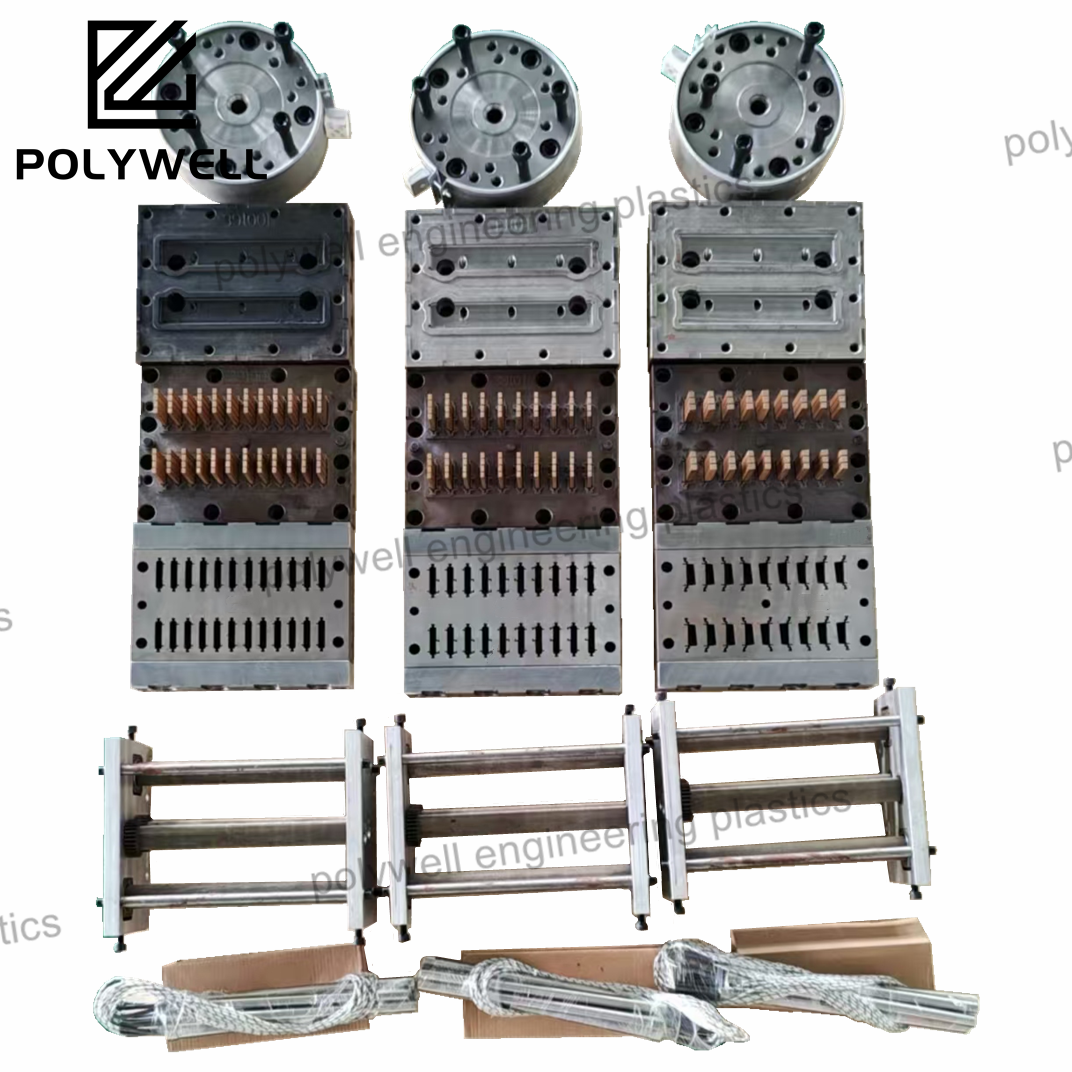
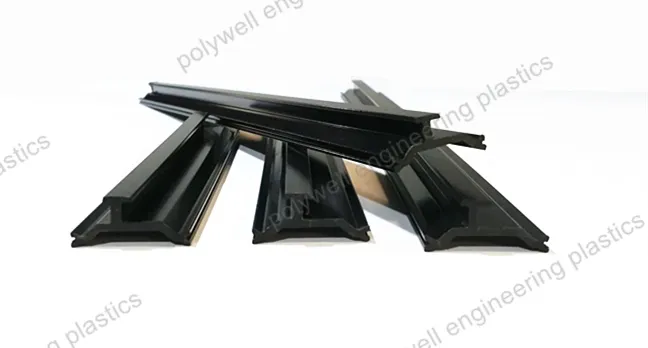
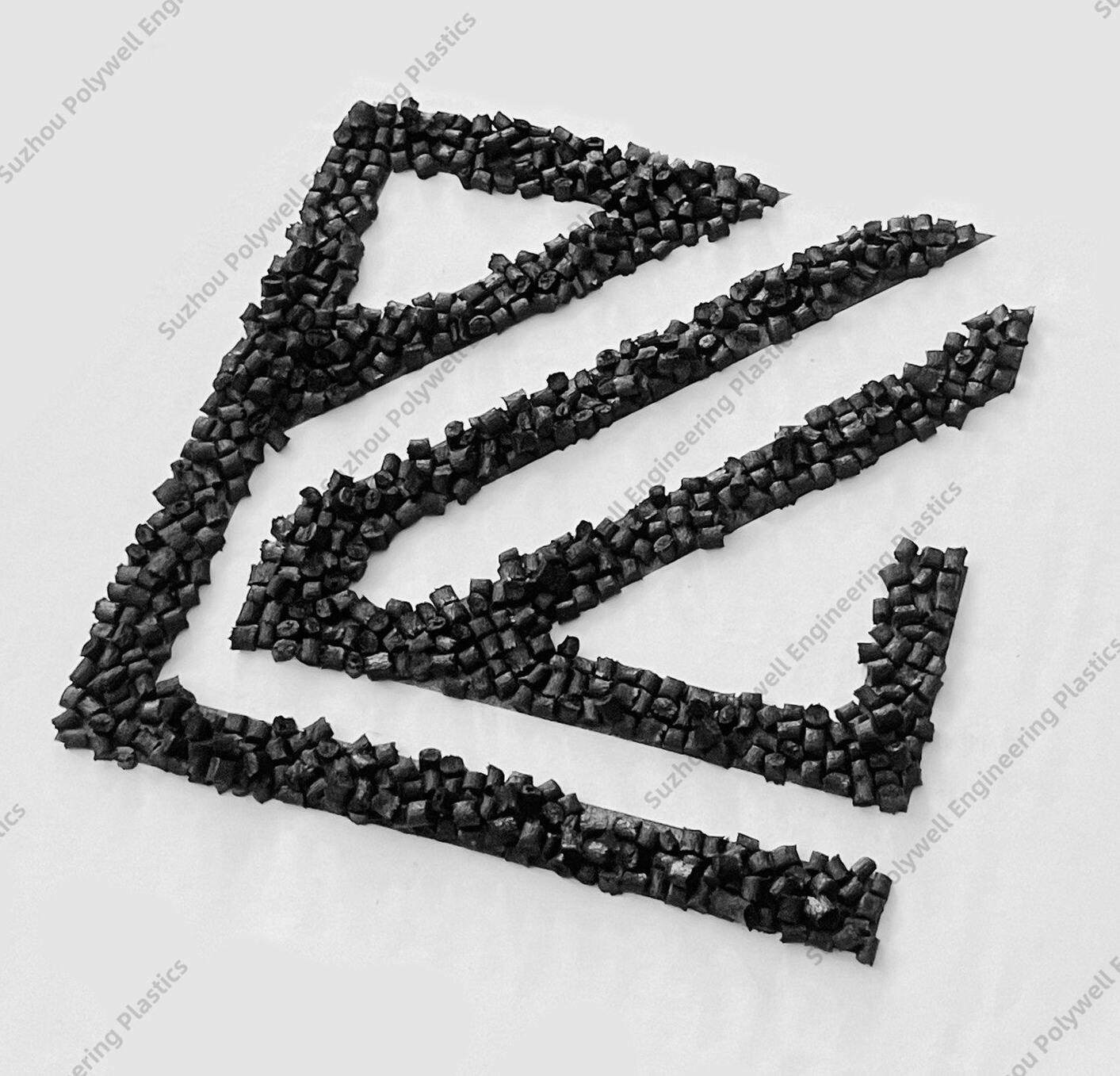
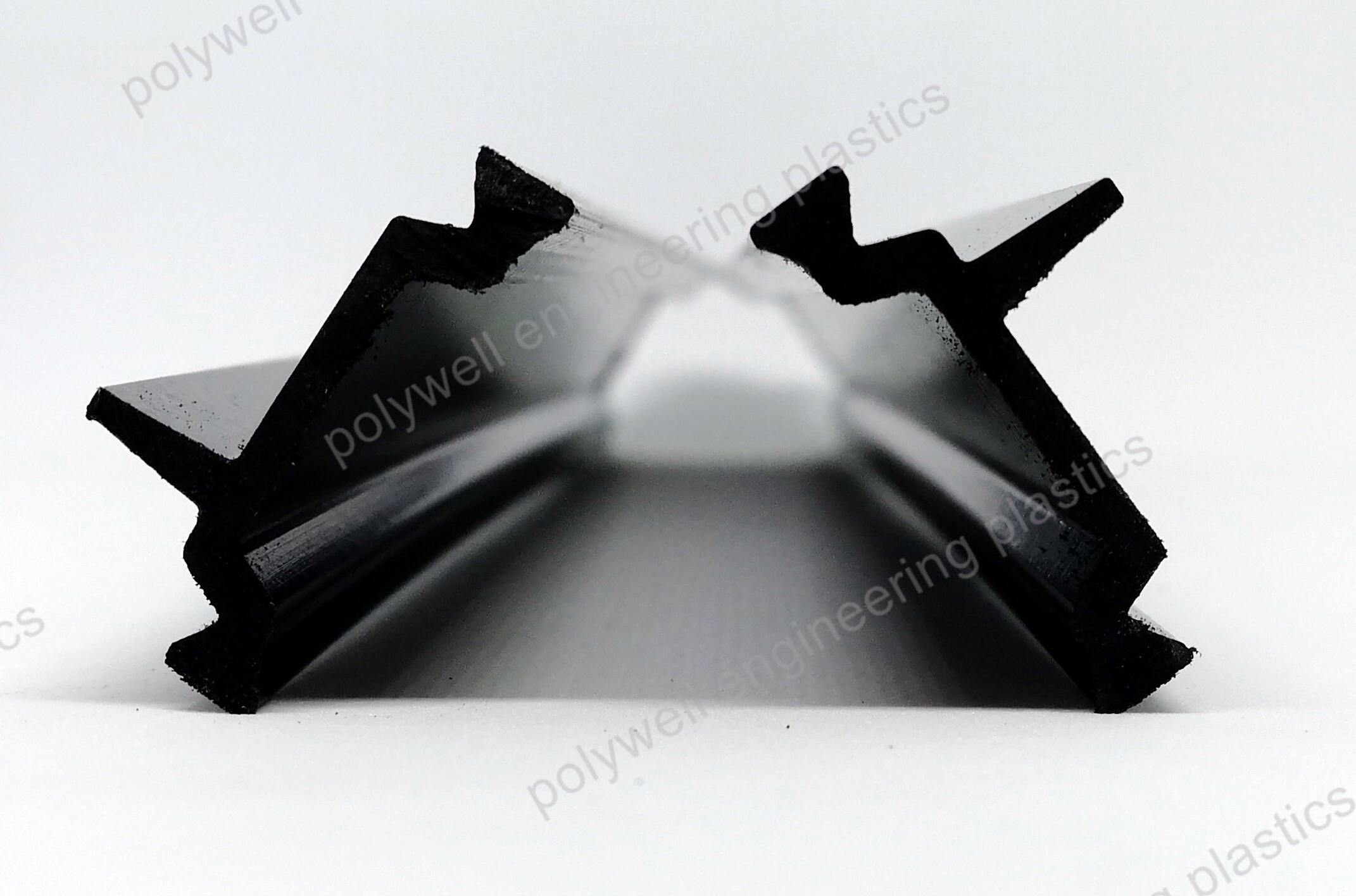
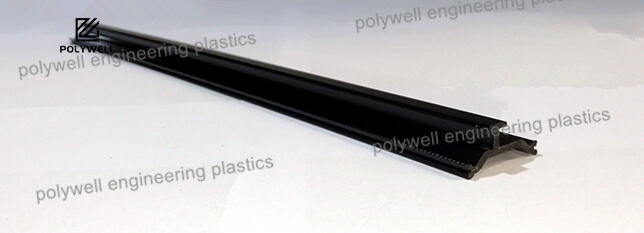
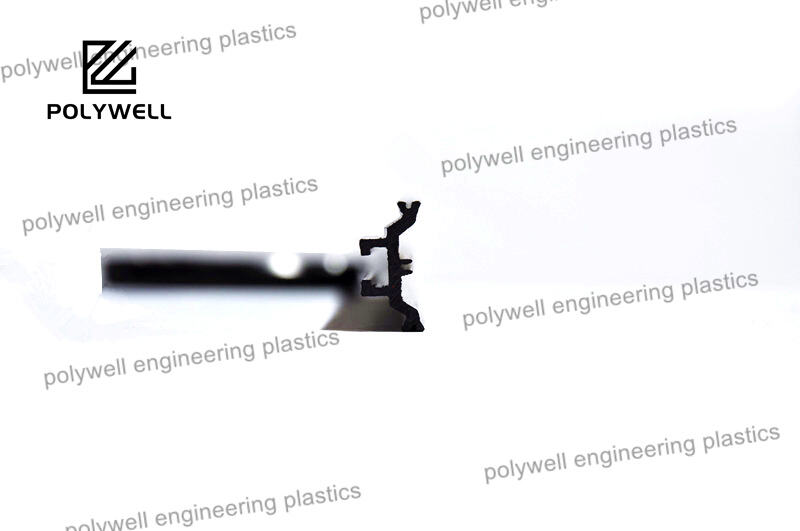
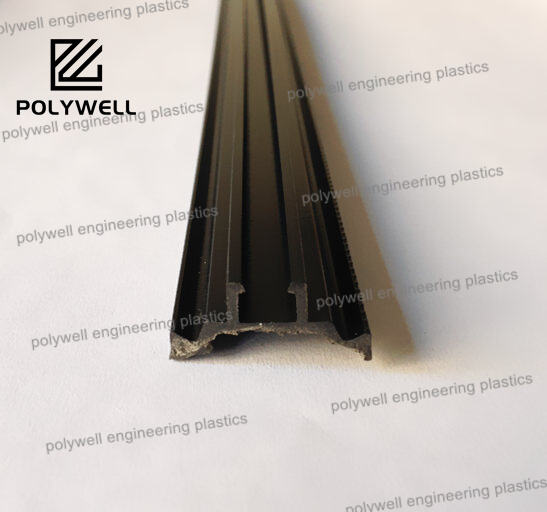
This page covers POLYWELL’s thermal insulation solutions, centered on polyamide thermal break strips and supported by comprehensive production services. With 15+ years of experience, POLYWELL supplies thermal insulation related products: polyamide strip raw materials, specialized extruders, precision molds, and finished thermal break strips. The content includes DFM to predict risks in thermal insulation production, technical training for workers, and on site service to resolve factory issues. Client testimonials highlight success—Ms. Özge improved thermal insulation material processing with POLYWELL’s advice, and Mr. Robin noted polyamide strips work perfectly. The 6 step cooperation process (drawing upload → quote → mold design → production → shipping) ensures clients access high performance thermal insulation solutions efficiently, catering to manufacturers and end users.
Get A Quote

 EN
EN