POLYWELL Thermal Break Insulation: Polyamide Strips & Full Production Services
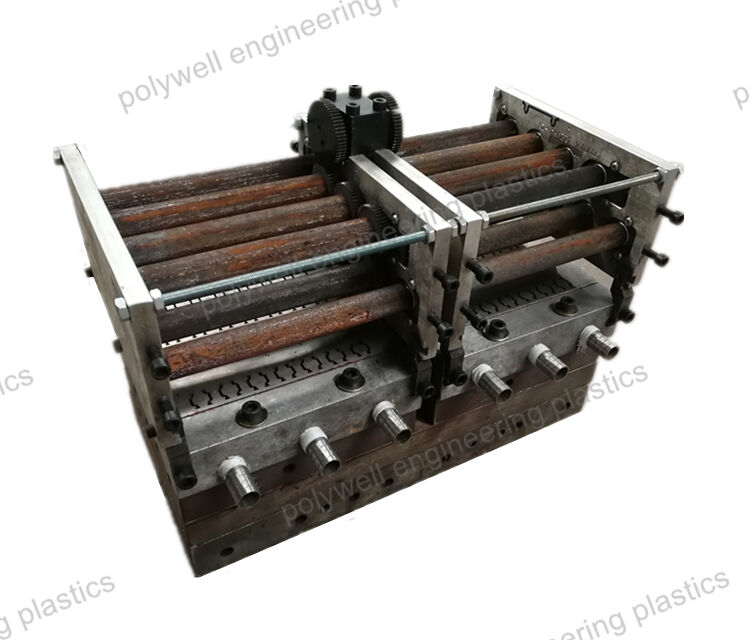
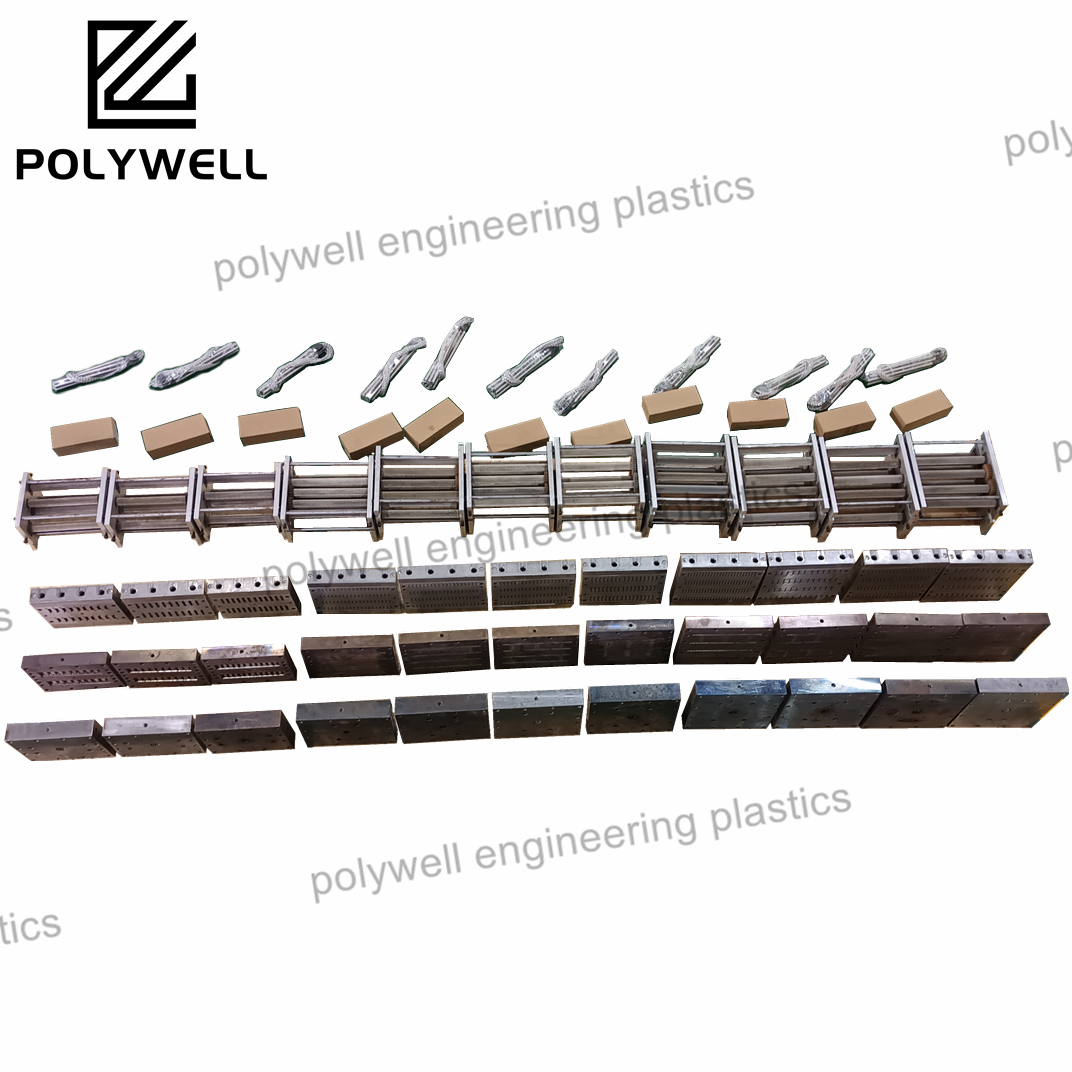
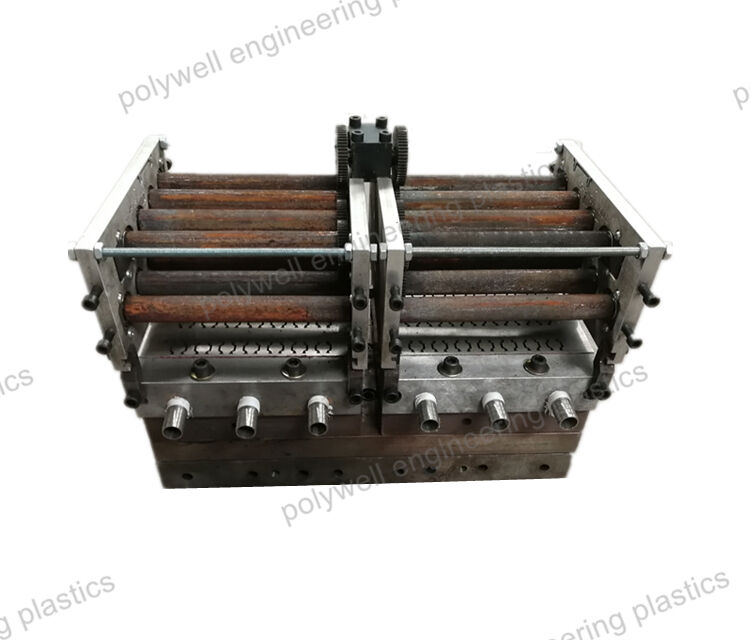
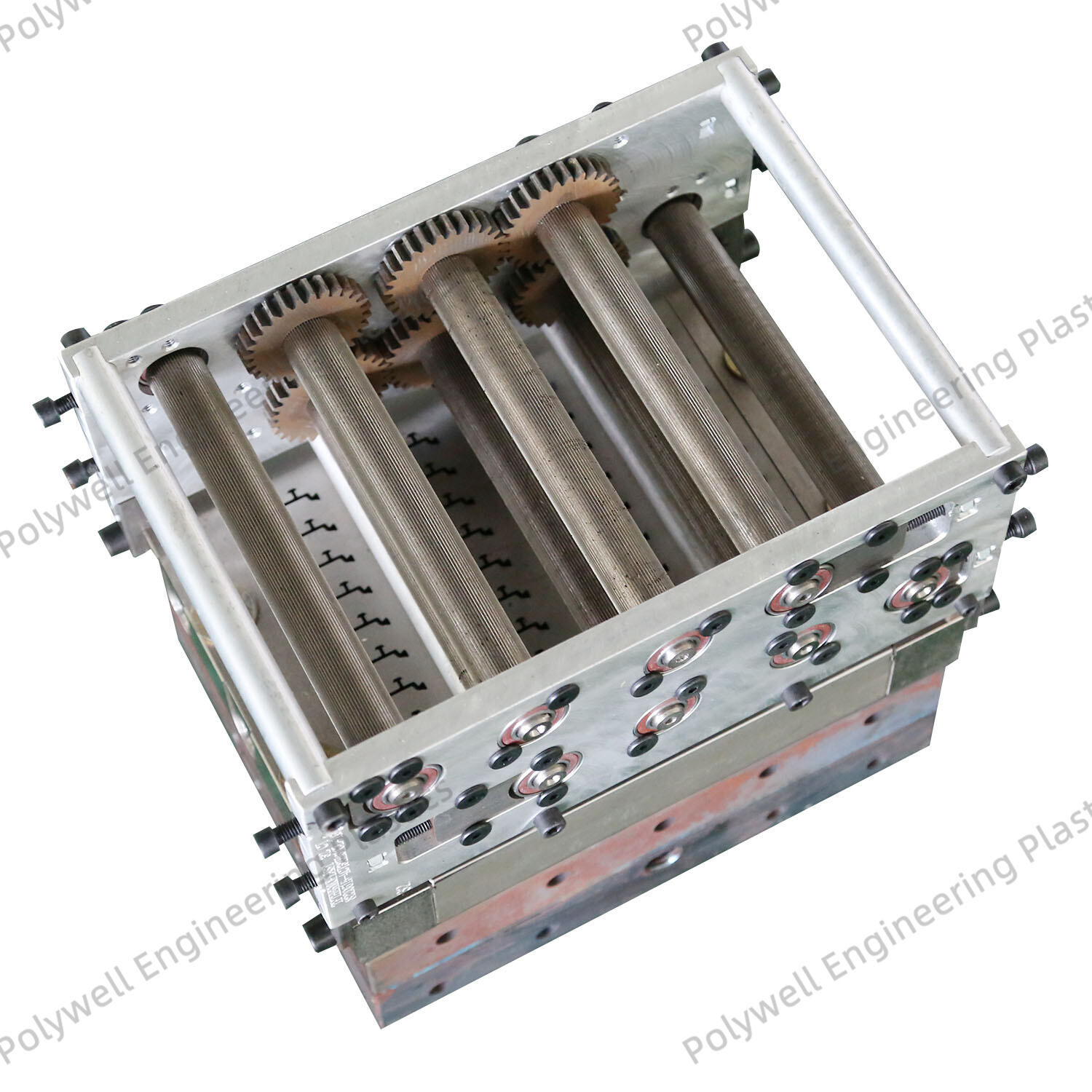
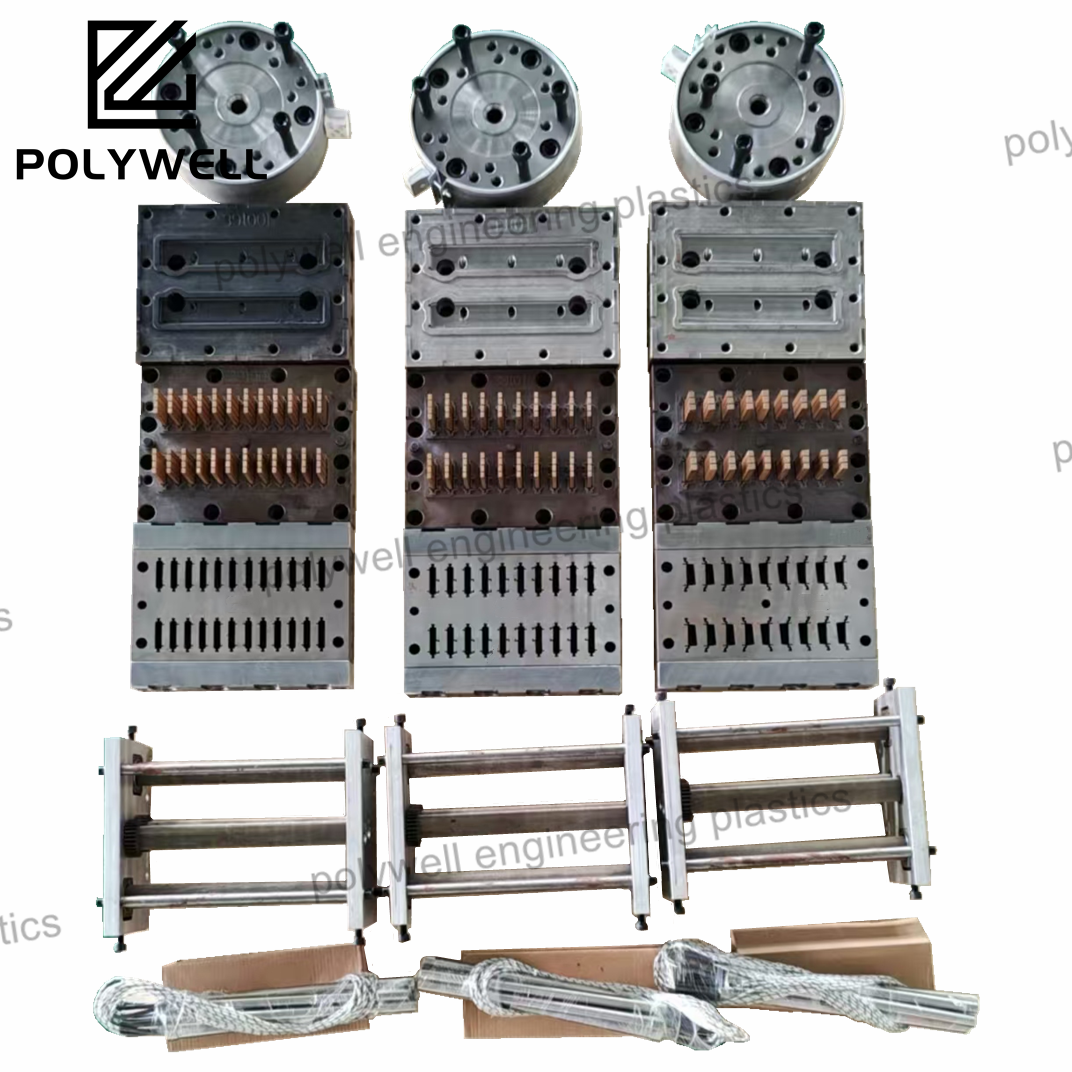
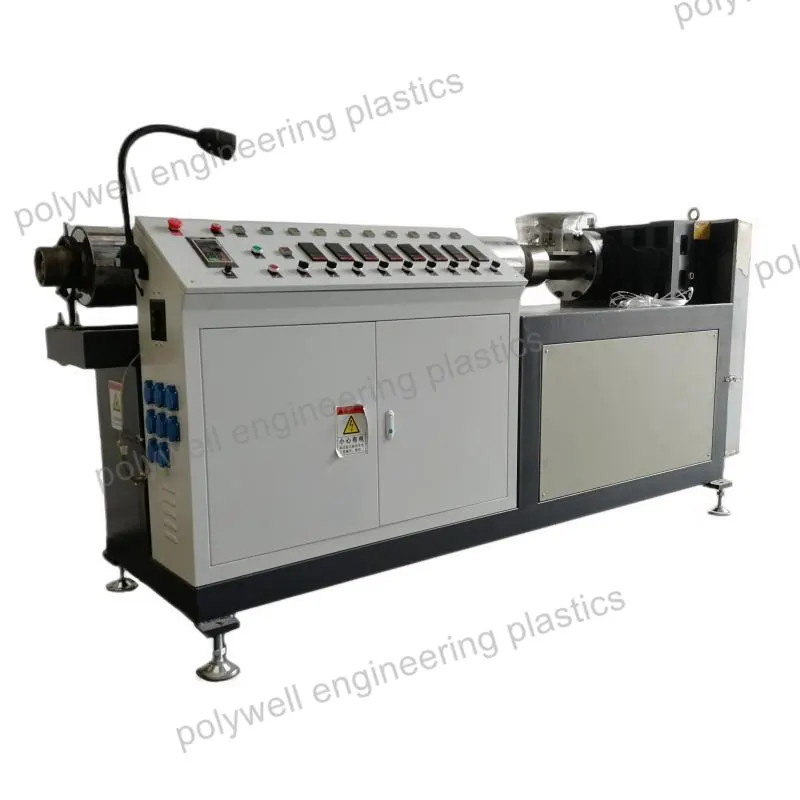
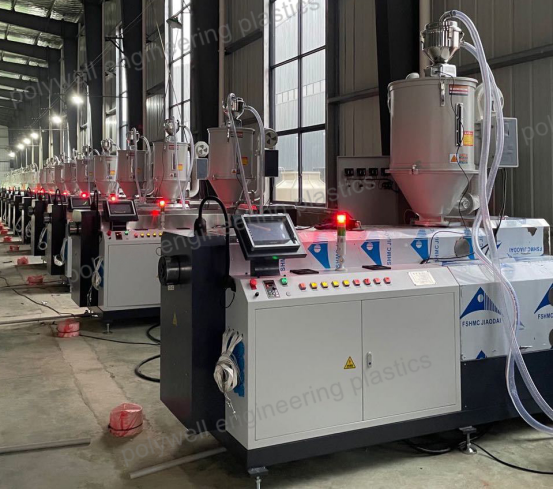
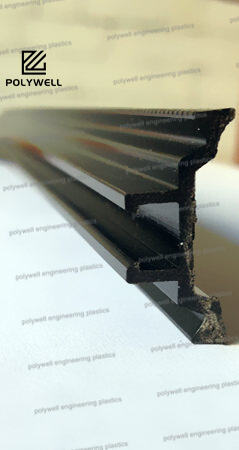
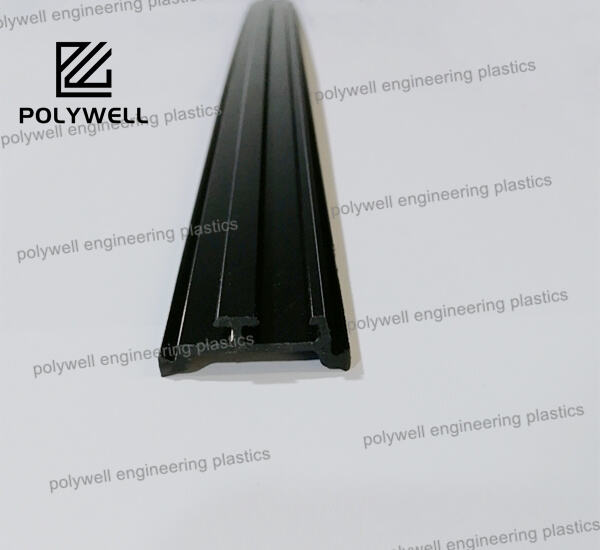
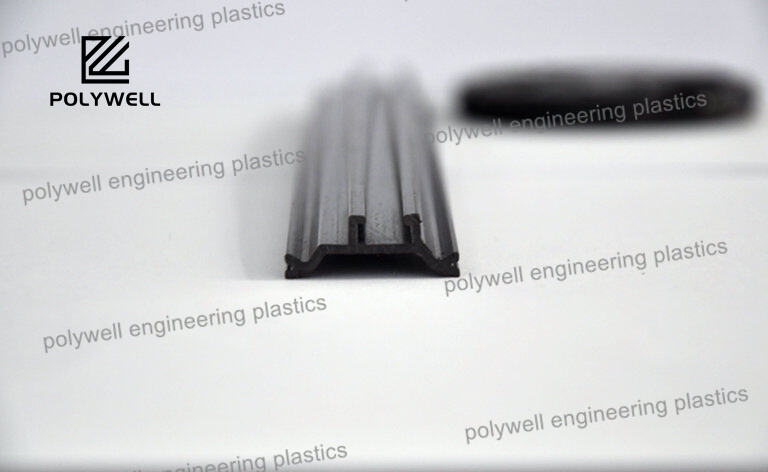
This page is dedicated to POLYWELL’s thermal break insulation solutions, centered on polyamide thermal break strips and supported by 15+ years of industry experience. It offers end to end support for thermal break insulation: raw materials for polyamide strips, specialized extruders, molds, and other production line equipment. The content includes DFM services to identify risks in thermal break insulation production, professional technical guidance (e.g., material processing temperature adjustments), and on site service to solve factory issues. Lifelong worker training ensures clients maintain thermal break insulation quality long term. Client testimonials (Mr. Paolo Celani praising die precision, Mr. Robin noting smooth strip performance) validate the solutions, and the 6 step cooperation process ensures efficient delivery of thermal break insulation products.
Get A Quote

 EN
EN