Pipe Warming Tape for Freeze Protection & Temp Control

All Categories

Reliable Pipe Warming Tape: Prevent Freezing & Maintain Pipe Temperature

This page focuses on reliable pipe warming tape (also called heat tape), a specialized heating solution designed to prevent pipe freezing in cold weather and maintain consistent temperatures for fluid transport in industrial settings. It details the tape’s design: a flexible, electric heating element encased in a weather resistant, insulated layer (suitable for indoor/outdoor use on metal, plastic, and copper pipes). The content covers key features, including adjustable temperature settings (some with thermostats to avoid overheating), easy installation (wraps around pipes, secured with tape), and safety certifications (e.g., UL, CE for electrical safety). It also includes applications: residential (protecting plumbing in basements, attics), commercial (maintaining water flow in outdoor pipes), and industrial (keeping chemical or oil pipes at operational temperatures).
Get A Quote

Advantages of the product

Superior Thermal Barrier with Low Conductivity Material

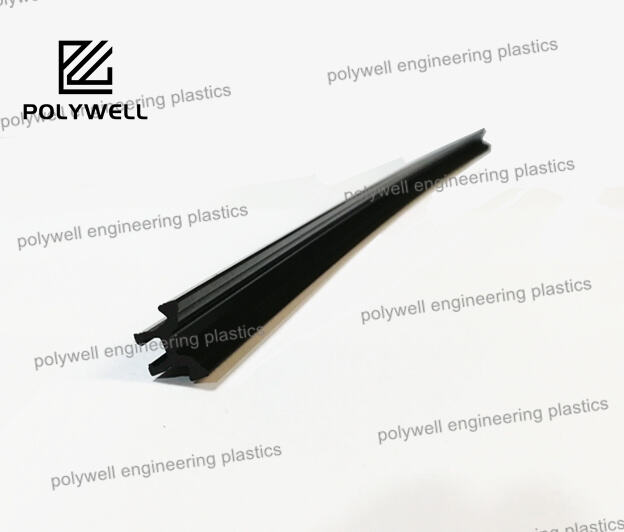
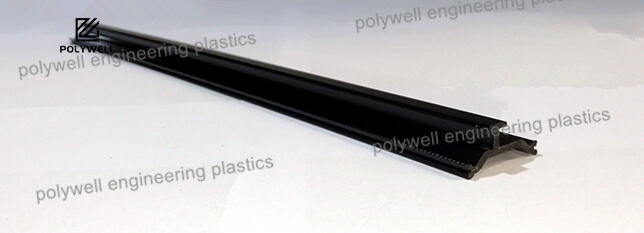
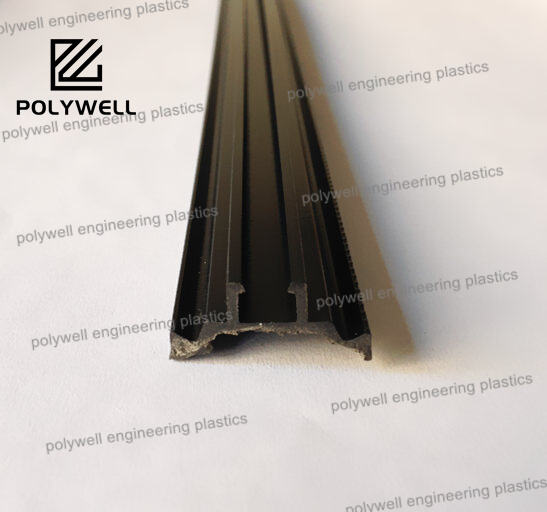
The core of our heat insulation capability lies in the exceptionally low thermal conductivity of our specially formulated polyamide materials. By strategically placing this barrier within conductive aluminum profiles, we drastically reduce the transfer of heat and cold. This directly translates to significant energy savings on heating and cooling, improved comfort by eliminating cold drafts, and prevention of problematic condensation on interior surfaces.

Related products

Pipe warming tape, commonly referred to as heat trace cable or heating tape, represents an active thermal management system designed to prevent freezing and maintain process temperatures in pipes, valves, and equipment. These systems comprise electrical heating elements embedded within insulating materials and protective jackets, controlled by thermostats or sophisticated electronic controllers. Fundamental operating principles involve resistive heating, where electrical current passing through specially formulated alloys generates precise amounts of heat along the entire length of the pipe. System designs vary from constant-wattage cables for basic freeze protection to self-regulating technologies that automatically adjust heat output based on ambient temperature, providing energy efficiency and preventing overheating. Advanced versions incorporate polymer-based conductive cores that increase resistance as temperature drops, delivering more heat where needed most. Installation requires careful attention to manufacturer specifications regarding watt density, circuit lengths, and thermal insulation covering to ensure optimal performance. Applications span residential (protecting exterior water pipes), commercial (maintaining hot water temperatures in circulation systems), and industrial (preventing viscosity increase in process fluids) settings. Performance considerations include maximum exposure temperature, chemical resistance, cut-to-length capability, and compatibility with various pipe materials. Modern systems integrate with building automation systems for remote monitoring and control, while safety features typically include ground-fault protection and overheating prevention. Electrical classifications range from standard household voltages to low-voltage systems for hazardous locations. The economic benefits include preventing costly freeze damage, reducing energy consumption compared to space heating, and maintaining process efficiency in industrial applications. Recent technological advancements include wireless monitoring capabilities, solar-powered options for remote locations, and smart controllers that learn usage patterns to optimize energy consumption. Proper specification requires analysis of pipe material, insulation quality, minimum ambient temperatures, and desired maintenance temperatures to ensure reliable operation across seasonal variations.

Frequently Asked Questions

How is the heat insulation performance of a thermal break strip measured?

The performance is primarily measured by the U value (or R value) of the final window or door assembly. The U value quantifies the rate of heat loss; a lower U value indicates better insulation. The thermal break strip's contribution is its low thermal conductivity and the length of the insulation path it creates. We engineer our strips to maximize this path and minimize conductivity, directly leading to lower, more efficient U values for the fenestration product.

Related Articles

Why Working with Experienced Plastic Extrusion Die Manufacturers Matters in Construction

28

Mar

Why Working with Experienced Plastic Extrusion Die Manufacturers Matters in Construction

Explore the crucial role of plastic extrusion die manufacturers in construction, focusing on quality, cost-effectiveness, and advanced technologies like polyamide thermal break strips. Discover how experience enhances product durability and offers custom solutions for modern architectural needs.
View More
Efficient Winding Machines for Streamlined Thermal Break Strip Handling

28

Mar

Efficient Winding Machines for Streamlined Thermal Break Strip Handling

Discover the significance of efficient winding machines in thermal break strip handling, optimizing insulation quality and production efficiency with innovative materials like PA66GF25 granules and recycled PA66.
View More
Winding Machine Roles in Thermal Break Strip Lines

29

Aug

Winding Machine Roles in Thermal Break Strip Lines

Struggling to generate high-quality leads? Discover proven B2B SEO tactics that boost visibility, drive conversions, and grow your business. Start ranking higher today.
View More
Daily Inspection of Single Screw Extruder for Thermal Break Strip Production

17

Sep

Daily Inspection of Single Screw Extruder for Thermal Break Strip Production

Ensure peak extrusion performance with our daily inspection checklist for single screw extruders in thermal break strip production. Prevent downtime and maintain quality—download your free guide now.
View More

customer evaluation

Madison

The effective heat insulation prevents cold surfaces, which in turn inhibits mold growth. We have received positive feedback from homeowners about improved comfort and air quality. It's a feature that truly enhances the living experience.

Get a Free Quote

Our representative will contact you soon.
Email
Name
Company Name
Message
0/1000
Superior Thermal Barrier Performance

Superior Thermal Barrier Performance

The core of our heat insulation capability lies in the exceptionally low thermal conductivity of our specially formulated polyamide materials When integrated into an aluminum profile the strip creates a high resistance barrier to heat flow This directly translates to significant energy savings on heating and cooling improved comfort by eliminating cold drafts and prevention of problematic condensation on interior surfaces
Maintains Performance in Extreme Climates

Maintains Performance in Extreme Climates

Our thermal break strips are engineered to retain their mechanical properties and insulating performance across a wide temperature range from freezing winters to hot summers The material does not become brittle in the cold or soften excessively in the heat ensuring the insulation remains effective and the structural integrity of the fenestration product is uncompromised year round in any climate
Contributes to Green Building Certifications

Contributes to Green Building Certifications

Effective heat insulation is a cornerstone of energy efficient building design By incorporating our high performance thermal breaks window and door manufacturers can significantly improve the thermal performance of their products This helps buildings achieve higher energy ratings and meet the stringent requirements for international green building standards such as LEED BREEAM and Passive House adding value and marketability
Inquiry Inquiry Email Email WhatsApp WhatsApp Wechat Wechat
Wechat
TopTop

Related Search