POLYWELL Thermal Glue Strips & Polyamide Thermal Break Solutions with 15+ Years of Expertise
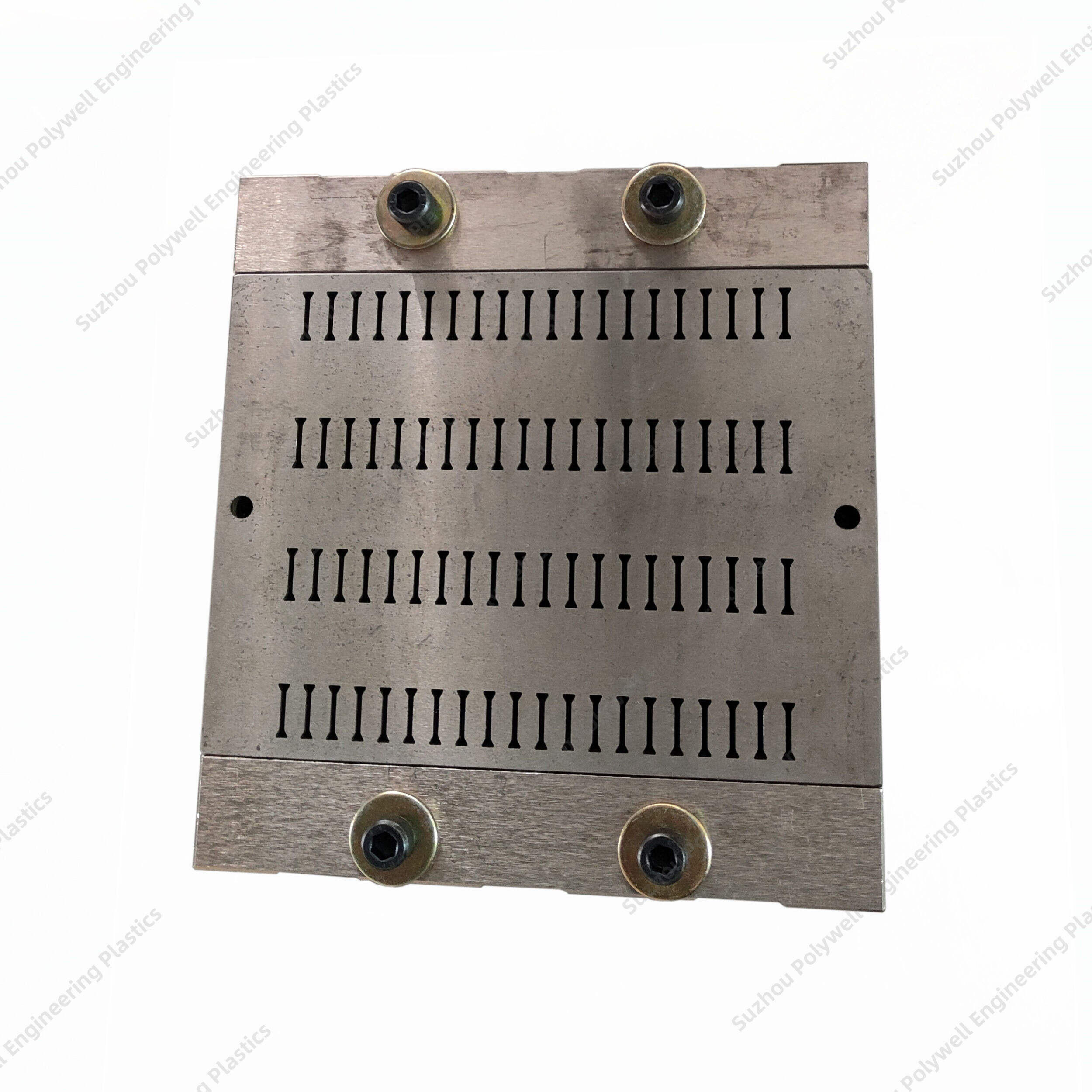
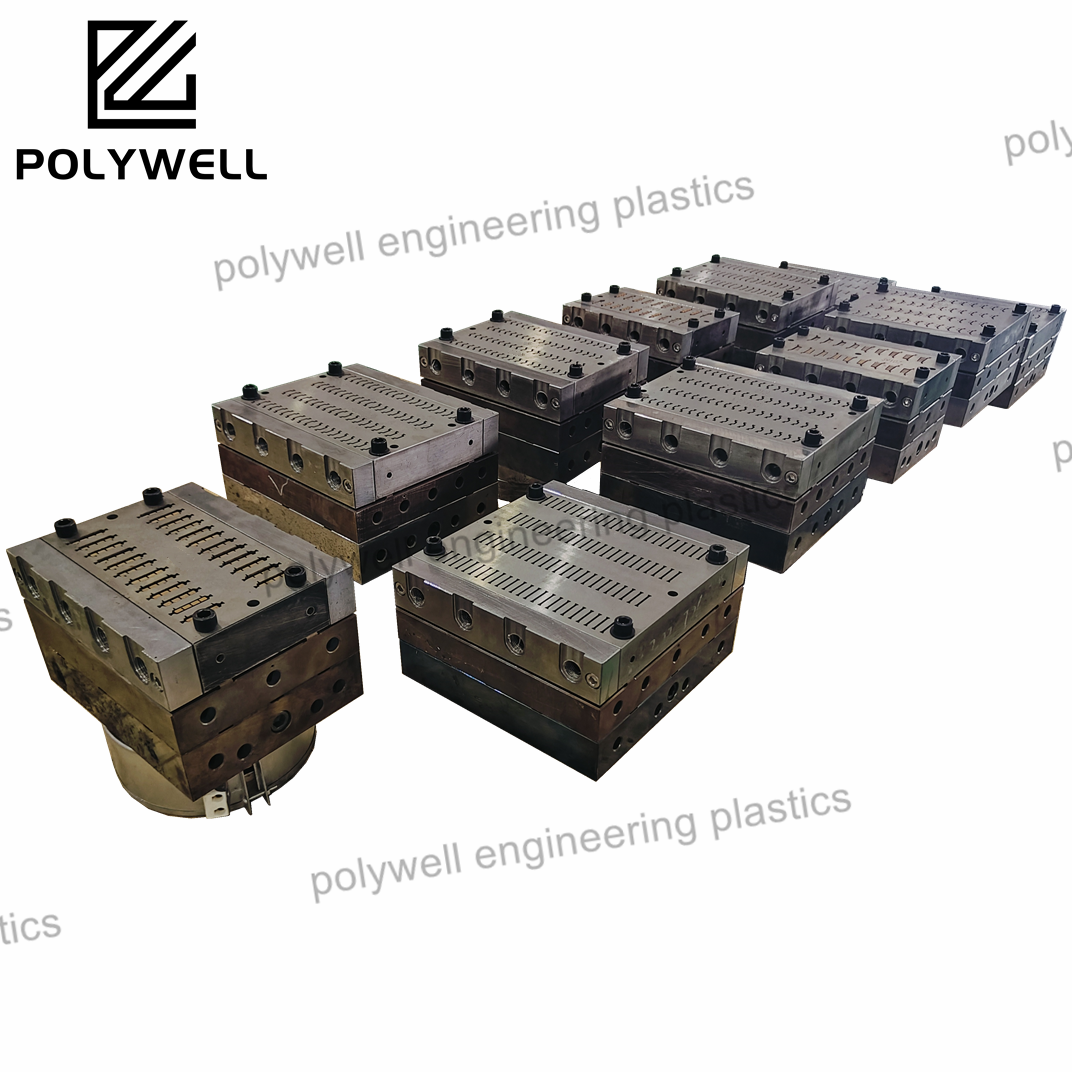
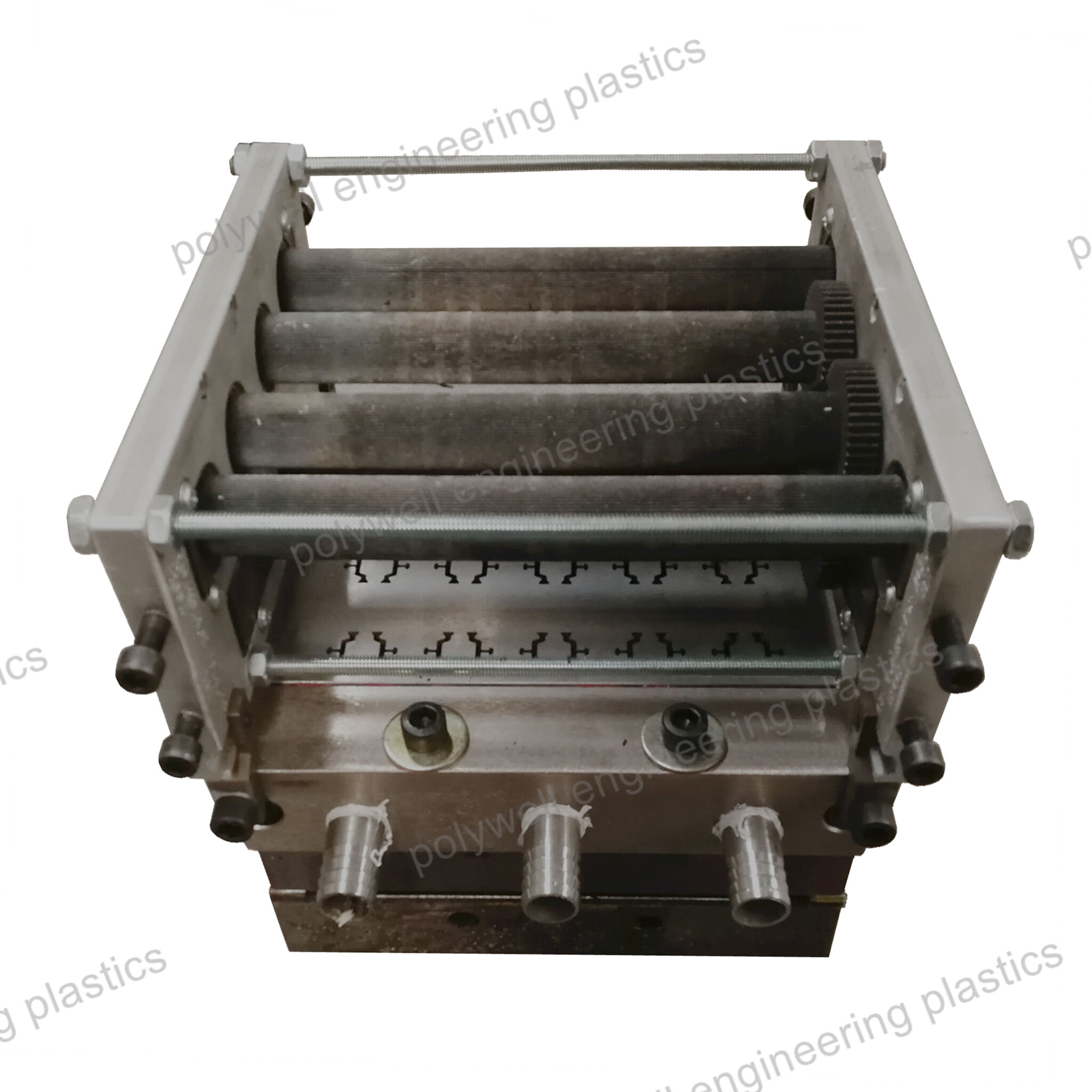
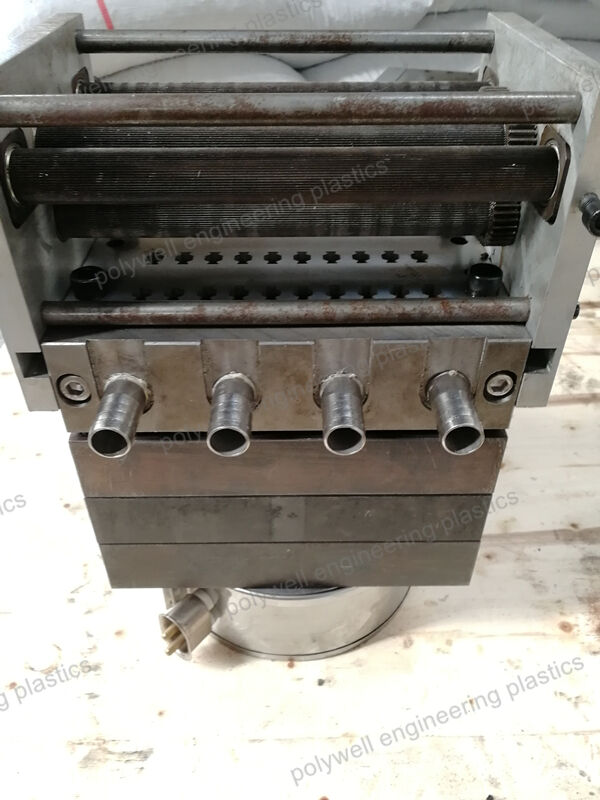
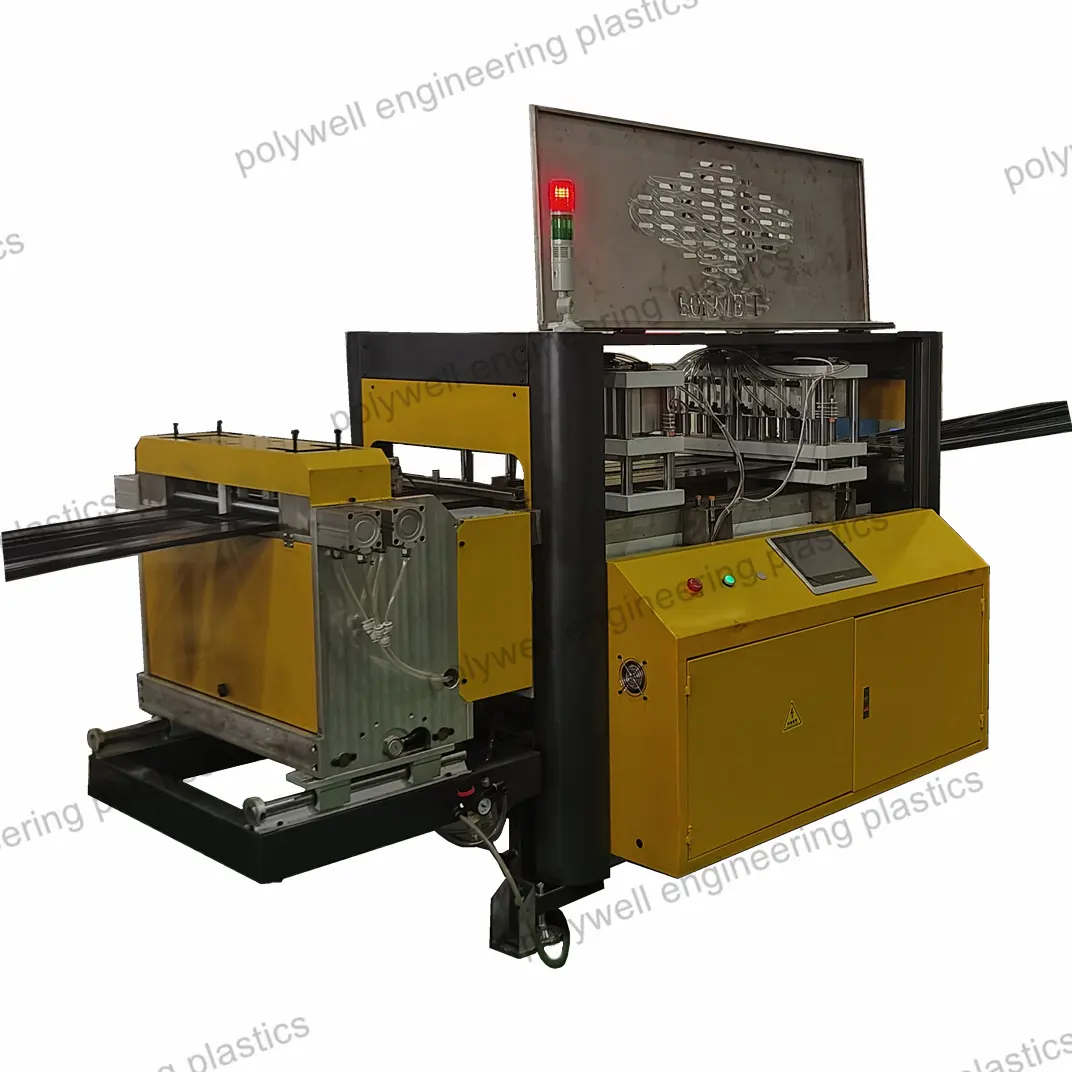
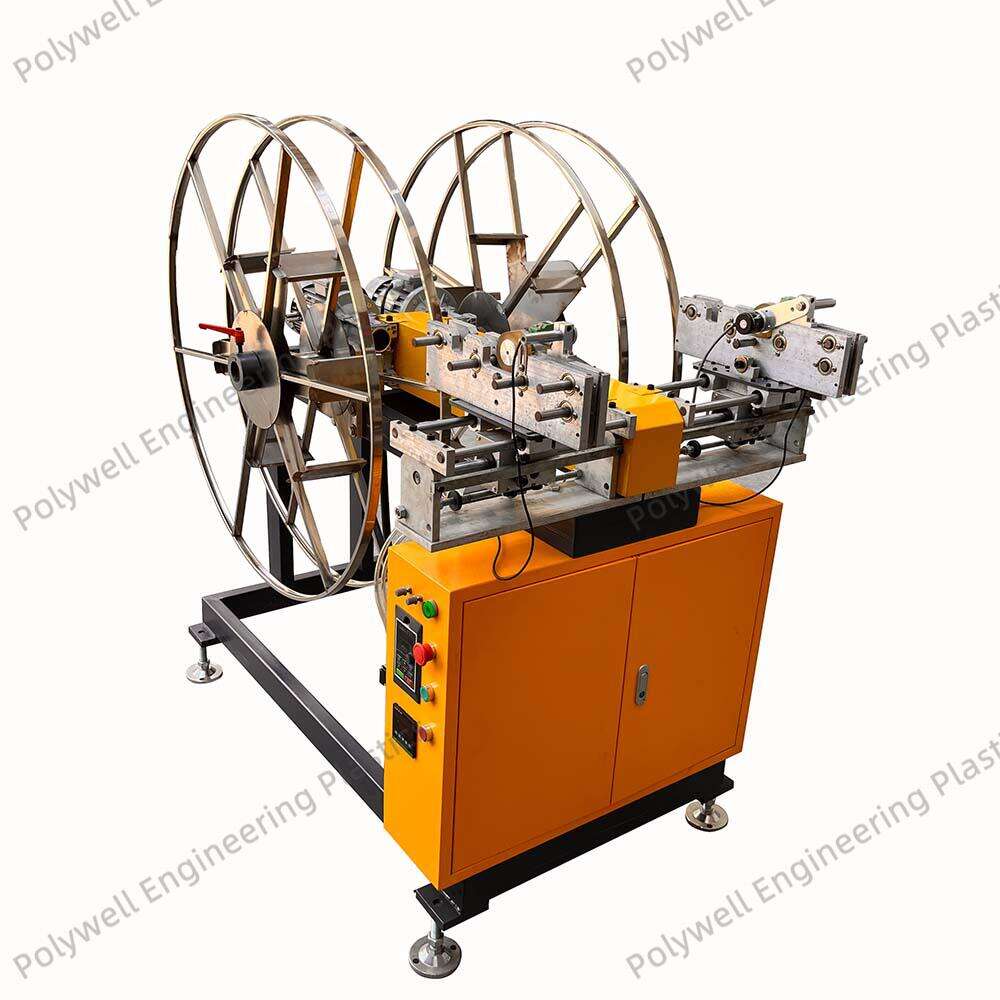
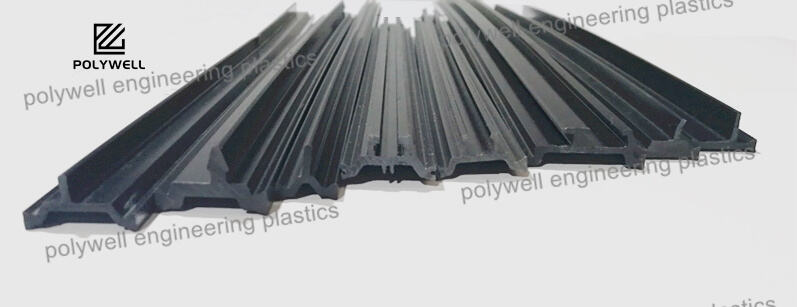
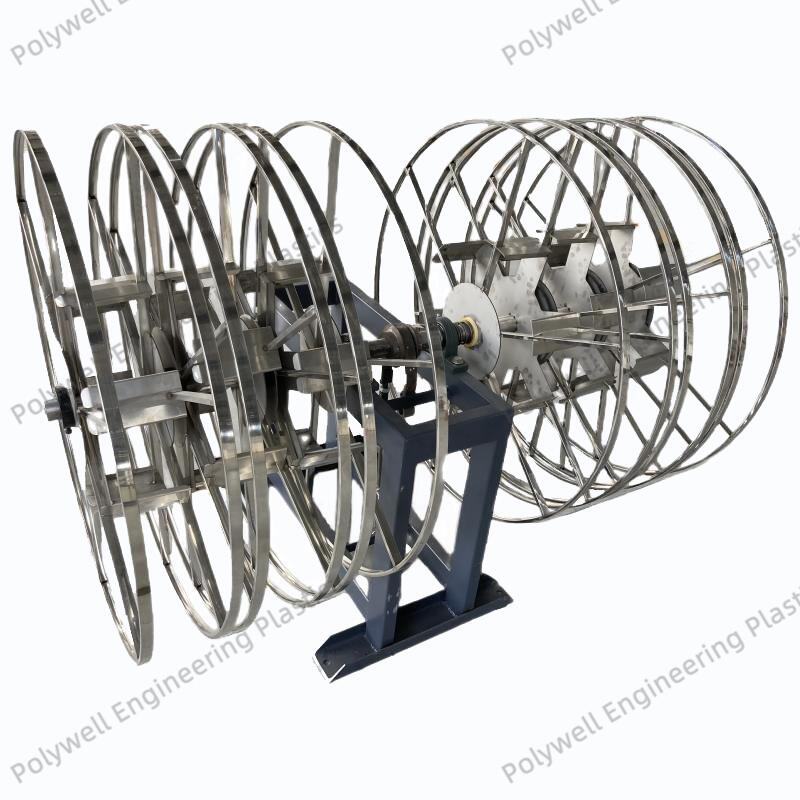
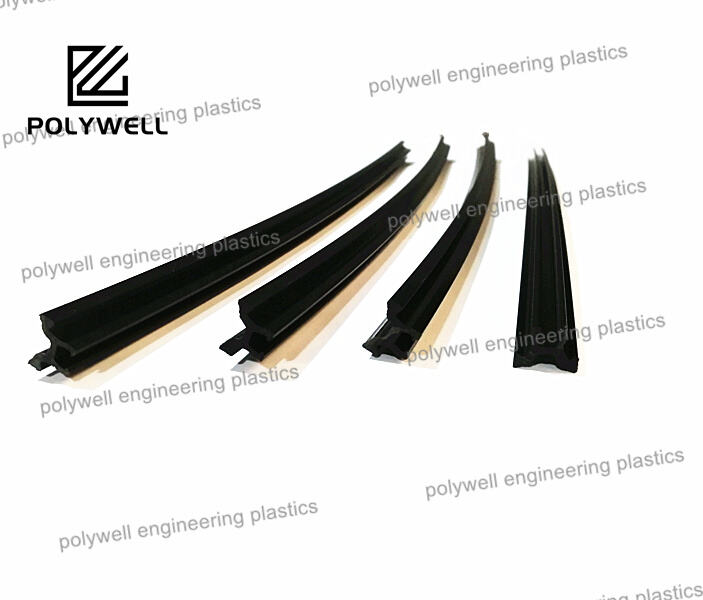
This page from POLYWELL covers thermal glue strips alongside its core polyamide thermal break strips, providing integrated solutions for thermal insulation needs. Backed by 15+ years of experience, POLYWELL offers high quality thermal glue strips, paired with polyamide strip raw materials, extruders, and molds for a full thermal insulation workflow. The content includes technical support for thermal glue strips and polyamide strip production—such as optimizing processing parameters—and DFM services to mitigate production risks. On site service addresses on factory challenges, while client feedback (e.g., Mr. Paolo Celani praising precise dies) validates product quality. The clear cooperation steps ensure tailored thermal glue strips and polyamide solutions, serving both manufacturers and end users seeking efficient thermal insulation.
Get A Quote

 EN
EN