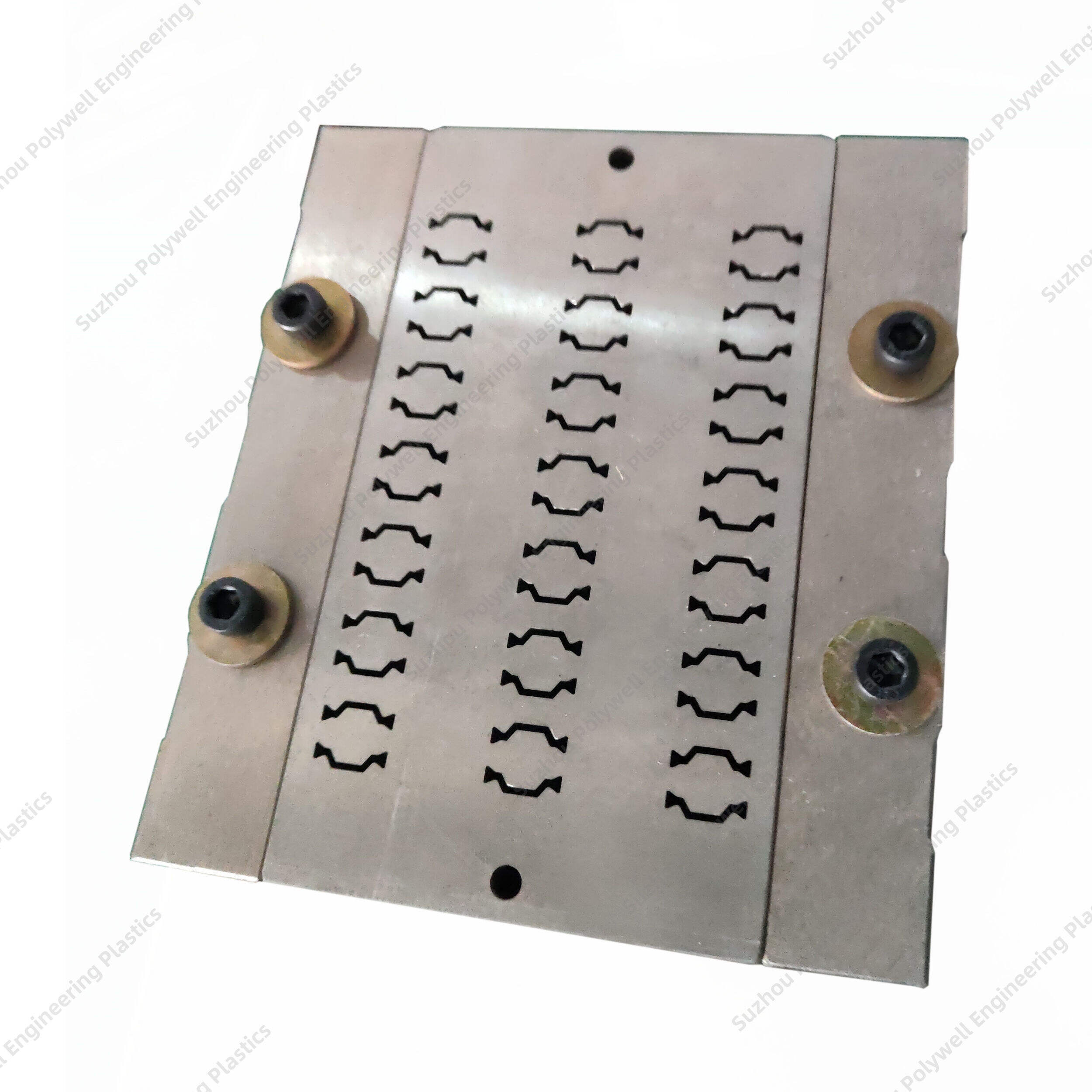
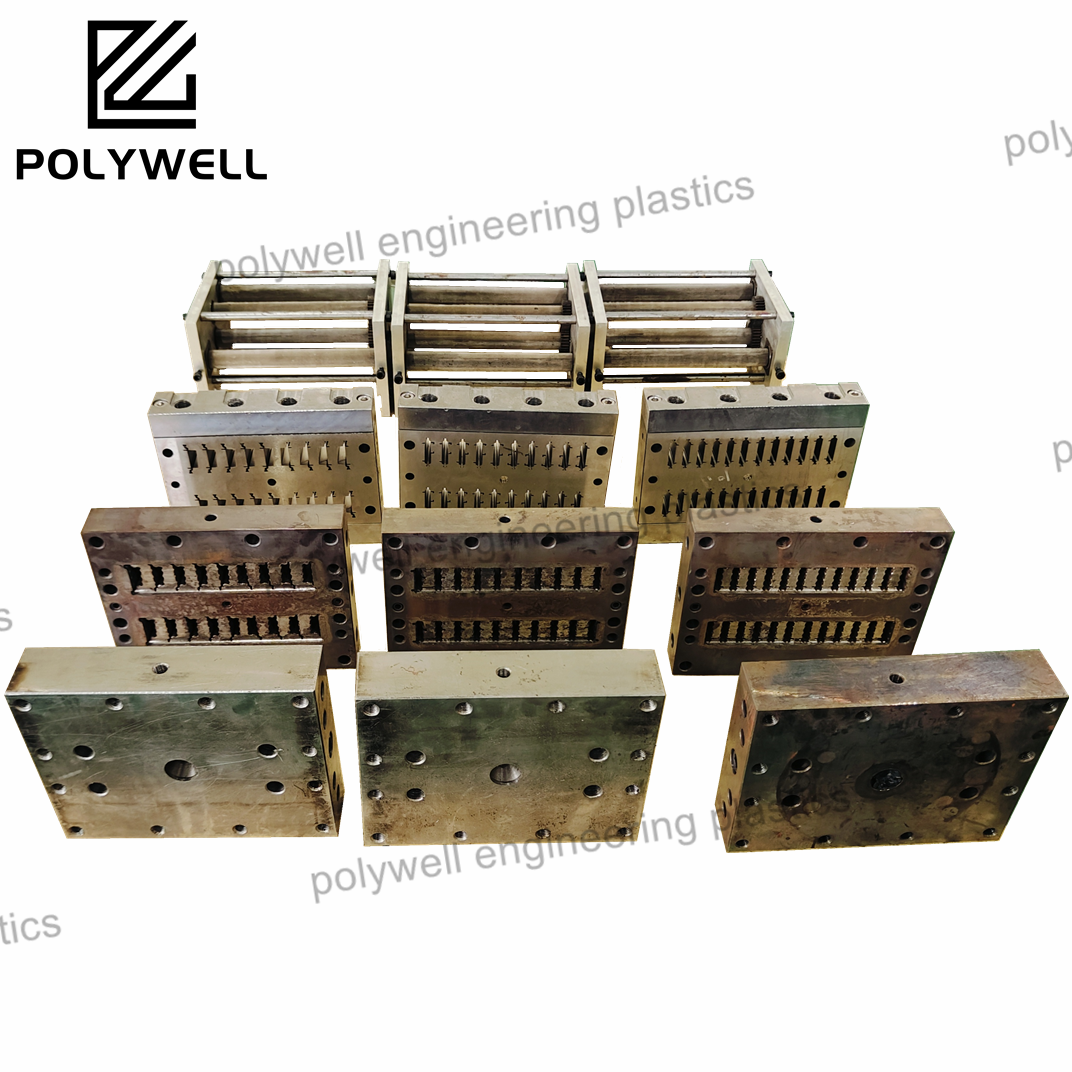
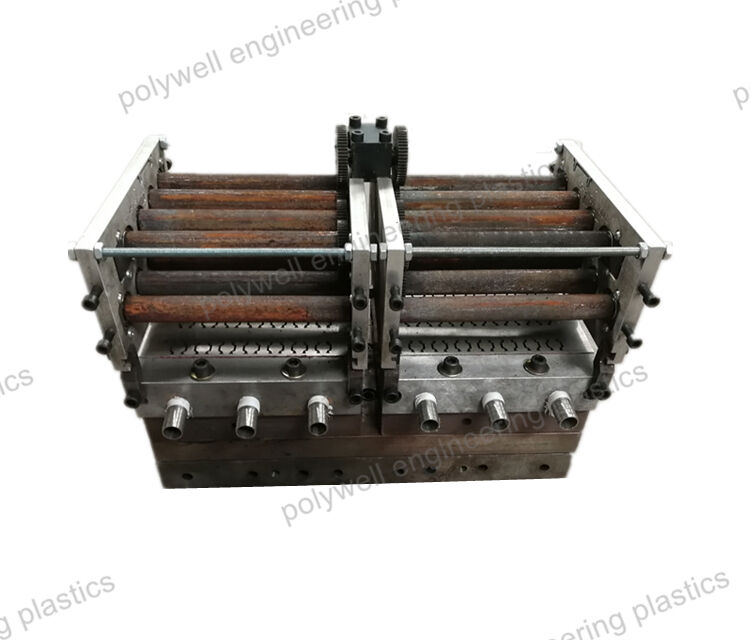
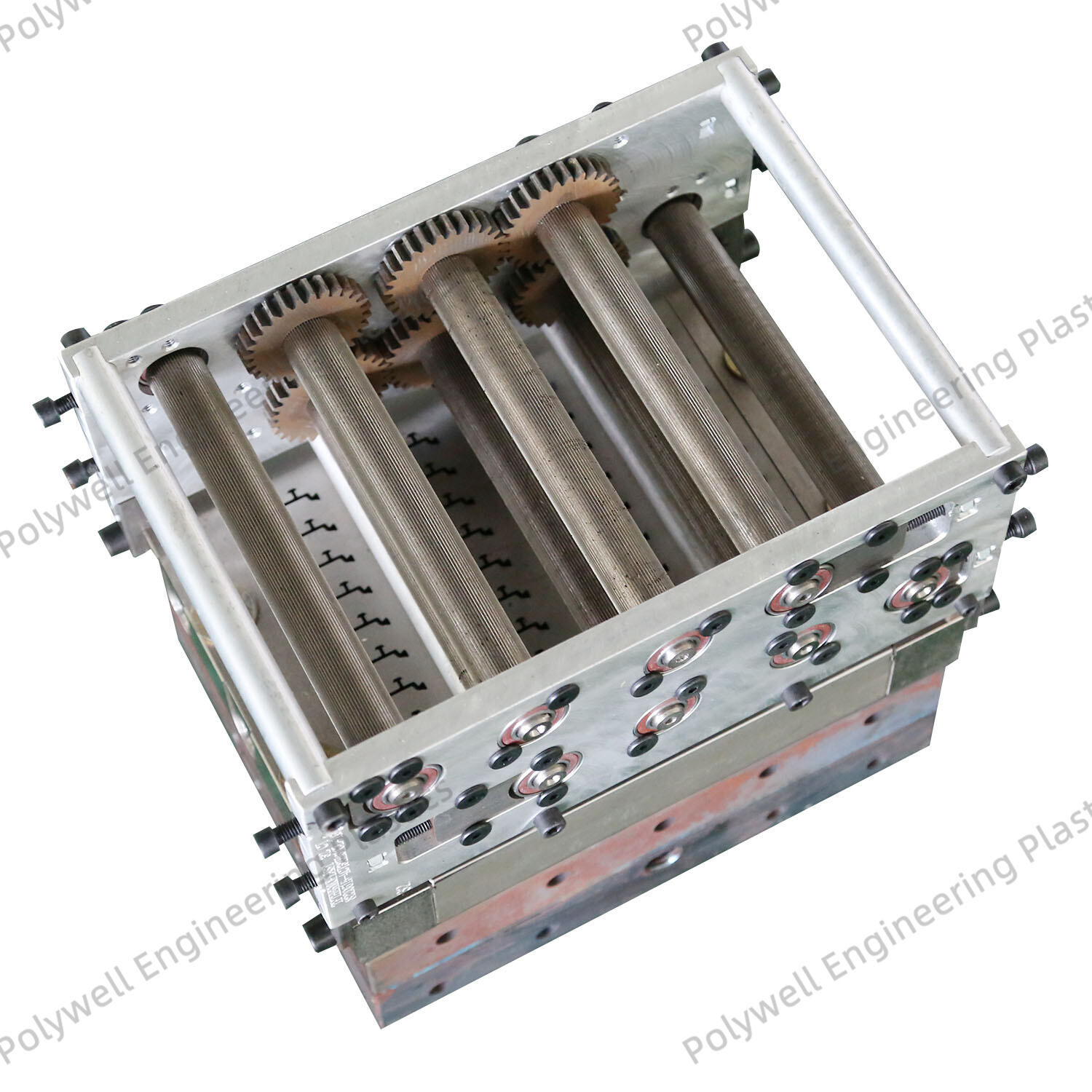
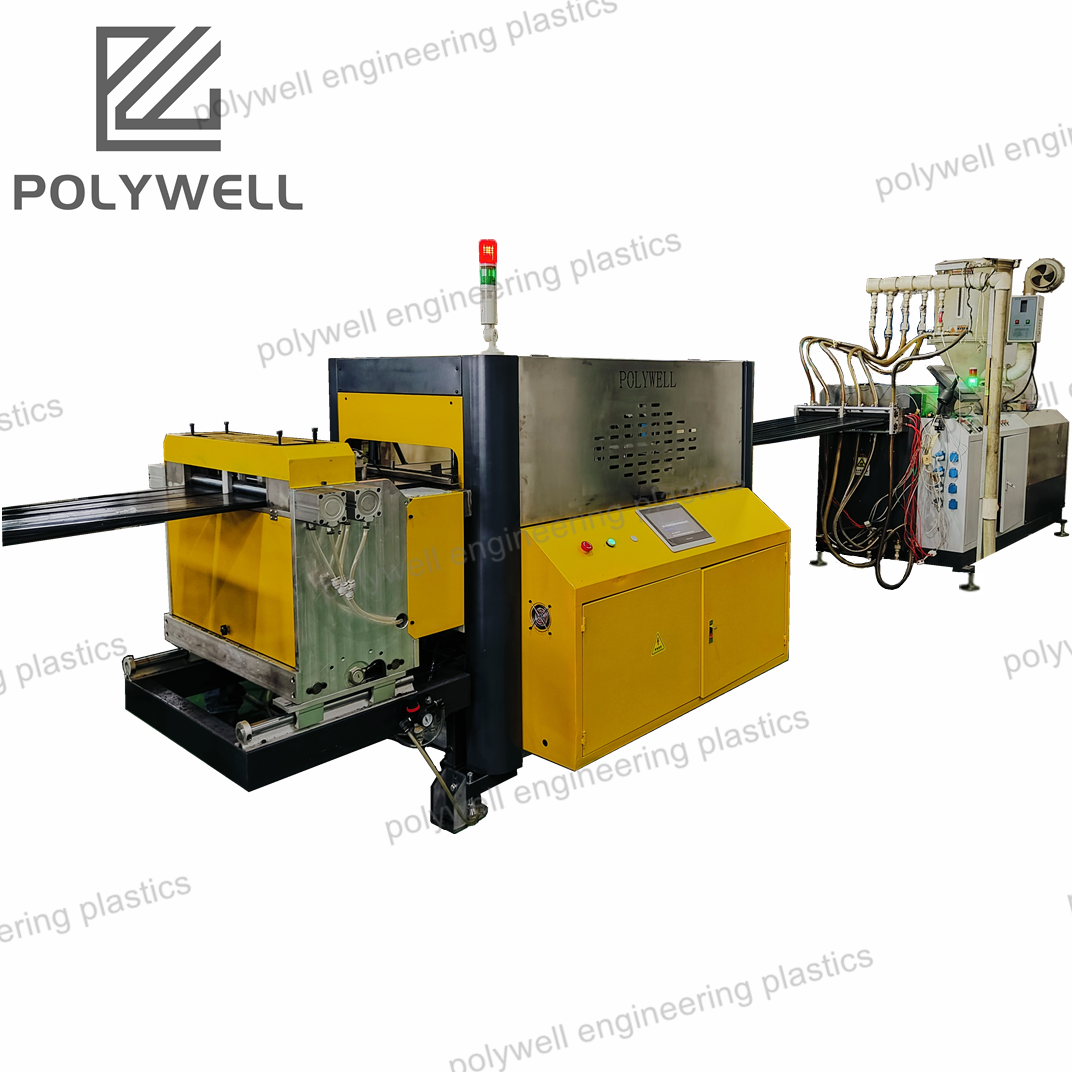
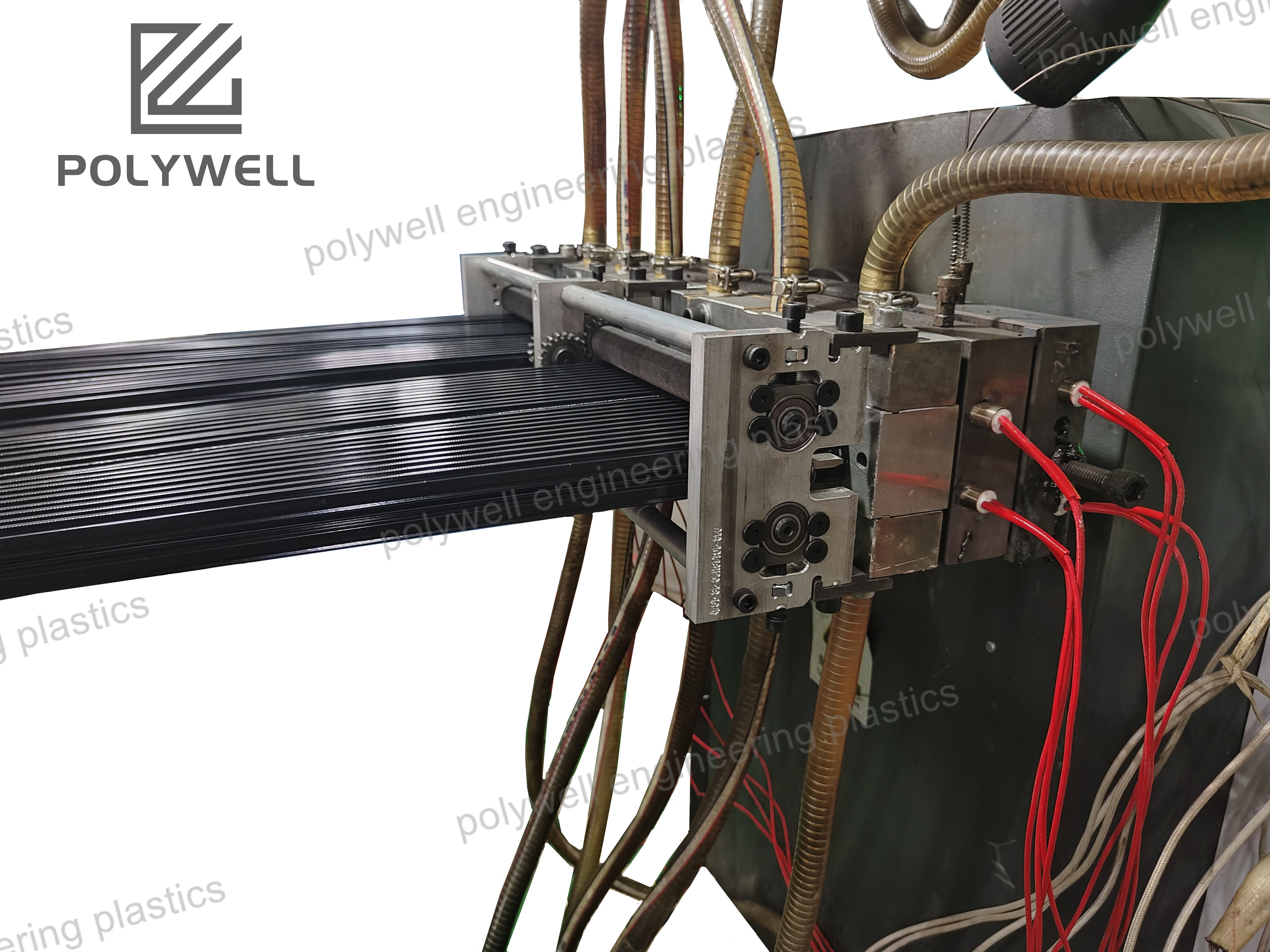
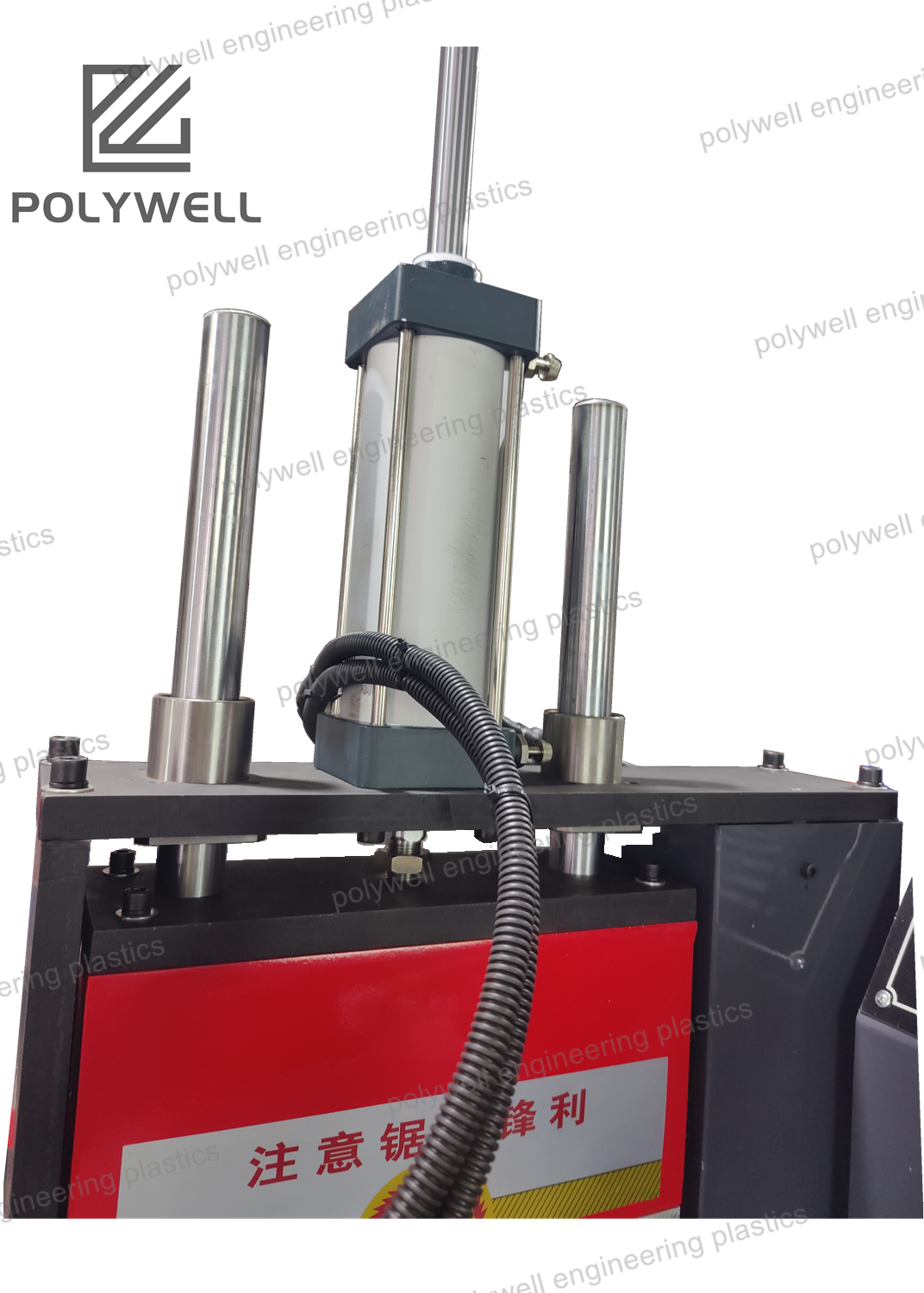
POLYWELL PVC Extruder: Complementary Equipment for Plastic Profile Production
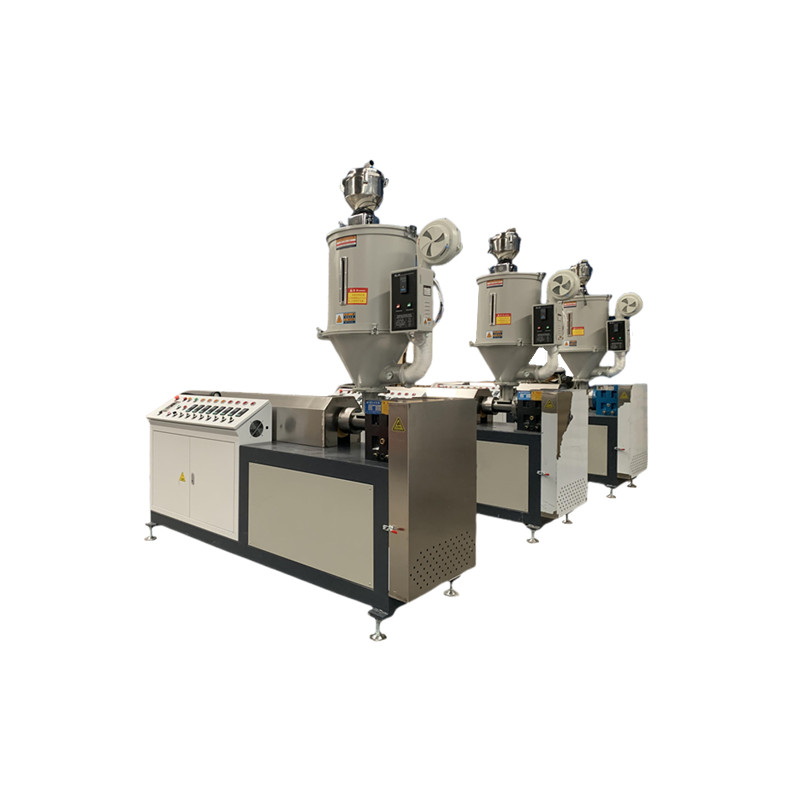
This page from POLYWELL offers PVC extruders as part of its broader plastic extrusion solutions, complementing its core polyamide thermal break strip offerings and backed by 15+ years of extrusion expertise. The PVC extruder features designs to handle PVC’s processing needs (e.g., stable temperature control), with technical support for setup and operation. POLYWELL provides DFM services to integrate PVC extruders into production lines, on site service to resolve issues, and lifelong training. Client testimonials (Mr. Tiago praising extruder usability) confirm equipment quality, and the 6 step cooperation process (drawing → quote → customization → delivery) ensures manufacturers get tailored PVC extruder solutions.
Get A Quote

 EN
EN