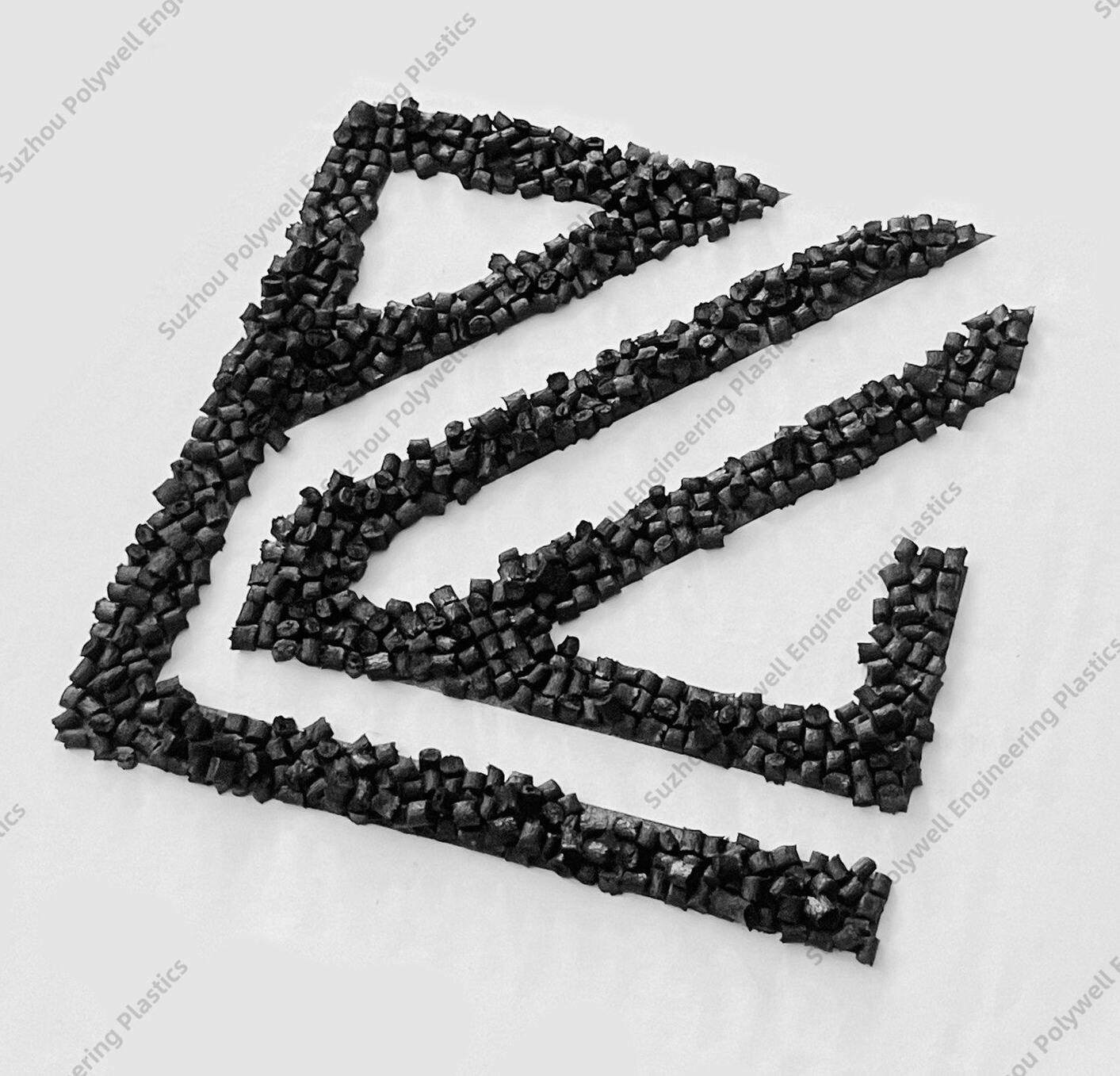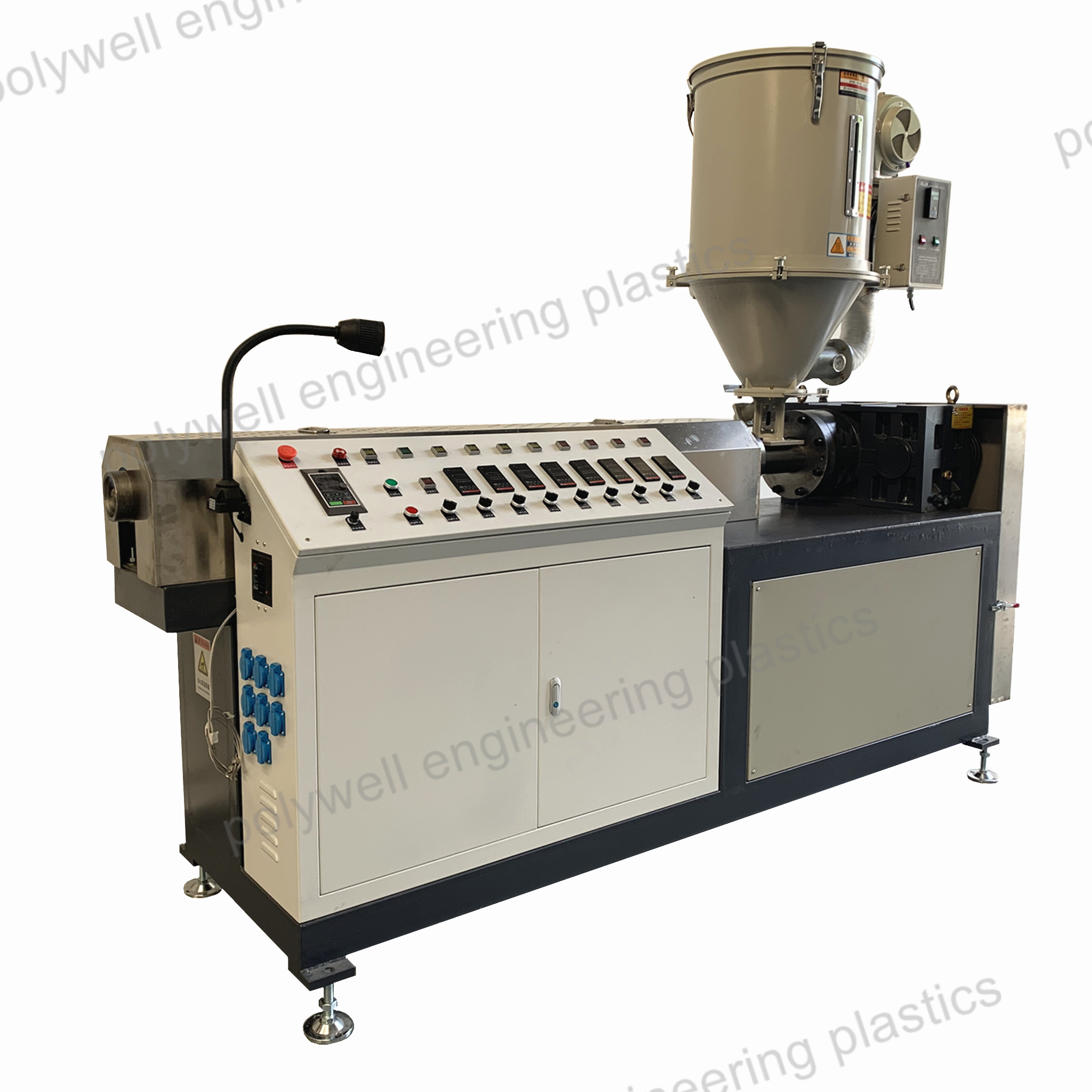
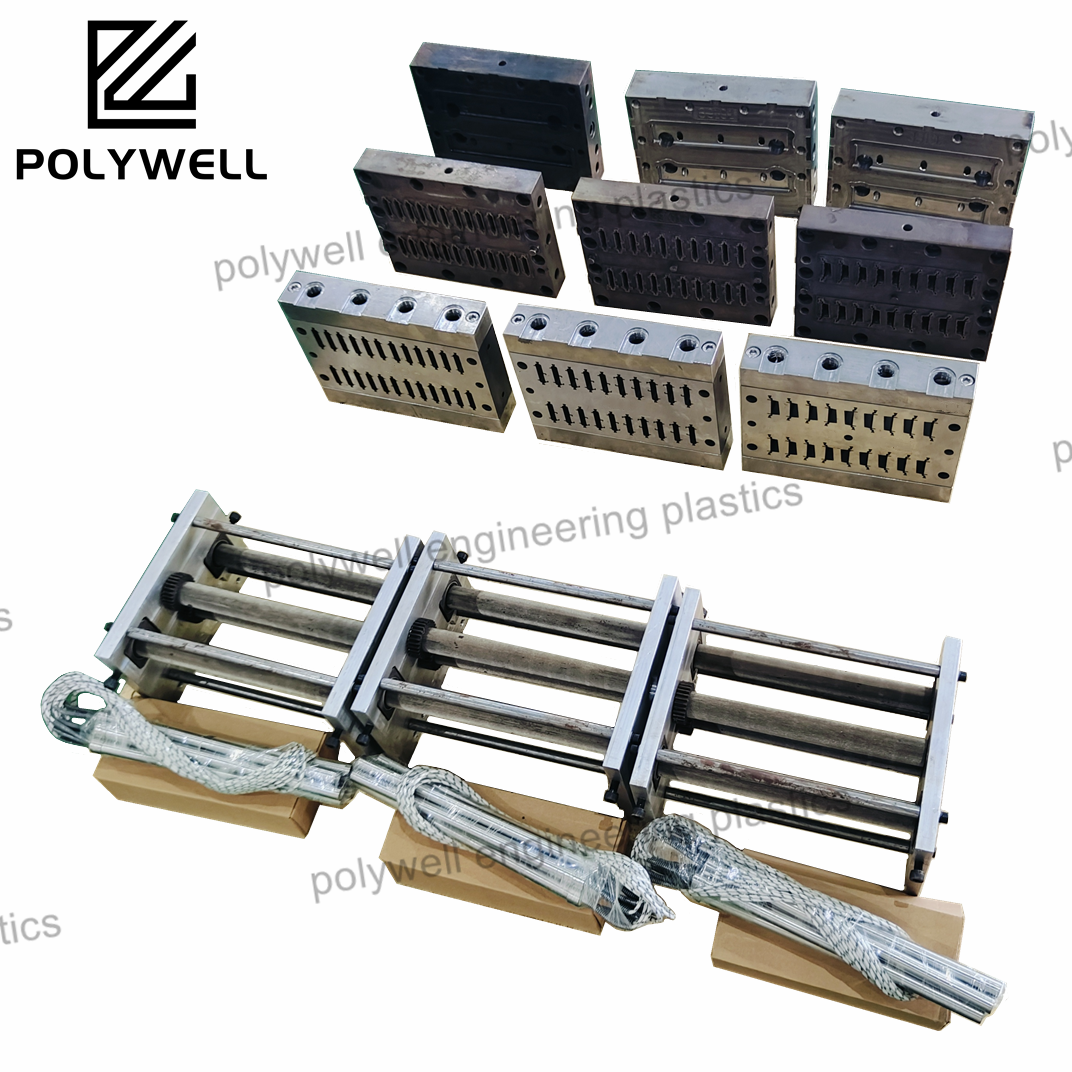
A polymer extruder is a fundamental industrial machine designed for the continuous processing and shaping of thermoplastic and thermoset polymeric materials. It operates on the principle of converting solid polymer resin, typically in pellet or powder form, into a homogeneous, pressurized melt that is then forced through a shaped orifice called a die to create a continuous product with a fixed cross-section. The core of the machine is a screw rotating within a heated barrel, which is responsible for the sequential functions of feeding, compacting, plasticizing, melting, mixing, venting, and metering the polymer. The design of this screw is highly specialized and varies significantly depending on the specific polymer's rheology; for instance, a screw for processing crystalline Polyamide 66 (PA66) used in thermal break strips would differ markedly from one used for amorphous PVC. Polymer extruders are classified primarily by screw count, with single-screw variants being prevalent for their simplicity and cost-effectiveness in profile and sheet extrusion, while twin-screw extruders offer superior mixing and are preferred for compounding filled materials or processing heat-sensitive polymers. The performance of a polymer extruder is gauged by its ability to deliver a stable, uniform melt at a consistent pressure and temperature, which are prerequisites for achieving dimensional stability and specified mechanical properties in the final extrudate. It is the central component in a larger system that includes upstream material handling and downstream cooling, pulling, and cutting units, making it an indispensable tool in the manufacture of a vast array of products, from simple plastic trims to complex engineering profiles critical to modern construction and industry.