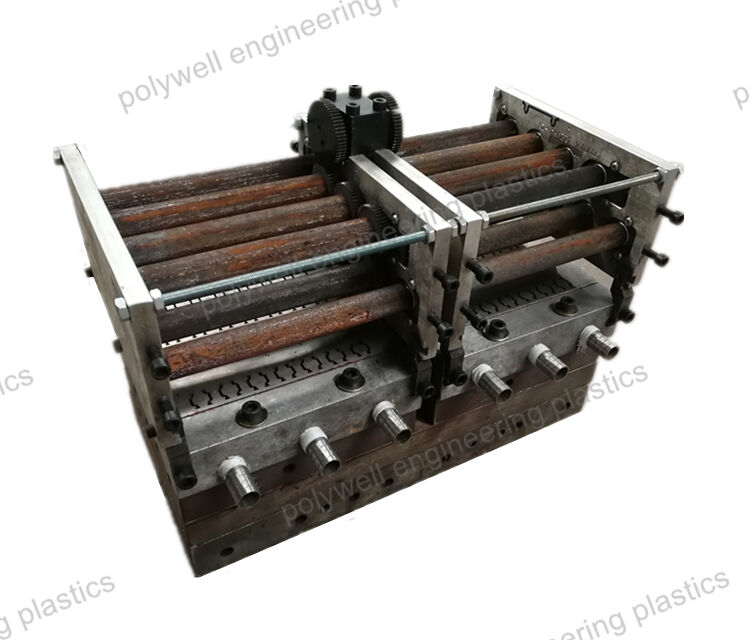
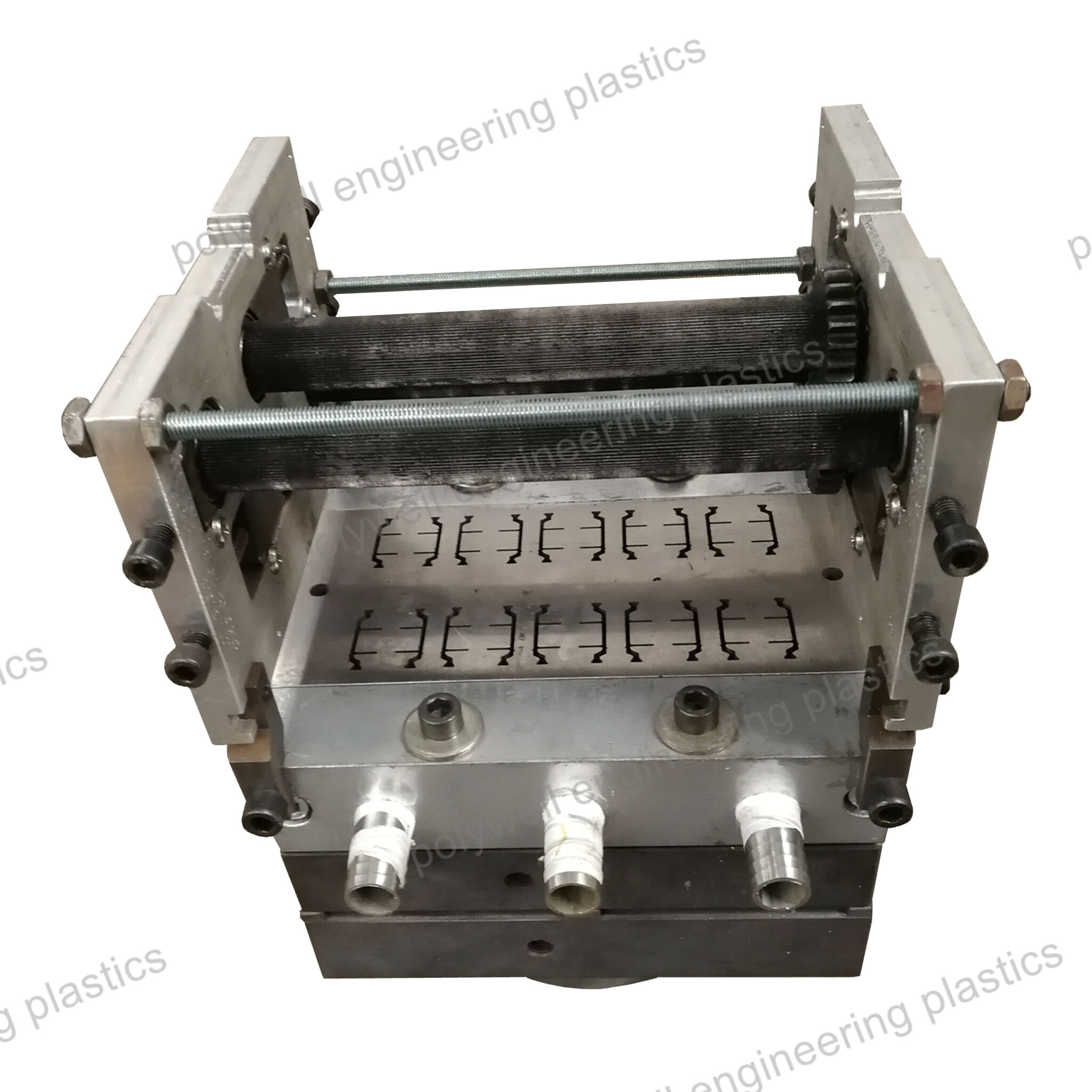
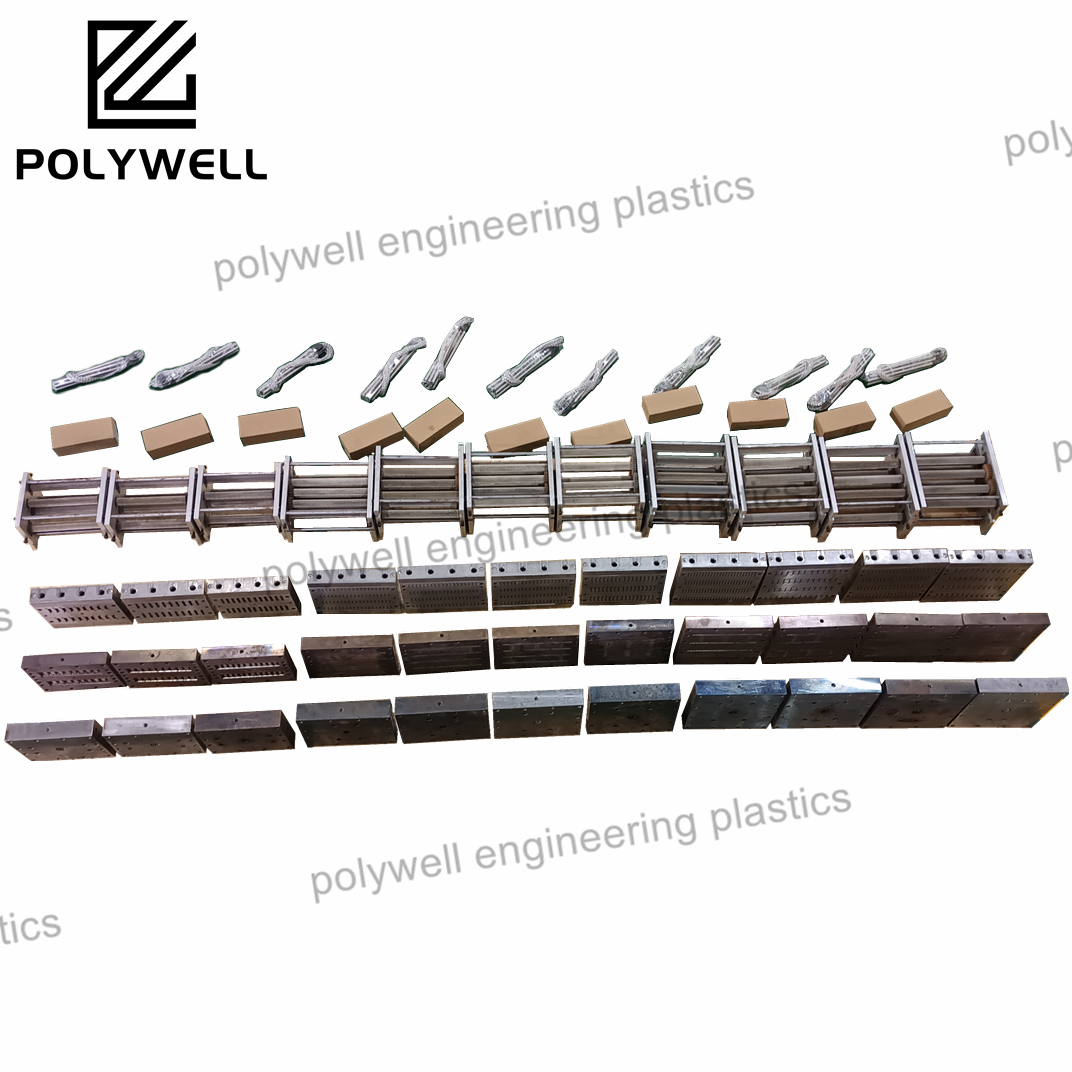
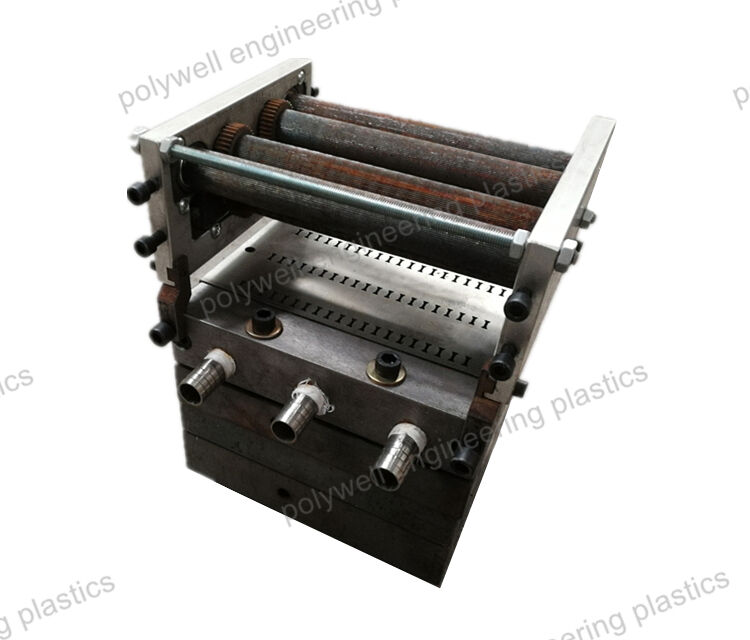
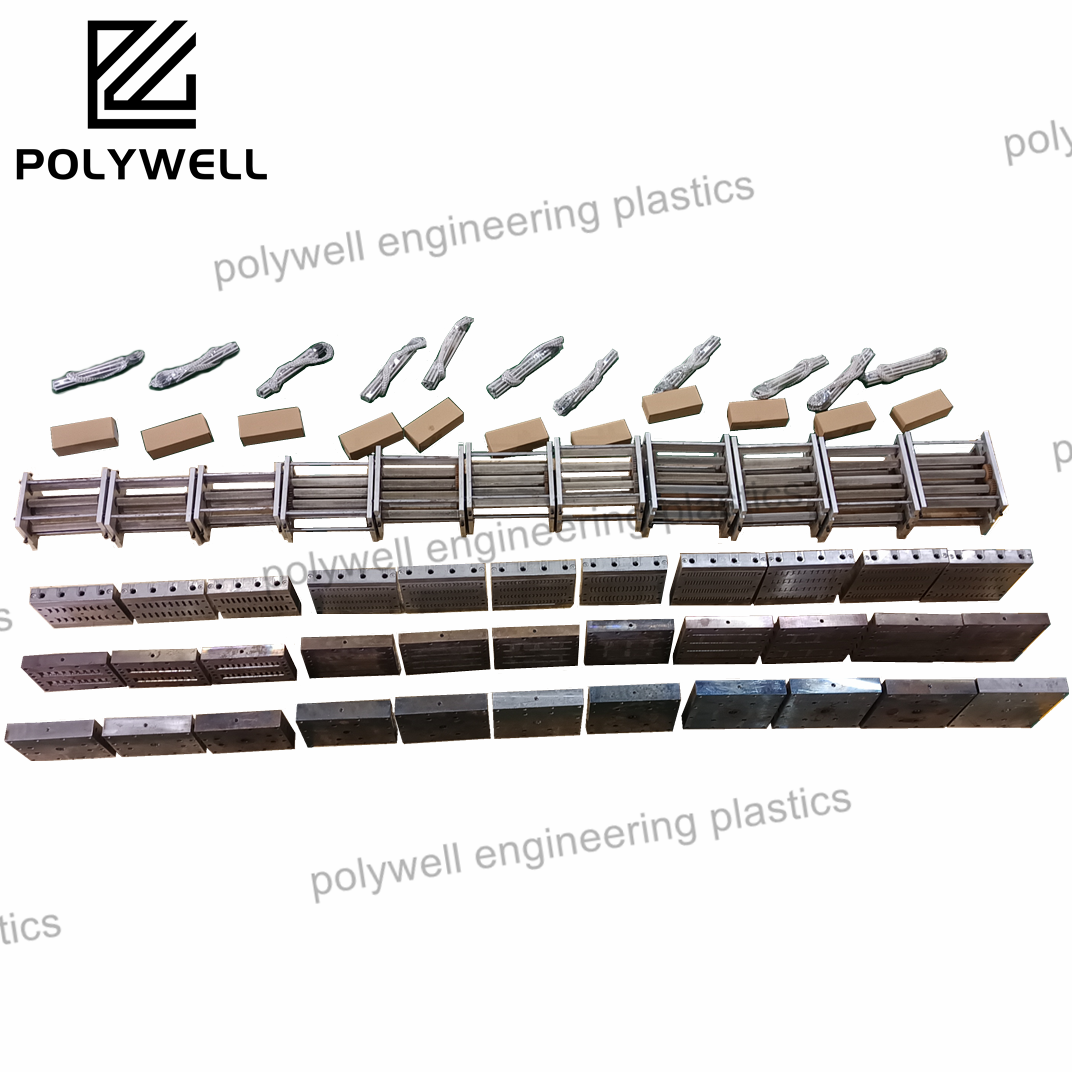
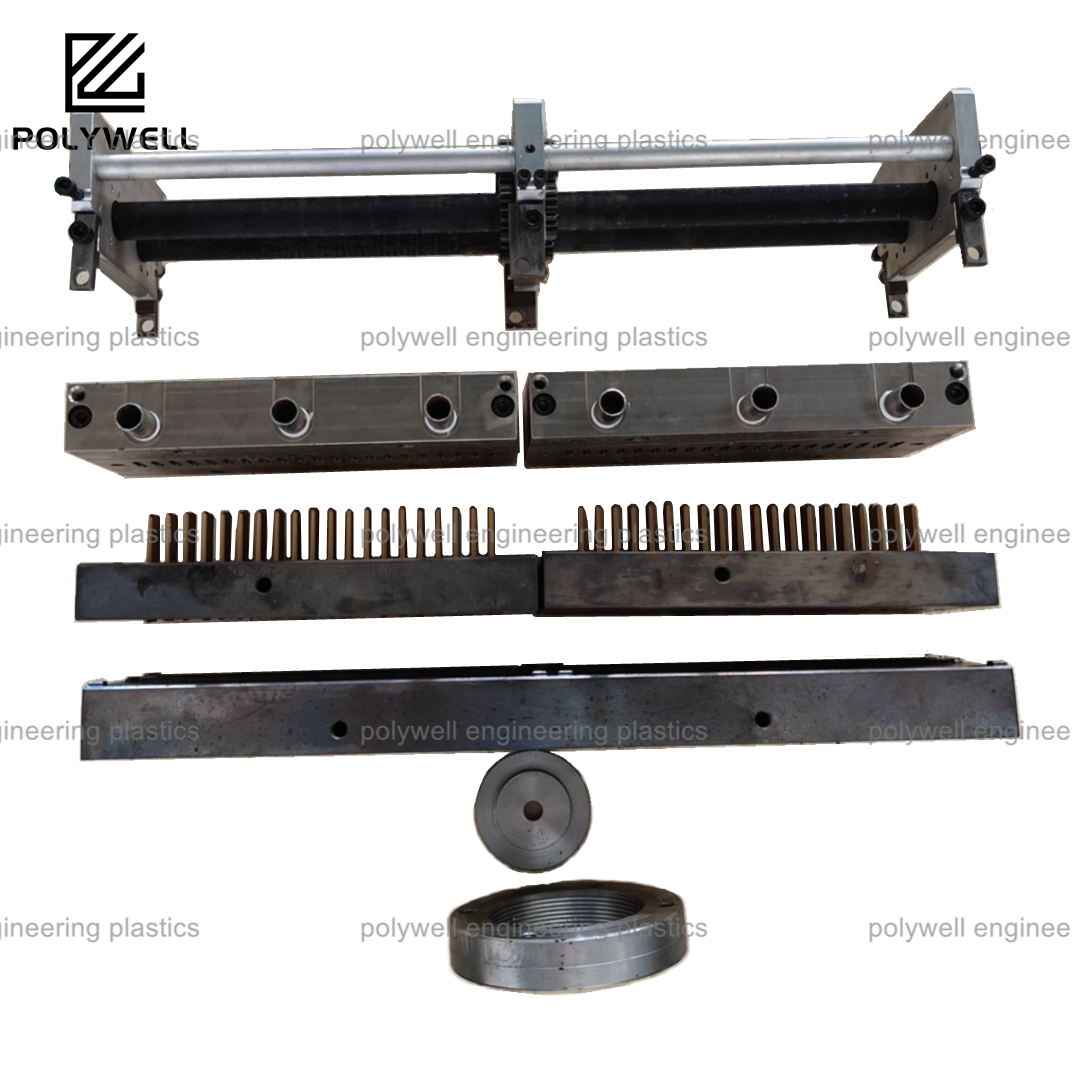
Professional Plastic Injection Mold Design: Durability & Production Efficiency
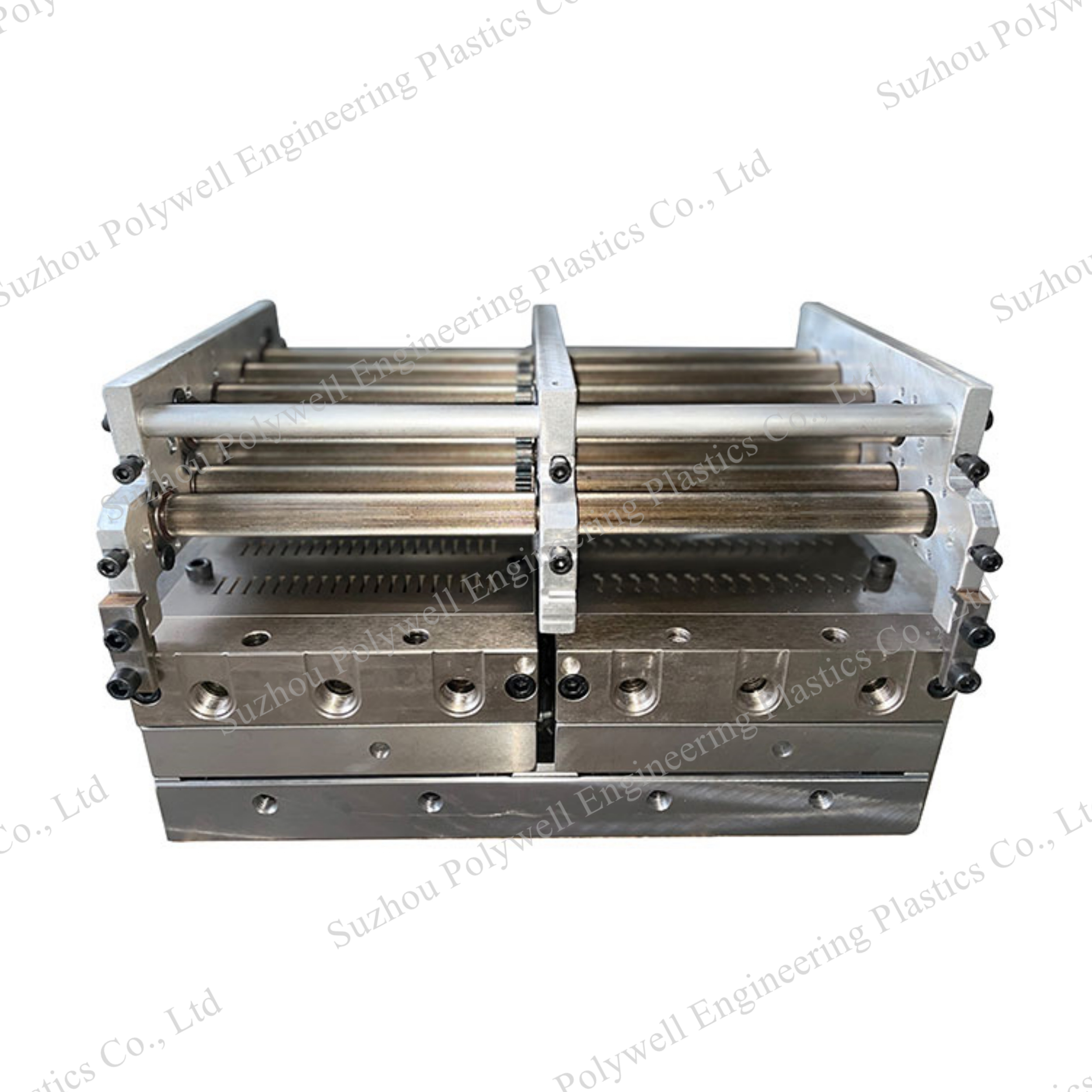
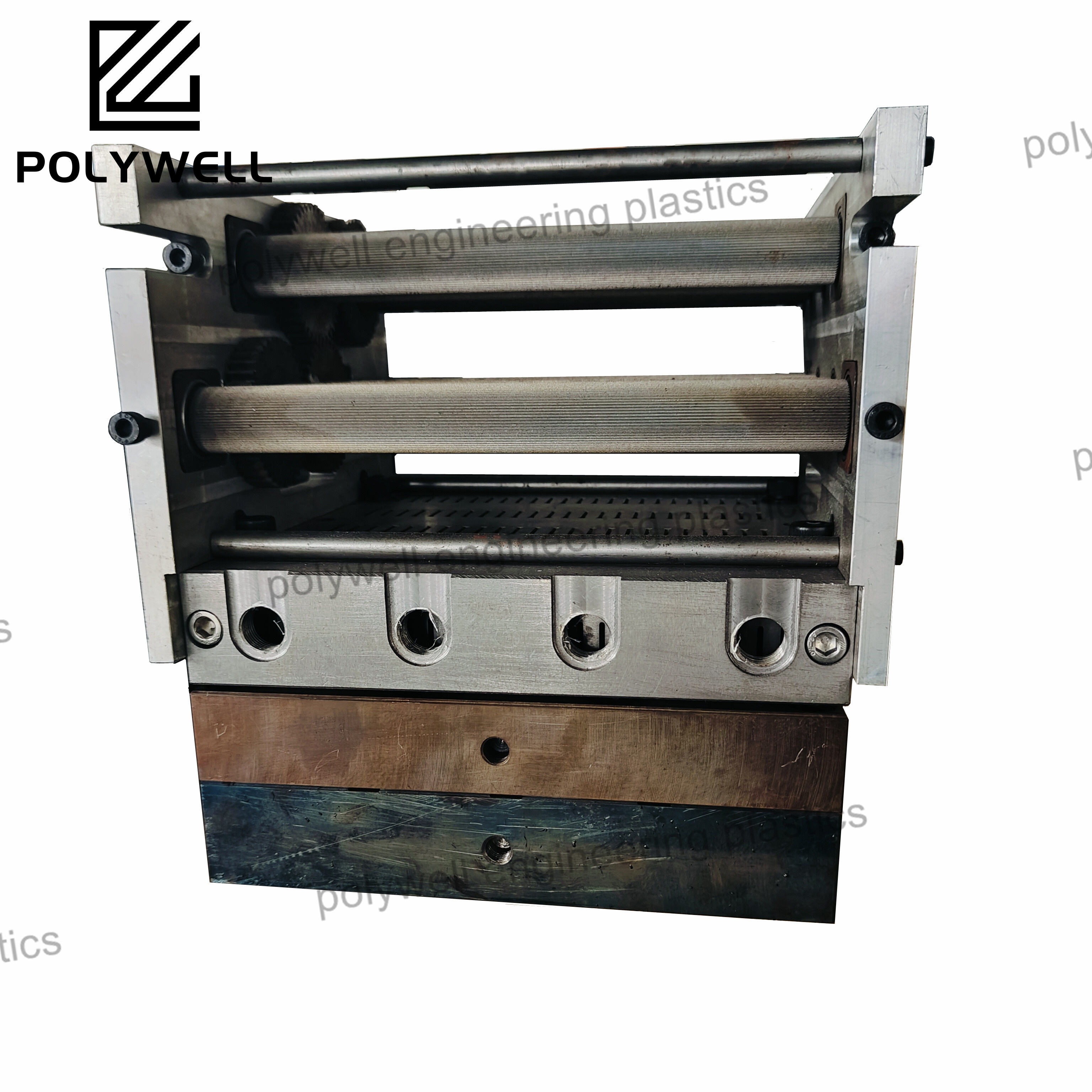
This page focuses on professional plastic injection mold design, emphasizing mold durability, long production runs, and compatibility with high volume injection molding processes. It covers the design of key mold components: cavities/cores (for part shape), cooling systems (to regulate mold temperature and reduce cycle time), ejection systems (for smooth part removal), and gating systems (for precise material delivery). The content includes material selection for molds (e.g., H13 tool steel for high temperature plastics, P20 steel for general applications) and design considerations for multi cavity or family molds (to increase production output). It also addresses quality control measures—such as adding venting to release trapped air—and case studies of molds designed for automotive components, electronic enclosures, and consumer products, making it a go to guide for mold manufacturers and injection molding businesses.
Get A Quote

 EN
EN