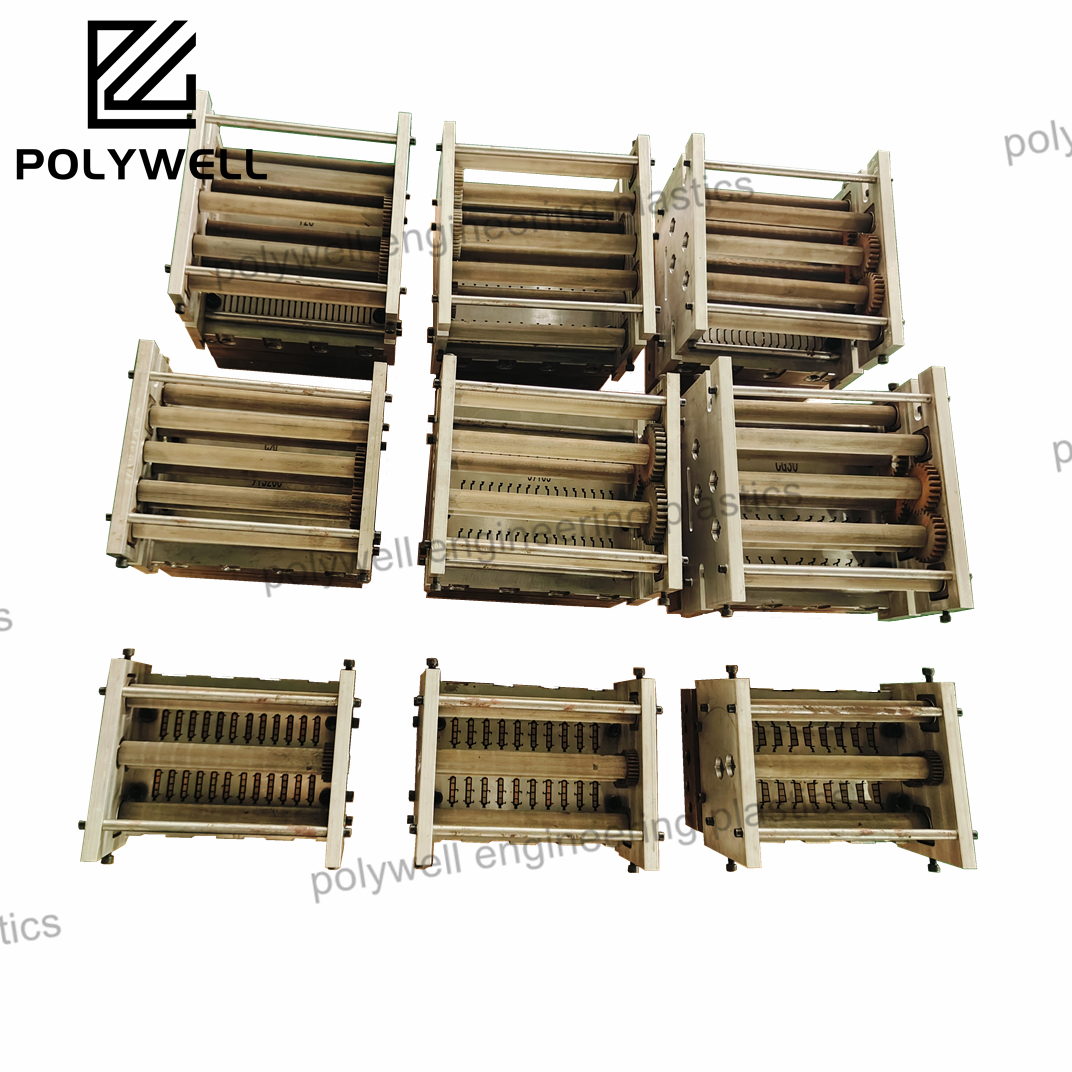
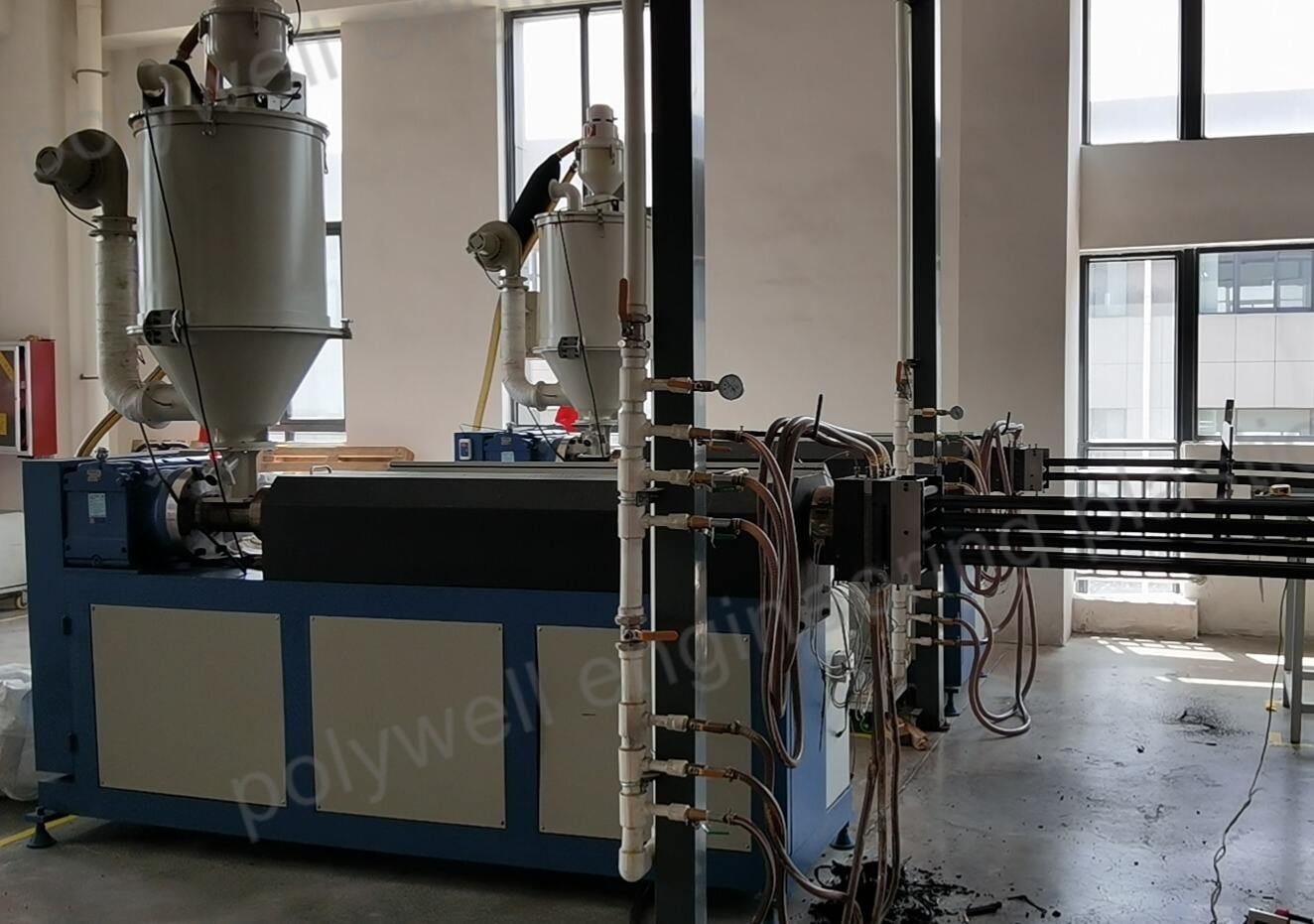
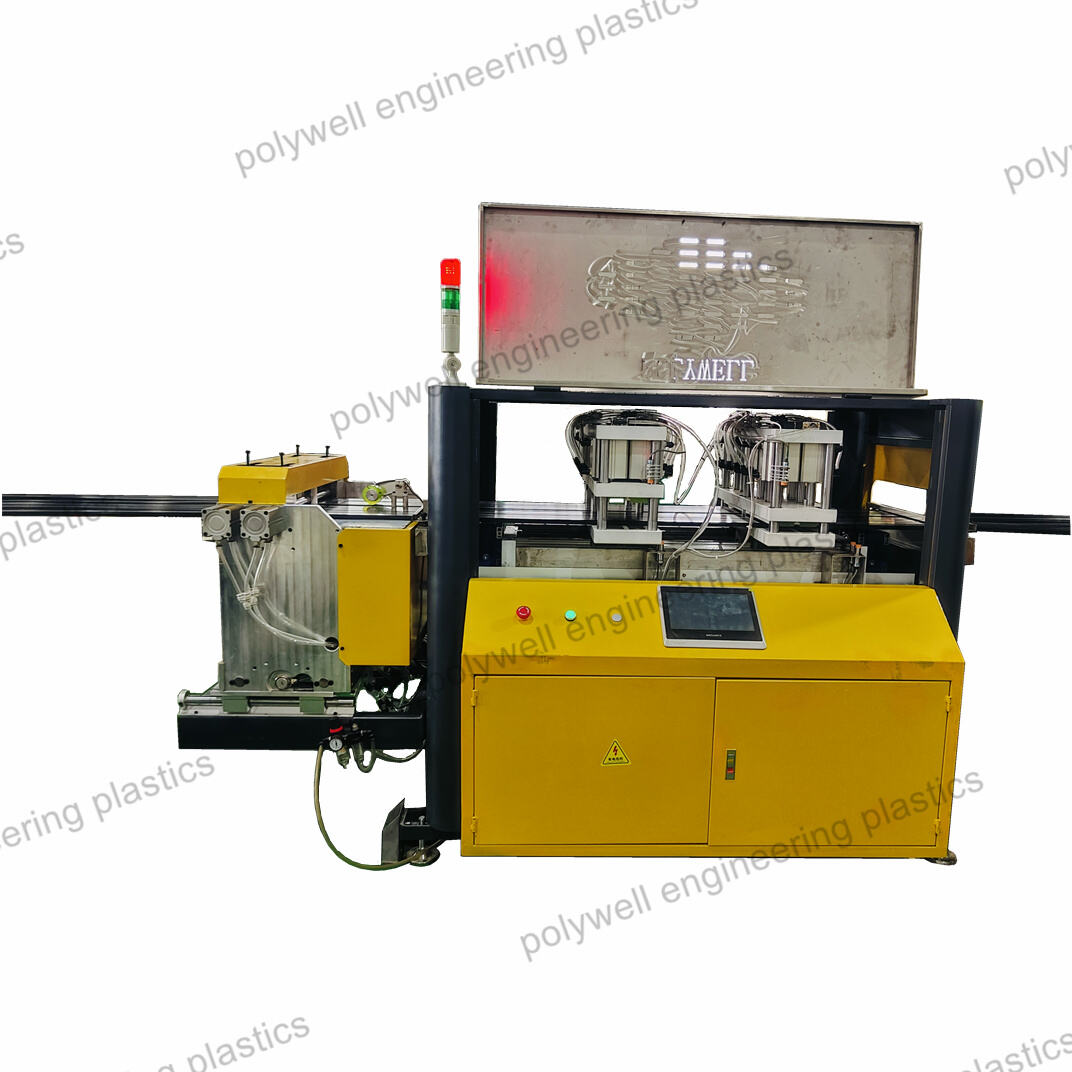
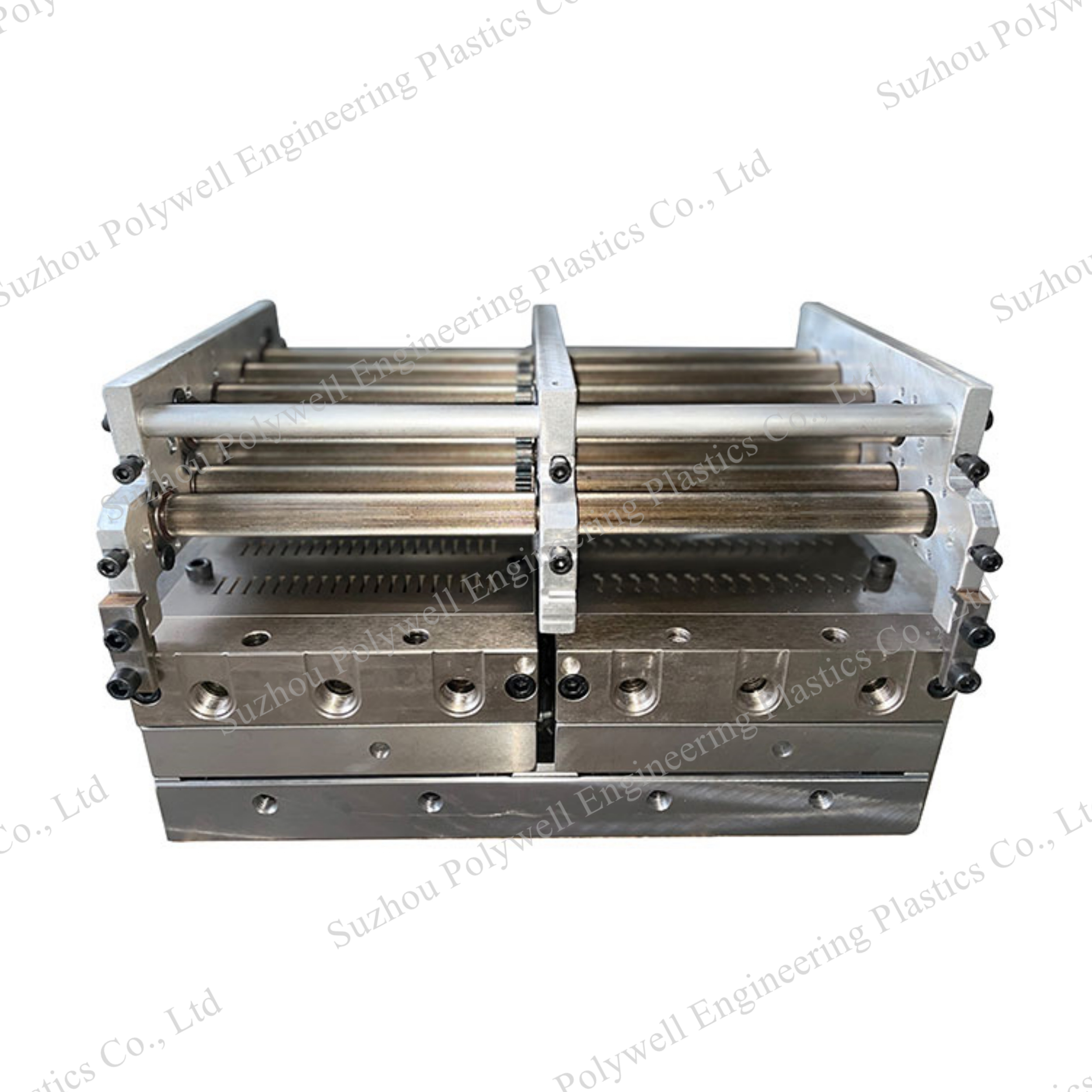
Expert Mold Designers: Custom Solutions for Manufacturing Needs
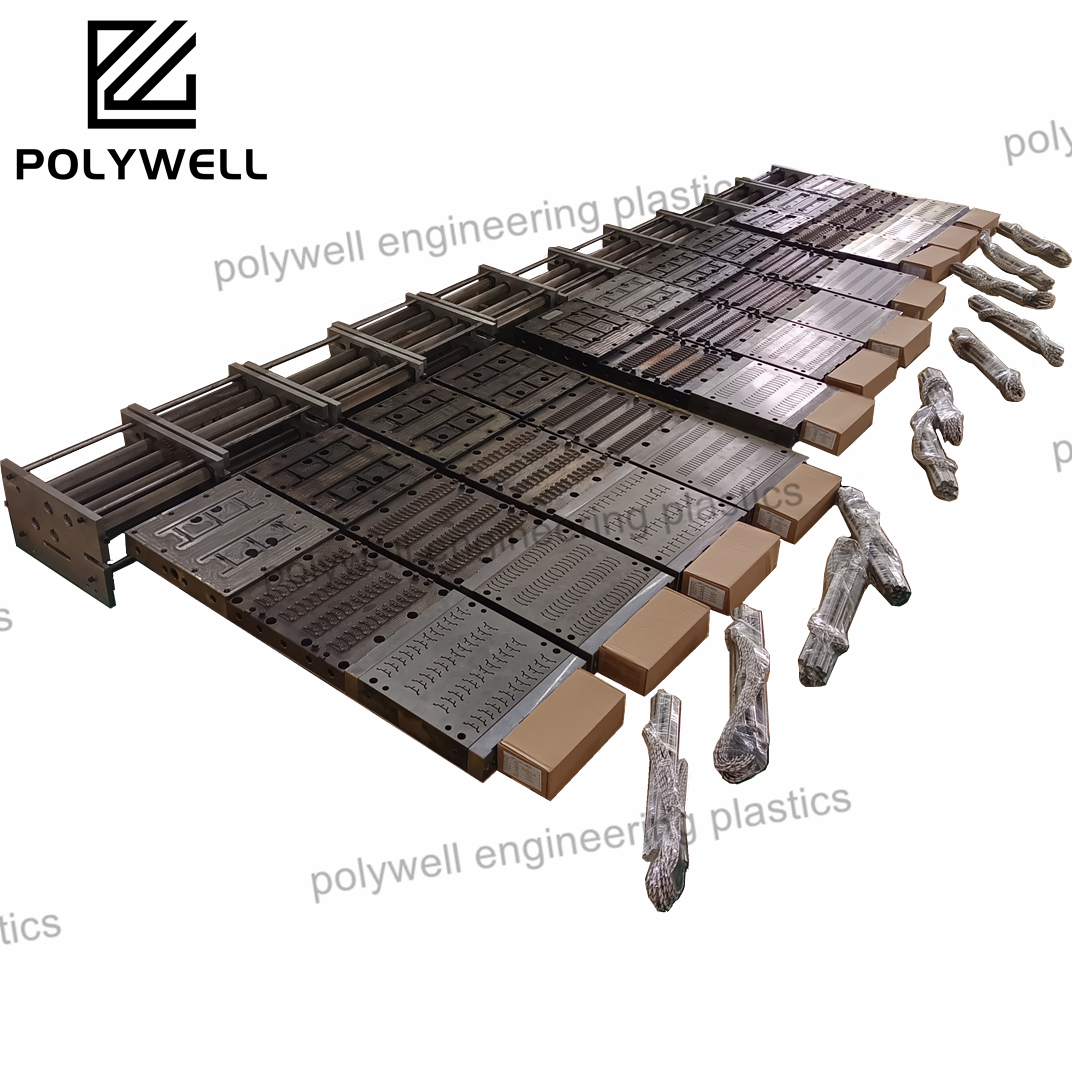
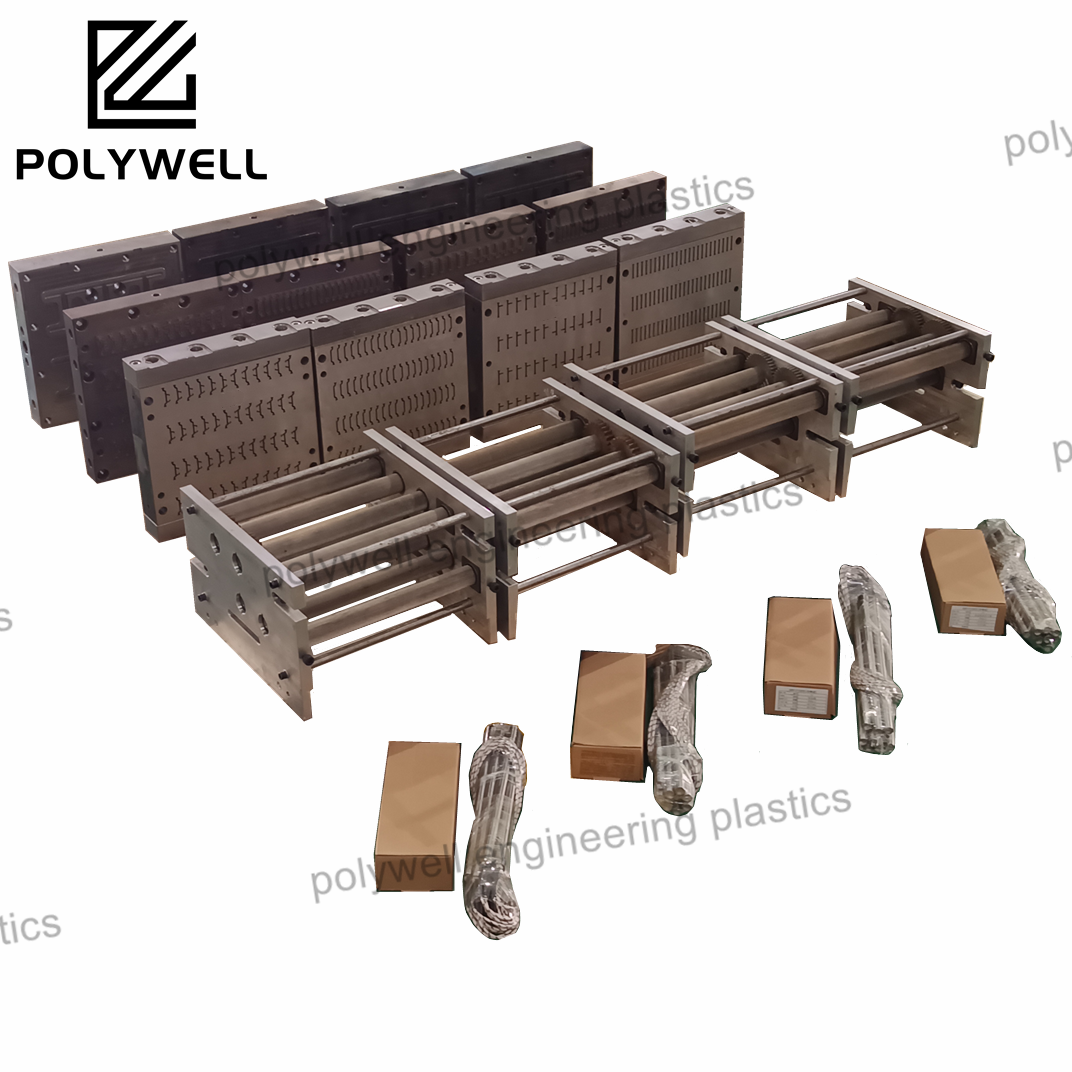
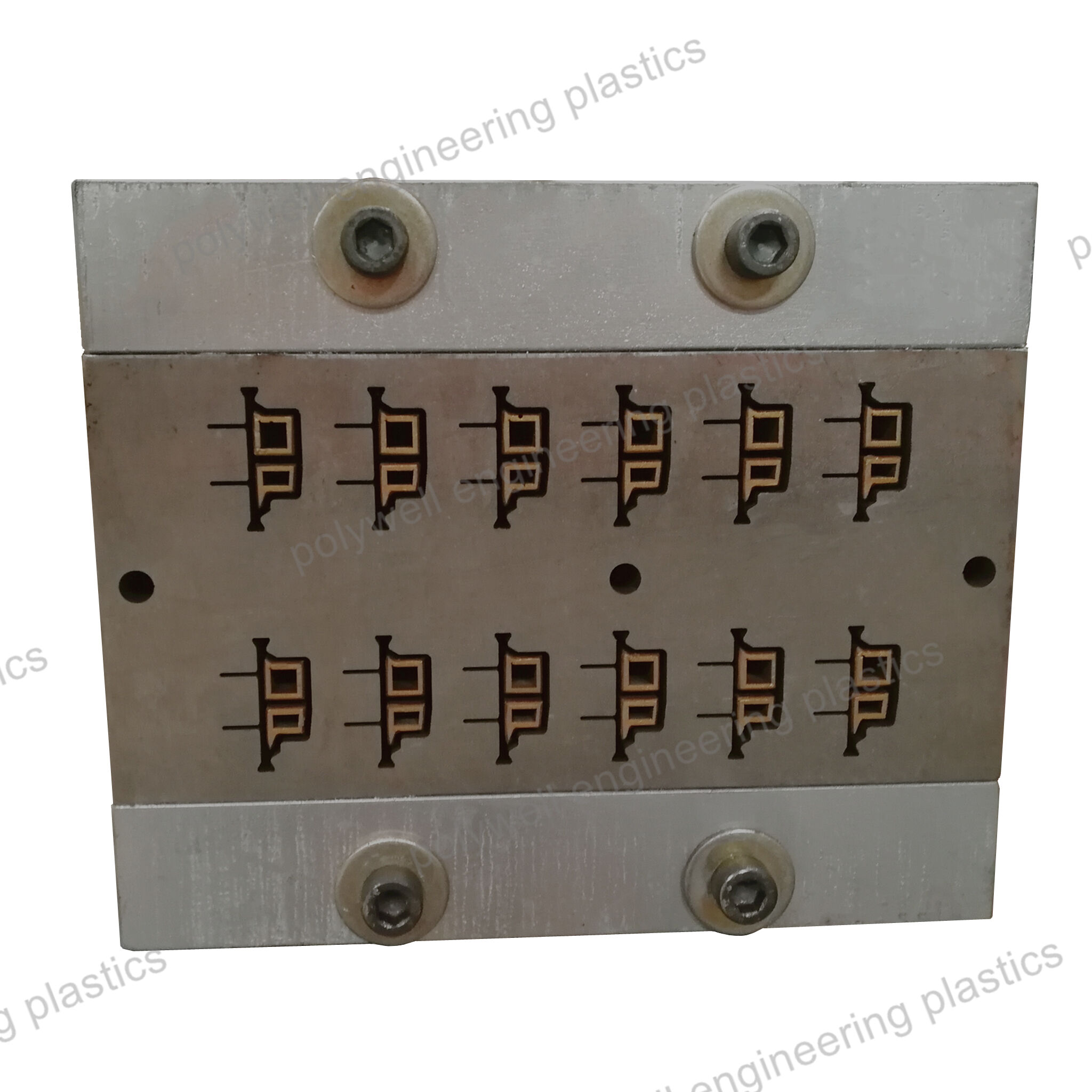
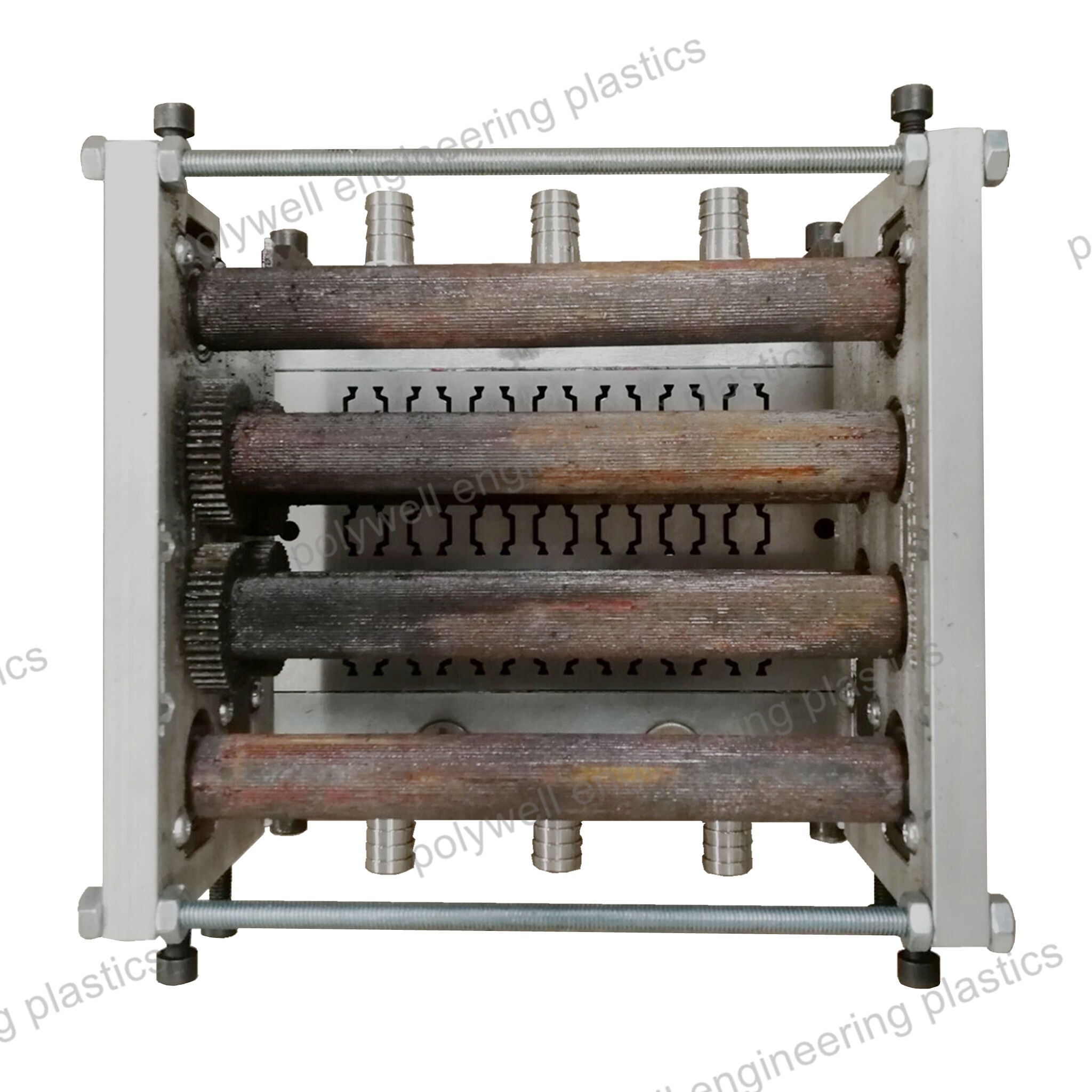
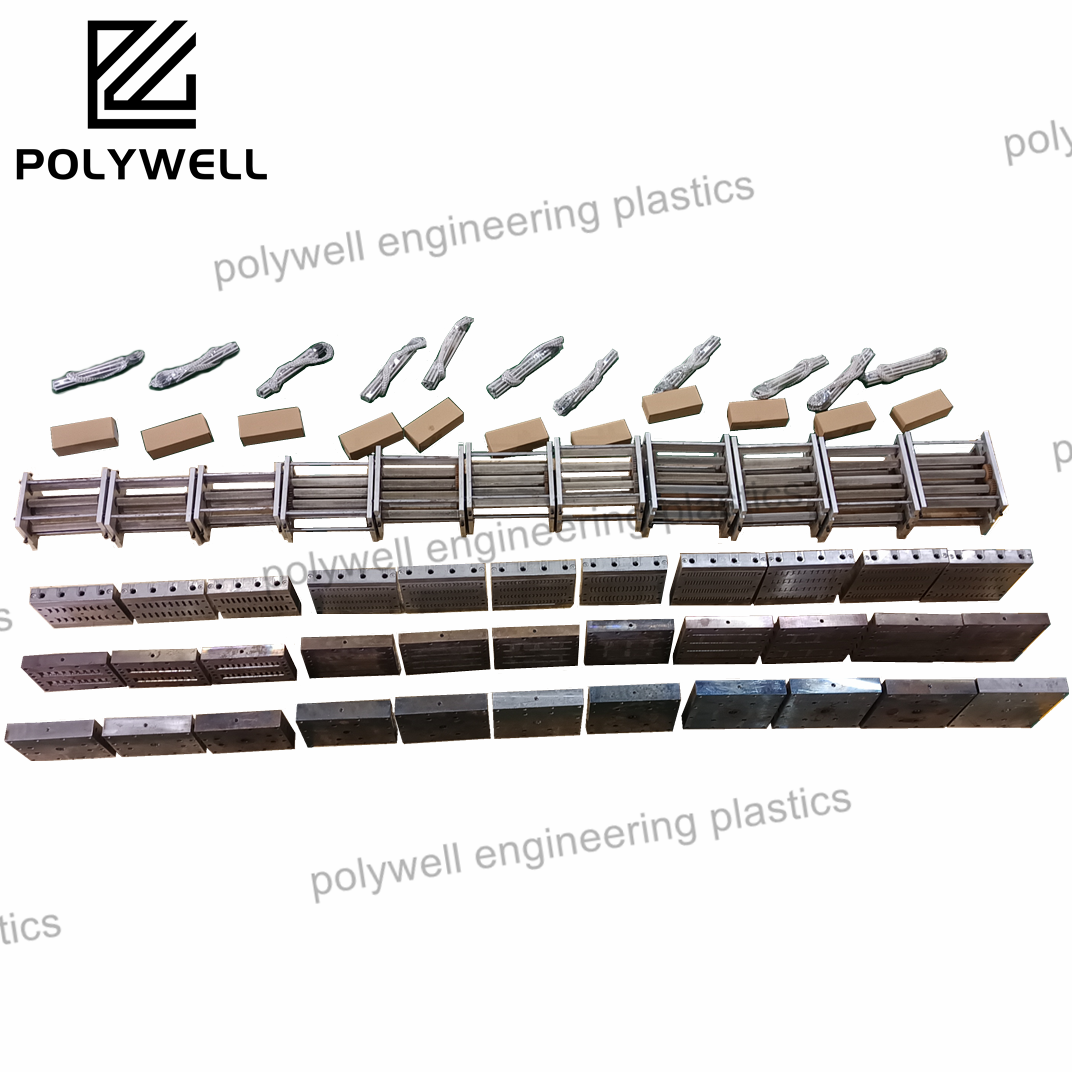
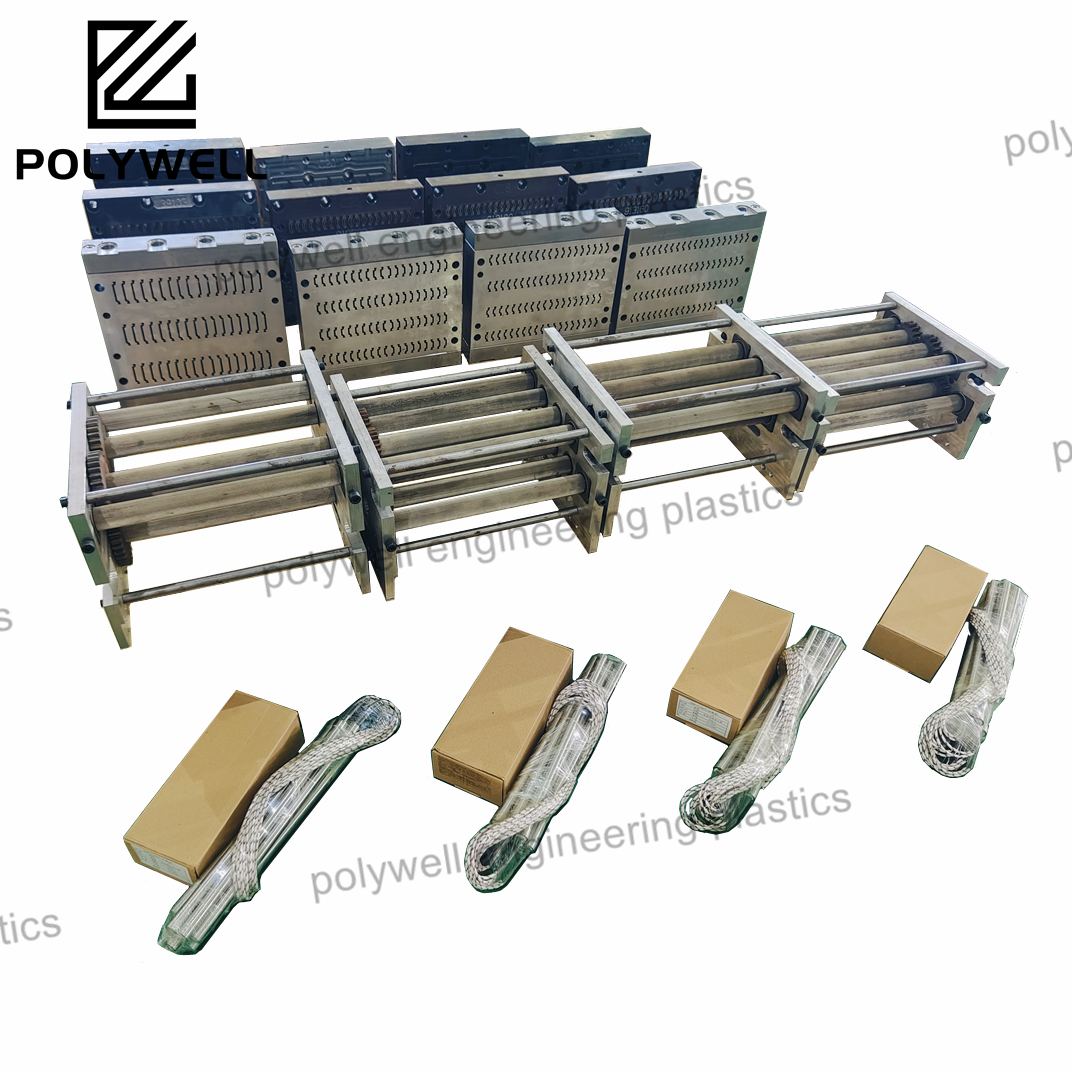
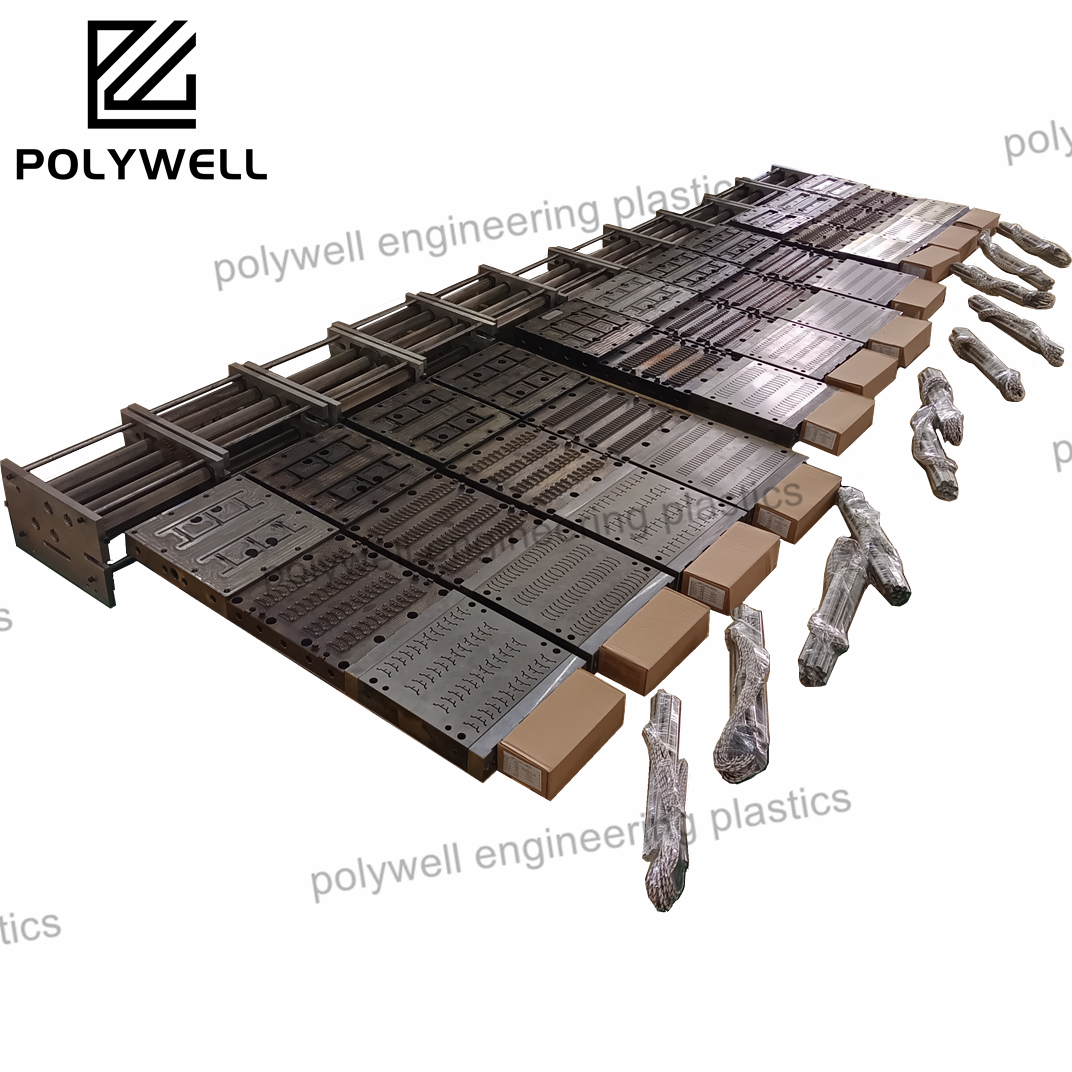
This page showcases expert mold designers and their services, catering to businesses and individuals requiring custom mold design for various manufacturing processes (injection, silicone, rubber, or 3D molding). It highlights the designers’ professional backgrounds, including experience in industries like automotive, medical, and consumer goods, and their proficiency in design software (CAD, CAE, mold flow simulation). The content outlines the service process—from understanding client requirements and initial design proposals to prototype testing and final mold design approval—ensuring transparency and collaboration. It also emphasizes the designers’ ability to solve complex design challenges (e.g., intricate part geometries, tight tolerance requirements) and deliver cost effective solutions, making it a go to resource for those seeking skilled mold design professionals.
Get A Quote

 EN
EN