Reliable Rubber Molding Manufacturers: Custom Production & Quality Assurance
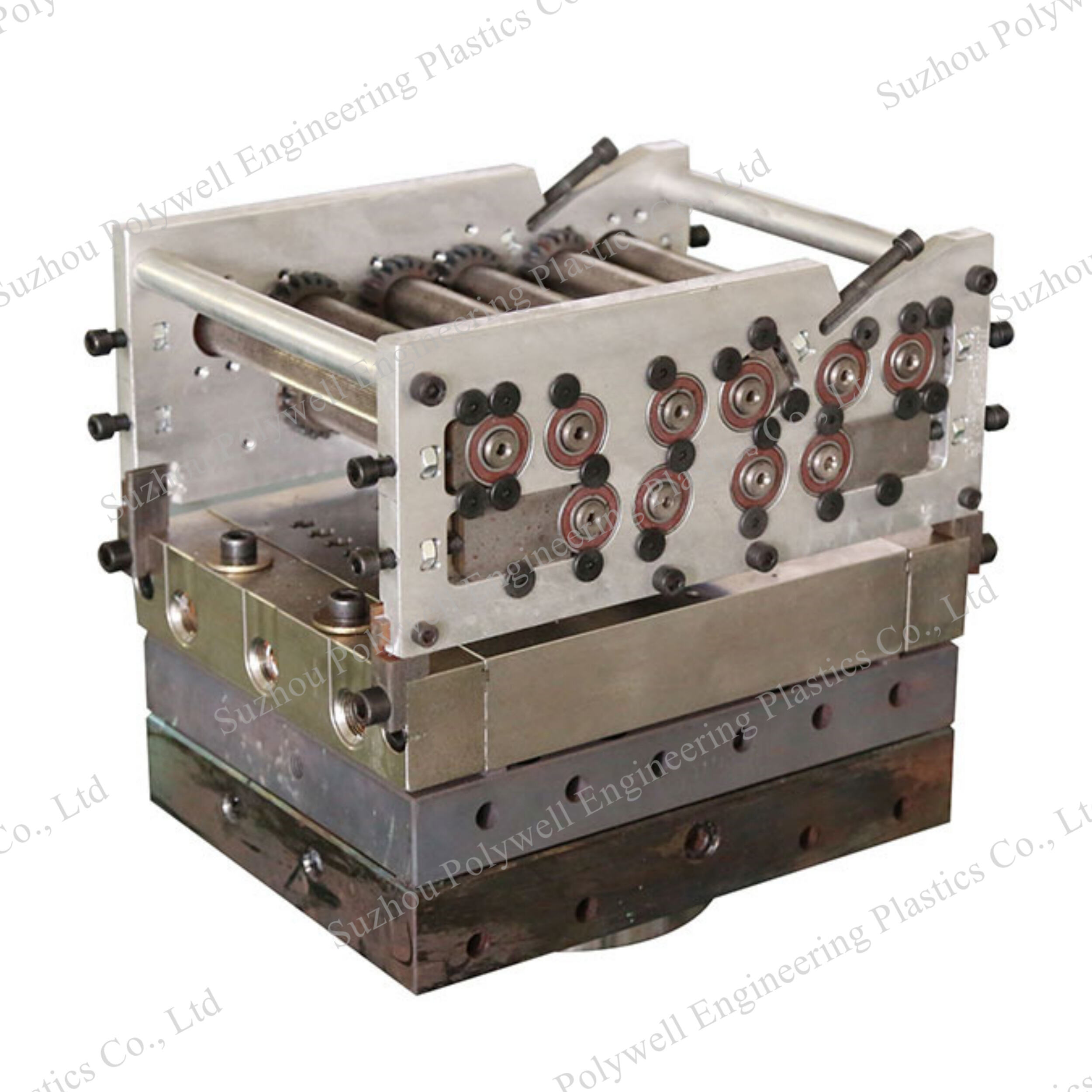
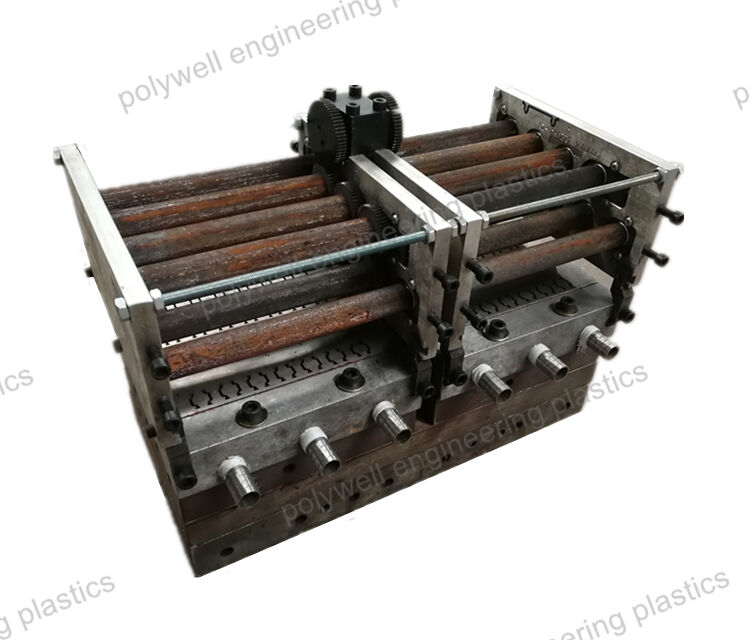
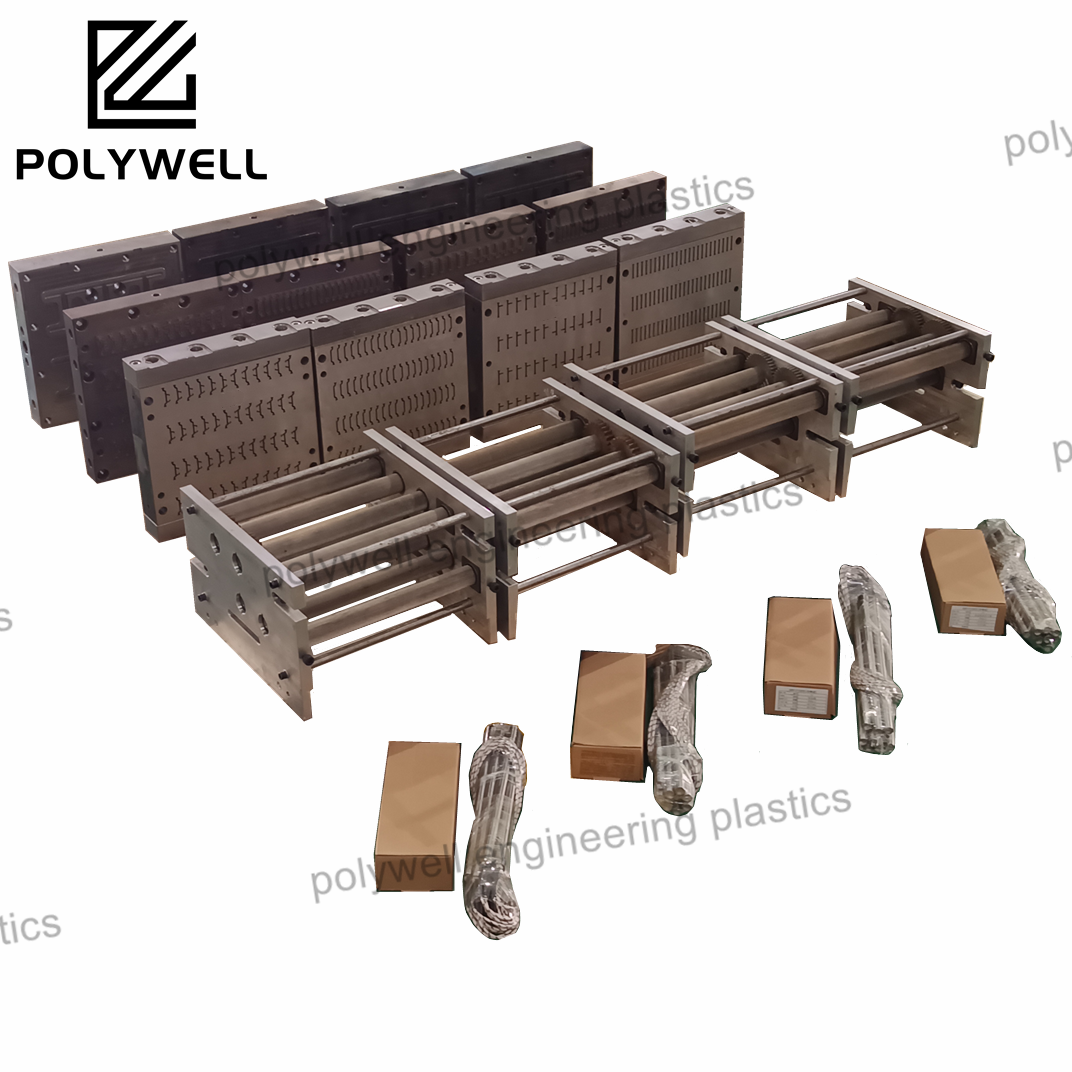
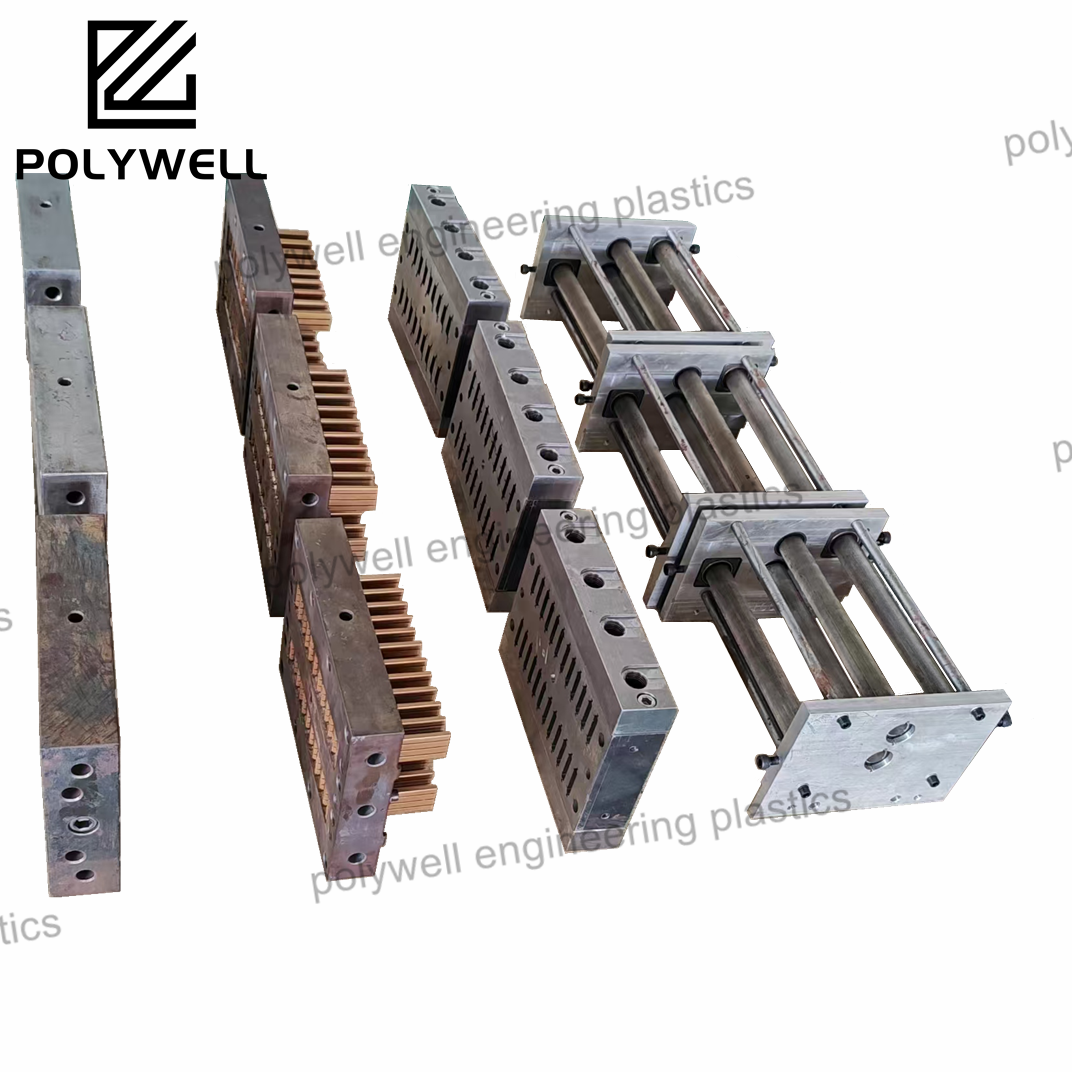
This page features reliable rubber molding manufacturers, focusing on their custom production capabilities and quality assurance processes for rubber parts. It covers the manufacturers’ expertise in various rubber molding techniques (compression molding, injection molding, transfer molding) and their ability to work with different rubber materials (natural rubber, nitrile rubber, EPDM, silicone rubber). The content details the production workflow—from material sourcing and mold preparation to molding, finishing, and testing—ensuring compliance with industry standards (ISO, ASTM). It also includes information on the manufacturers’ production capacity, lead times, and post sales support, helping businesses find partners for small batch or large scale rubber part production across sectors like automotive, aerospace, and industrial equipment.
Get A Quote

 EN
EN