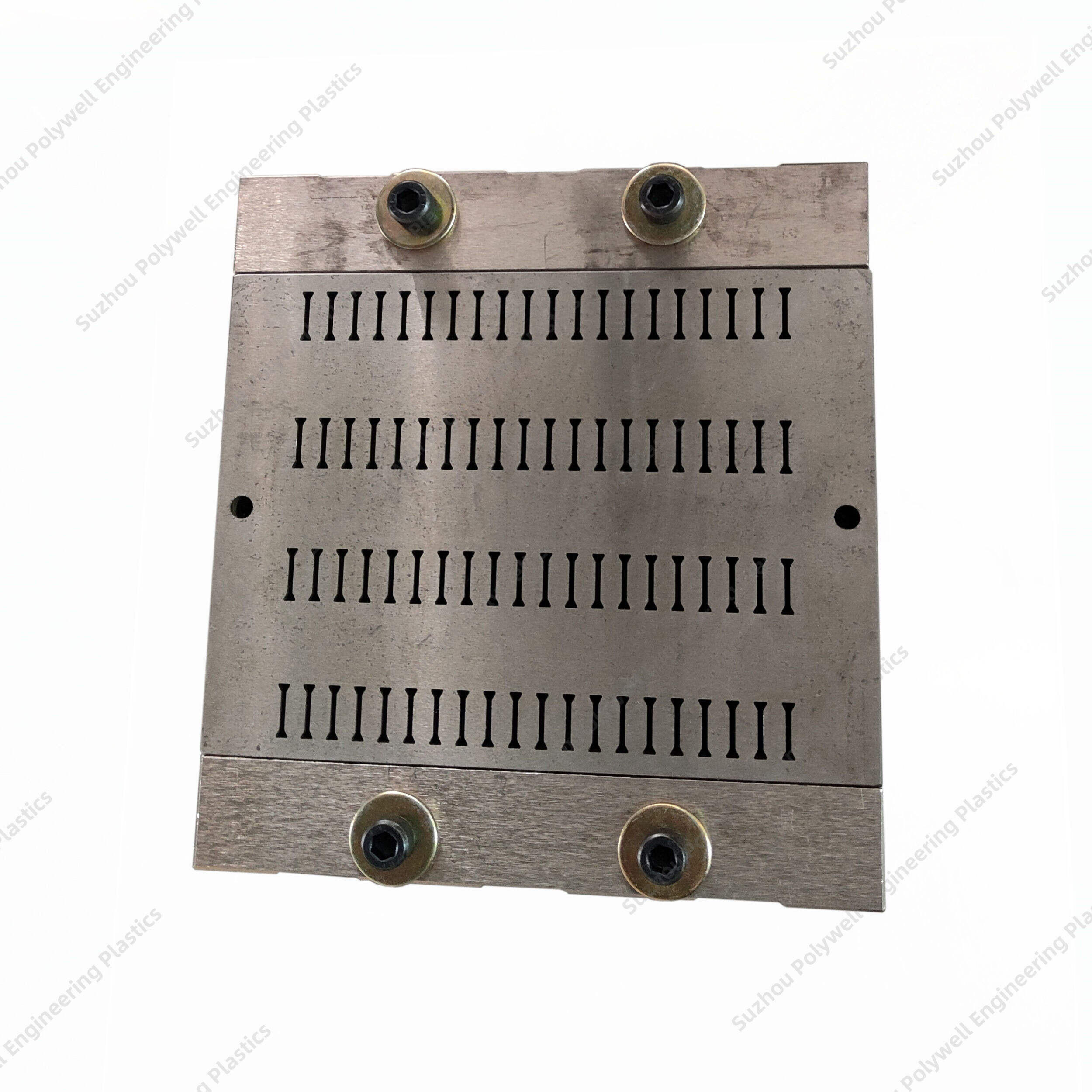
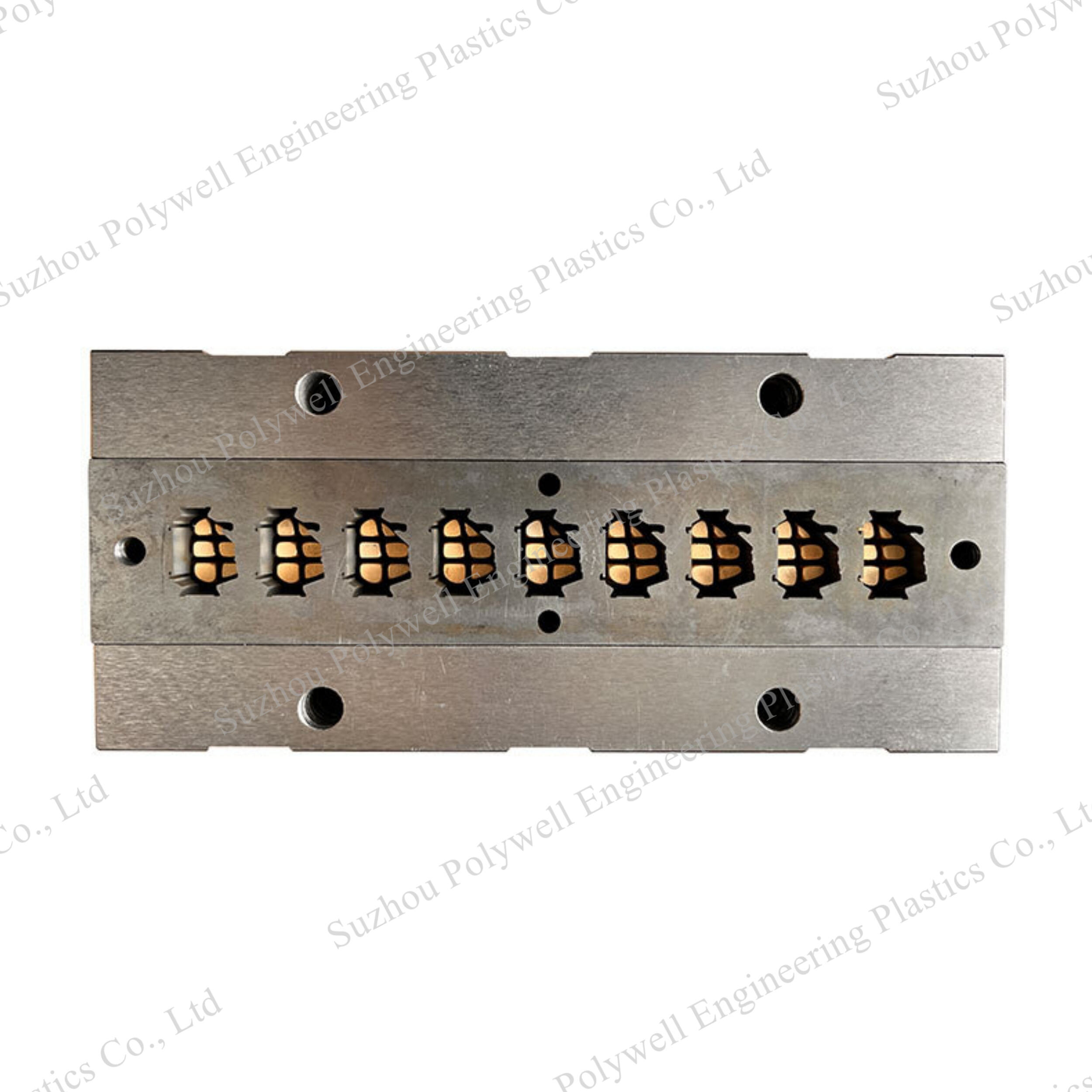
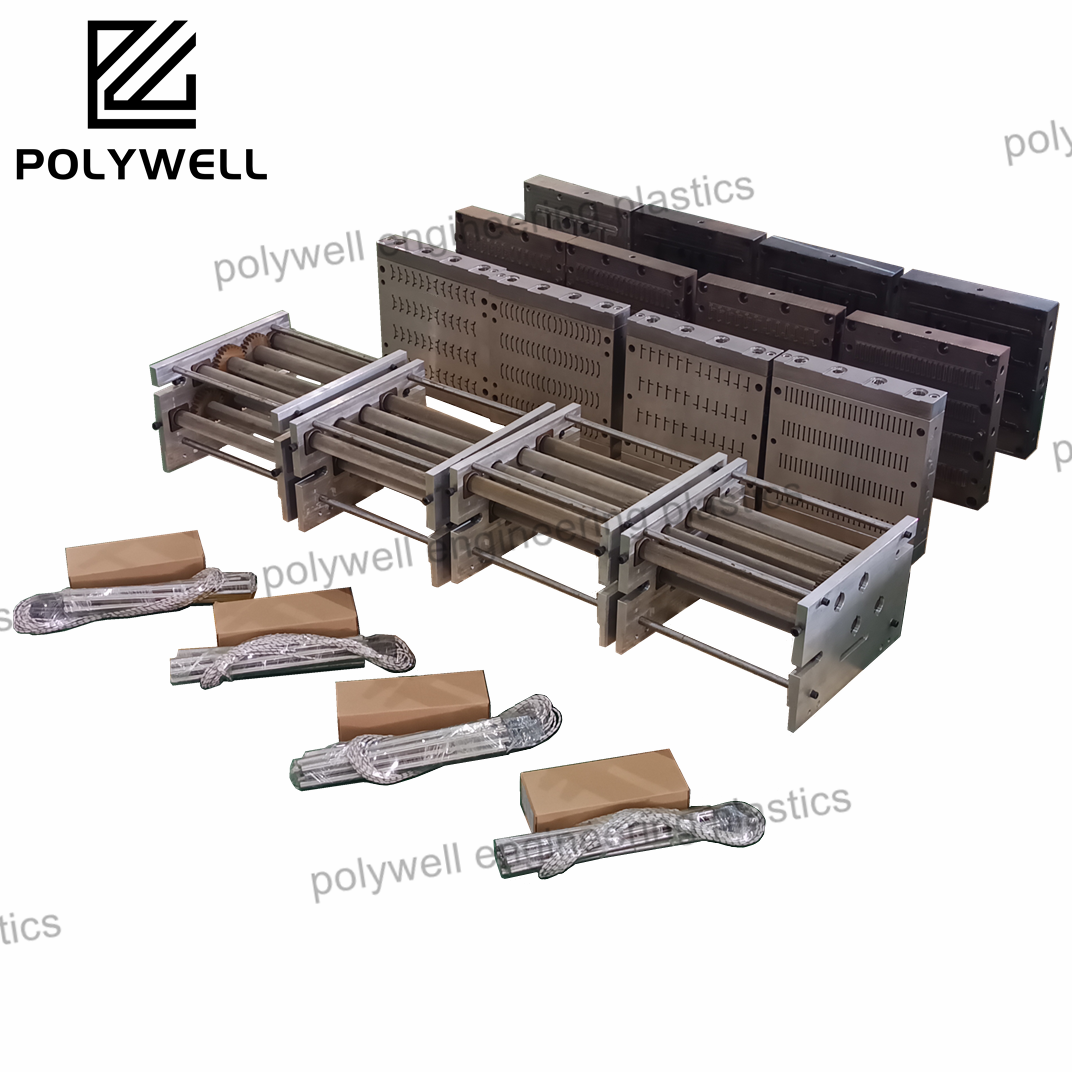
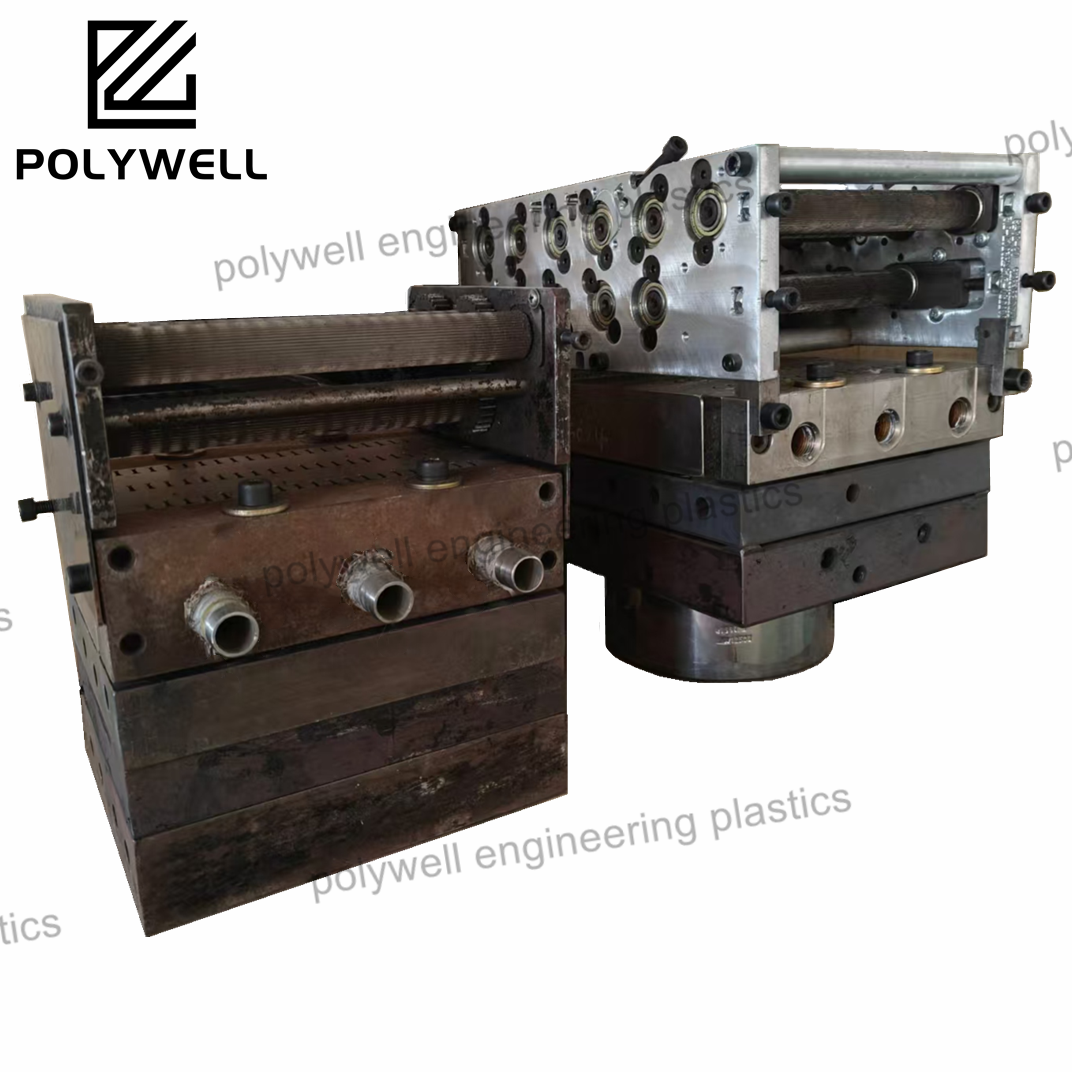
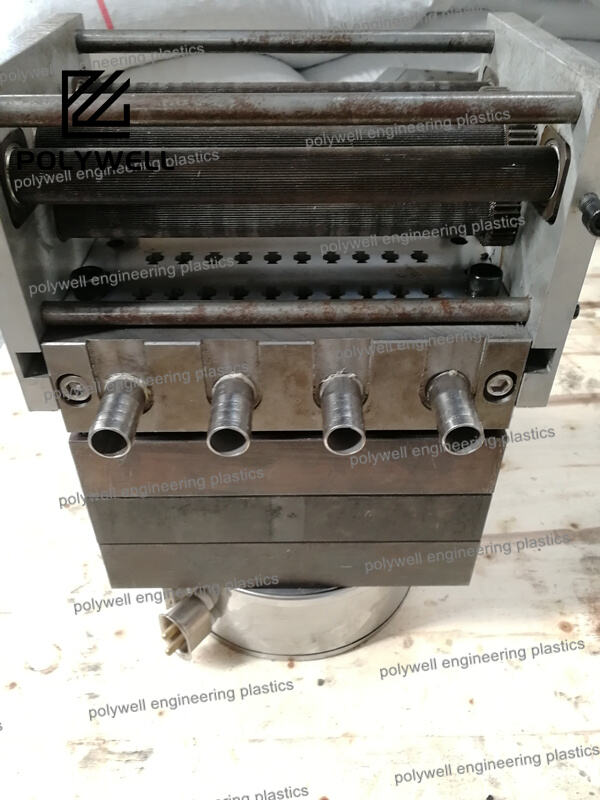
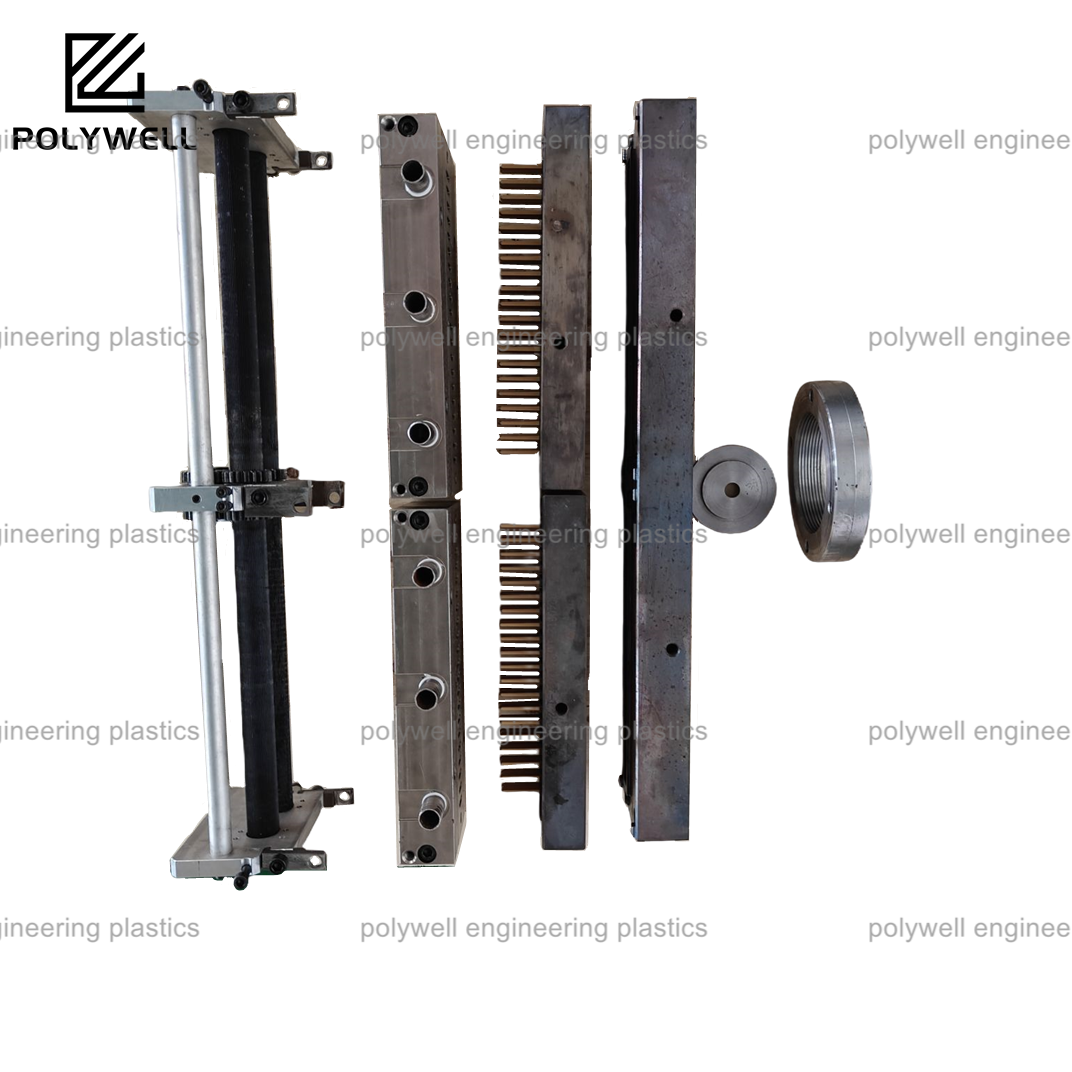
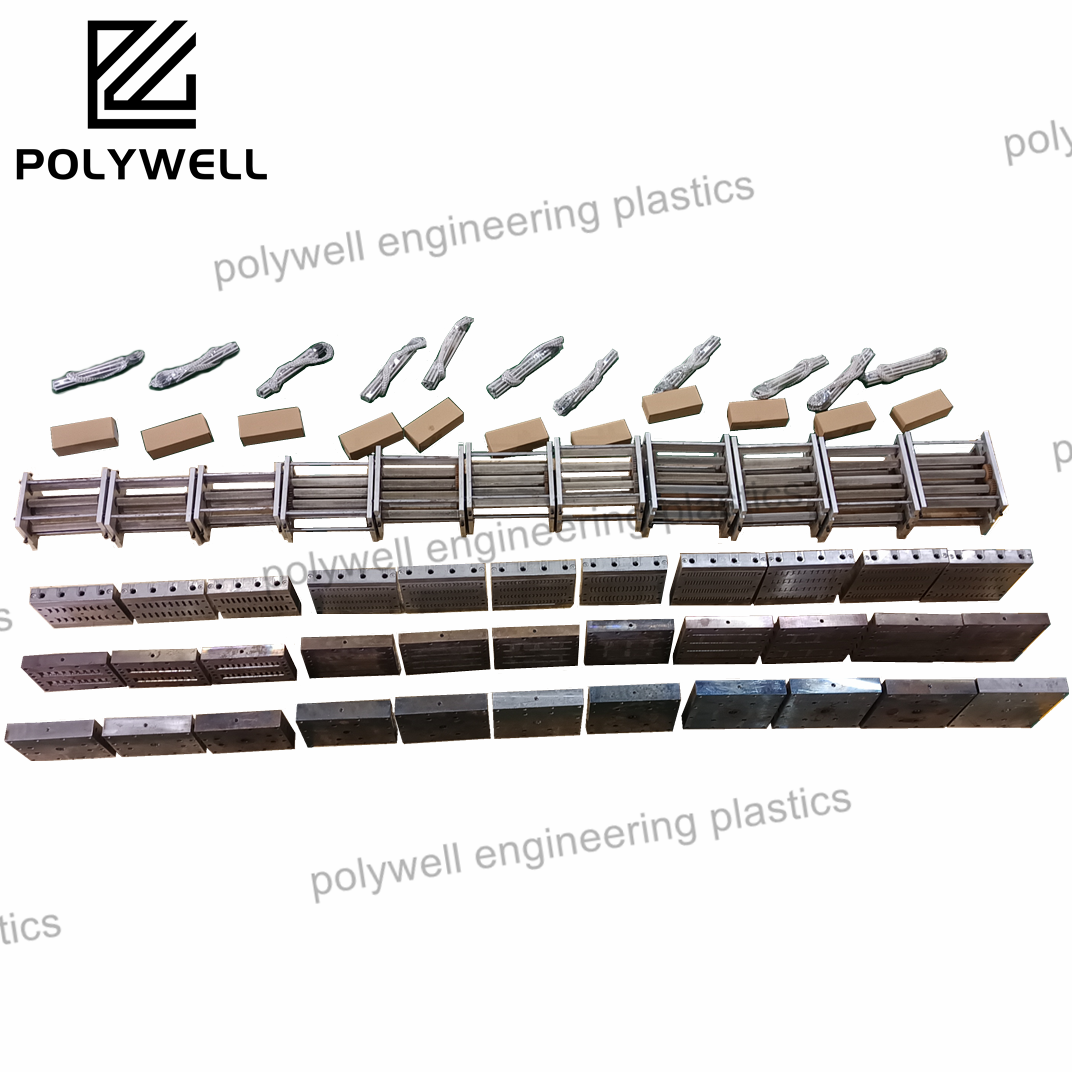
Die and mold design constitutes the foundational engineering discipline for mass production manufacturing processes, encompassing the creation of tooling systems for both metal casting (die) and plastic molding (mold) applications. This field requires comprehensive understanding of material behavior, thermal management, and mechanical engineering principles. The design process begins with detailed analysis of the product design, applying manufacturability principles to identify and resolve potential production issues. For die casting applications, the design focuses on managing molten metal flow, thermal stresses, and solidification patterns, with emphasis on gating systems, overflow wells, and cooling channel optimization. For injection molding, the priority shifts to polymer flow characteristics, shrinkage compensation, and ejection system design. Common elements include the cavity and core system that defines product geometry, feeding mechanisms to deliver material properly, temperature control systems to maintain process stability, and ejection systems for part removal. Material selection is critical, with tool steels chosen based on production requirements—thermal fatigue resistance for die casting applications, wear resistance for abrasive materials, and polishability for cosmetic surfaces. Modern design practices heavily utilize CAD/CAE software for 3D modeling, process simulation, and structural analysis. The design must also address practical considerations including ease of maintenance, component standardization, and compatibility with production equipment. For high-volume production, die and mold designs incorporate robust construction, precise alignment systems, and efficient cooling configurations to maximize productivity. Successful die and mold design delivers manufacturing systems that produce components with consistent quality, dimensional accuracy, and surface finish while optimizing production economics through extended tool life, reduced cycle times, and minimized material waste. This engineering discipline serves as the critical link between product design and commercial manufacturing across automotive, consumer goods, medical, and electronics industries worldwide.