Plastic Part Design for Injection Molding | Precision Mold Solutions

All Categories

Precision Plastic Part Design: Best Practices for Injection Molding & Beyond

This page explores precision plastic part design, with a focus on meeting strict tolerances and 适配 ing manufacturing processes (primarily injection molding, but also 3D printing and thermoforming). It outlines core design rules: minimizing undercuts to simplify mold structure, designing for assembly (e.g., snap fits, threaded connections) to reduce post processing, and aligning part geometry with material properties (e.g., using rigid plastics for structural parts, flexible plastics for seals). The content addresses how to optimize part design for cost efficiency—such as reducing material waste and simplifying mold requirements—and includes guidance on testing part performance (impact resistance, chemical compatibility) via prototyping. It caters to designers, manufacturers, and product developers aiming to create reliable, cost effective plastic parts for industries like automotive, aerospace, and medical.
Get A Quote

Advantages of the product

Expert Design for Easy Maintenance and Cleaning

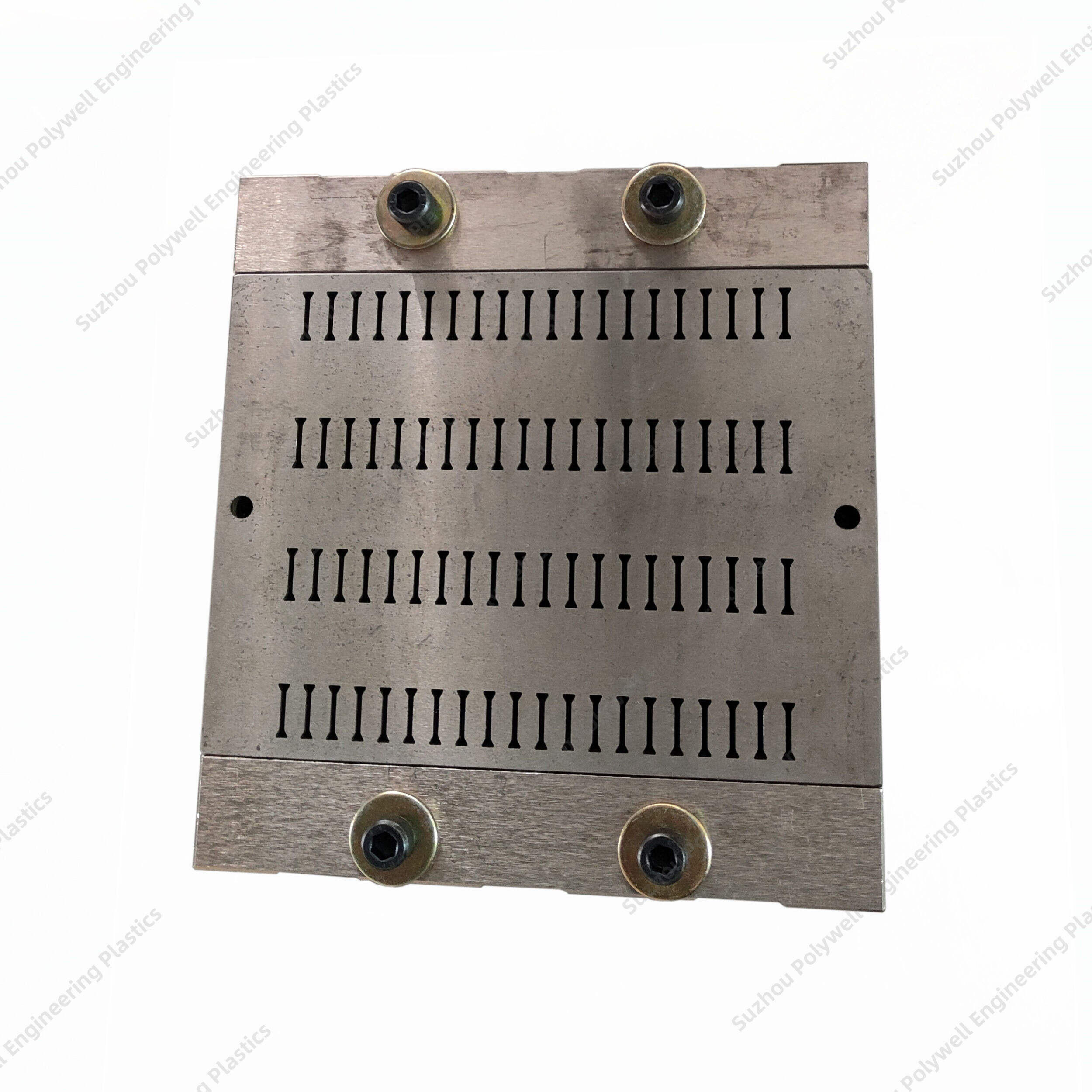
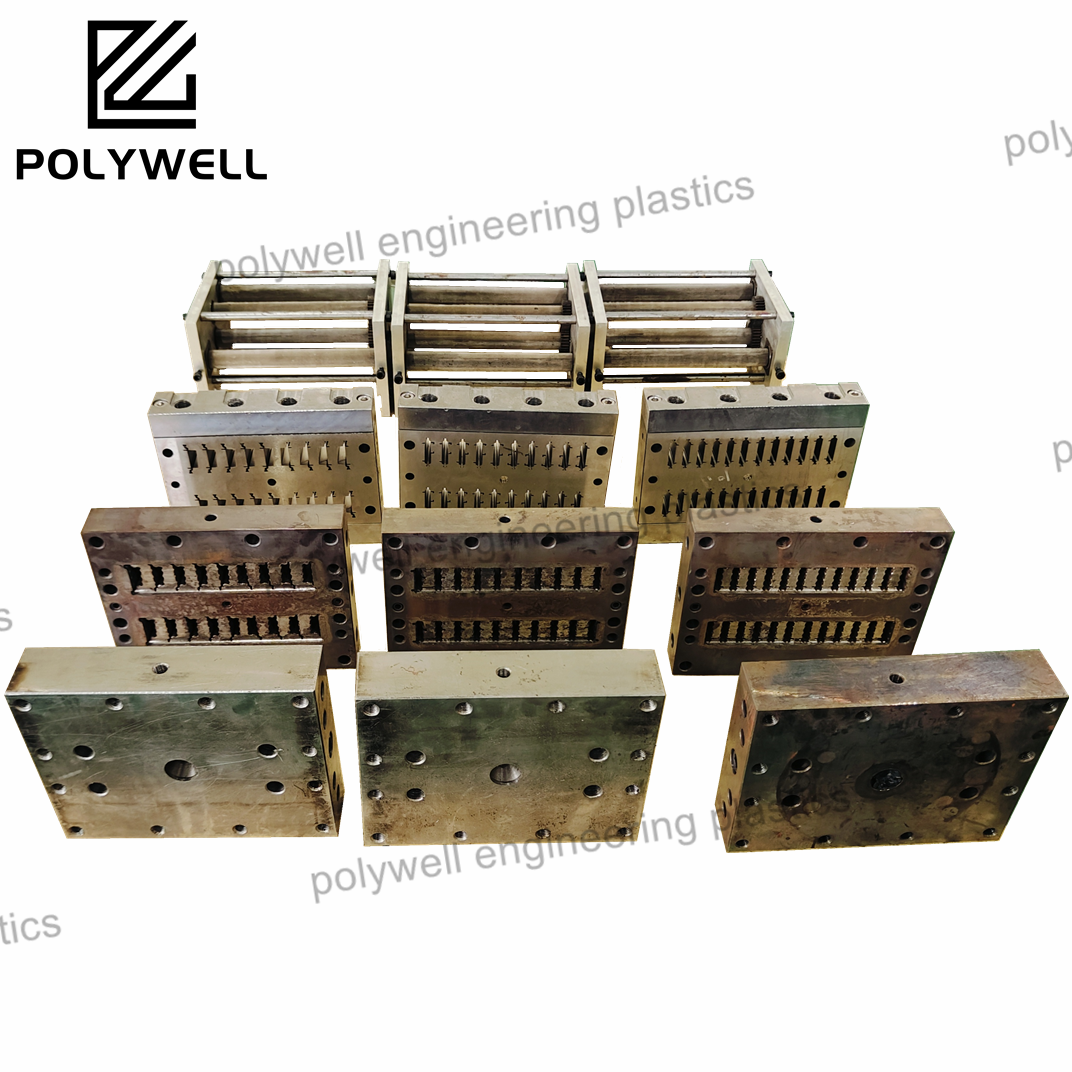
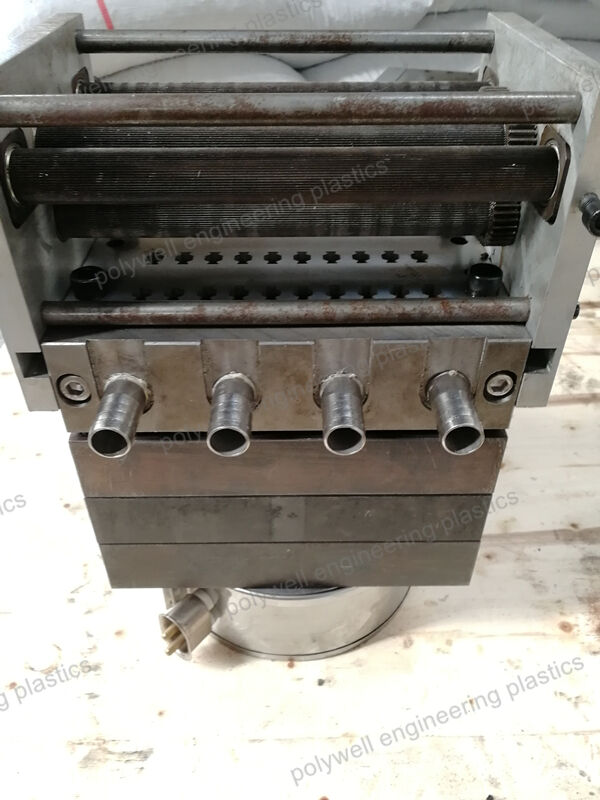
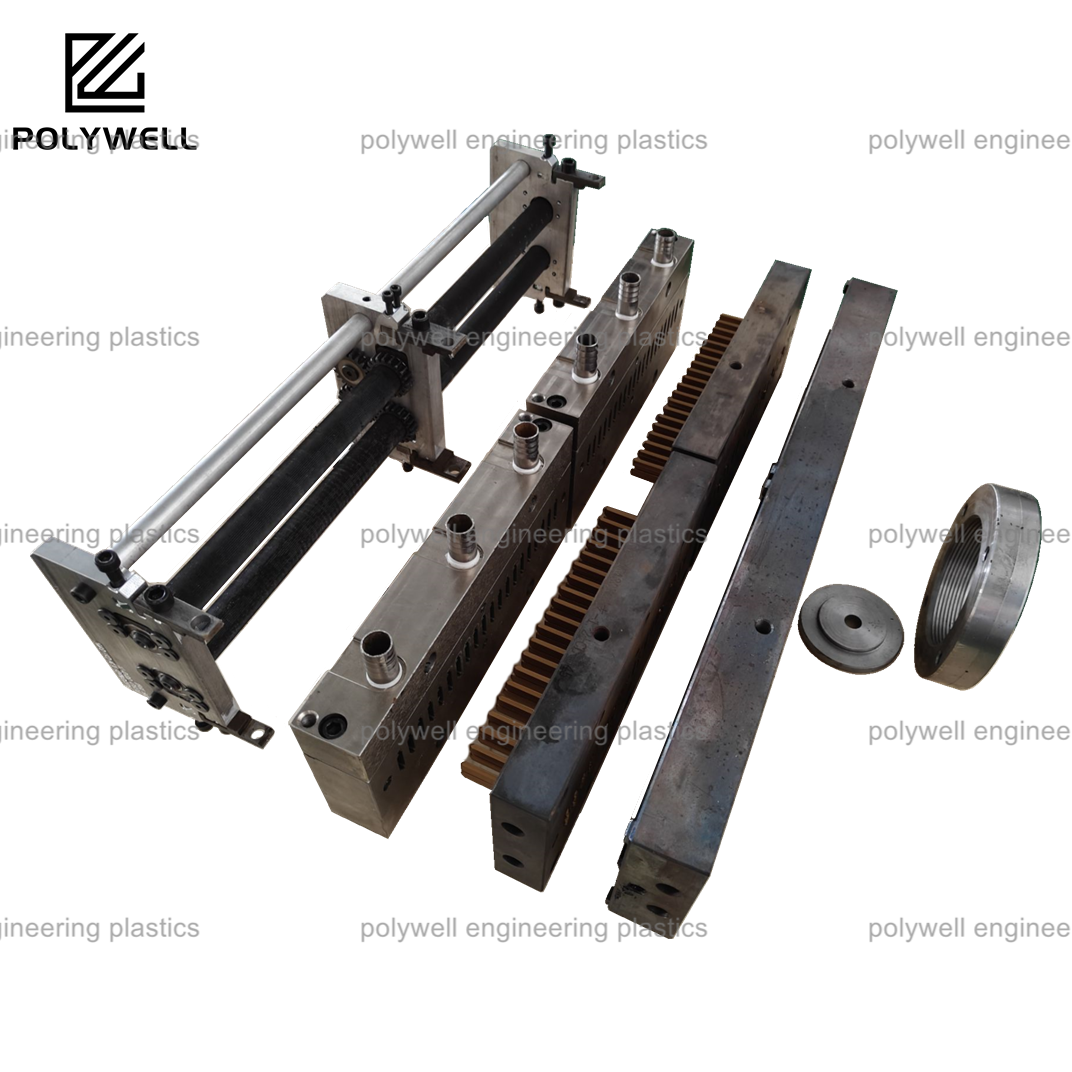
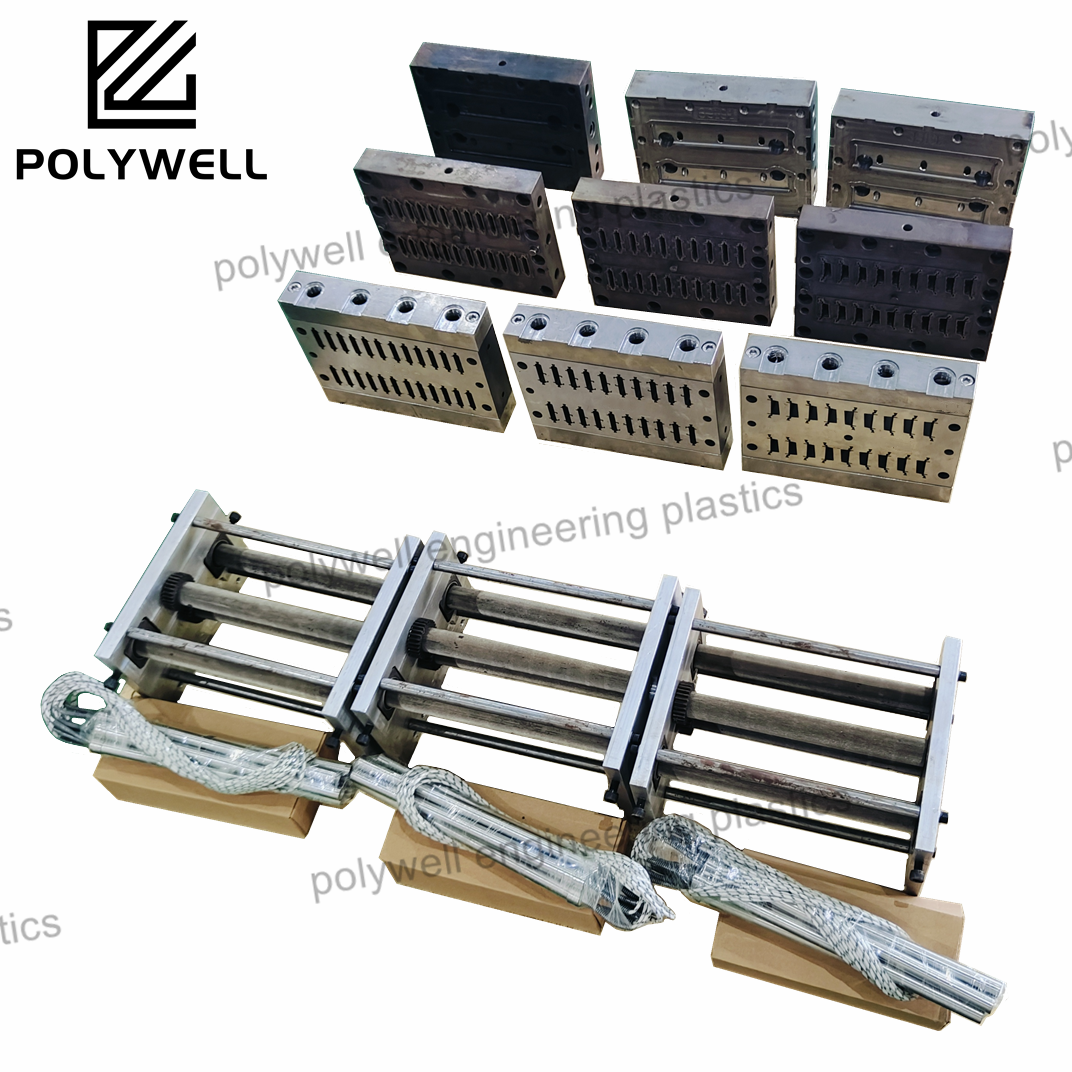
We design our molds for practicality and ease of maintenance. Features such as modular inserts, streamlined flow paths without sharp corners, and standardized components make the dies easier to disassemble, clean, and reassemble. This user centric design philosophy minimizes downtime for die changes and maintenance, maximizing the productivity and uptime of the entire extrusion line.

Related products

Plastic part design encompasses the systematic engineering approach to creating components that can be efficiently manufactured while meeting all performance requirements. The foundation of successful plastic part design lies in understanding the manufacturing process constraints, particularly injection molding, which influences every aspect of the design. Critical geometrical considerations include maintaining consistent wall thickness throughout the part to ensure uniform cooling and minimize internal stresses. Draft angles must be incorporated on all surfaces parallel to the mold opening direction to enable clean part ejection without damage. Structural elements like ribs, gussets, and bosses are strategically placed to enhance stiffness without creating thick sections that lead to sink marks. Corner transitions employ generous radii to distribute stress concentration and improve material flow during molding. The design process integrates material science principles, selecting appropriate polymers based on mechanical properties, environmental resistance, thermal performance, and regulatory requirements. Manufacturing considerations extend to gate locations, which affect weld line positions and fiber orientation in reinforced materials, and ejection strategy, ensuring sufficient surface area for ejector pins without compromising cosmetic surfaces. Advanced design approaches incorporate design for assembly (DFA) principles, optimizing features for snap-fits, ultrasonic welding, or adhesive bonding. Modern plastic part design utilizes sophisticated simulation tools to predict manufacturing outcomes, including mold filling patterns, cooling efficiency, and part warpage. The iterative design process balances aesthetic requirements with functional performance, often requiring compromises between ideal geometry and manufacturing practicality. Ultimately, successful plastic part design delivers components that meet quality standards while minimizing production costs through optimized material usage, reduced cycle times, and simplified assembly operations.

Frequently Asked Questions

How do you use flow simulation in your mold design process?

We utilize Computational Fluid Dynamics (CFD) software to create a virtual model of the die's flow channels. This simulation predicts how the molten polyamide will behave, allowing us to identify and correct areas of slow or fast flow before manufacturing the physical tool. This scientific approach eliminates guesswork, reduces development time and cost, and guarantees a die that produces a dimensionally accurate and balanced profile from the very first production run.

Related Articles

How to Choose Reliable GF25 Reinforced Nylon Granules Suppliers

19

Nov

How to Choose Reliable GF25 Reinforced Nylon Granules Suppliers

POLYWELL offers reliable GF25 reinforced nylon granules, ensuring quality, technical excellence, and sustainable solutions for high-performance industrial applications
View More
Innovations in Plastic Extruder Machines for Better Efficiency

19

Nov

Innovations in Plastic Extruder Machines for Better Efficiency

Innovative plastic extruder machines by POLYWELL offer energy-efficient operations, precision control, and high-quality outputs for diverse applications.
View More
What to Consider When Choosing a Plastic Molding Manufacturer

22

Nov

What to Consider When Choosing a Plastic Molding Manufacturer

Choose POLYWELL for high-quality plastic molding solutions, advanced technology, and customer-driven service in the construction industry
View More
How Single Screw Extruders Work with PA66GF25 Granules?

29

Aug

How Single Screw Extruders Work with PA66GF25 Granules?

Discover how single screw extruders efficiently melt and homogenize PA66GF25 granules for superior output. Learn the science behind polymer processing and optimization. Read the full guide now.
View More

customer evaluation

Micah

We had a challenging profile that required a unique solution. Their design team proposed an innovative multi part die construction that simplified maintenance and improved flow balance. It was a clear demonstration of deep expertise and a commitment to finding the best solution, not just the easiest one.

Get a Free Quote

Our representative will contact you soon.
Email
Name
Company Name
Message
0/1000
Scientific Flow Simulation for Optimal Performance

Scientific Flow Simulation for Optimal Performance

Our mold design process utilizes advanced Computational Fluid Dynamics CFD software to simulate the flow of molten polyamide material within the die This allows us to predict and eliminate potential issues like uneven flow dead spots or excessive pressure drops before manufacturing the physical mold The result is a die that produces a dimensionally stable and structurally uniform profile right from the first startup saving time and material
Custom Engineered for Material Properties

Custom Engineered for Material Properties

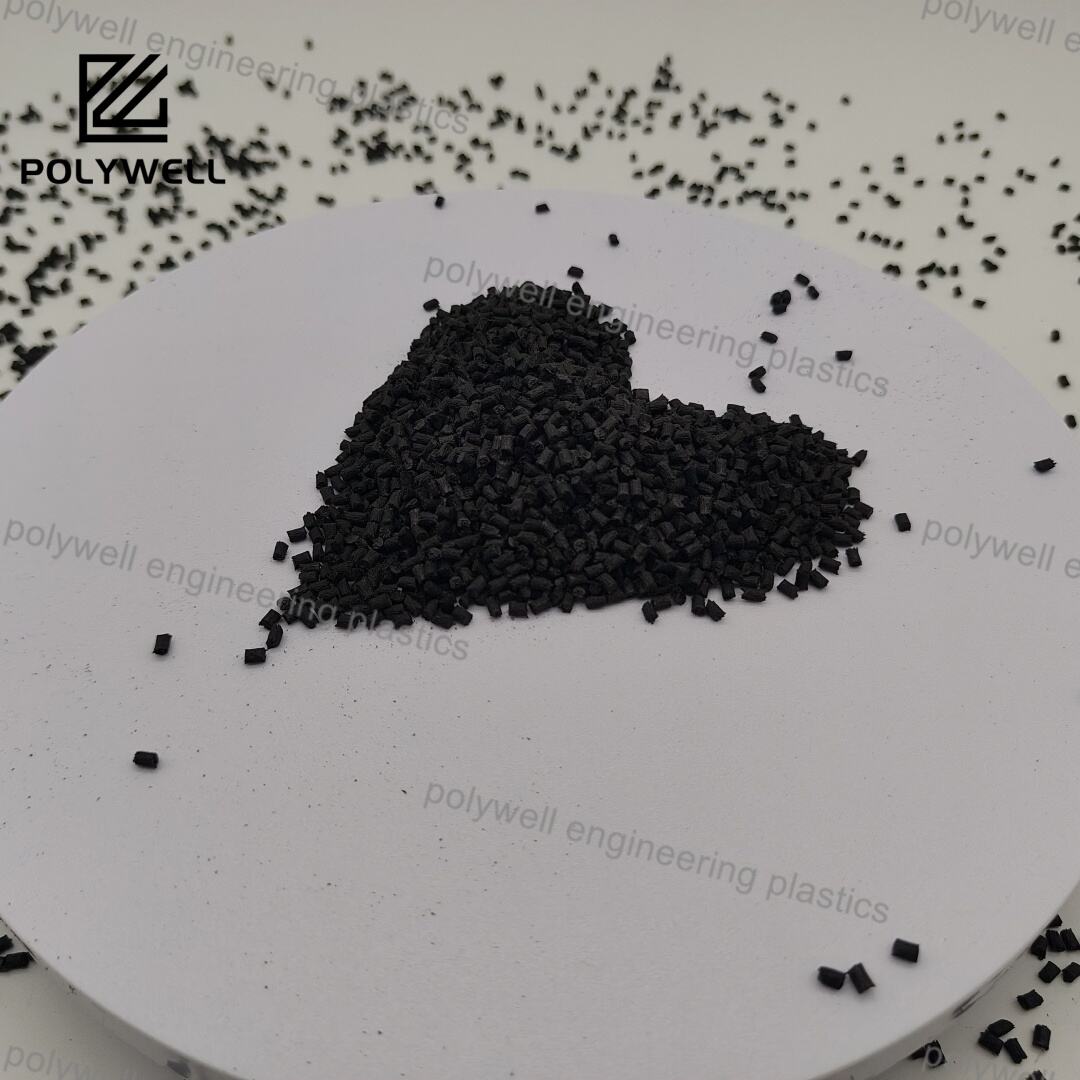
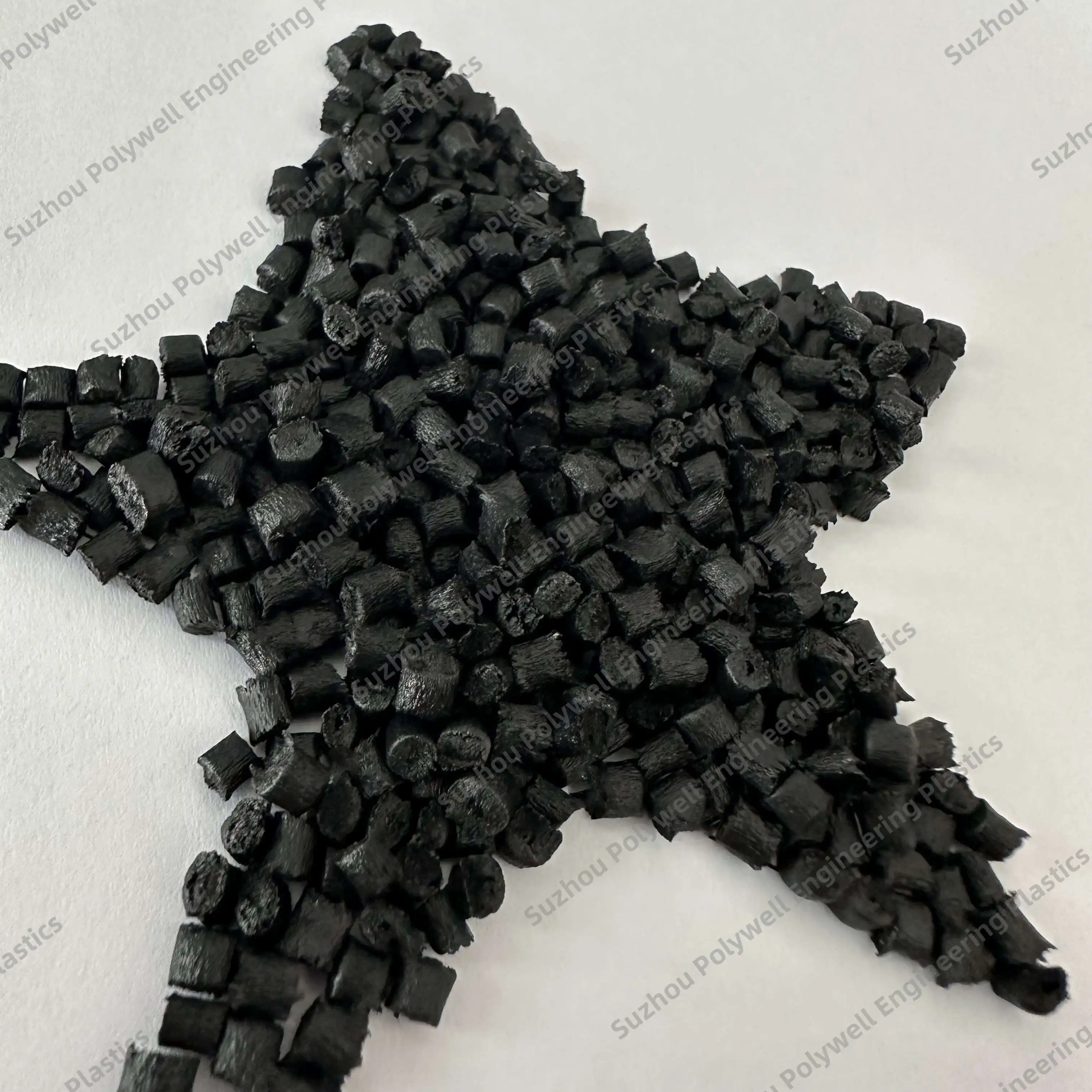
Each mold is custom engineered with a deep understanding of the specific rheological properties of our polyamide compounds including glass filled grades like PA66 GF25 We carefully calculate the compression ratio land length and flow channels to suit the material ensuring optimal melt homogenization minimal internal stresses and the preservation of the materials mechanical and thermal properties
Durable Construction with Premium Materials

Durable Construction with Premium Materials

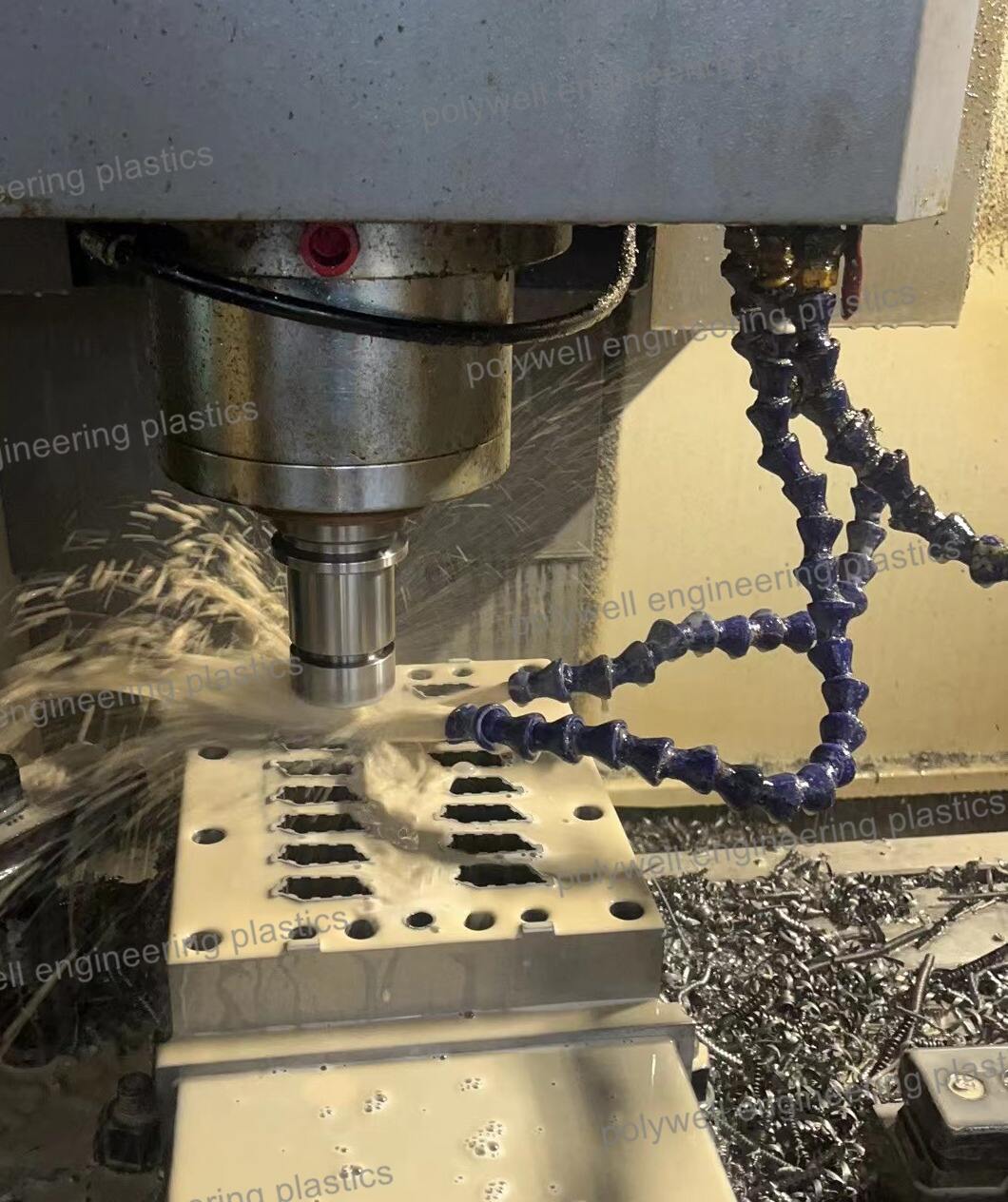
Our molds are manufactured from high grade hardened tool steels selected for their exceptional wear resistance hardness and polishability Critical surfaces are precision machined and often coated to withstand the abrasive nature of glass filled polymers This commitment to quality materials and craftsmanship ensures a long service life maintaining precise profile tolerances over millions of extrusion cycles
Inquiry Inquiry Email Email WhatsApp WhatsApp Wechat Wechat
Wechat
TopTop

Related Search