Plastic Component Design for Optimal Mold Performance

All Categories

Custom Plastic Component Design: Functionality & Manufacturability Optimization

This page is dedicated to custom plastic component design, focusing on balancing product functionality, aesthetic appeal, and manufacturability. It details key design considerations such as material selection (e.g., ABS, PP, PC, nylon) based on mechanical requirements (strength, flexibility, heat resistance) and application scenarios (industrial machinery, consumer goods, electronics). The content covers design principles to avoid common issues: uniform wall thickness to prevent warping, proper draft angles for easy demolding, and optimized rib/boss structures to enhance durability without adding excess weight. It also includes case studies of successful plastic component designs, along with tips for leveraging 3D modeling and simulation tools to validate designs before production, serving engineers, product designers, and businesses seeking tailored plastic component solutions.
Get A Quote

Advantages of the product

Durable Construction with Premium Materials

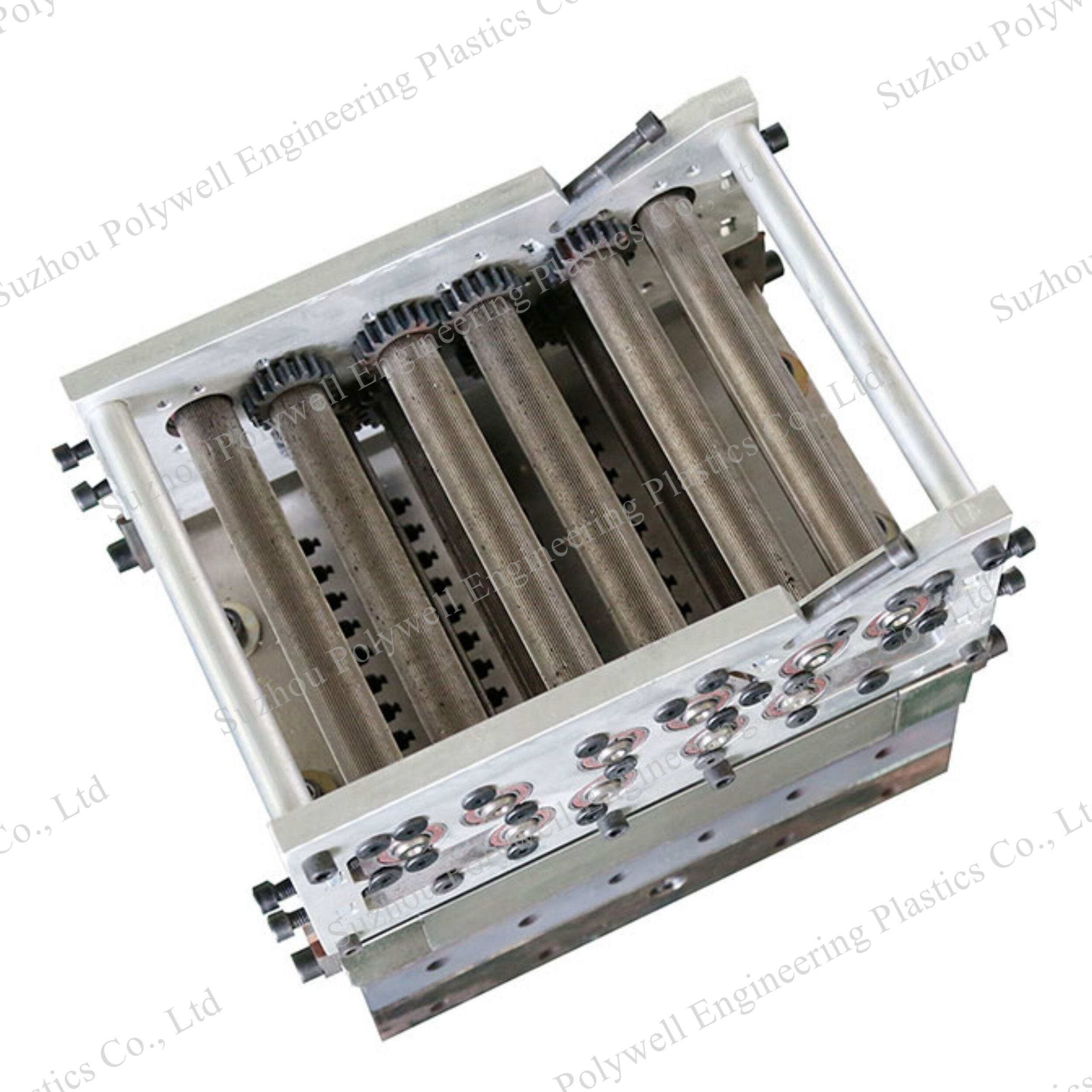
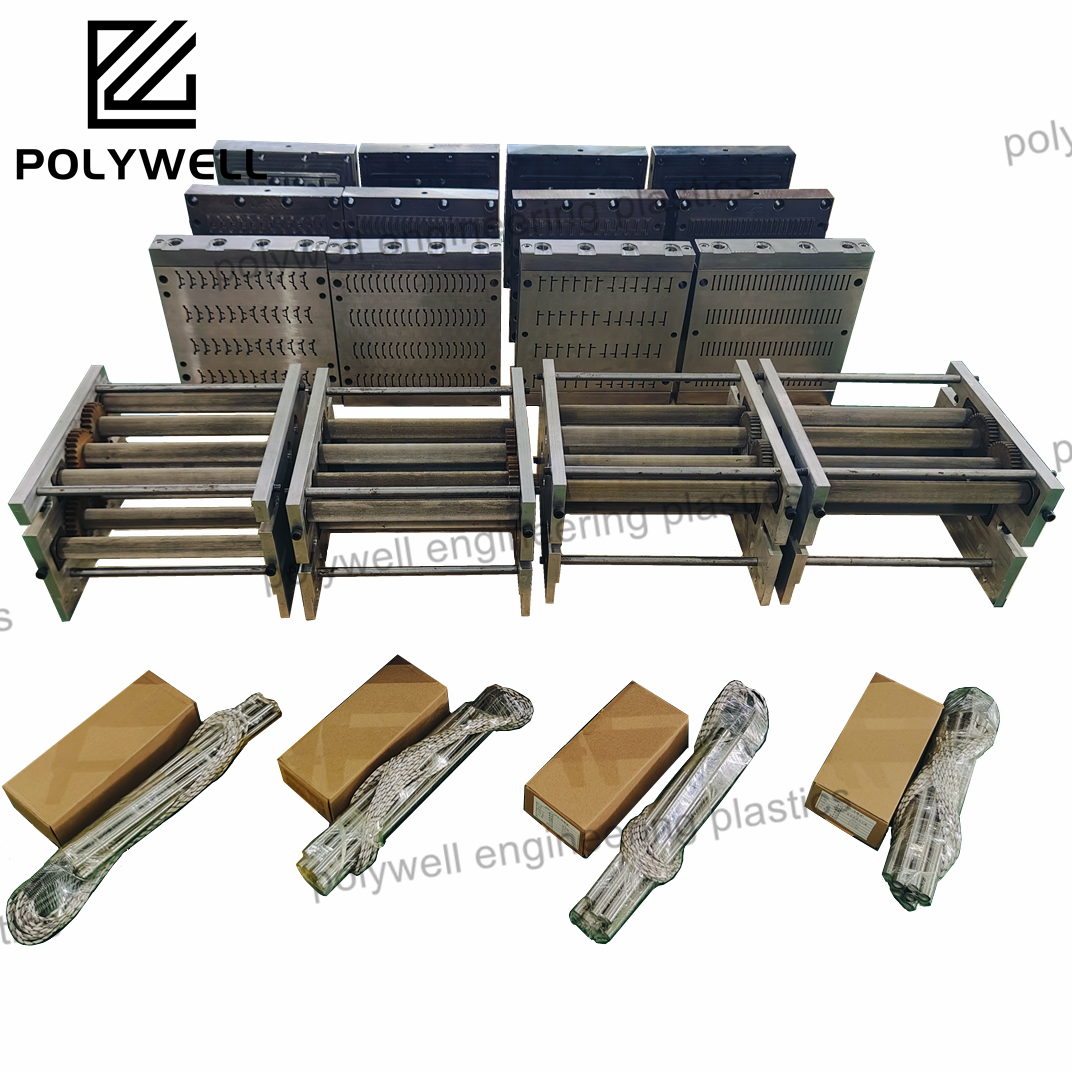
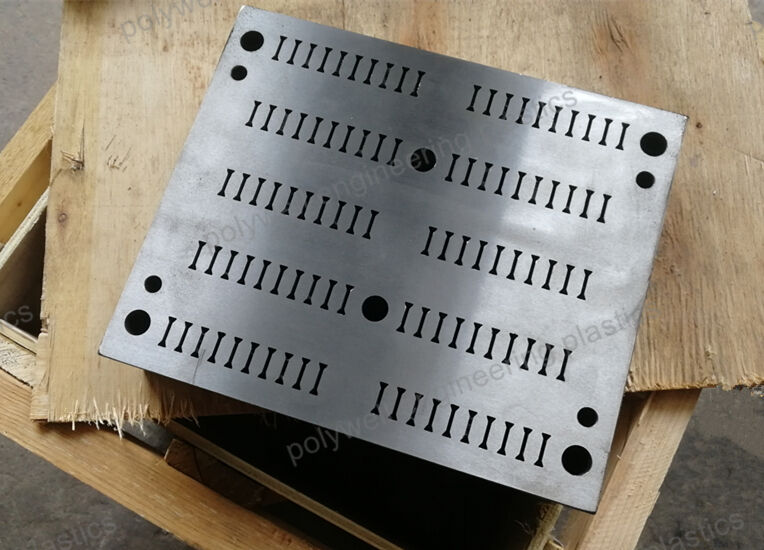
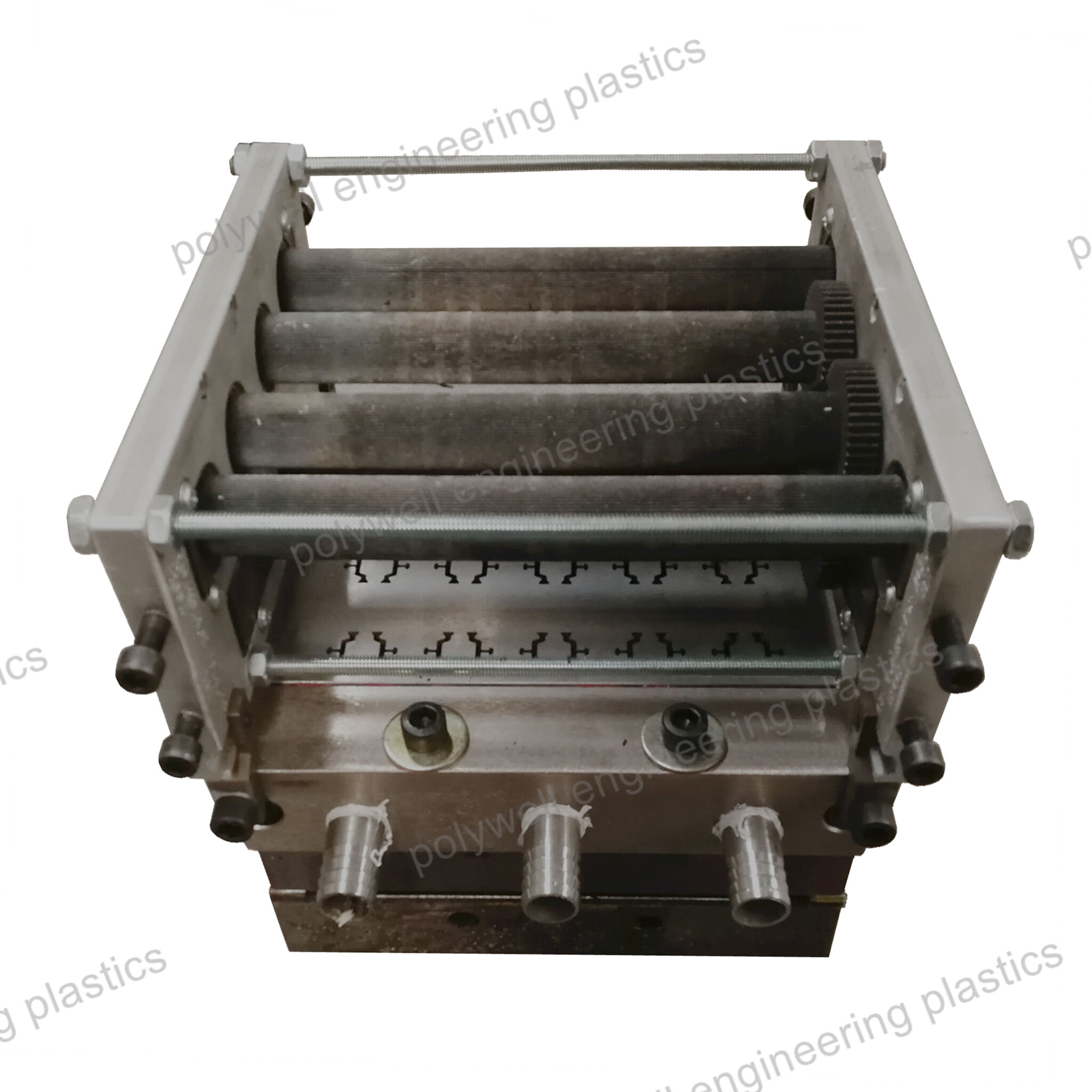
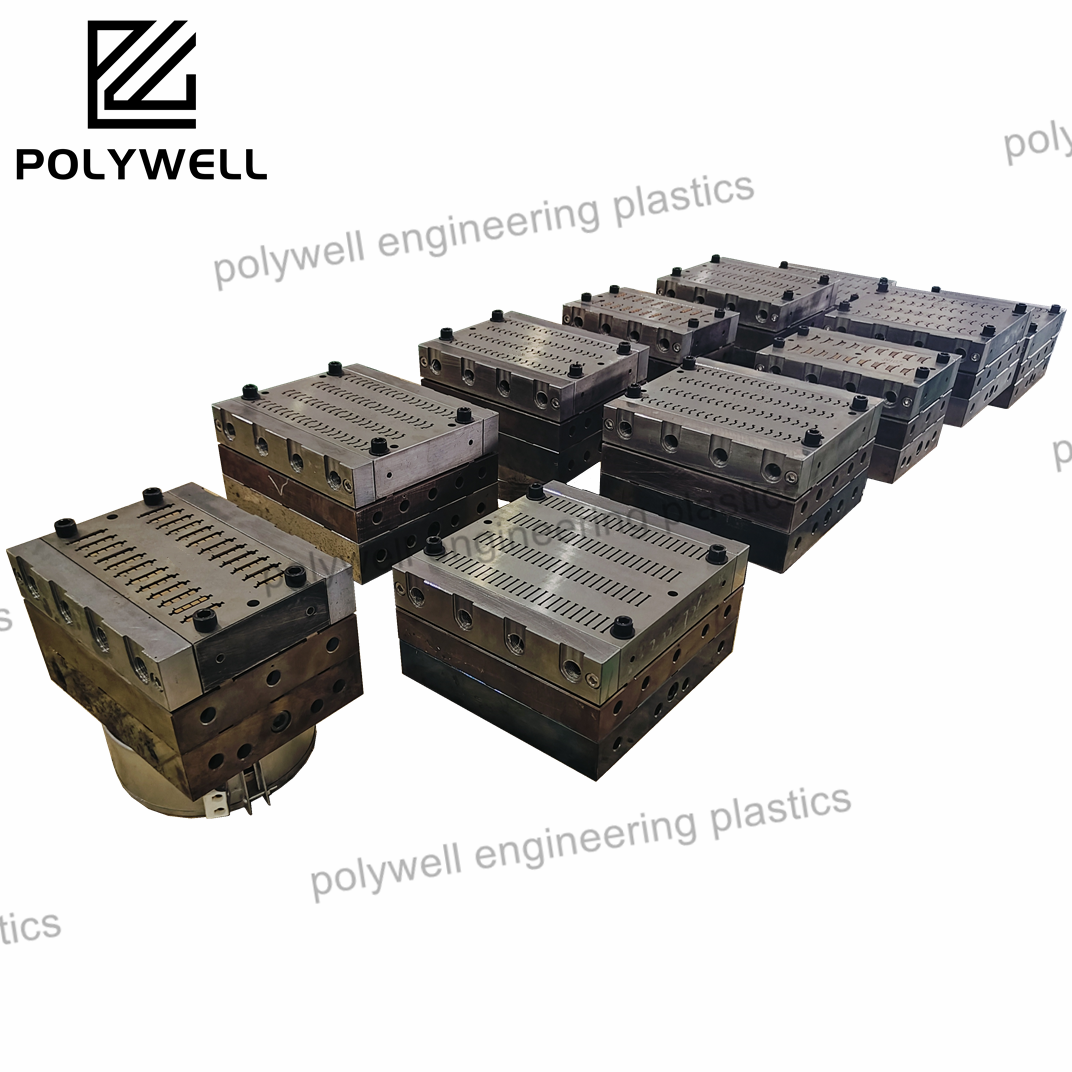
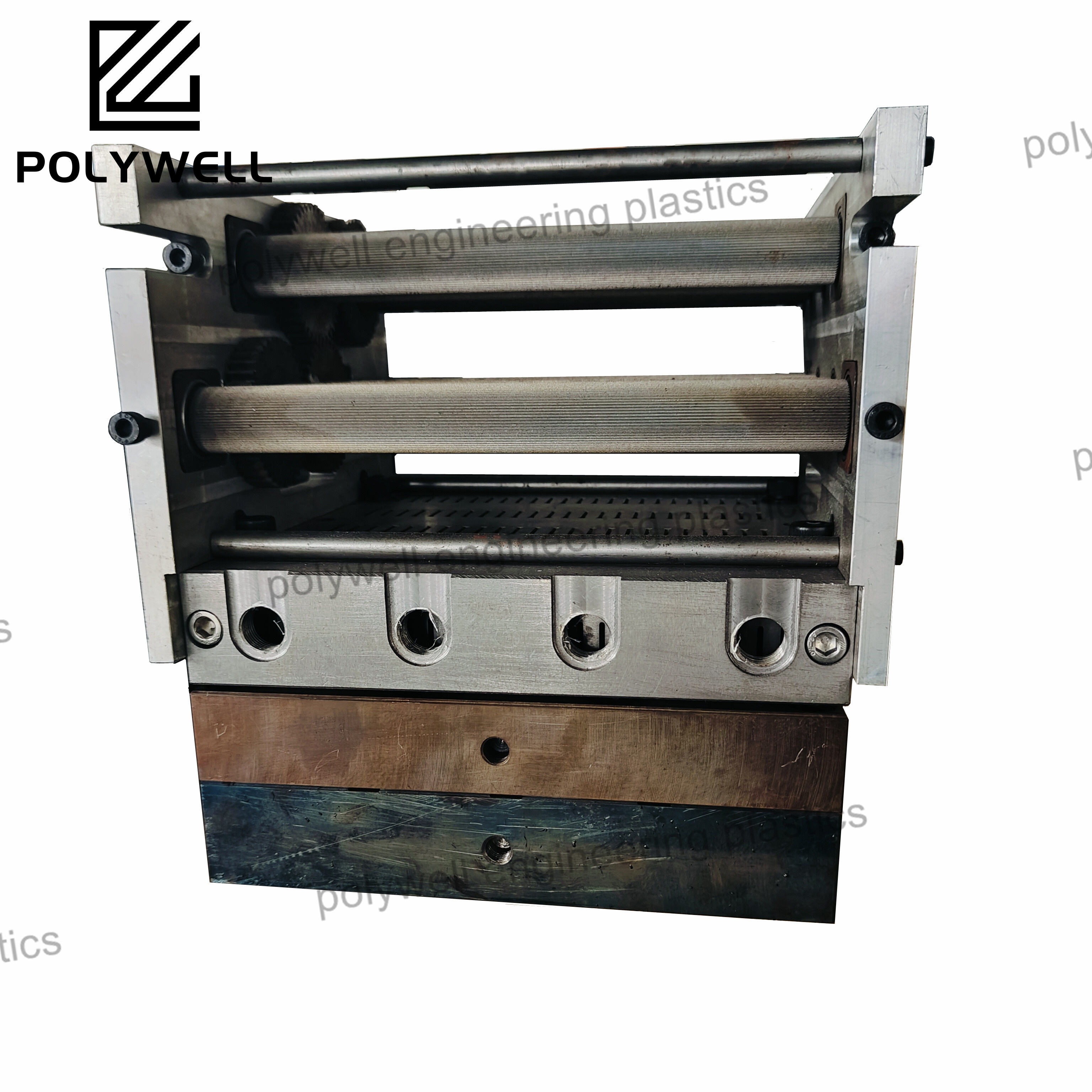
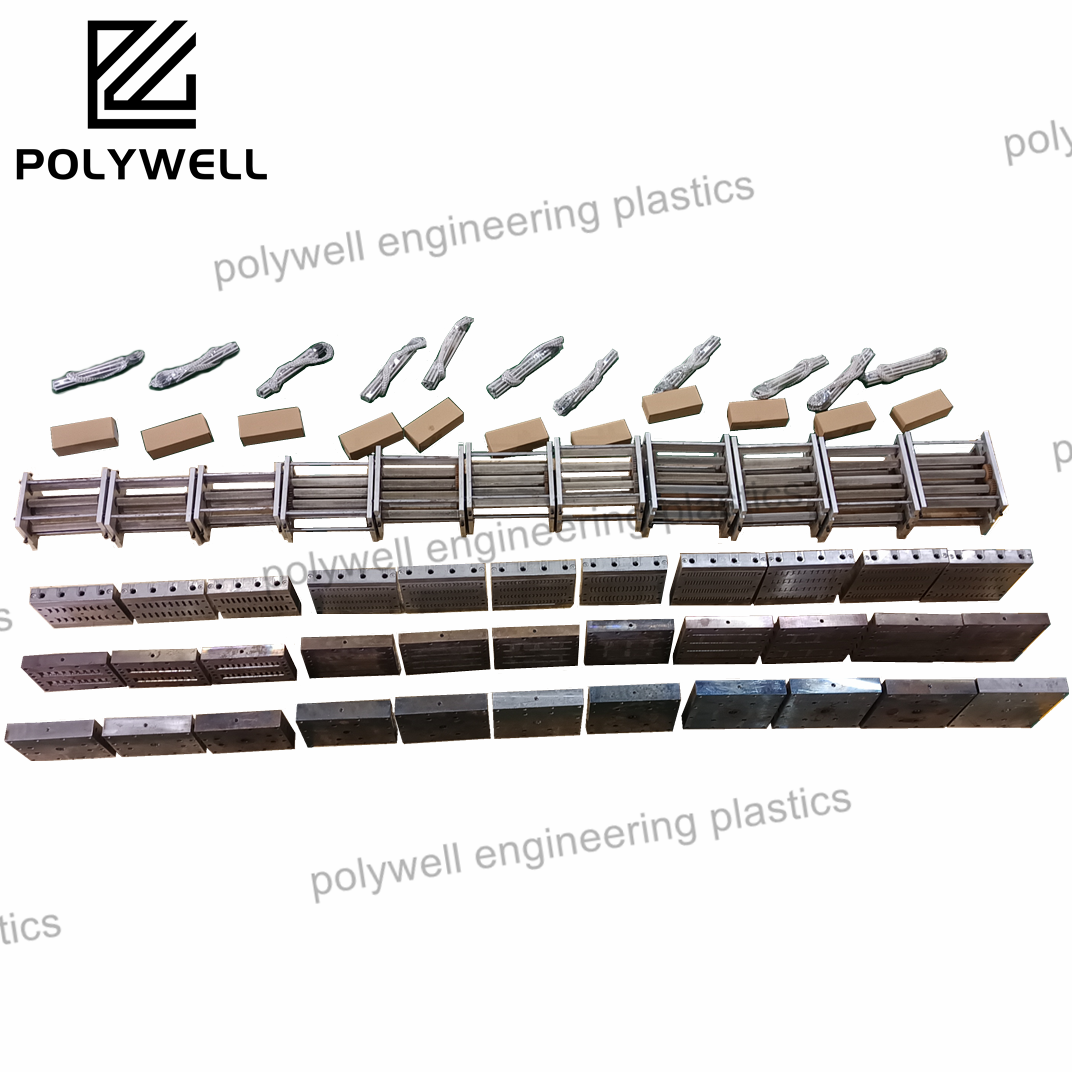
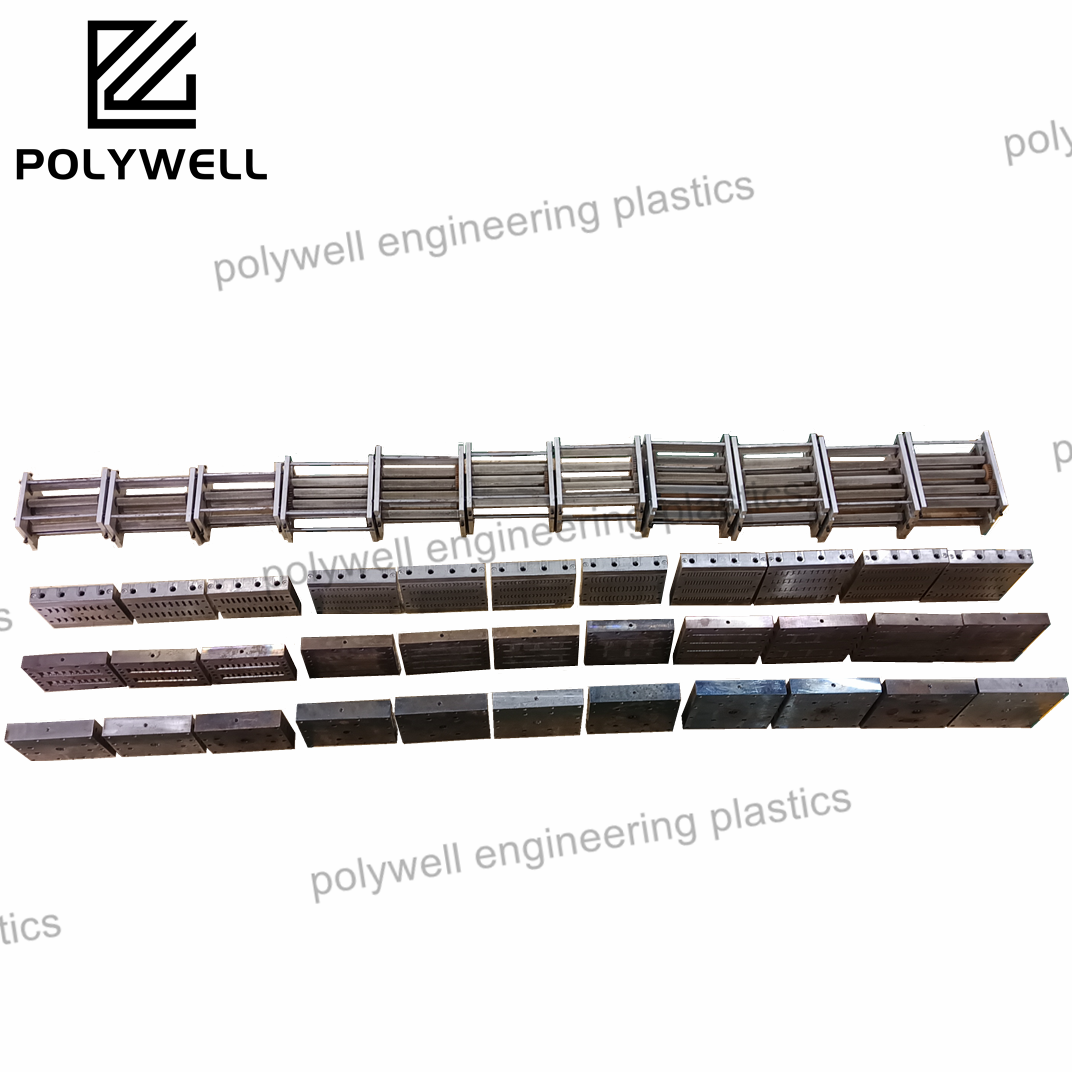
Our molds are manufactured from high grade, hardened tool steels selected for their exceptional wear resistance, hardness, and polishability. Critical surfaces are precision machined and often coated to withstand the abrasive nature of glass filled polymers. This commitment to quality materials and craftsmanship ensures a long service life, maintaining precise profile tolerances over millions of extrusion cycles.

Related products

Plastic component design is a specialized engineering discipline that balances aesthetic requirements, functional performance, and manufacturing practicality. The process begins with a clear understanding of the component's end-use application, including mechanical loads, environmental exposure, regulatory compliance, and user interaction. Material selection is a critical first step, with engineers evaluating numerous polymer options based on properties such as impact strength, heat resistance, chemical compatibility, UV stability, and flammability ratings. The geometrical design must adhere to fundamental plastic design principles, including maintaining uniform wall thickness to prevent sink marks and warpage, incorporating appropriate draft angles to facilitate mold release, and adding generous radii to stress concentration points. Structural integrity is often achieved through strategic rib placement rather than increasing overall wall thickness, with careful attention to rib design parameters to avoid cosmetic defects. Assembly considerations drive features like snap-fits, living hinges, press-fit assemblies, and ultrasonic welding horns, each requiring specific design approaches. Engineers must also account for environmental factors such as moisture absorption, thermal expansion, and long-term creep behavior. Modern plastic component design heavily relies on simulation tools for structural analysis, mold flow prediction, and thermal performance evaluation. The design process is inherently iterative, with prototypes often created through 3D printing or rapid tooling to validate form, fit, and function before full-scale production. Successful plastic component design requires a holistic approach that considers the entire product lifecycle, from manufacturing efficiency and assembly cost to end-of-life recyclability, creating components that are not only functional and aesthetically pleasing but also economically viable and environmentally responsible

Frequently Asked Questions

What maintenance is required to prolong a mold's service life?

Proper maintenance is key to longevity. This includes careful disassembly and assembly using the correct tools, thorough but gentle cleaning of all flow channels with appropriate solvents and non abrasive tools, proper storage in a dry, controlled environment to prevent rust, and periodic inspection of critical surfaces for wear or damage. We provide detailed maintenance protocols to our clients.

Related Articles

How Do PA66GF25 Granules Enhance Thermal Insulation Performance?

28

Mar

How Do PA66GF25 Granules Enhance Thermal Insulation Performance?

Explore the thermal insulation capabilities of PA66GF25 granules, focusing on the role of glass fiber reinforcement and low thermal conductivity. Learn about their structural stability, comparative performance to standard plastics, and applications in window insulation for energy efficiency.
View More
Cutting Machine Selection for Thermal Break Strip Processing

21

Aug

Cutting Machine Selection for Thermal Break Strip Processing

Maximize efficiency and quality in thermal break strip processing. Discover key selection criteria and benefits of modern cutting technology. Optimize your production workflow today.
View More
Extrusion Mold Design for Thermal Break Strips

21

Aug

Extrusion Mold Design for Thermal Break Strips

Enhance energy efficiency and structural integrity with precision extrusion mold design for thermal break strips. Discover key design principles that reduce thermal conductivity and improve building performance. Learn more today.
View More
How Single Screw Extruders Work with PA66GF25 Granules?

29

Aug

How Single Screw Extruders Work with PA66GF25 Granules?

Discover how single screw extruders efficiently melt and homogenize PA66GF25 granules for superior output. Learn the science behind polymer processing and optimization. Read the full guide now.
View More

customer evaluation

Micah

We had a challenging profile that required a unique solution. Their design team proposed an innovative multi part die construction that simplified maintenance and improved flow balance. It was a clear demonstration of deep expertise and a commitment to finding the best solution, not just the easiest one.

Get a Free Quote

Our representative will contact you soon.
Email
Name
Company Name
Message
0/1000
Scientific Flow Simulation for Optimal Performance

Scientific Flow Simulation for Optimal Performance

Our mold design process utilizes advanced Computational Fluid Dynamics CFD software to simulate the flow of molten polyamide material within the die This allows us to predict and eliminate potential issues like uneven flow dead spots or excessive pressure drops before manufacturing the physical mold The result is a die that produces a dimensionally stable and structurally uniform profile right from the first startup saving time and material
Custom Engineered for Material Properties

Custom Engineered for Material Properties

Each mold is custom engineered with a deep understanding of the specific rheological properties of our polyamide compounds including glass filled grades like PA66 GF25 We carefully calculate the compression ratio land length and flow channels to suit the material ensuring optimal melt homogenization minimal internal stresses and the preservation of the materials mechanical and thermal properties
Durable Construction with Premium Materials

Durable Construction with Premium Materials

Our molds are manufactured from high grade hardened tool steels selected for their exceptional wear resistance hardness and polishability Critical surfaces are precision machined and often coated to withstand the abrasive nature of glass filled polymers This commitment to quality materials and craftsmanship ensures a long service life maintaining precise profile tolerances over millions of extrusion cycles
Inquiry Inquiry Email Email WhatsApp WhatsApp Wechat Wechat
Wechat
TopTop

Related Search