Molding Die Design for Precision Extrusion & Injection

All Categories

Molding Die Design: Precision for Injection, Extrusion & Forming Processes

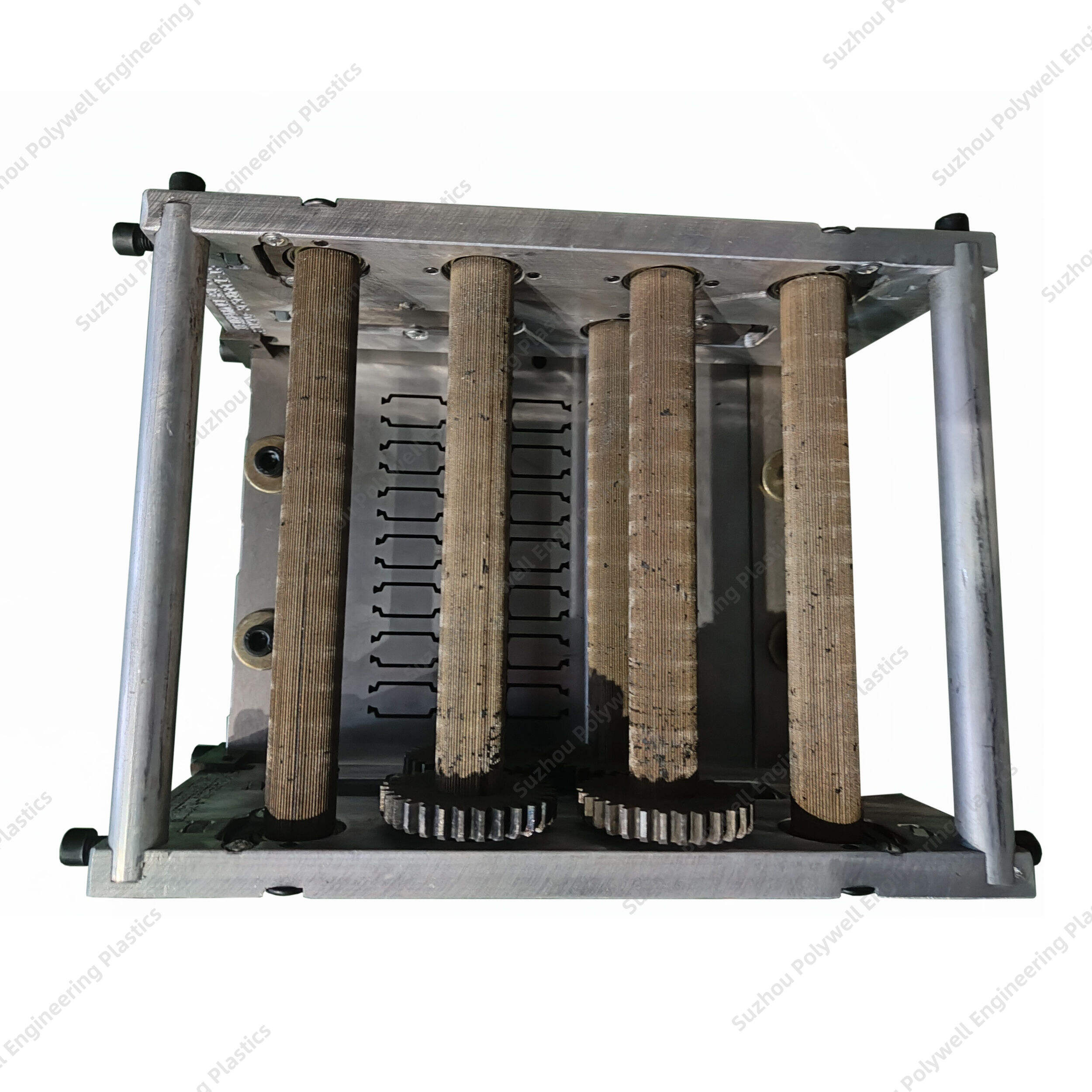
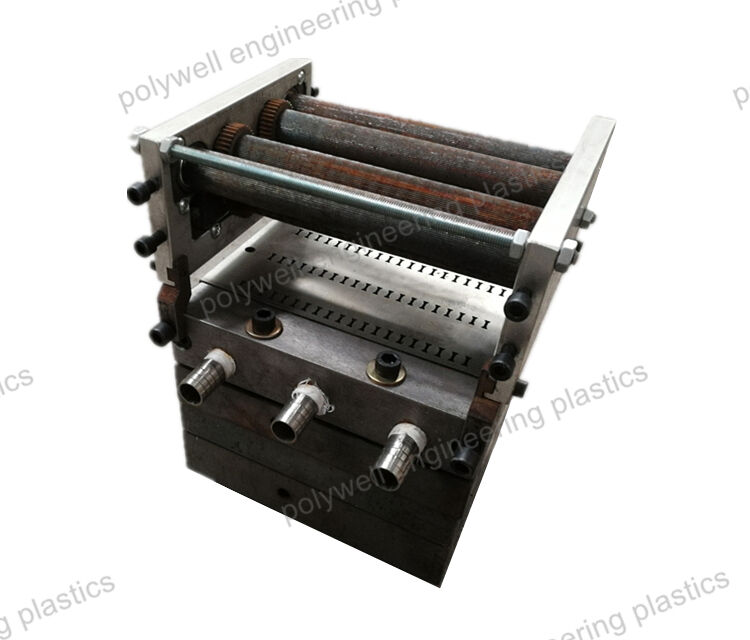
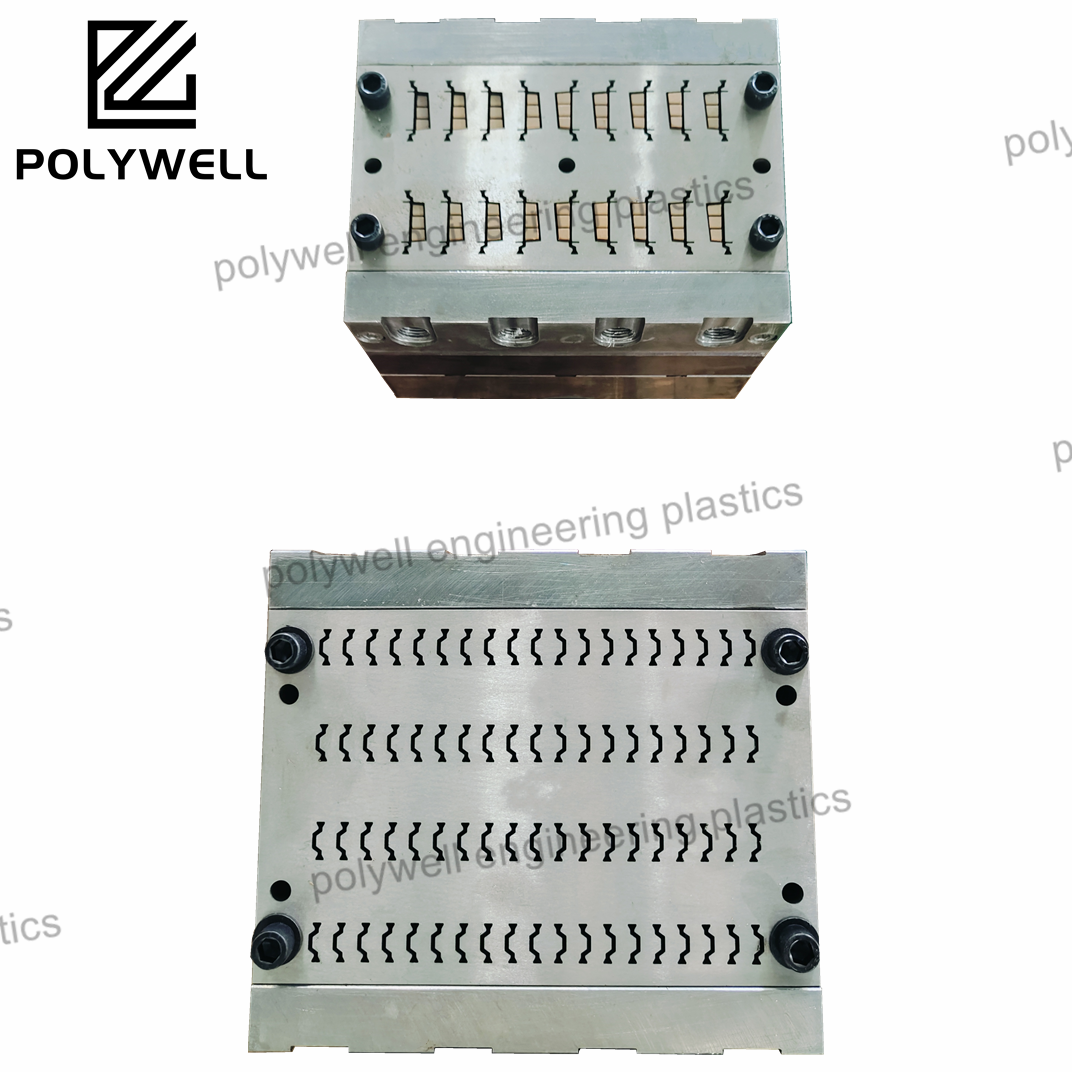
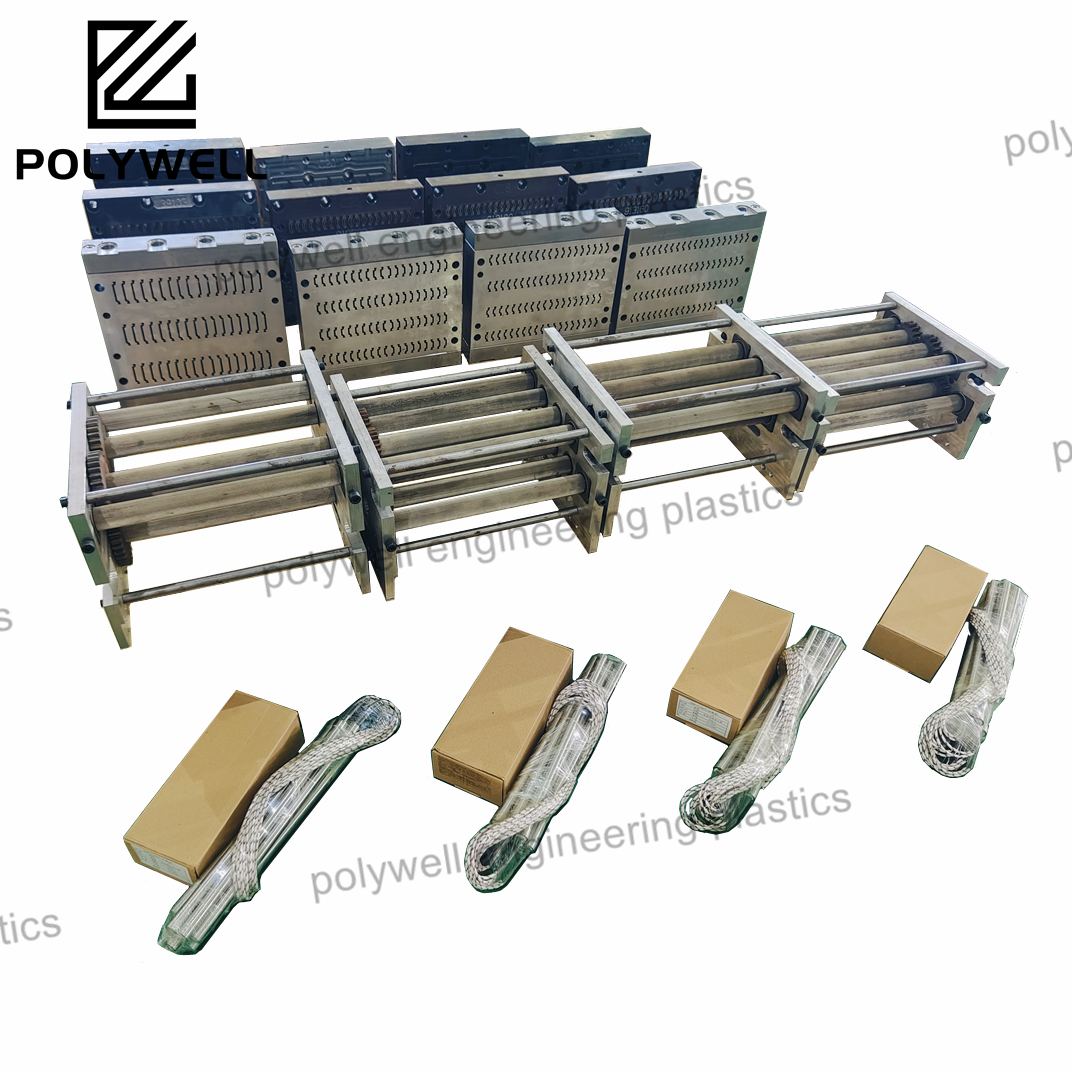
This page explores molding die design, the engineering of dies tailored to various molding processes (injection, extrusion, blow molding) for plastics, metals, and composites. It details the design of critical die components: cavities (to define part shape), cooling channels (to control solidification), and ejection systems (for smooth part removal). The content emphasizes material selection for dies—such as H13 steel for high temperature injection molding or aluminum for low volume extrusion—to balance durability and cost. It also covers design adaptations for different materials (e.g., heat resistant dies for glass fiber reinforced PA) and validation via 3D simulation to detect flow issues. This resource serves die designers and manufacturers seeking to create dies that boost production efficiency and part precision.
Get A Quote

Advantages of the product

Expert Design for Easy Maintenance and Cleaning

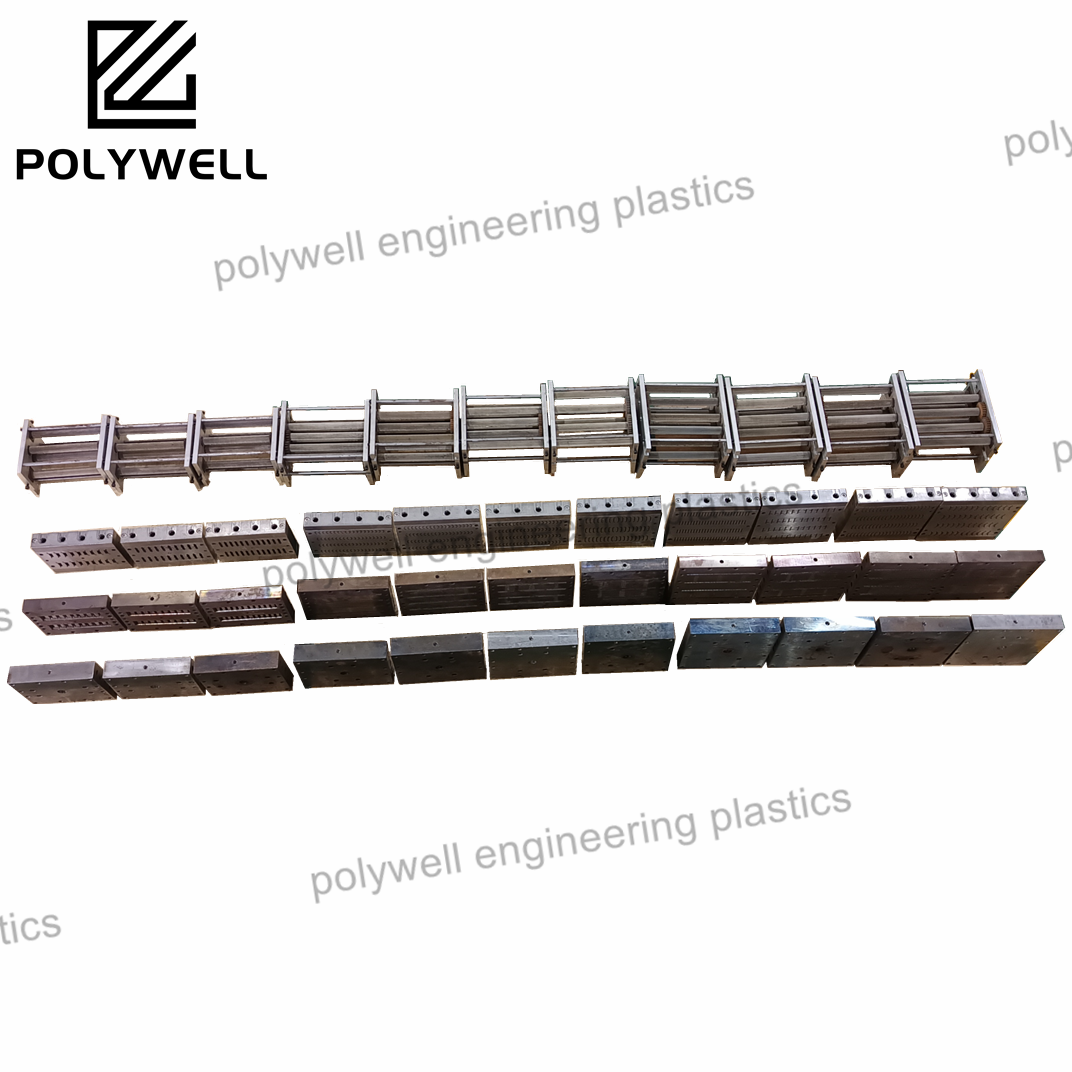
We design our molds for practicality and ease of maintenance. Features such as modular inserts, streamlined flow paths without sharp corners, and standardized components make the dies easier to disassemble, clean, and reassemble. This user centric design philosophy minimizes downtime for die changes and maintenance, maximizing the productivity and uptime of the entire extrusion line.

Related products

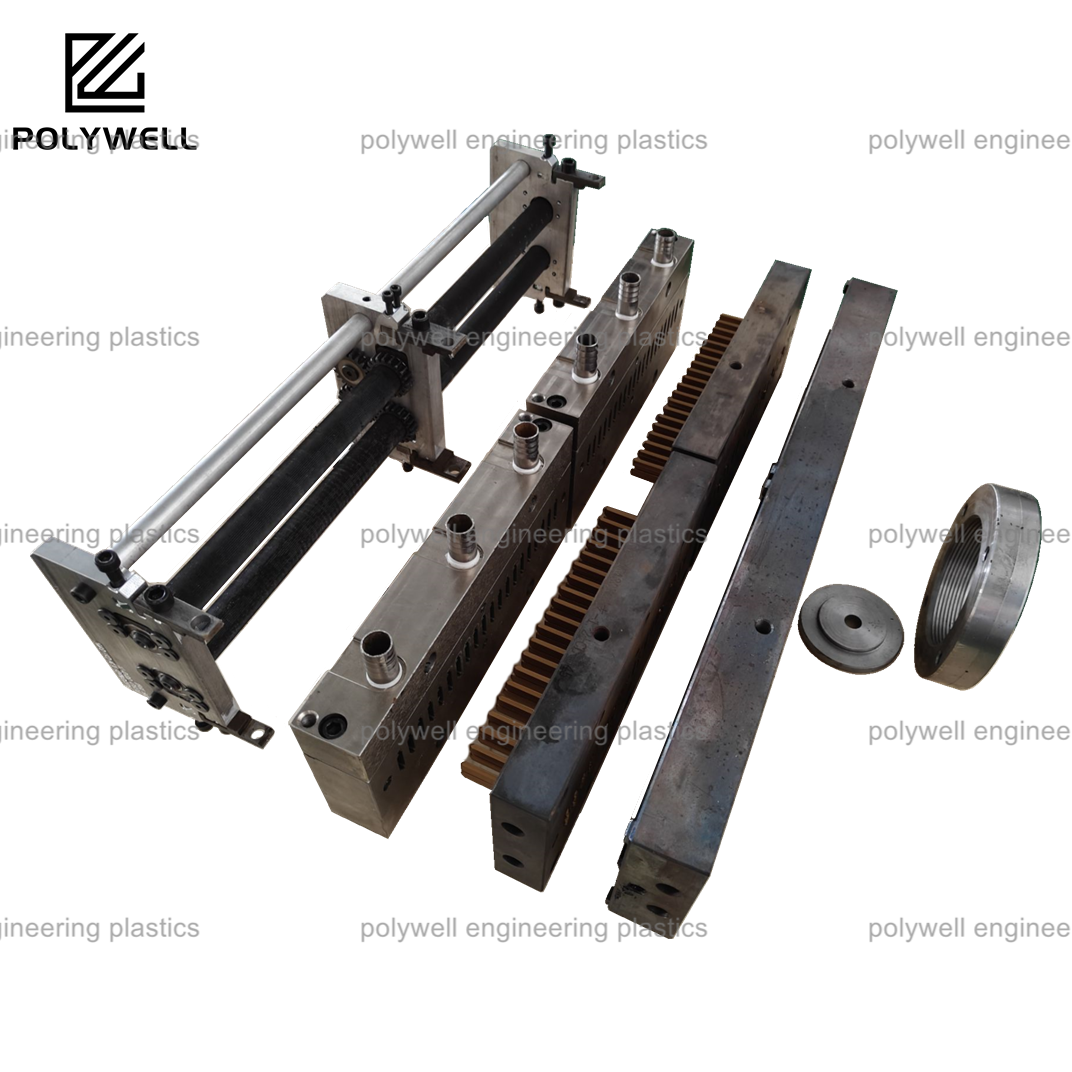
Molding die design constitutes the engineering foundation for manufacturing plastic components through injection molding processes. This comprehensive discipline involves creating precise tooling systems that transform molten polymer into finished parts with specific geometries, tolerances, and surface characteristics. The design process begins with thorough analysis of the part design, applying design for manufacturability (DFM) principles to identify and resolve potential production challenges. Critical elements include the cavity and core system that defines the part geometry, engineered with appropriate scale factors to compensate for material shrinkage. The feeding system encompasses sprue, runners, and gates designed to deliver material efficiently to the cavity while minimizing pressure drop and shear heating. Cooling system design employs strategically placed channels to extract heat uniformly, preventing warpage and reducing cycle times. Ejection system engineering ensures reliable part removal through pins, sleeves, blades, or stripper plates positioned to apply force without damaging cosmetic surfaces. For complex part geometries, additional mechanisms including lifters for undercuts, sliders for side features, and unscrewing devices for threaded components are integrated. Venting design prevents air entrapment that causes burns or short shots, while alignment systems maintain precision throughout the molding cycle. Material selection for mold components balances wear resistance, polishability, thermal conductivity, and cost, with options ranging from pre-hardened steels for moderate production to hardened tool steels for high-volume applications. Modern molding die design extensively utilizes CAD/CAE software for 3D modeling, flow simulation, cooling analysis, and structural validation. The design must also consider practical manufacturing concerns including ease of maintenance, repairability, and compatibility with standard molding machines. Successful molding die design delivers a robust manufacturing system that produces dimensionally accurate, cosmetically acceptable parts with minimal scrap while operating efficiently over extended production runs.

Frequently Asked Questions

How do you use flow simulation in your mold design process?

We utilize Computational Fluid Dynamics (CFD) software to create a virtual model of the die's flow channels. This simulation predicts how the molten polyamide will behave, allowing us to identify and correct areas of slow or fast flow before manufacturing the physical tool. This scientific approach eliminates guesswork, reduces development time and cost, and guarantees a die that produces a dimensionally accurate and balanced profile from the very first production run.

Related Articles

Why you need one stop service (overall solutions)

30

Dec

Why you need one stop service (overall solutions)

Discover why POLYWELL’s one-stop service is essential for your plastic extrusion projects. From raw material selection to final production, we provide comprehensive support for thermal break strips and custom profiles.
View More
How Do PA66GF25 Granules Enhance Thermal Insulation Performance?

28

Mar

How Do PA66GF25 Granules Enhance Thermal Insulation Performance?

Explore the thermal insulation capabilities of PA66GF25 granules, focusing on the role of glass fiber reinforcement and low thermal conductivity. Learn about their structural stability, comparative performance to standard plastics, and applications in window insulation for energy efficiency.
View More
Cutting Machine Selection for Thermal Break Strip Processing

21

Aug

Cutting Machine Selection for Thermal Break Strip Processing

Maximize efficiency and quality in thermal break strip processing. Discover key selection criteria and benefits of modern cutting technology. Optimize your production workflow today.
View More
How Single Screw Extruders Work with PA66GF25 Granules?

29

Aug

How Single Screw Extruders Work with PA66GF25 Granules?

Discover how single screw extruders efficiently melt and homogenize PA66GF25 granules for superior output. Learn the science behind polymer processing and optimization. Read the full guide now.
View More

customer evaluation

Ashley

The design process was a true partnership. They listened to our requirements and constraints and provided expert guidance throughout. Their responsiveness to our feedback and their ability to translate our needs into a high performance tool has built a level of trust that we value greatly.

Get a Free Quote

Our representative will contact you soon.
Email
Name
Company Name
Message
0/1000
Scientific Flow Simulation for Optimal Performance

Scientific Flow Simulation for Optimal Performance

Our mold design process utilizes advanced Computational Fluid Dynamics CFD software to simulate the flow of molten polyamide material within the die This allows us to predict and eliminate potential issues like uneven flow dead spots or excessive pressure drops before manufacturing the physical mold The result is a die that produces a dimensionally stable and structurally uniform profile right from the first startup saving time and material
Custom Engineered for Material Properties

Custom Engineered for Material Properties

Each mold is custom engineered with a deep understanding of the specific rheological properties of our polyamide compounds including glass filled grades like PA66 GF25 We carefully calculate the compression ratio land length and flow channels to suit the material ensuring optimal melt homogenization minimal internal stresses and the preservation of the materials mechanical and thermal properties
Durable Construction with Premium Materials

Durable Construction with Premium Materials

Our molds are manufactured from high grade hardened tool steels selected for their exceptional wear resistance hardness and polishability Critical surfaces are precision machined and often coated to withstand the abrasive nature of glass filled polymers This commitment to quality materials and craftsmanship ensures a long service life maintaining precise profile tolerances over millions of extrusion cycles
Inquiry Inquiry Email Email WhatsApp WhatsApp Wechat Wechat
Wechat
TopTop

Related Search