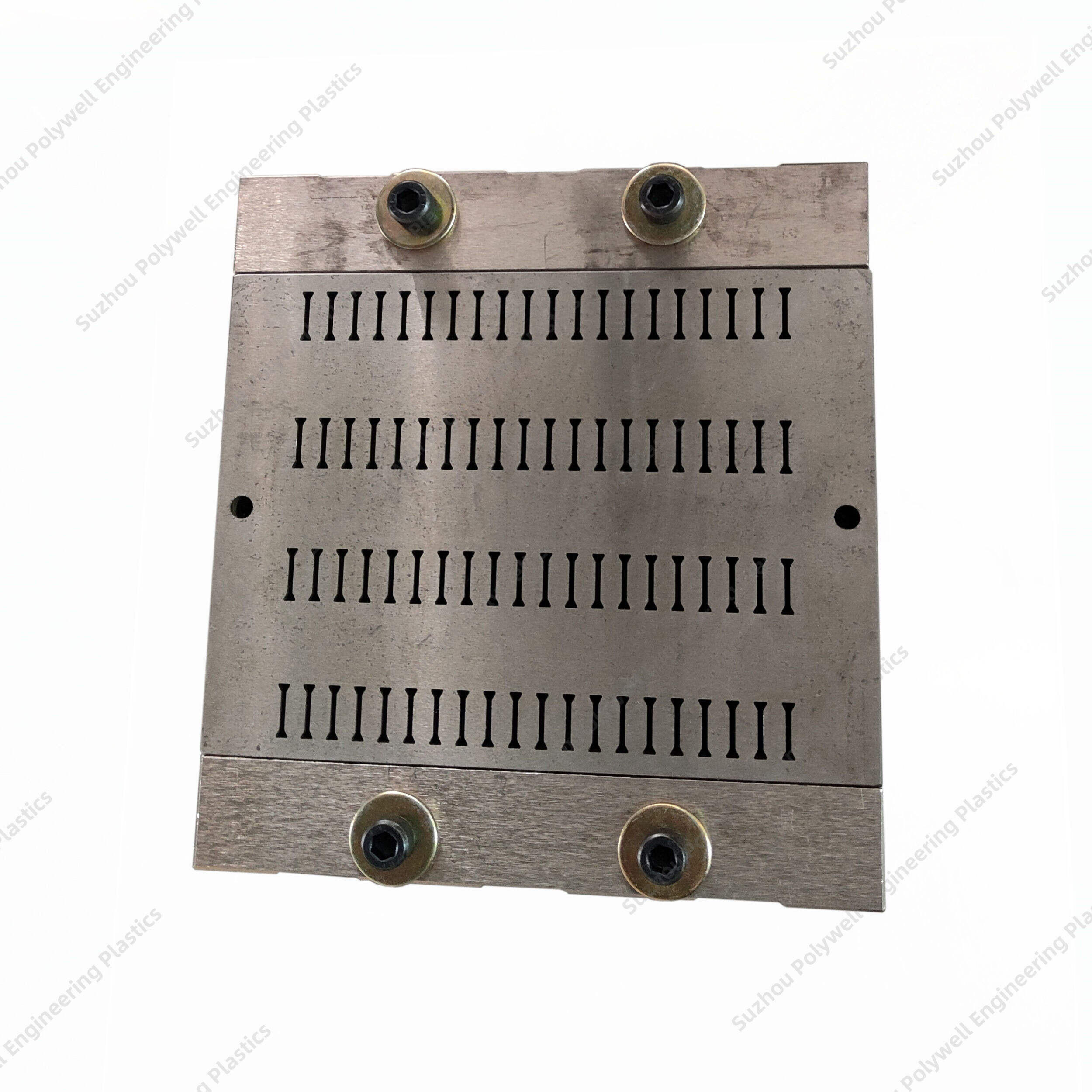
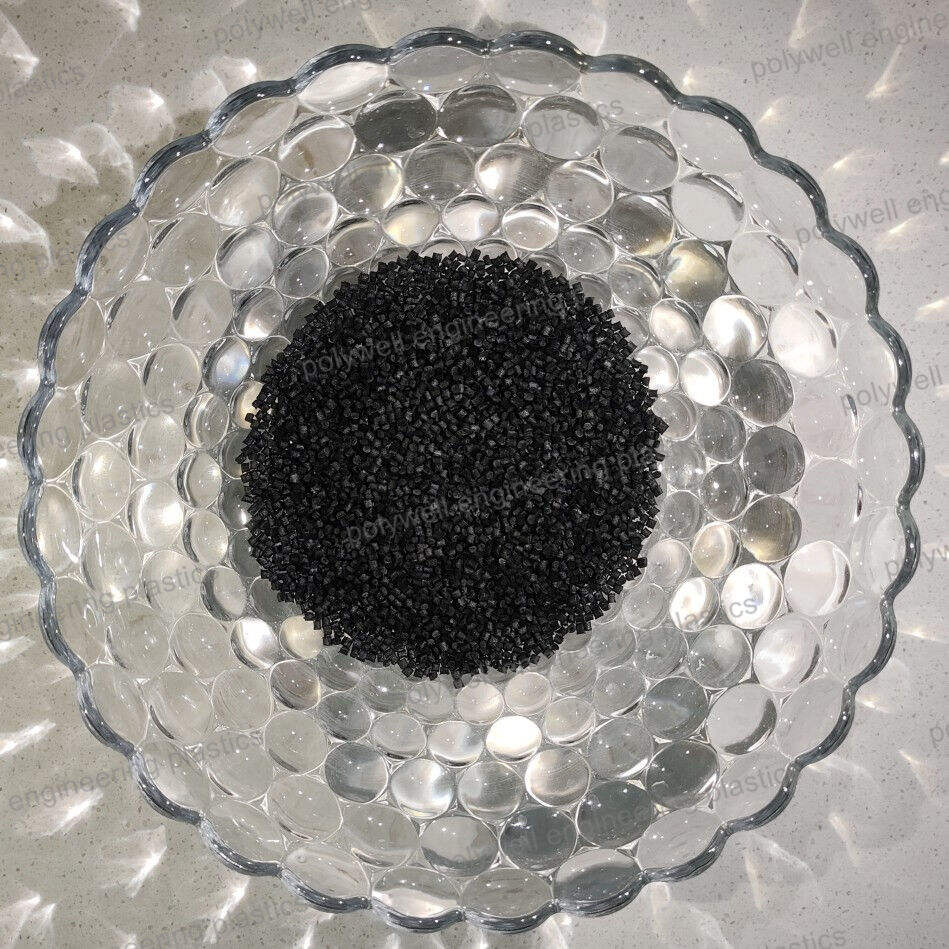
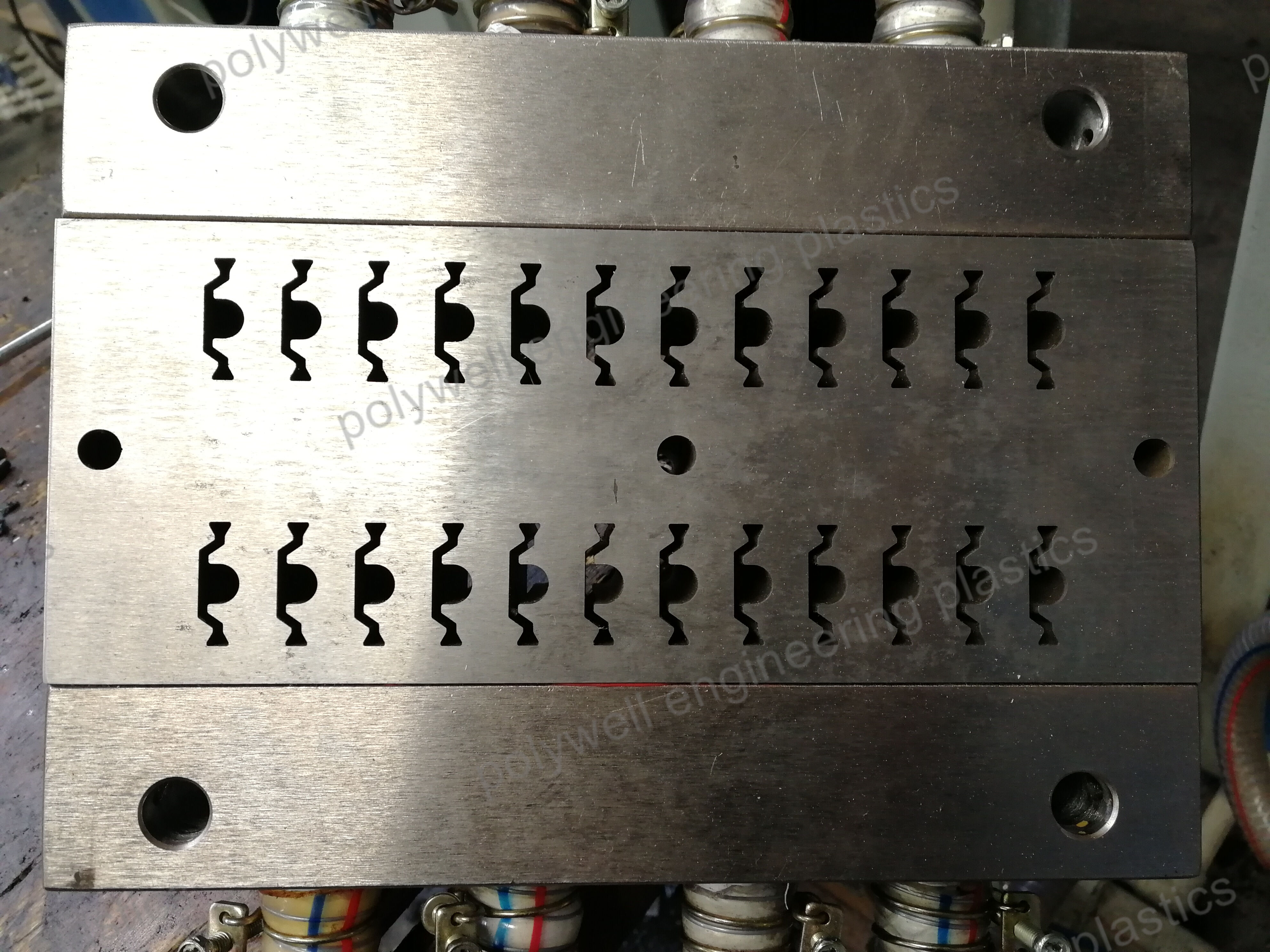
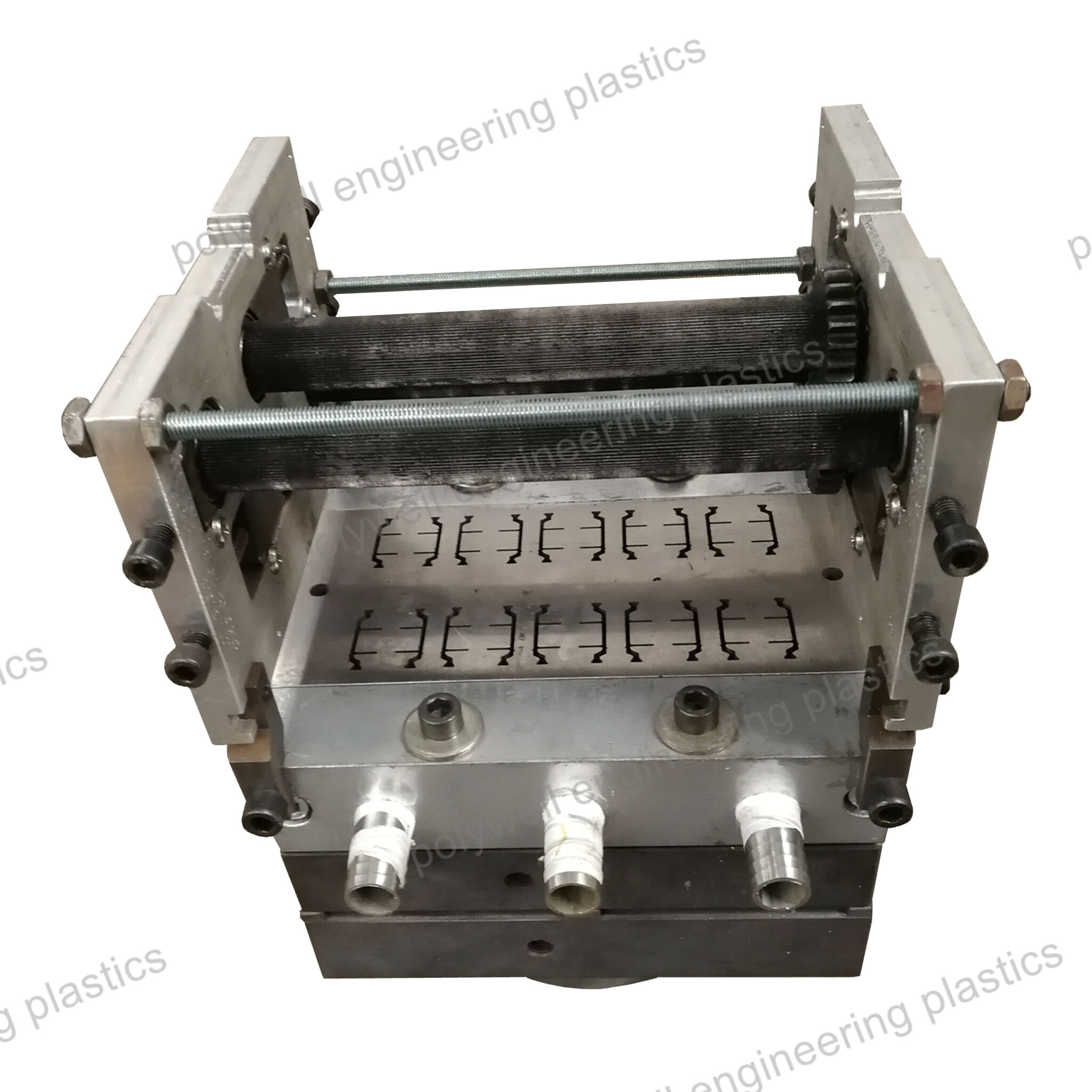
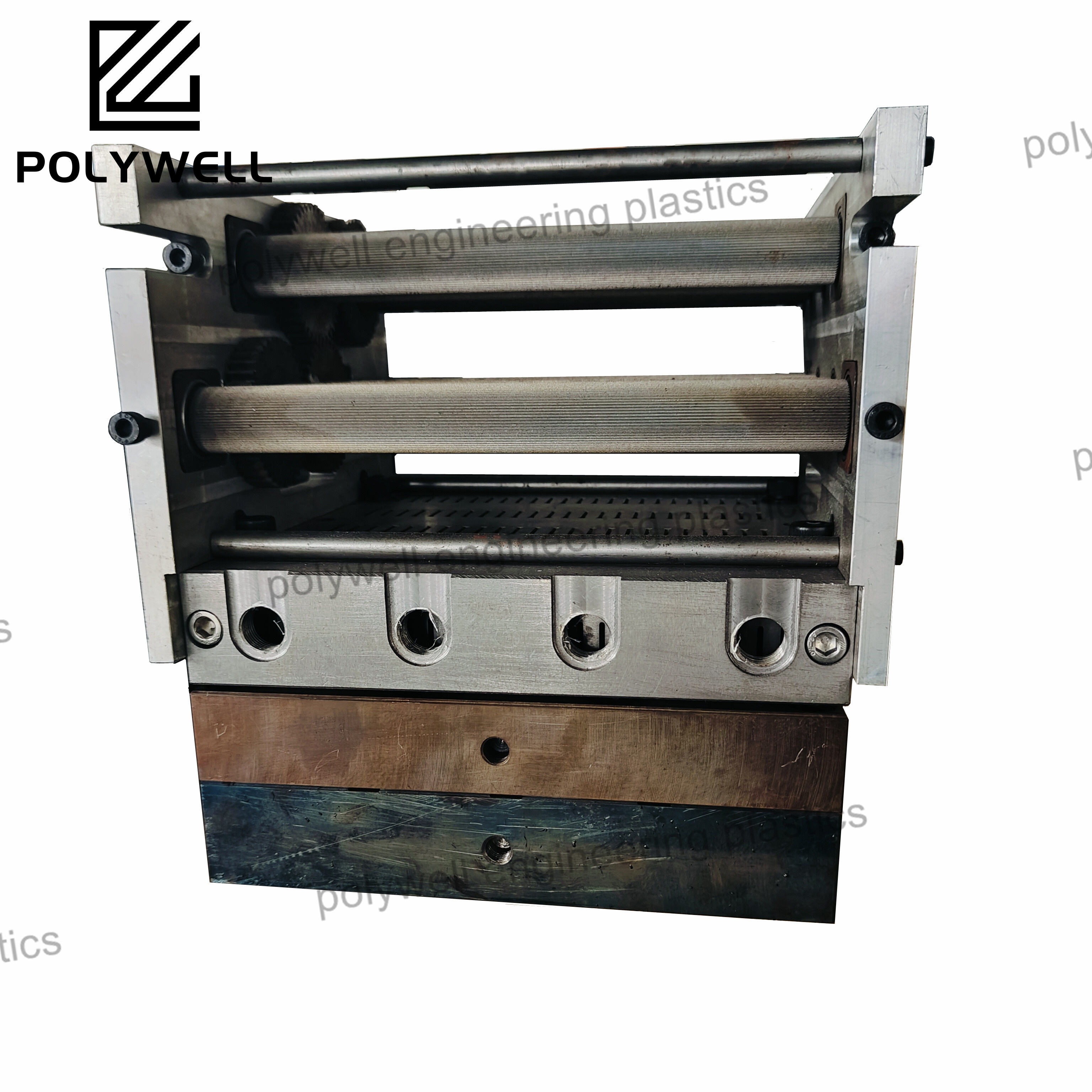
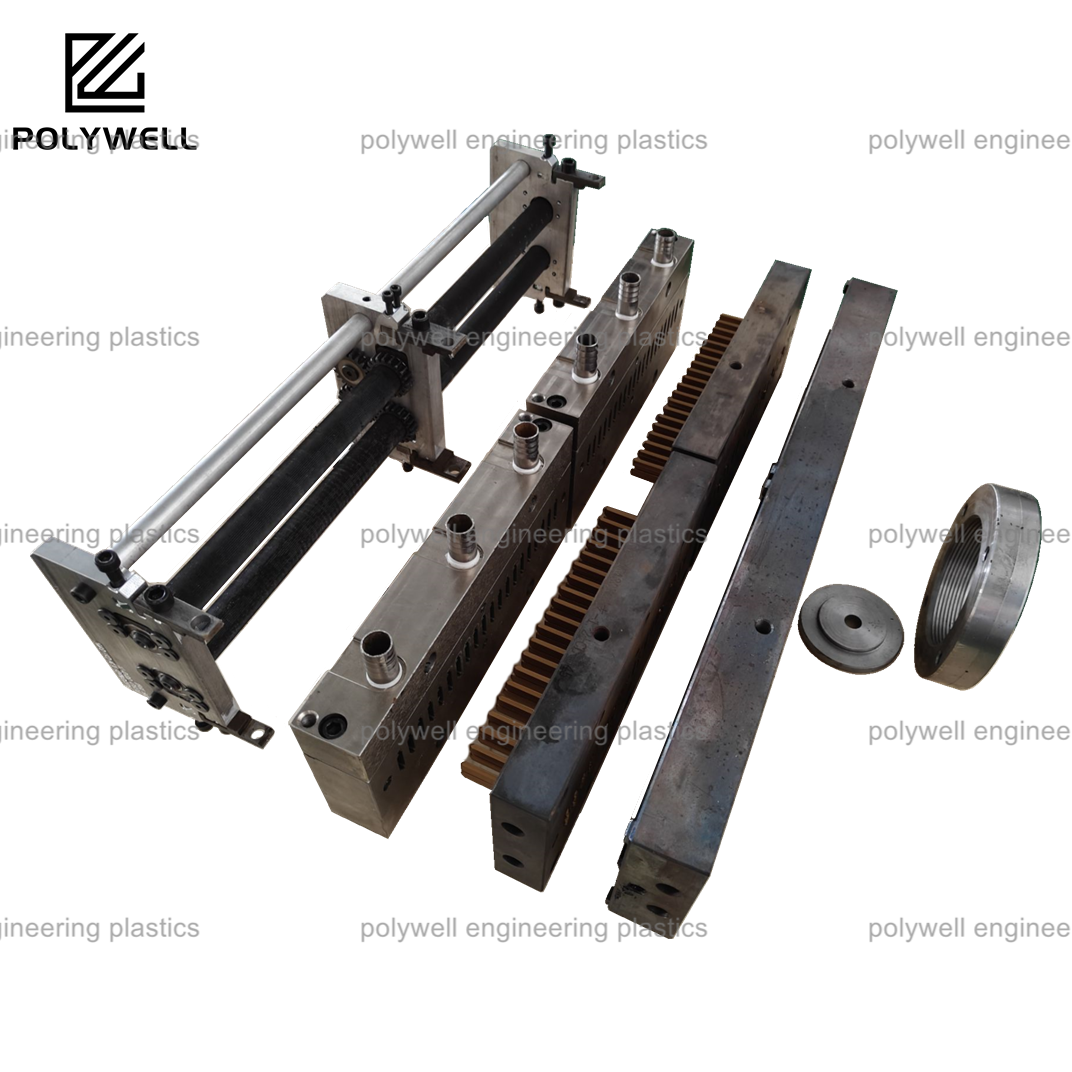
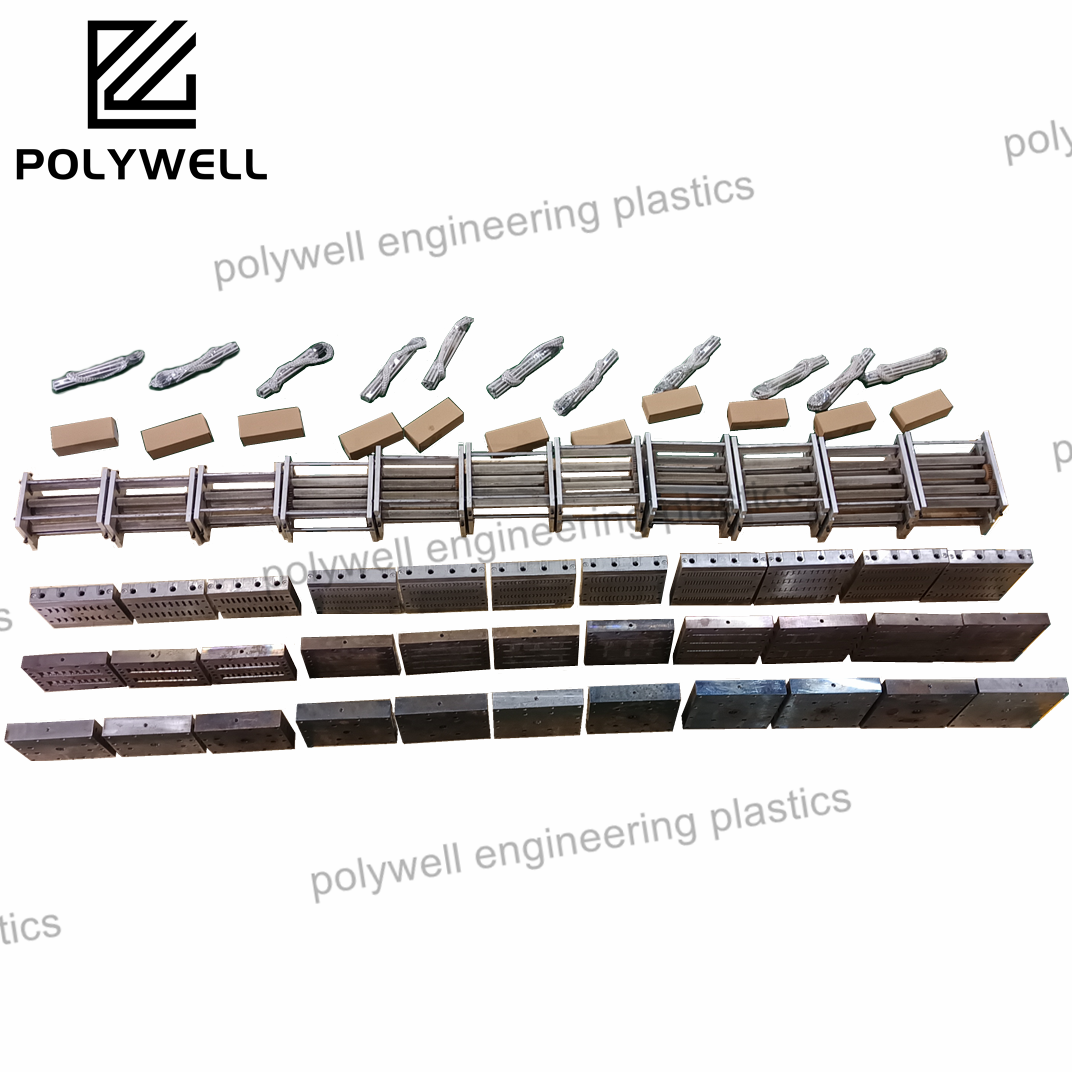
Precision Mold Design for PA66 Extrusion | Custom Thermal Break Dies

All Categories

Mold Design: Universal Principles for Injection, Die Casting & Extrusion Molds

This page provides a universal overview of mold design, covering molds for diverse manufacturing processes (injection, die casting, extrusion) and materials (plastics, metals, composites). It outlines core design principles: precision (matching part tolerances), durability (selecting mold materials for long runs), and efficiency (optimizing cooling to reduce cycle time). The content includes a step by step design workflow: analyzing part requirements → 3D modeling → simulating performance → prototyping → finalizing. It also addresses software tools (CAD for modeling, CAE for simulation) and industry standards (e.g., DIN for mold dimensions). Additionally, it highlights how mold design varies by process—e.g., injection molds need ejection systems, while extrusion molds focus on profile shaping. This resource is a foundational guide for anyone new to mold design or seeking a broad understanding of the field.
Get A Quote

Advantages of the product

Scientific Flow Simulation for Optimal Performance

Our mold design process utilizes advanced Computational Fluid Dynamics (CFD) software to simulate the flow of molten polyamide material within the die. This allows us to predict and eliminate potential issues like uneven flow, dead spots, or excessive pressure drops before manufacturing the physical mold. The result is a die that produces a dimensionally stable and structurally uniform profile right from the first startup, saving time and material.

Related products

Mold design is a critical engineering discipline in injection molding, particularly for high-performance thermoplastics like polyamide 66 (PA66) and its glass-filled variants. It encompasses the systematic planning of mold geometry, cooling systems, gating, venting, and ejection mechanisms to ensure part quality, production efficiency, and mold longevity. For materials such as PA66 with 25% glass fiber (GF25), designers must account for the abrasive nature of fibers, which necessitates the use of wear-resistant materials like hardened steels (e.g., H13) or surface treatments to mitigate erosion. Gate design—whether pinpoint, submarine, or hot runner—affects fiber orientation and weld lines, influencing mechanical properties like tensile strength and impact resistance. Cooling channels must be optimized to manage thermal conductivity and prevent warpage, as PA66 GF25 has a melting point around 260°C and recommended mold temperatures of 80–120°C. Shrinkage behavior, typically 0.2–0.5% in-flow and 0.5–0.8% cross-flow due to fiber reinforcement, requires precise dimensional allowances. Ejection systems should avoid part damage, leveraging stripper plates or air assists for complex geometries. Venting is essential to eliminate air traps and burns, often using micro-vents or porous inserts. Advanced simulation tools aid in predicting flow, cooling, and structural integrity, reducing trial cycles. In industries like automotive and aerospace, mold design must align with high-volume production needs and regulatory standards, emphasizing collaboration between material scientists and engineers to address challenges such as anisotropic behavior and thermal stability. Ultimately, a holistic approach integrating material properties, processing parameters, and end-use requirements is vital for achieving consistent performance and cost-effectiveness in molded components.

Frequently Asked Questions

How do you use flow simulation in your mold design process?

We utilize Computational Fluid Dynamics (CFD) software to create a virtual model of the die's flow channels. This simulation predicts how the molten polyamide will behave, allowing us to identify and correct areas of slow or fast flow before manufacturing the physical tool. This scientific approach eliminates guesswork, reduces development time and cost, and guarantees a die that produces a dimensionally accurate and balanced profile from the very first production run.

Related Articles

INSERTION PROCESS OF THERMAL BREAK ALUMINUM PROFILES

18

Nov

INSERTION PROCESS OF THERMAL BREAK ALUMINUM PROFILES

Learn the efficient insertion process of thermal break aluminum profiles with POLYWELL. Our step-by-step guide ensures precision and quality in thermal insulation for aluminum windows and doors.
View More
What to Consider When Choosing a Plastic Molding Manufacturer

22

Nov

What to Consider When Choosing a Plastic Molding Manufacturer

Choose POLYWELL for high-quality plastic molding solutions, advanced technology, and customer-driven service in the construction industry
View More
The Evolution of Winding Machines in the Thermal Break Strip Industry

28

Mar

The Evolution of Winding Machines in the Thermal Break Strip Industry

Explore the historical development of winding machines in thermal break strip manufacturing, including early systems, automation advancements, and modern precision control. Discover how polymers and material science impact efficiency and future trends in predictive maintenance and sustainability goals.
View More
Cutting Machine Safety in Thermal Break Strip Production

19

Aug

Cutting Machine Safety in Thermal Break Strip Production

Prevent workplace injuries in thermal break strip production. Discover 5 essential cutting machine safety measures every manufacturer must implement. Download your free safety checklist.
View More

customer evaluation

Faith

The quality of the steel and the craftsmanship of the mold are top tier. After a year of high volume production, the die land shows minimal wear, and we are still holding tight tolerances. The longevity and consistent performance of this tool directly contribute to our production cost effectiveness and product quality.

Get a Free Quote

Our representative will contact you soon.
Email
Name
Company Name
Message
0/1000
Scientific Flow Simulation for Optimal Performance

Scientific Flow Simulation for Optimal Performance

Our mold design process utilizes advanced Computational Fluid Dynamics CFD software to simulate the flow of molten polyamide material within the die This allows us to predict and eliminate potential issues like uneven flow dead spots or excessive pressure drops before manufacturing the physical mold The result is a die that produces a dimensionally stable and structurally uniform profile right from the first startup saving time and material
Custom Engineered for Material Properties

Custom Engineered for Material Properties

Each mold is custom engineered with a deep understanding of the specific rheological properties of our polyamide compounds including glass filled grades like PA66 GF25 We carefully calculate the compression ratio land length and flow channels to suit the material ensuring optimal melt homogenization minimal internal stresses and the preservation of the materials mechanical and thermal properties
Durable Construction with Premium Materials

Durable Construction with Premium Materials

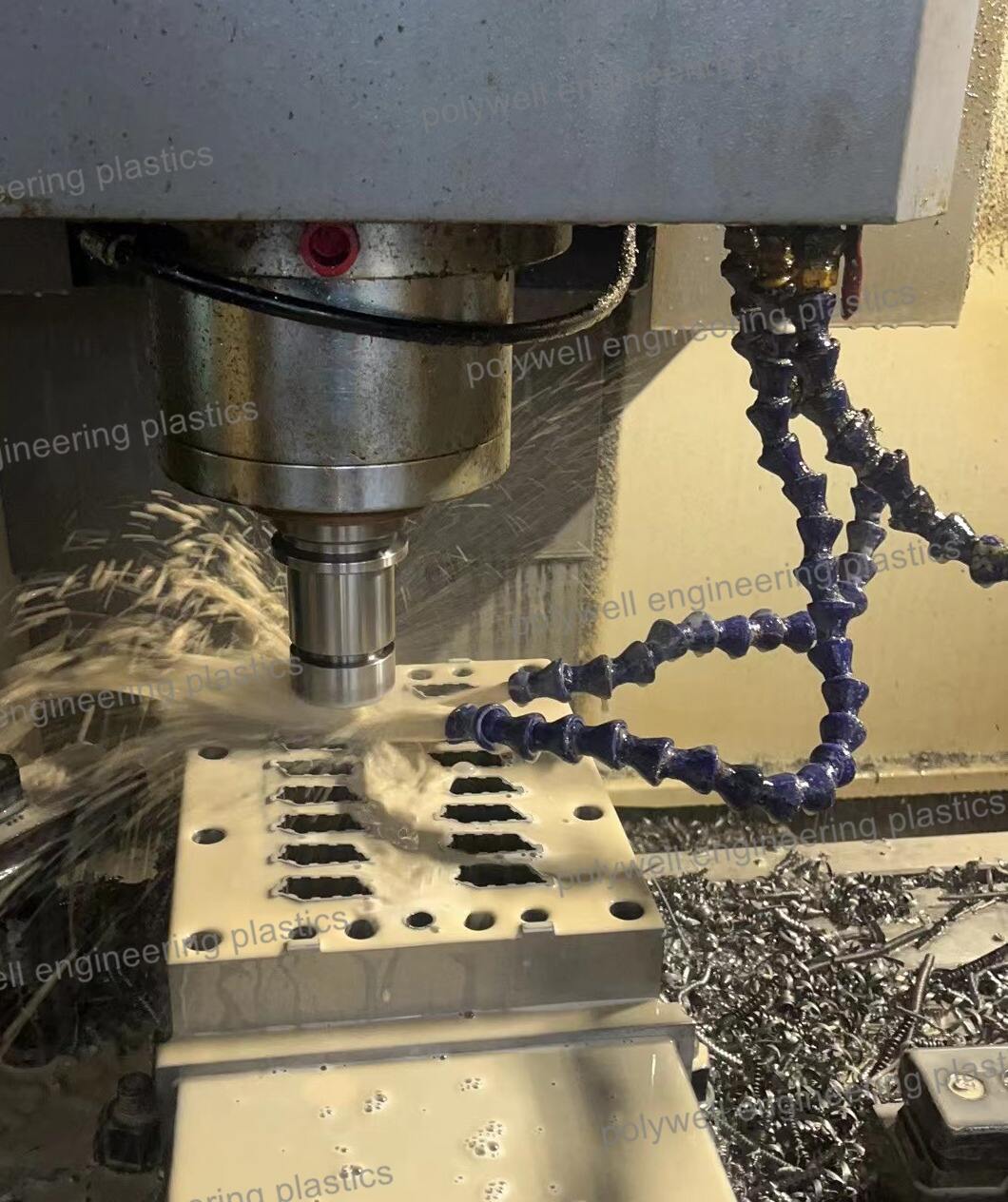
Our molds are manufactured from high grade hardened tool steels selected for their exceptional wear resistance hardness and polishability Critical surfaces are precision machined and often coated to withstand the abrasive nature of glass filled polymers This commitment to quality materials and craftsmanship ensures a long service life maintaining precise profile tolerances over millions of extrusion cycles
Inquiry Inquiry Email Email WhatsApp WhatsApp Wechat Wechat
Wechat
TopTop

Related Search