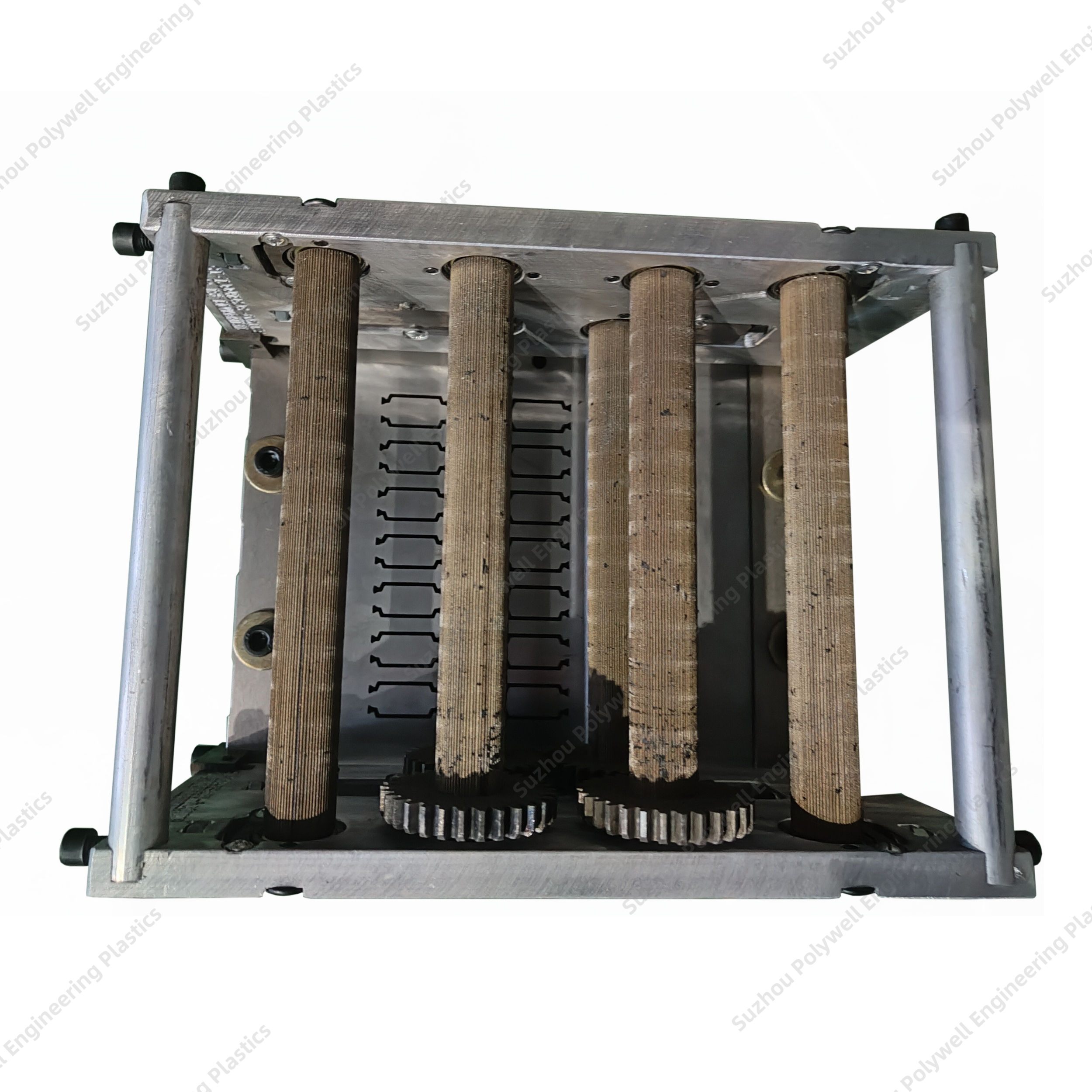
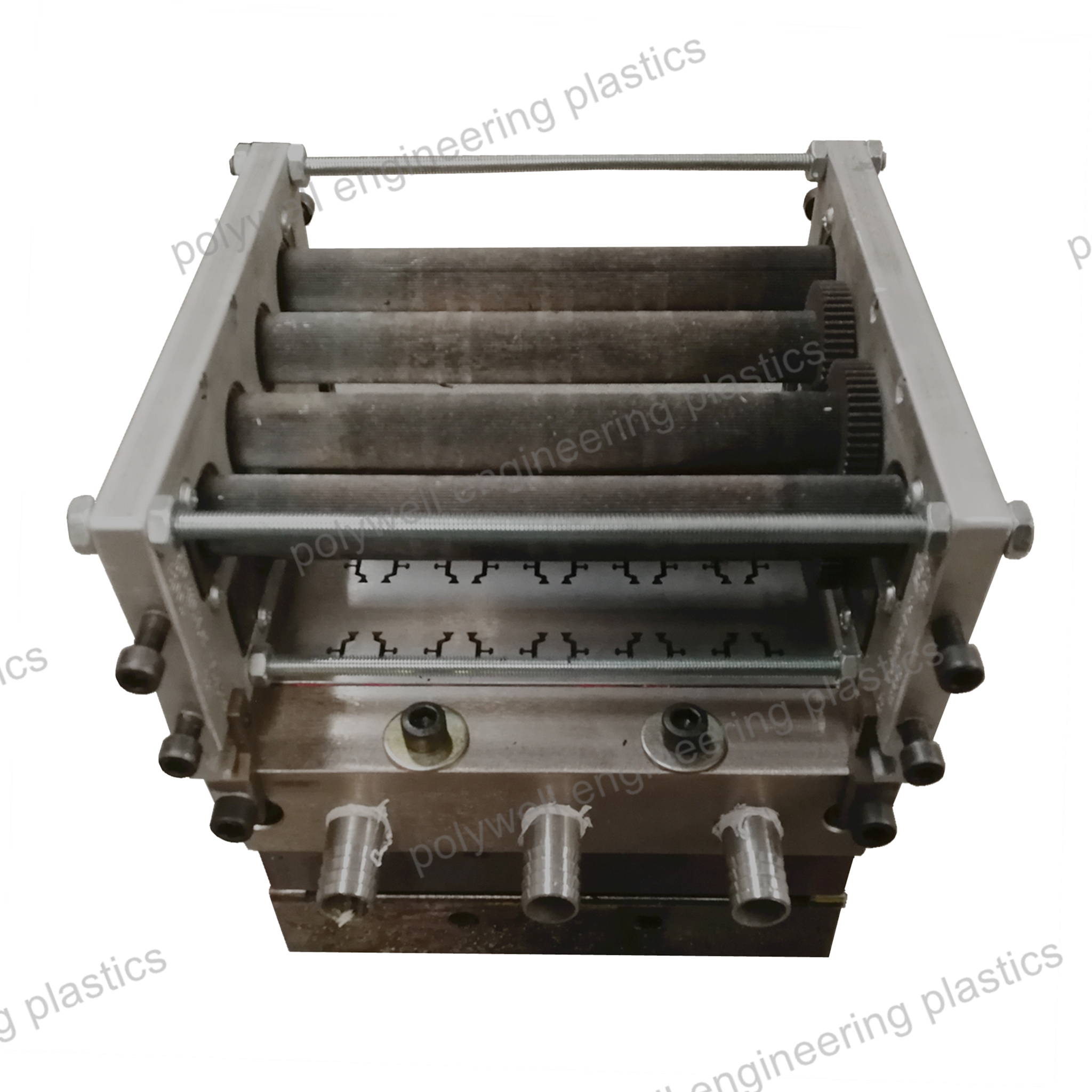
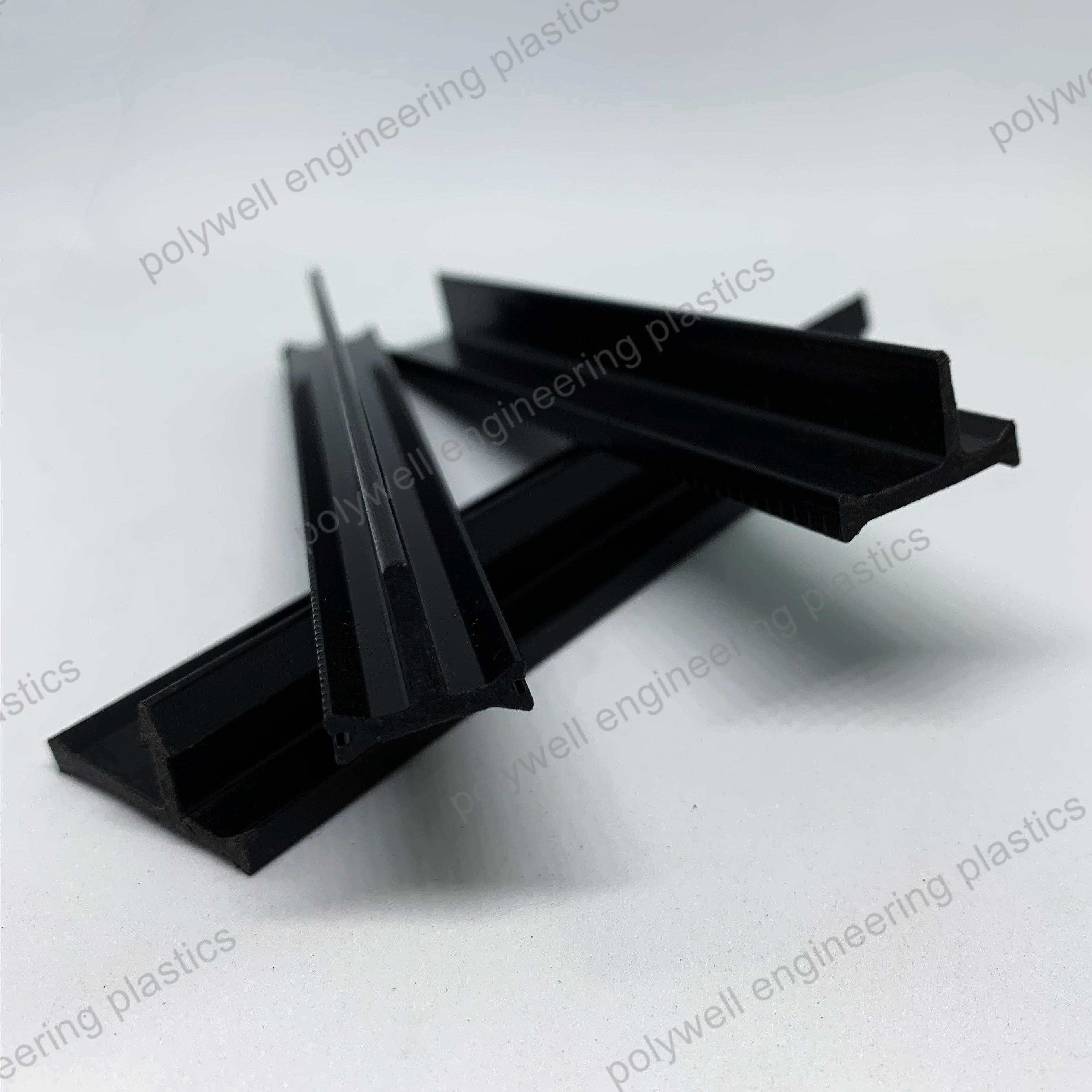
Professional 3 Plate Mould Design Services for Precision Manufacturing
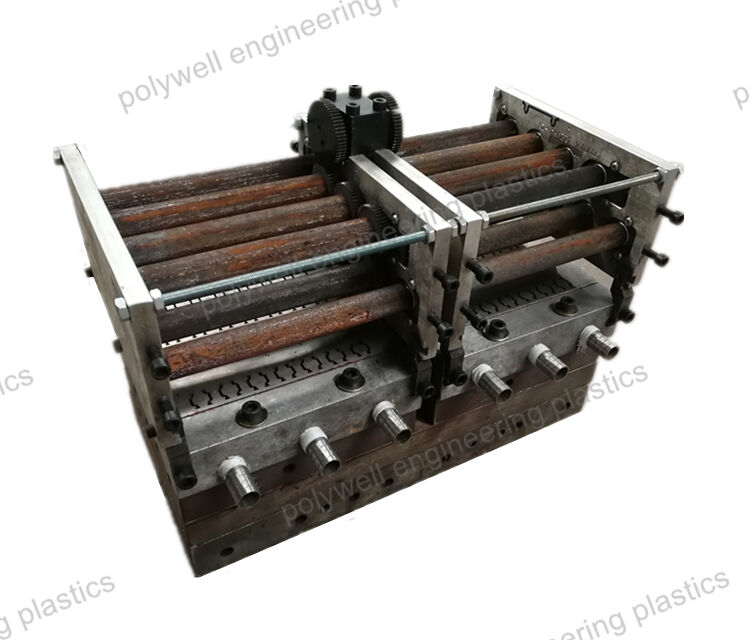
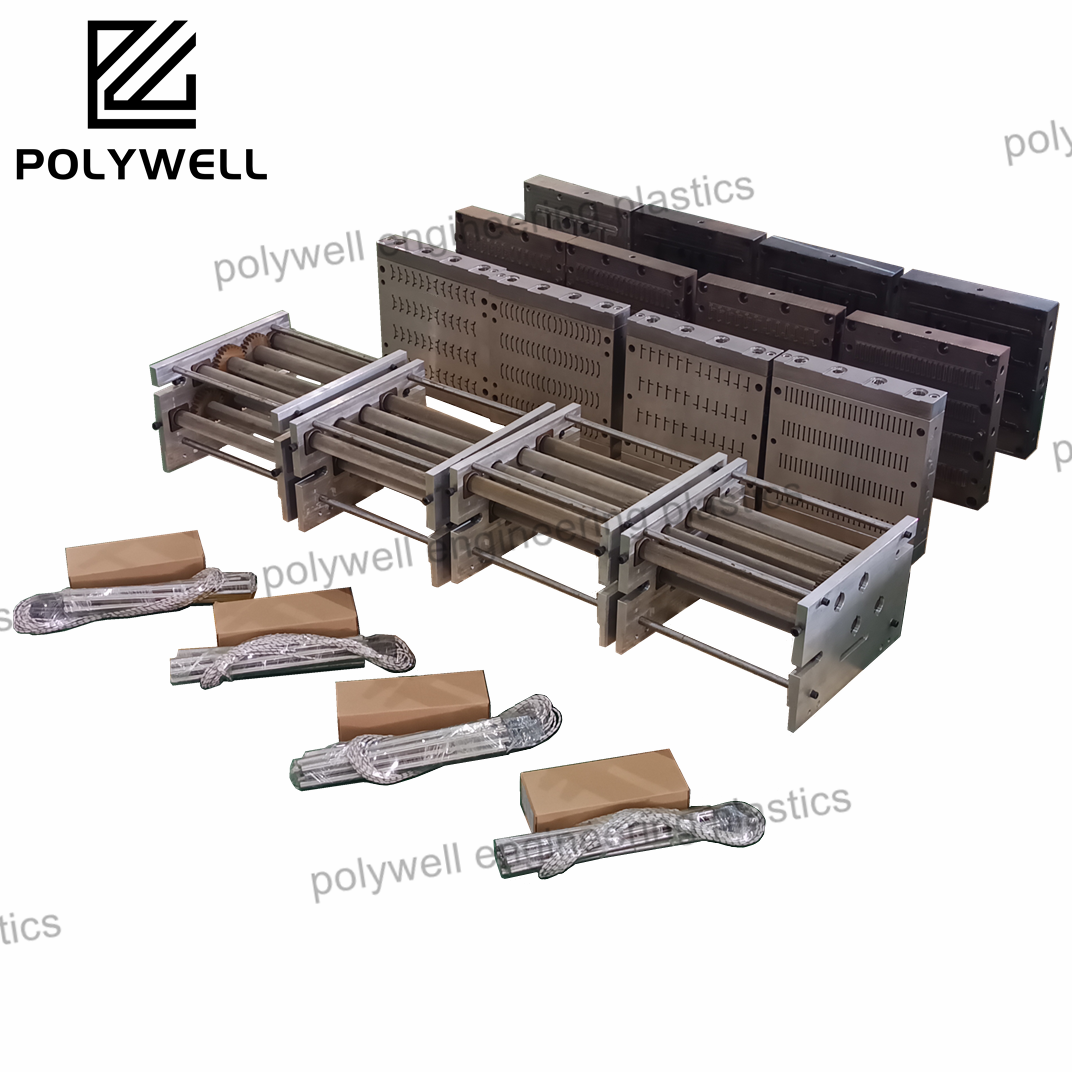
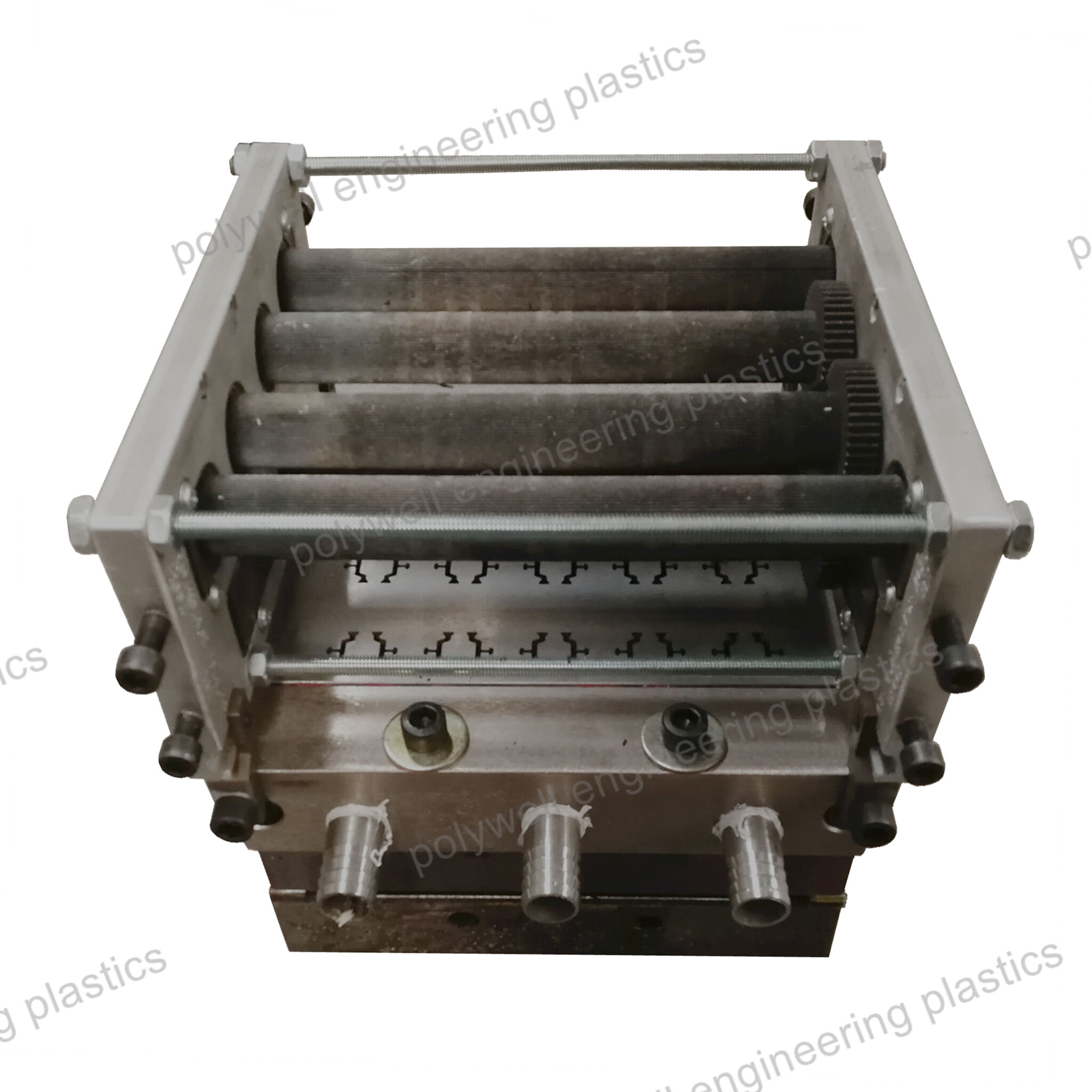
This page focuses on professional 3 plate mould design services, catering to the needs of precision manufacturing industries. It covers core aspects such as mold structure optimization, parting line design, and ejection system configuration to ensure efficient mold operation and high quality part production. The content also includes case studies of 3 plate mould applications in automotive, electronics, and consumer goods sectors, helping users understand design considerations for different product requirements. Additionally, it highlights technical advantages like reduced cycle time and improved part consistency, making it a valuable resource for businesses seeking reliable 3 plate mould design solutions.
Get A Quote

 EN
EN