Custom Plastic Components & Precision Mold Design

All Categories

High Quality Custom Plastic Components: Design, Production & Quality Assurance

This page showcases high quality custom plastic components, offering end to end solutions from design conceptualization to manufacturing and testing. It details the custom component process: understanding client requirements (performance, size, quantity), creating 3D designs and prototypes, selecting appropriate manufacturing methods (injection molding, CNC machining, 3D printing), and conducting rigorous quality checks (dimensional testing, material verification). The content highlights capabilities for small batch to mass production, with examples of custom components for industries like robotics, medical devices, and household appliances. It also emphasizes compliance with industry standards (ISO, FDA for medical parts) and flexible customization options (colors, finishes, functional additives), serving businesses and engineers needing tailored plastic components that meet specific application needs.
Get A Quote

Advantages of the product

Scientific Flow Simulation for Optimal Performance

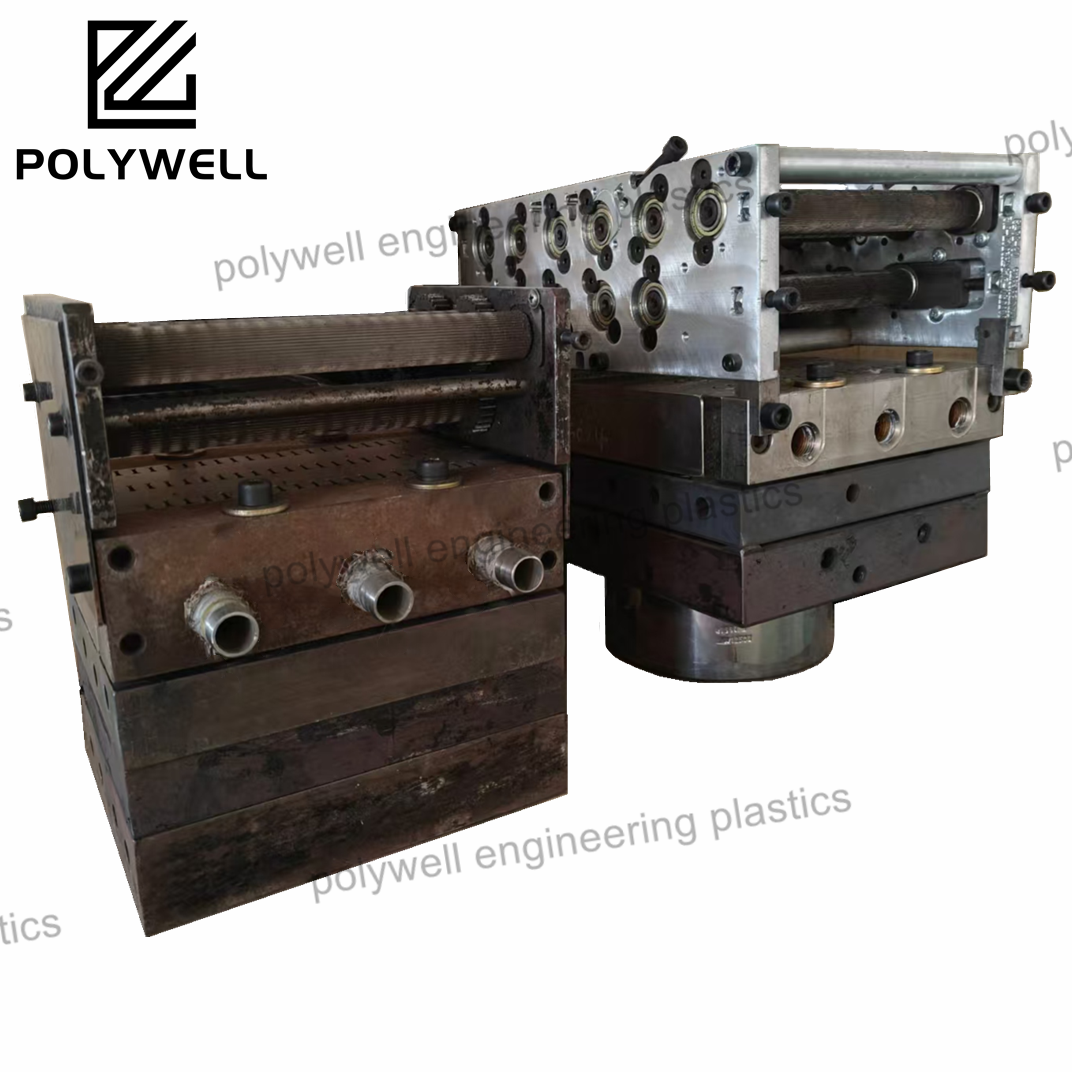
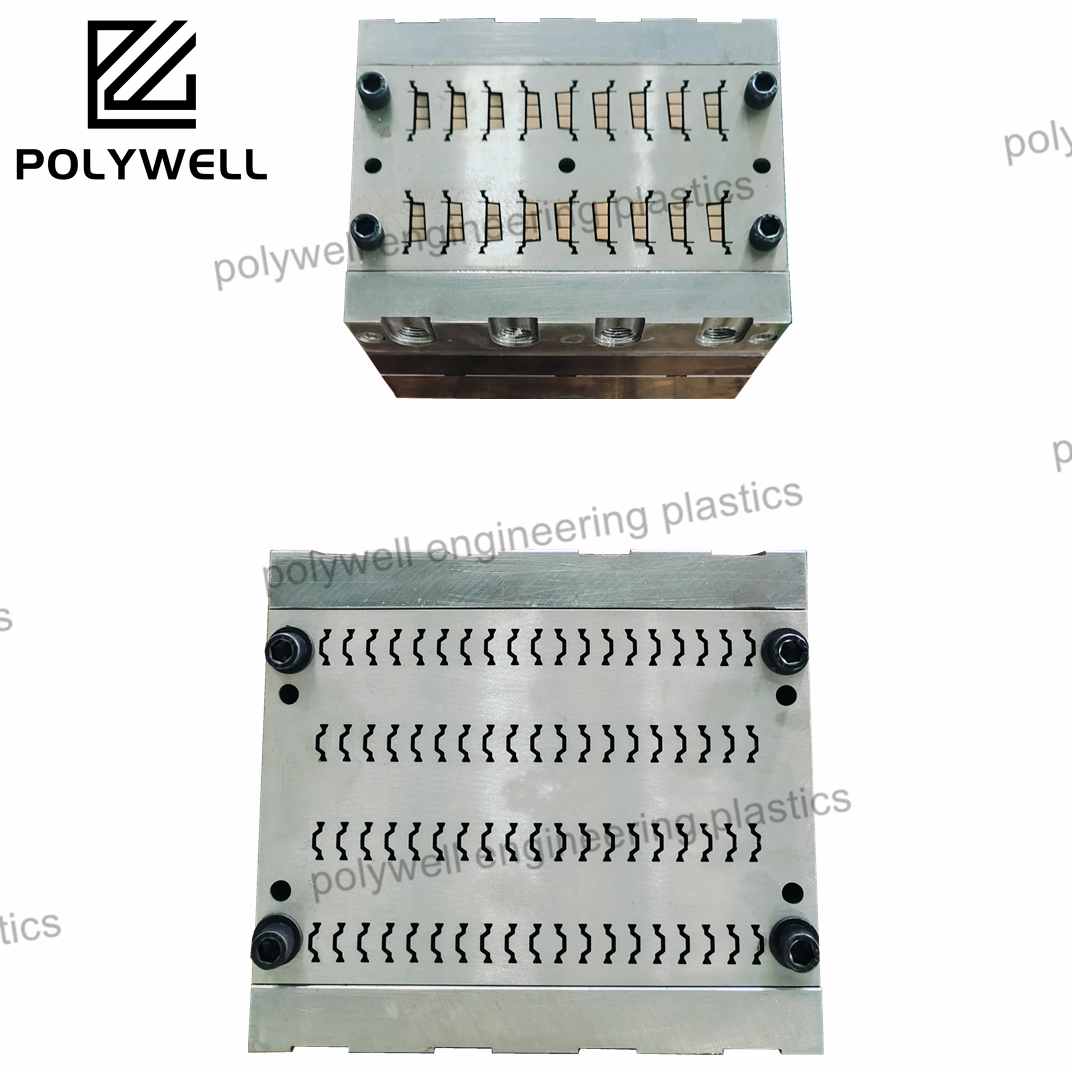
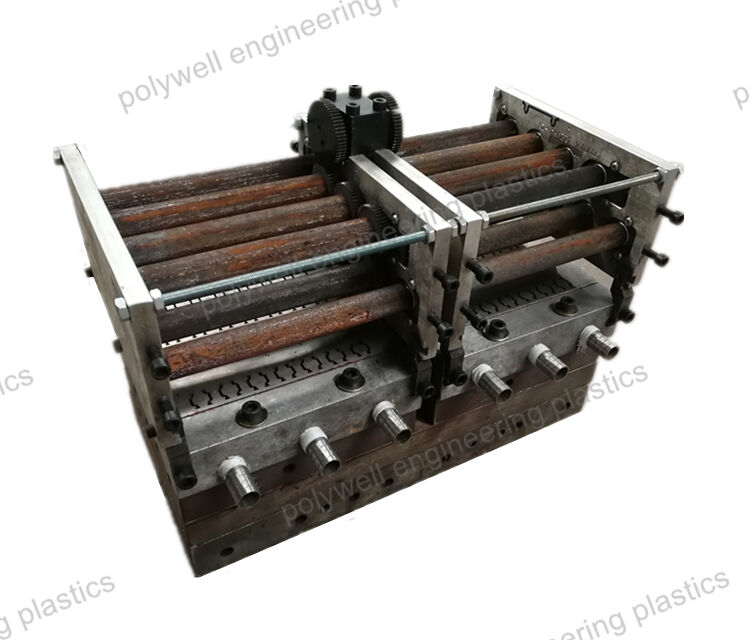
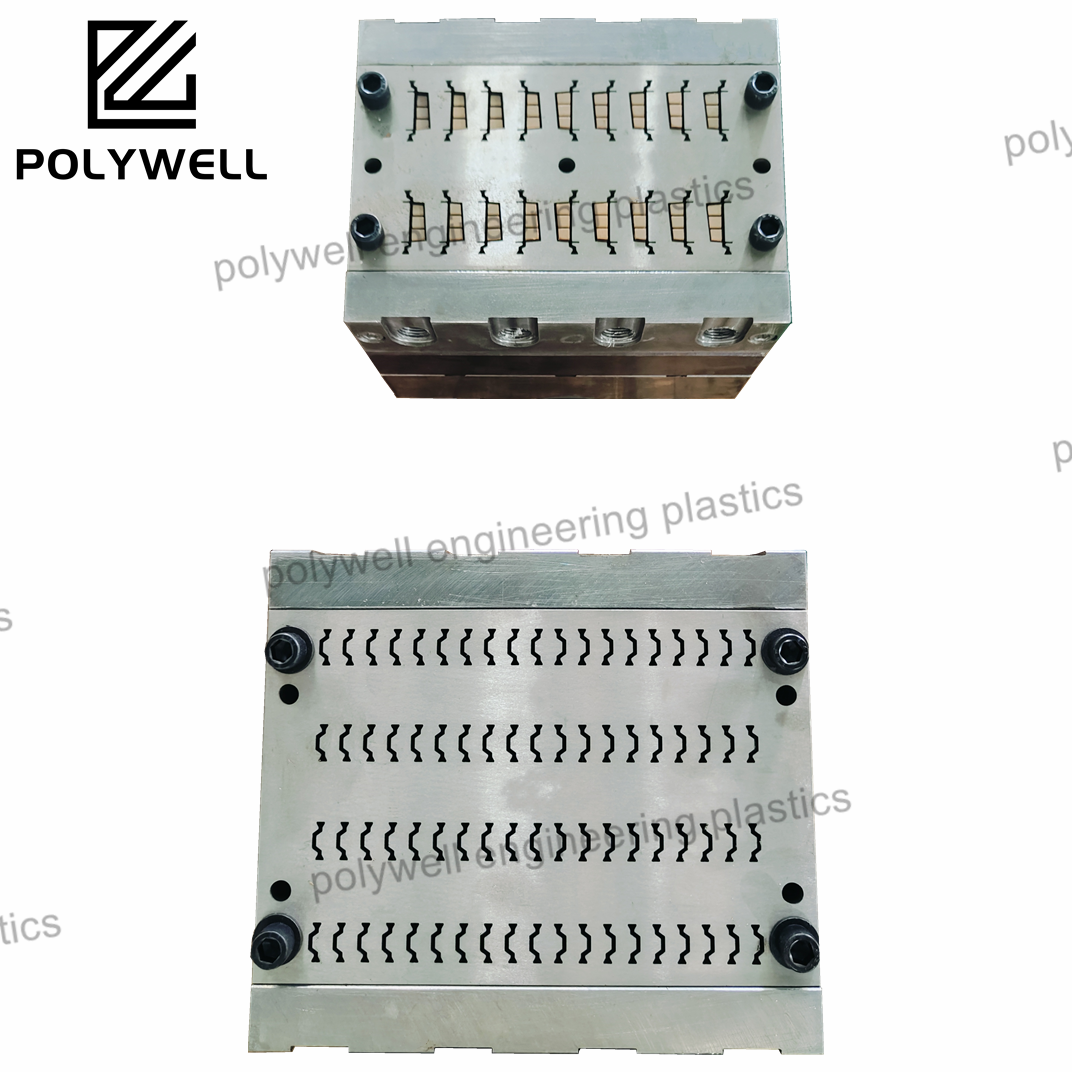
Our mold design process utilizes advanced Computational Fluid Dynamics (CFD) software to simulate the flow of molten polyamide material within the die. This allows us to predict and eliminate potential issues like uneven flow, dead spots, or excessive pressure drops before manufacturing the physical mold. The result is a die that produces a dimensionally stable and structurally uniform profile right from the first startup, saving time and material.

Related products

Custom plastic components represent a specialized manufacturing sector focused on producing tailored solutions for specific application requirements across diverse industries. The development process begins with comprehensive requirements analysis, identifying mechanical performance needs, environmental exposure conditions, regulatory compliance requirements, and aesthetic expectations. Material selection is a critical phase, with engineers evaluating thousands of polymer formulations and composites to identify the optimal balance of properties including strength, flexibility, heat resistance, chemical compatibility, color fastness, and cost-effectiveness. The design engineering phase translates performance requirements into manufacturable geometries, applying plastic-specific design principles such as uniform wall thickness, appropriate draft angles, and structural ribbing. Manufacturing process selection depends on production volume, part complexity, and material characteristics, with options including injection molding for high-volume production, CNC machining for prototypes and low volumes, or thermoforming for large, thin-walled components. Tooling design and fabrication represent significant upfront investment, with mold engineering optimizing gating, cooling, and ejection systems for efficient production. Quality assurance processes include first-article inspection, statistical process control, and comprehensive testing protocols validating dimensional accuracy, mechanical performance, and environmental durability. Successful custom plastic component manufacturing requires close collaboration between customer and manufacturer throughout the development process, from initial concept through production ramp-up. Advanced manufacturers offer value-added services including secondary operations (assembly, decorating, packaging) and supply chain management. The result is purpose-engineered components that deliver optimal performance in their intended application while providing economic advantages through part consolidation, weight reduction, and assembly simplification.
Frequently Asked Questions

How do you use flow simulation in your mold design process?

We utilize Computational Fluid Dynamics (CFD) software to create a virtual model of the die's flow channels. This simulation predicts how the molten polyamide will behave, allowing us to identify and correct areas of slow or fast flow before manufacturing the physical tool. This scientific approach eliminates guesswork, reduces development time and cost, and guarantees a die that produces a dimensionally accurate and balanced profile from the very first production run.

Related Articles

What to Consider When Choosing a Plastic Molding Manufacturer

22

Nov

What to Consider When Choosing a Plastic Molding Manufacturer

Choose POLYWELL for high-quality plastic molding solutions, advanced technology, and customer-driven service in the construction industry
View More
Advancements in Extrusion Molds for Complex Thermal Break Profiles

28

Mar

Advancements in Extrusion Molds for Complex Thermal Break Profiles

Explore the latest advancements in extrusion molds for thermal break profiles, including the use of advanced materials, 3D printing technology, and CAD software. Discover how these innovations enhance thermal efficiency, energy management, and sustainability in construction projects.
View More
Cutting Machine Safety in Thermal Break Strip Production

19

Aug

Cutting Machine Safety in Thermal Break Strip Production

Prevent workplace injuries in thermal break strip production. Discover 5 essential cutting machine safety measures every manufacturer must implement. Download your free safety checklist.
View More
Cutting Machine Selection for Thermal Break Strip Processing

21

Aug

Cutting Machine Selection for Thermal Break Strip Processing

Maximize efficiency and quality in thermal break strip processing. Discover key selection criteria and benefits of modern cutting technology. Optimize your production workflow today.
View More

customer evaluation

Micah

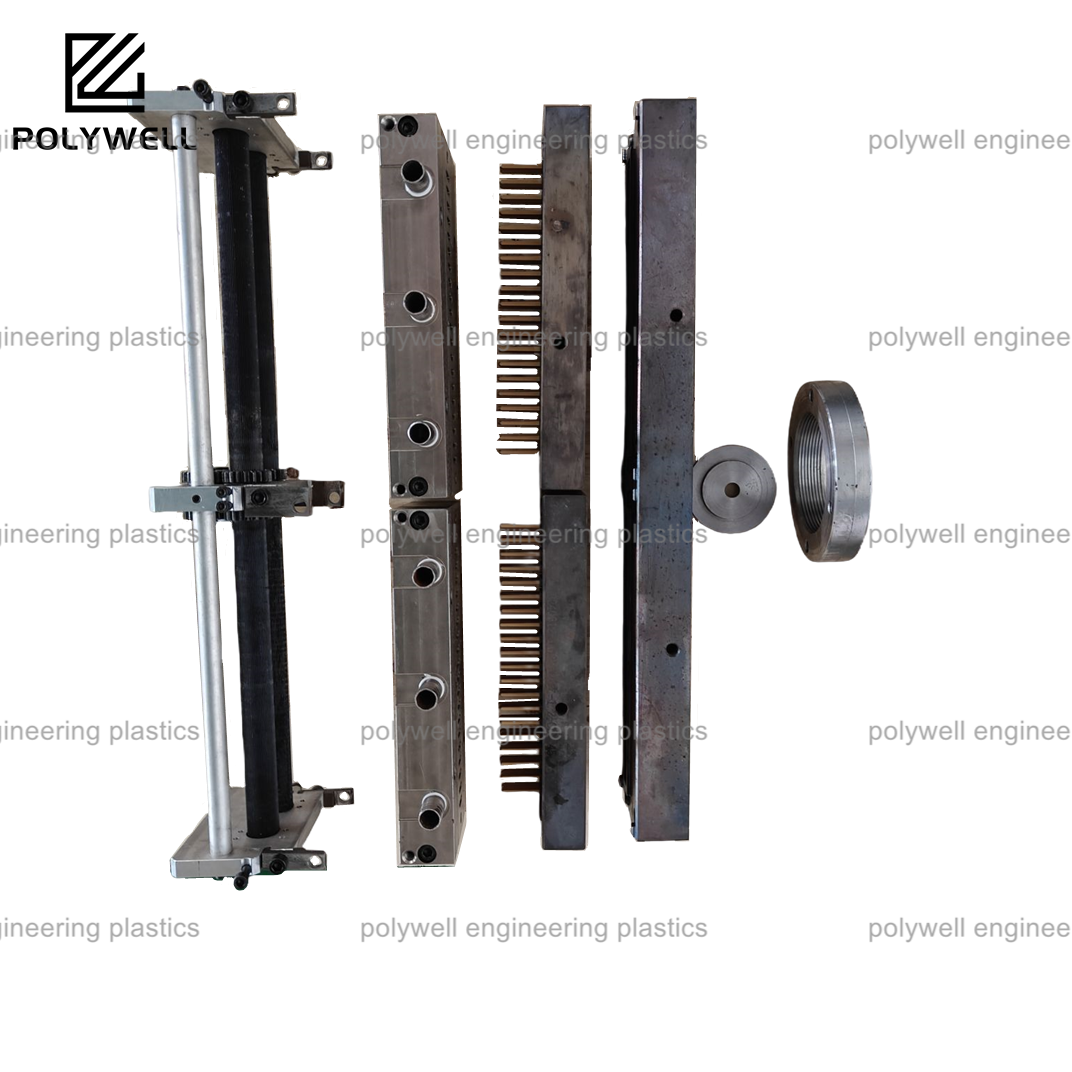
We had a challenging profile that required a unique solution. Their design team proposed an innovative multi part die construction that simplified maintenance and improved flow balance. It was a clear demonstration of deep expertise and a commitment to finding the best solution, not just the easiest one.

Get a Free Quote

Our representative will contact you soon.
Email
Name
Company Name
Message
0/1000
Scientific Flow Simulation for Optimal Performance

Scientific Flow Simulation for Optimal Performance

Our mold design process utilizes advanced Computational Fluid Dynamics CFD software to simulate the flow of molten polyamide material within the die This allows us to predict and eliminate potential issues like uneven flow dead spots or excessive pressure drops before manufacturing the physical mold The result is a die that produces a dimensionally stable and structurally uniform profile right from the first startup saving time and material
Custom Engineered for Material Properties

Custom Engineered for Material Properties

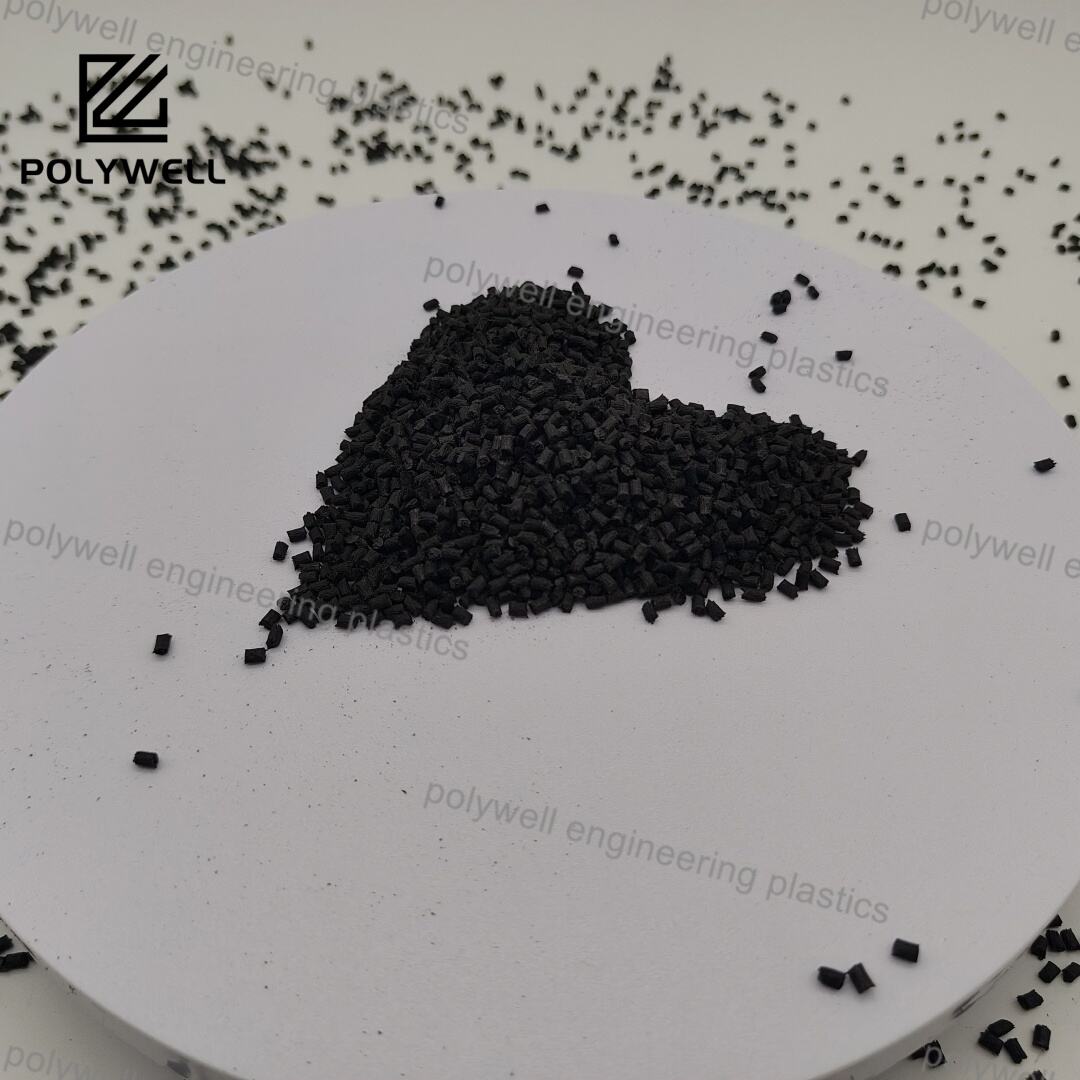
Each mold is custom engineered with a deep understanding of the specific rheological properties of our polyamide compounds including glass filled grades like PA66 GF25 We carefully calculate the compression ratio land length and flow channels to suit the material ensuring optimal melt homogenization minimal internal stresses and the preservation of the materials mechanical and thermal properties
Durable Construction with Premium Materials

Durable Construction with Premium Materials

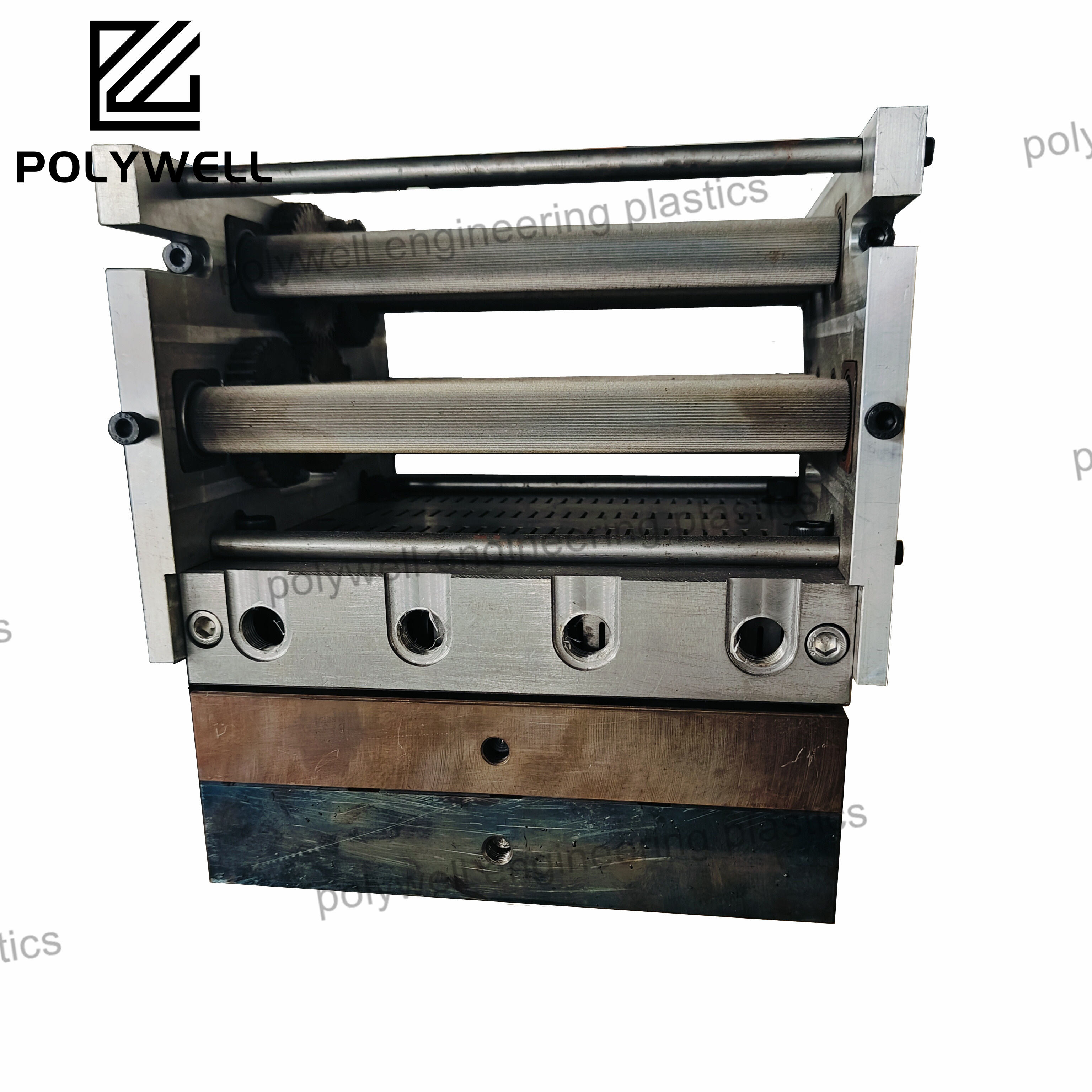
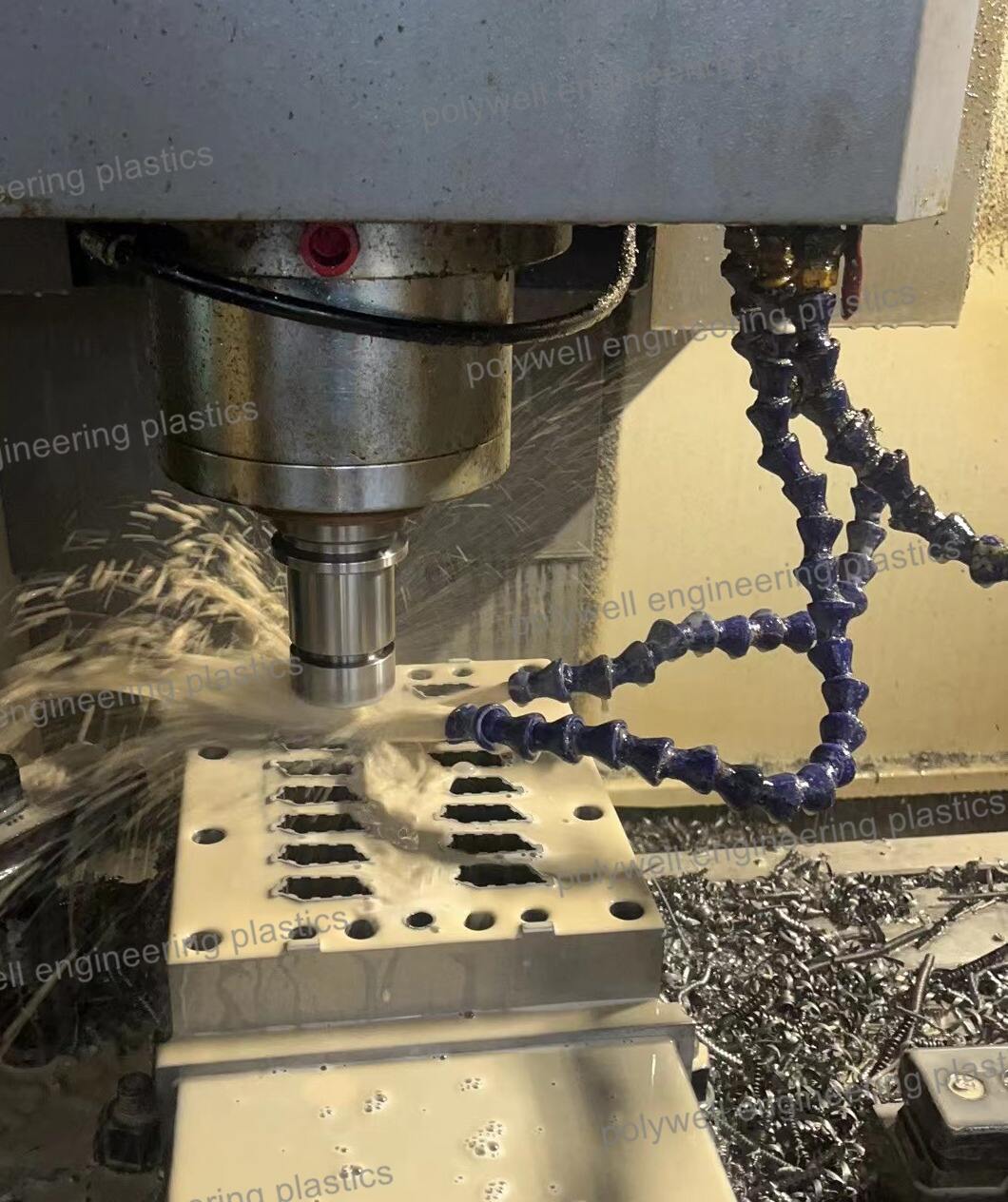
Our molds are manufactured from high grade hardened tool steels selected for their exceptional wear resistance hardness and polishability Critical surfaces are precision machined and often coated to withstand the abrasive nature of glass filled polymers This commitment to quality materials and craftsmanship ensures a long service life maintaining precise profile tolerances over millions of extrusion cycles
Inquiry Inquiry Email Email WhatsApp WhatsApp Wechat Wechat
Wechat
TopTop

Related Search