Plastic Design: Engineer Functional, Manufacturable Products

All Categories

Plastic Design: Engineer Functional, Manufacturable Plastic Products

This page explores plastic design, focusing on designing plastic products (not molds) to be functional, durable, and compatible with manufacturing processes. It covers core principles: optimizing wall thickness (to avoid warping during injection molding), using rounded edges (to reduce stress points), and selecting plastics (e.g., PA for strength, PP for flexibility) that match product use cases. The content also addresses manufacturability—designing parts that fit existing extrusion or injection tools to lower costs—and sustainability (incorporating recycled plastic or designing for recyclability). It includes examples (designing a lightweight plastic water bottle, a durable plastic gear) and tips for testing product performance (impact resistance, chemical compatibility). This resource serves product designers and engineers creating plastic goods for consumer, industrial, or medical use.
Get A Quote

Advantages of the product

Durable Construction with Premium Materials

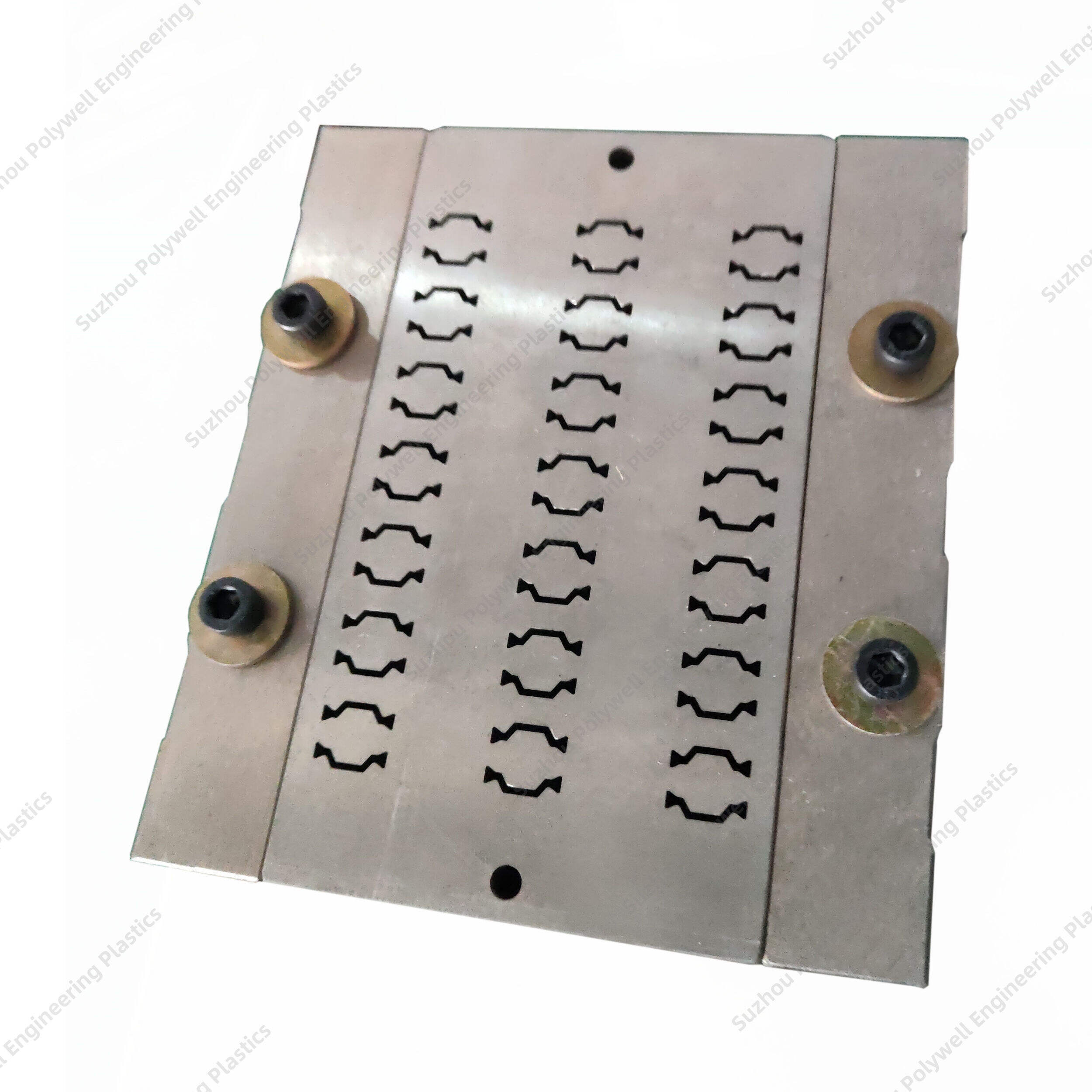
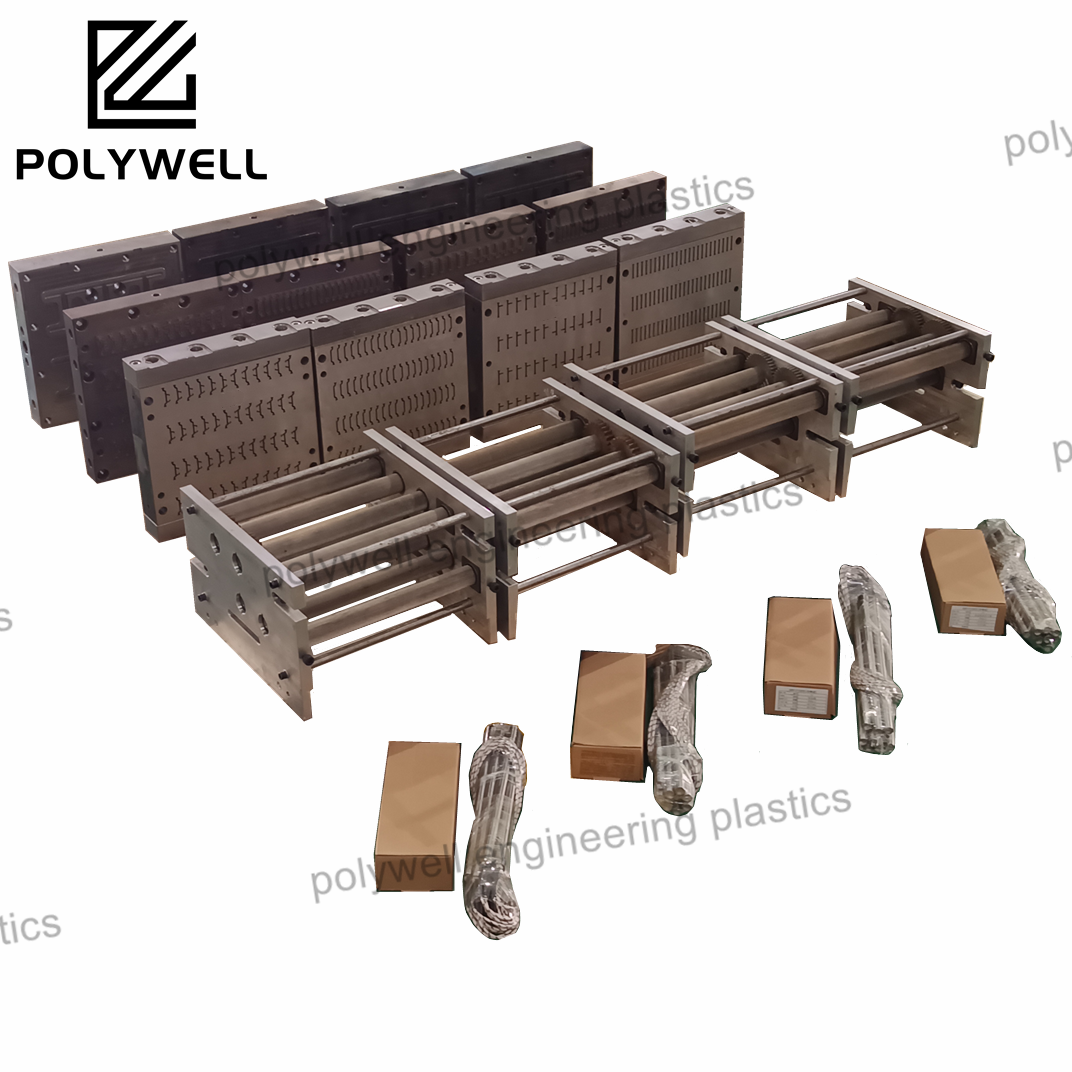
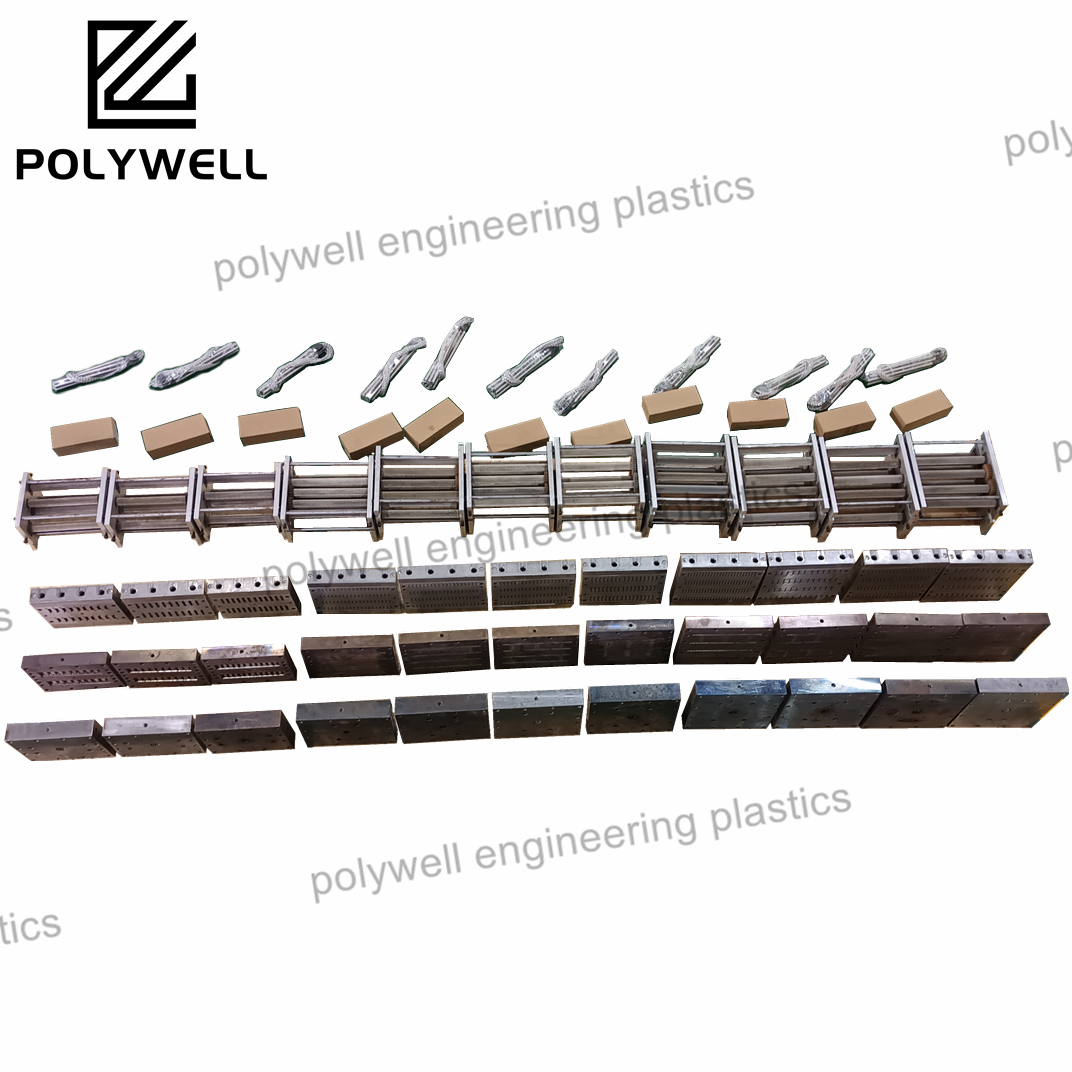
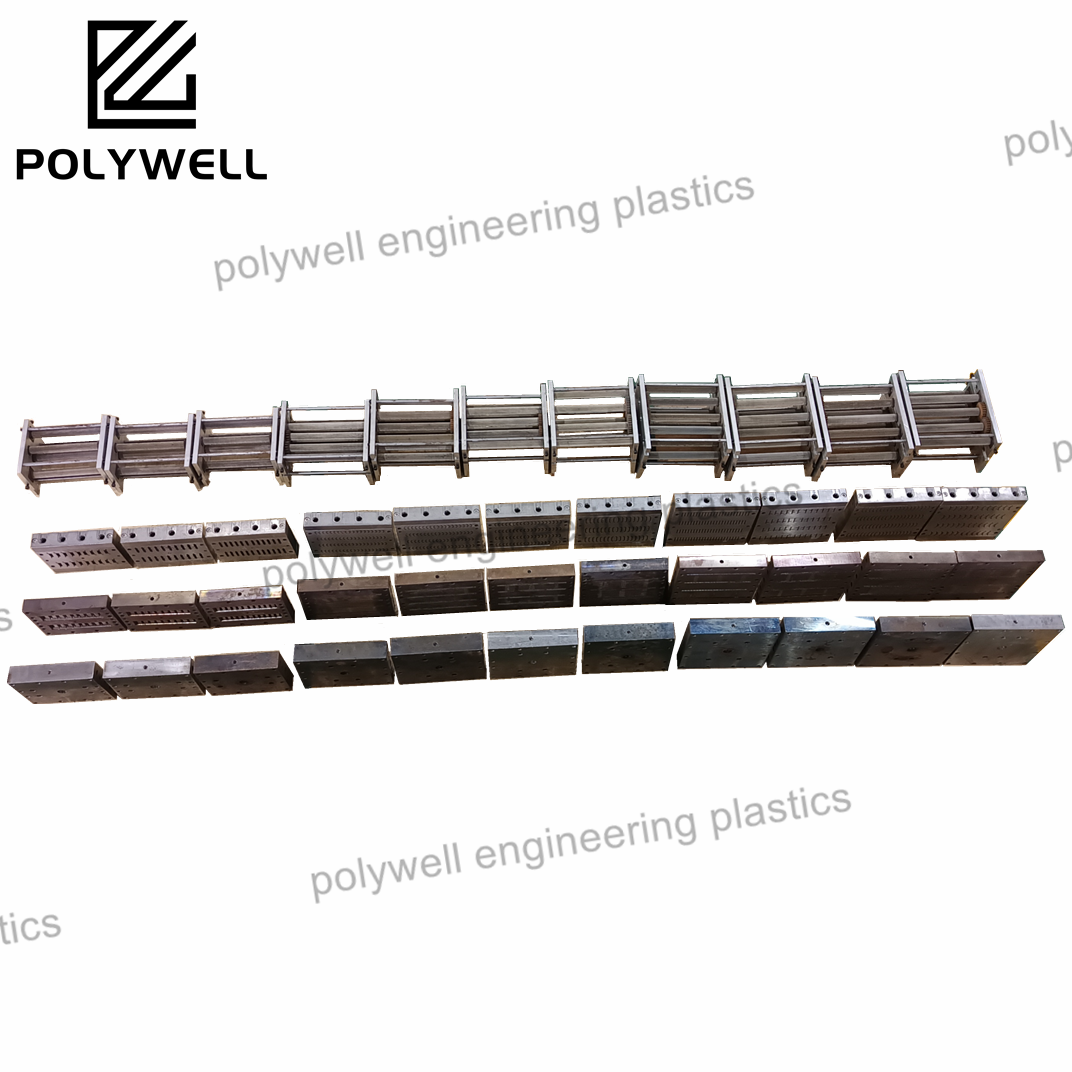
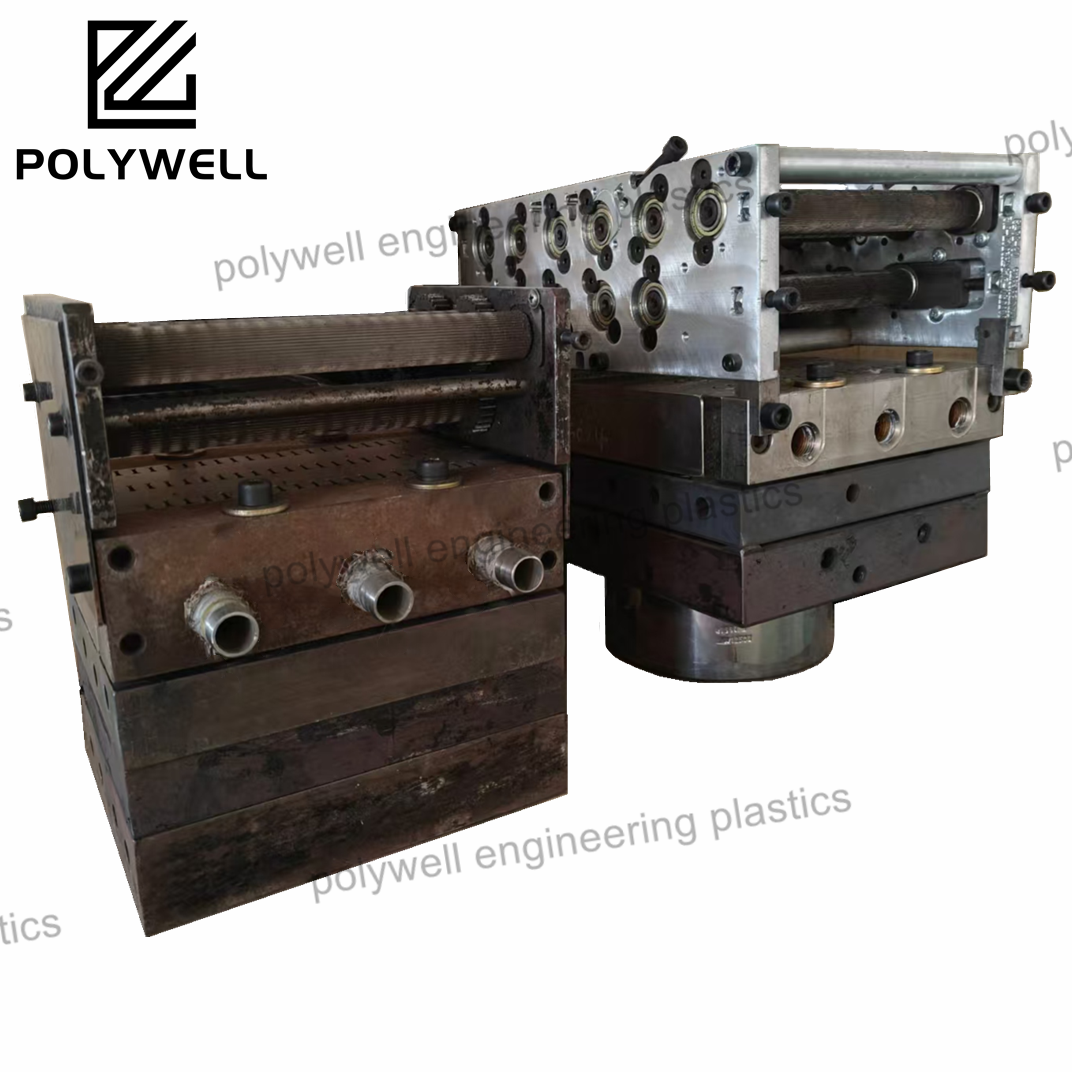
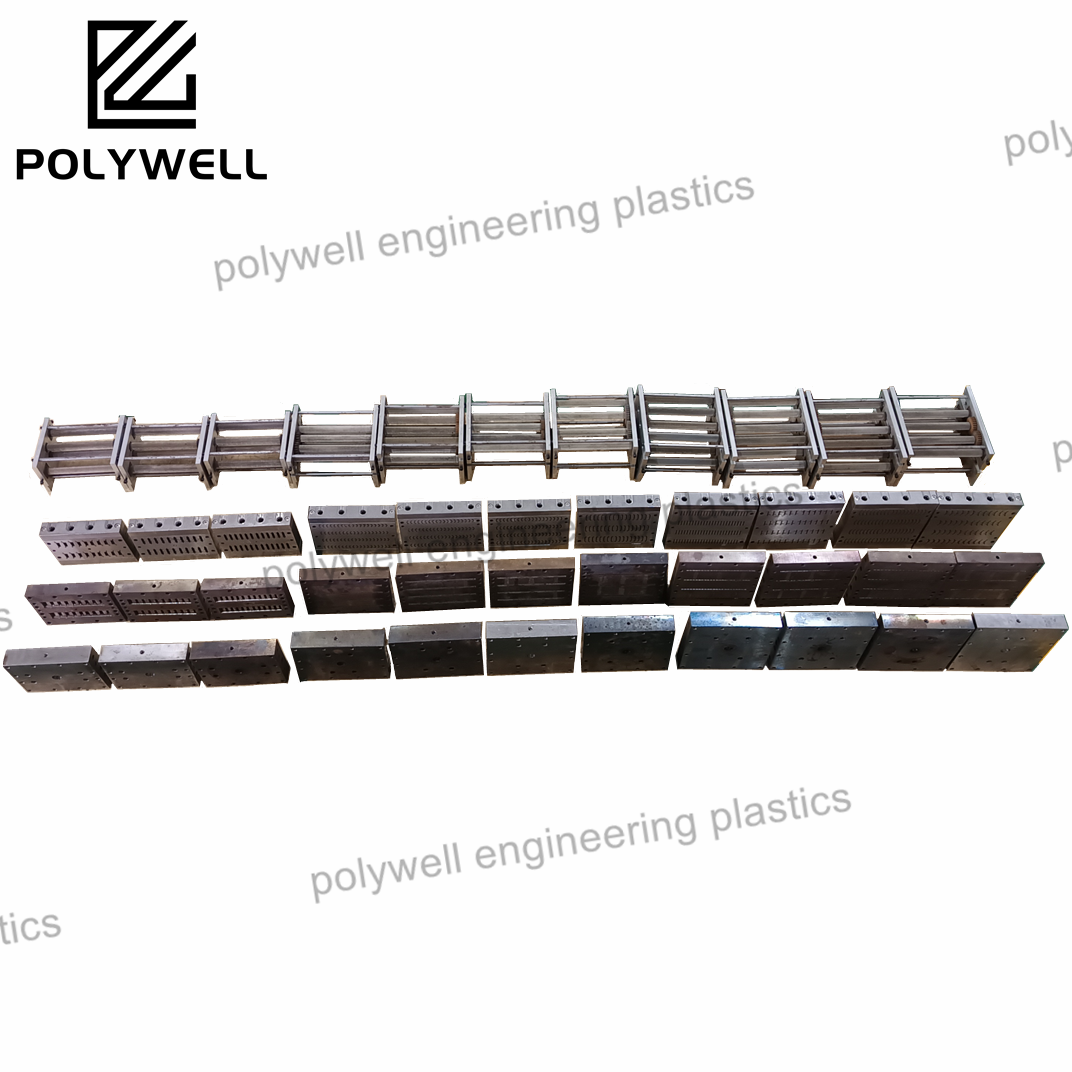
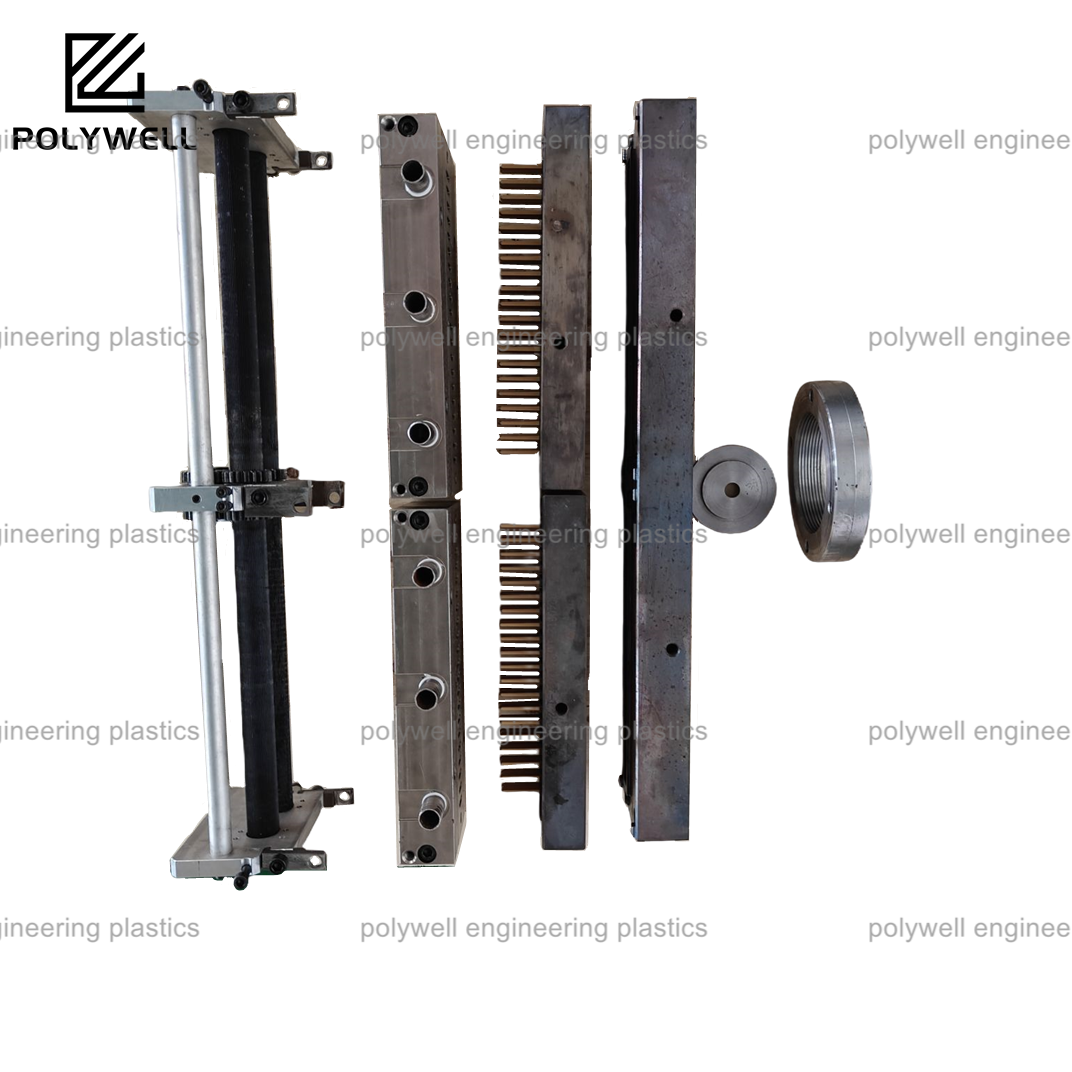
Our molds are manufactured from high grade, hardened tool steels selected for their exceptional wear resistance, hardness, and polishability. Critical surfaces are precision machined and often coated to withstand the abrasive nature of glass filled polymers. This commitment to quality materials and craftsmanship ensures a long service life, maintaining precise profile tolerances over millions of extrusion cycles.

Related products

Plastic design represents the engineering discipline dedicated to developing components and products specifically optimized for manufacture from polymeric materials. This field requires specialized knowledge of polymer science, manufacturing processes, and mechanical engineering principles tailored to the unique characteristics of plastics. The design process begins with material selection, evaluating numerous polymer options based on mechanical properties, environmental resistance, thermal performance, regulatory requirements, and cost considerations. Fundamental design principles include maintaining uniform wall thickness to prevent sink marks and warpage, incorporating appropriate draft angles to facilitate mold release, and adding generous radii to stress concentration points. Structural integrity is typically achieved through strategic rib placement rather than increasing overall wall thickness, with careful attention to rib design parameters to avoid cosmetic defects. Assembly considerations drive features like snap-fits, living hinges, press-fit assemblies, and ultrasonic welding horns, each requiring specific design approaches. Engineers must account for environmental factors such as moisture absorption, thermal expansion, UV degradation, and long-term creep behavior. Manufacturing process constraints—whether injection molding, extrusion, or thermoforming—heavily influence design decisions, particularly regarding dimensional tolerances, surface finish requirements, and parting line locations. Modern plastic design heavily relies on simulation tools for structural analysis, mold flow prediction, and thermal performance evaluation. The design process is inherently iterative, with prototypes often created through 3D printing or rapid tooling to validate form, fit, and function before full-scale production. Successful plastic design creates components that are not only functional and aesthetically pleasing but also economically viable to manufacture and environmentally responsible throughout their lifecycle.

Frequently Asked Questions

Why is mold design so critical for thermal break strip quality?

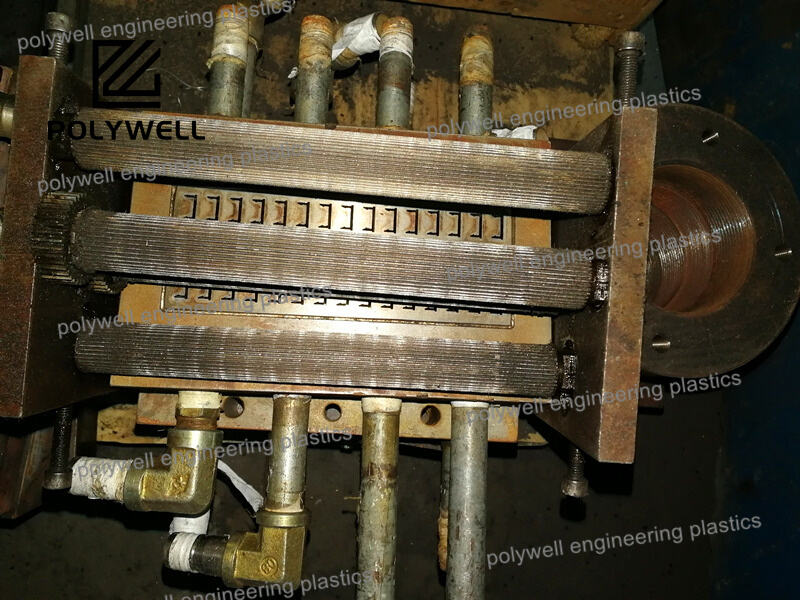
The mold, or extrusion die, is the tool that defines the final shape, dimensions, and surface finish of the strip. A poorly designed die will result in unbalanced material flow, leading to defects like warping, variable wall thickness, and weak weld lines. Our precision die design, supported by flow simulation software, ensures a perfectly uniform profile that is essential for both the thermal performance and the structural integrity of the final insulated aluminum product.

Related Articles

Why you need one stop service (overall solutions)

30

Dec

Why you need one stop service (overall solutions)

Discover why POLYWELL’s one-stop service is essential for your plastic extrusion projects. From raw material selection to final production, we provide comprehensive support for thermal break strips and custom profiles.
View More
Innovations in Plastic Extruder Machines for Better Efficiency

19

Nov

Innovations in Plastic Extruder Machines for Better Efficiency

Innovative plastic extruder machines by POLYWELL offer energy-efficient operations, precision control, and high-quality outputs for diverse applications.
View More
Maximizing Efficiency with Cutting Machines for Thermal Break Strip Production

30

Dec

Maximizing Efficiency with Cutting Machines for Thermal Break Strip Production

POLYWELL offers advanced thermal break strip cutting machines for precise, efficient, and safe production, meeting various industrial needs and enhancing manufacturing efficiency.
View More
Advancements in Extrusion Molds for Complex Thermal Break Profiles

28

Mar

Advancements in Extrusion Molds for Complex Thermal Break Profiles

Explore the latest advancements in extrusion molds for thermal break profiles, including the use of advanced materials, 3D printing technology, and CAD software. Discover how these innovations enhance thermal efficiency, energy management, and sustainability in construction projects.
View More

customer evaluation

Faith

The quality of the steel and the craftsmanship of the mold are top tier. After a year of high volume production, the die land shows minimal wear, and we are still holding tight tolerances. The longevity and consistent performance of this tool directly contribute to our production cost effectiveness and product quality.

Get a Free Quote

Our representative will contact you soon.
Email
Name
Company Name
Message
0/1000
Scientific Flow Simulation for Optimal Performance

Scientific Flow Simulation for Optimal Performance

Our mold design process utilizes advanced Computational Fluid Dynamics CFD software to simulate the flow of molten polyamide material within the die This allows us to predict and eliminate potential issues like uneven flow dead spots or excessive pressure drops before manufacturing the physical mold The result is a die that produces a dimensionally stable and structurally uniform profile right from the first startup saving time and material
Custom Engineered for Material Properties

Custom Engineered for Material Properties

Each mold is custom engineered with a deep understanding of the specific rheological properties of our polyamide compounds including glass filled grades like PA66 GF25 We carefully calculate the compression ratio land length and flow channels to suit the material ensuring optimal melt homogenization minimal internal stresses and the preservation of the materials mechanical and thermal properties
Durable Construction with Premium Materials

Durable Construction with Premium Materials

Our molds are manufactured from high grade hardened tool steels selected for their exceptional wear resistance hardness and polishability Critical surfaces are precision machined and often coated to withstand the abrasive nature of glass filled polymers This commitment to quality materials and craftsmanship ensures a long service life maintaining precise profile tolerances over millions of extrusion cycles
Inquiry Inquiry Email Email WhatsApp WhatsApp Wechat Wechat
Wechat
TopTop

Related Search