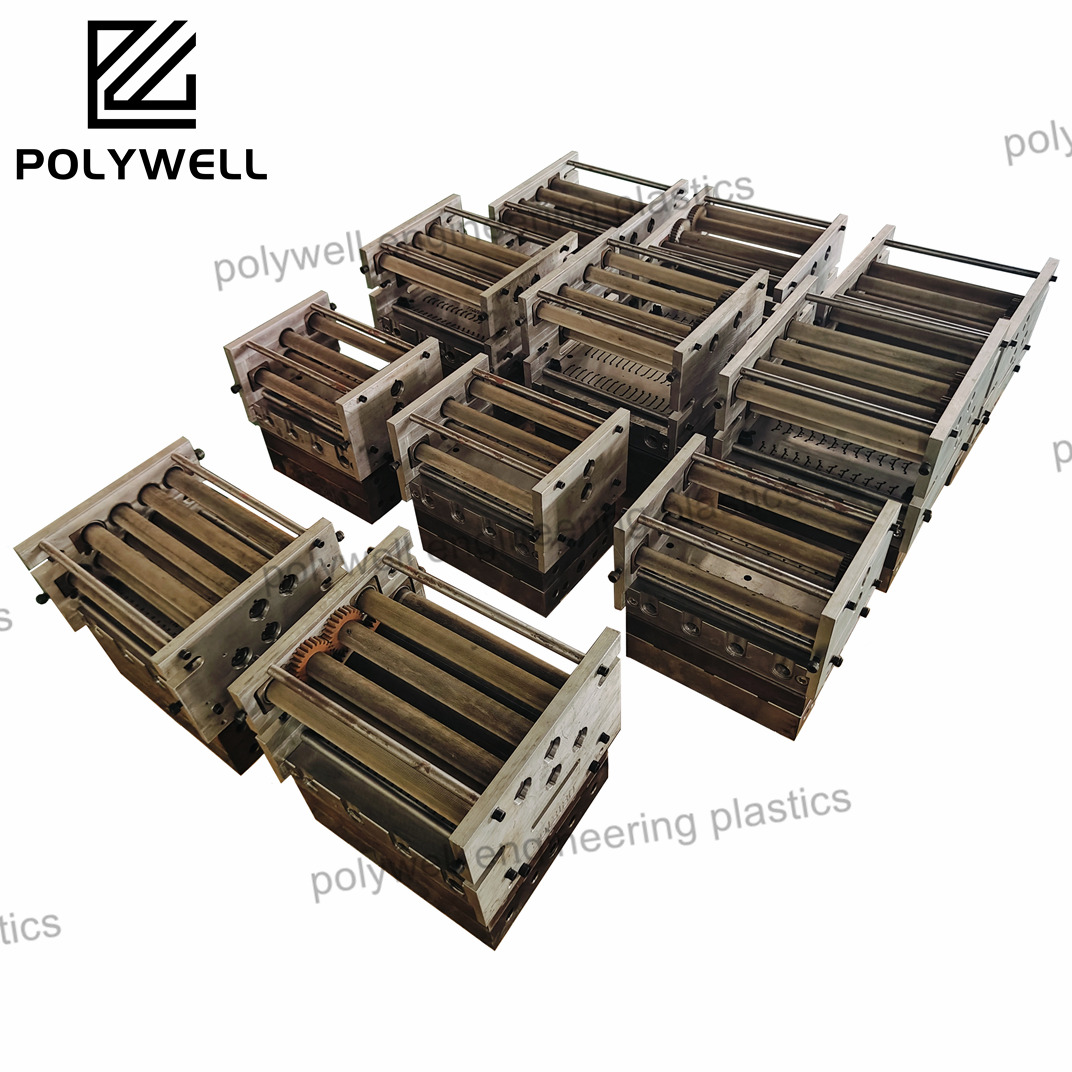
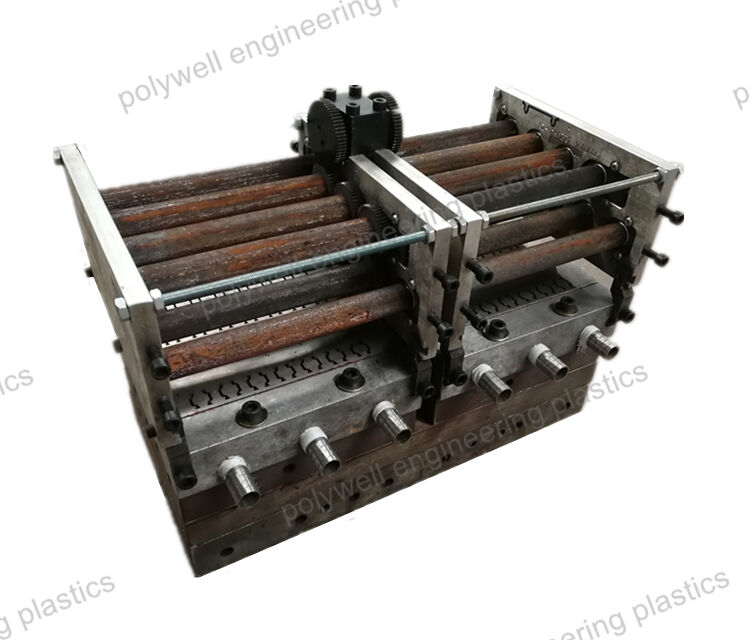
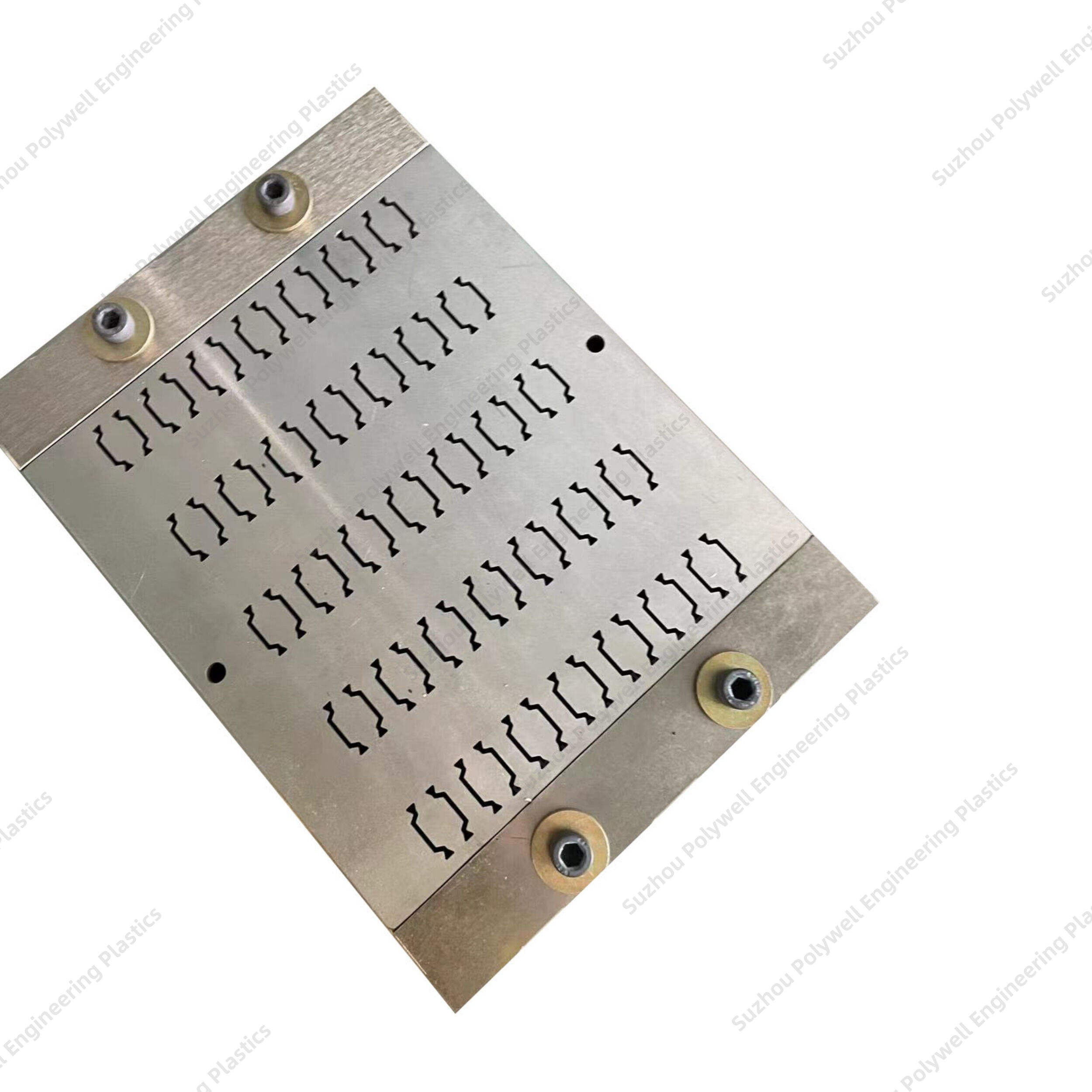
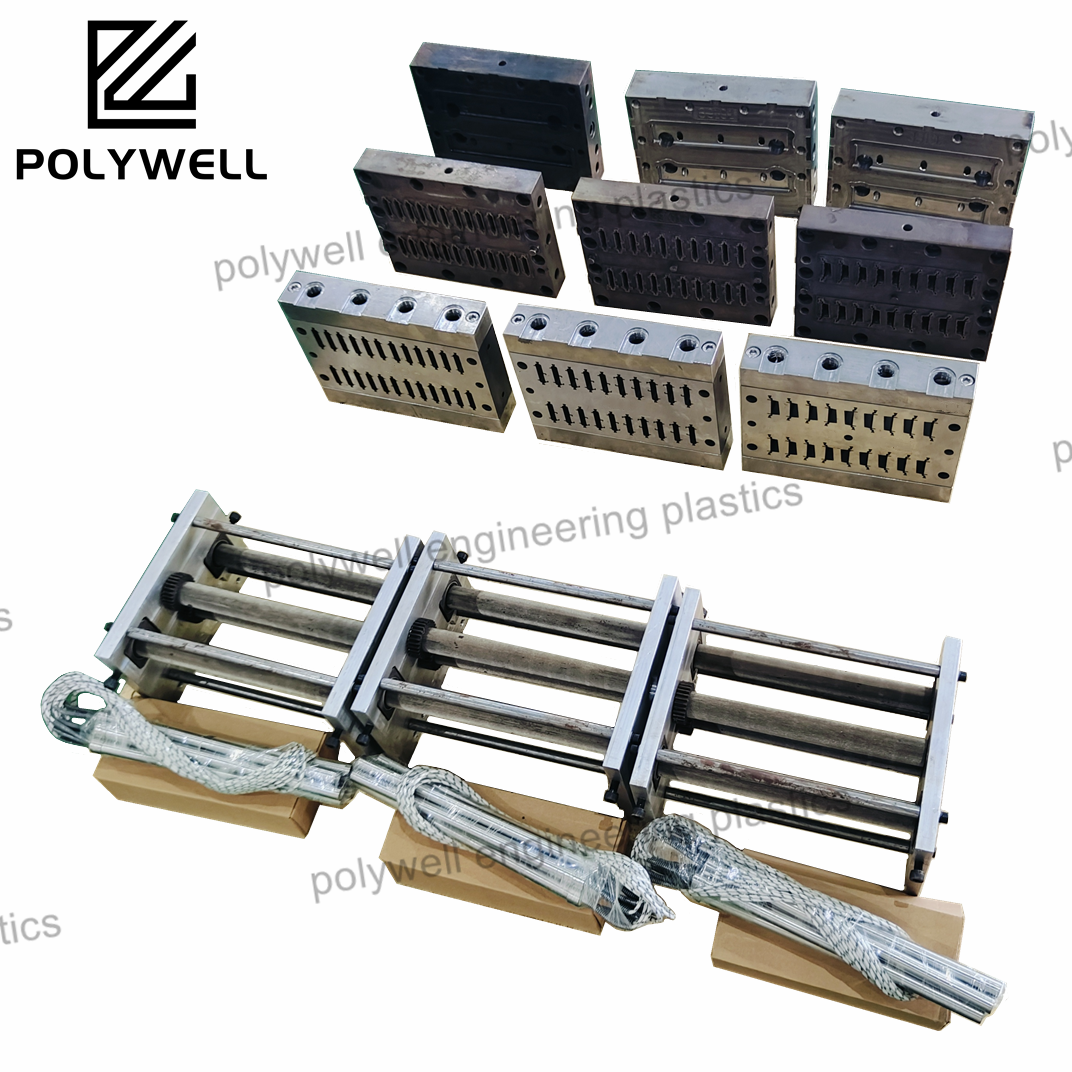
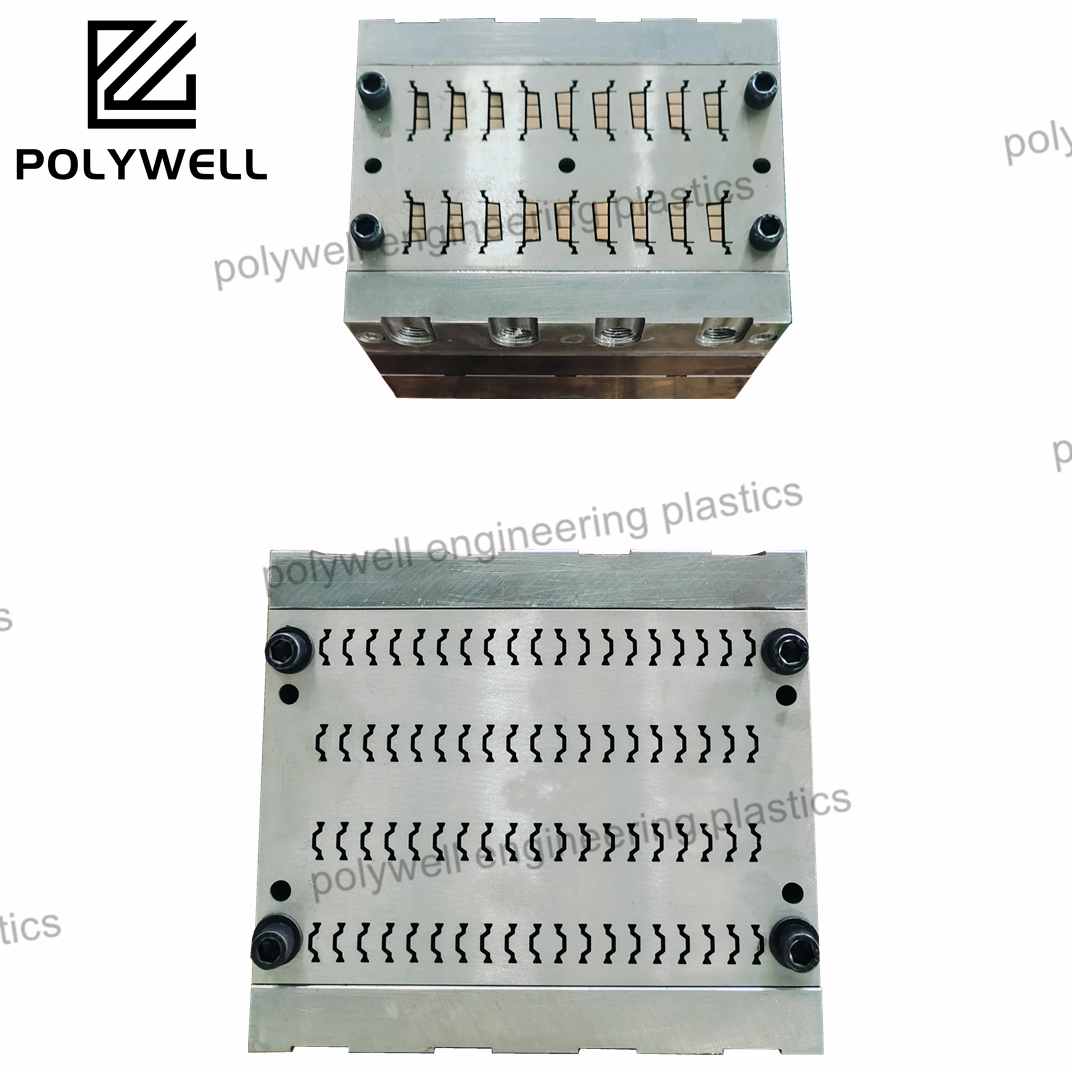
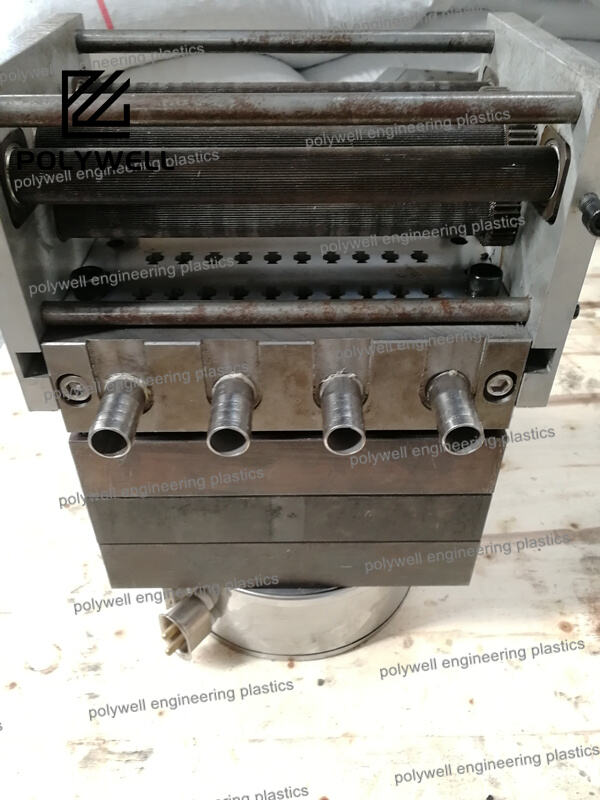
Gate Molding Design: Optimize Material Flow for Injection Molding
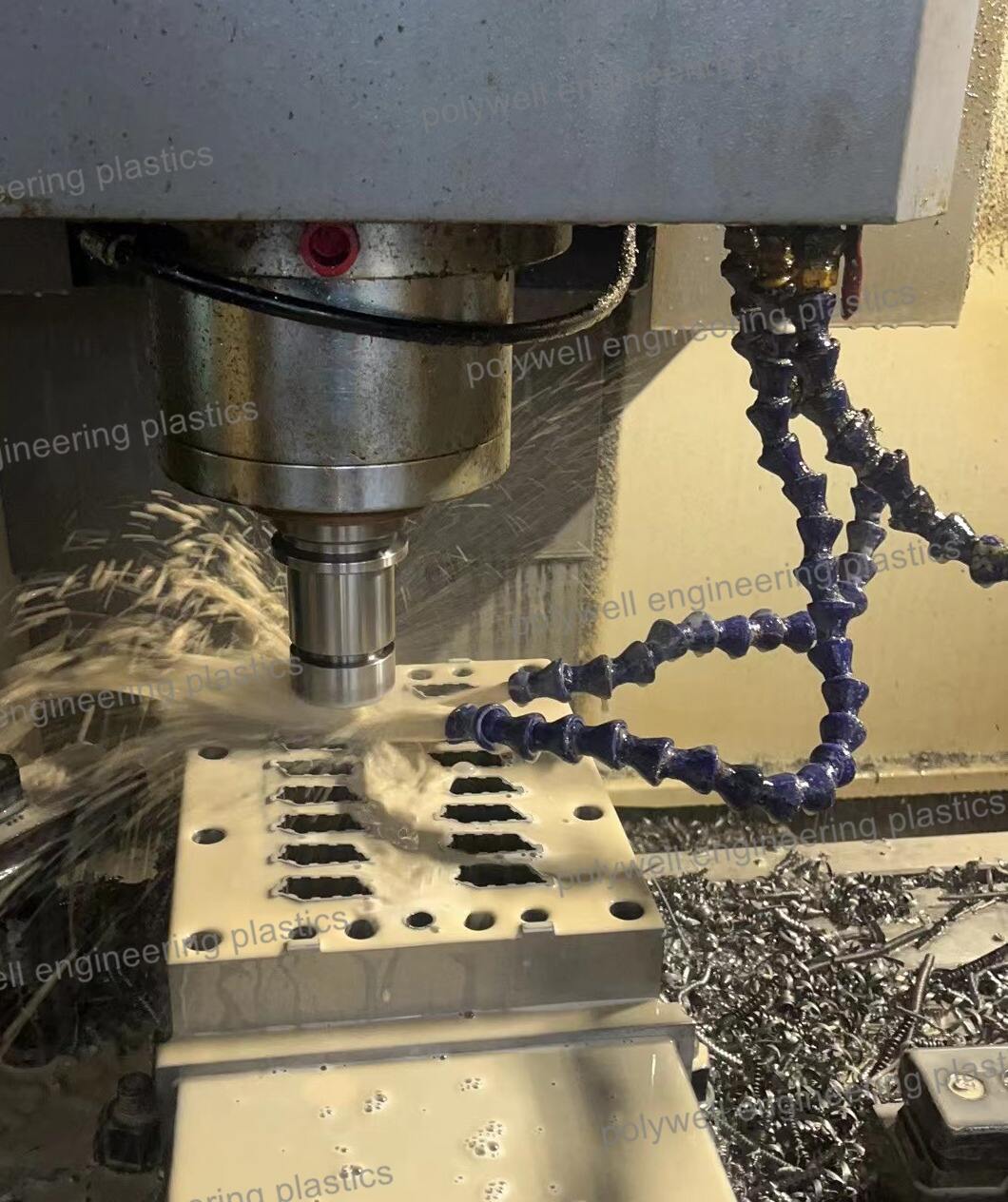
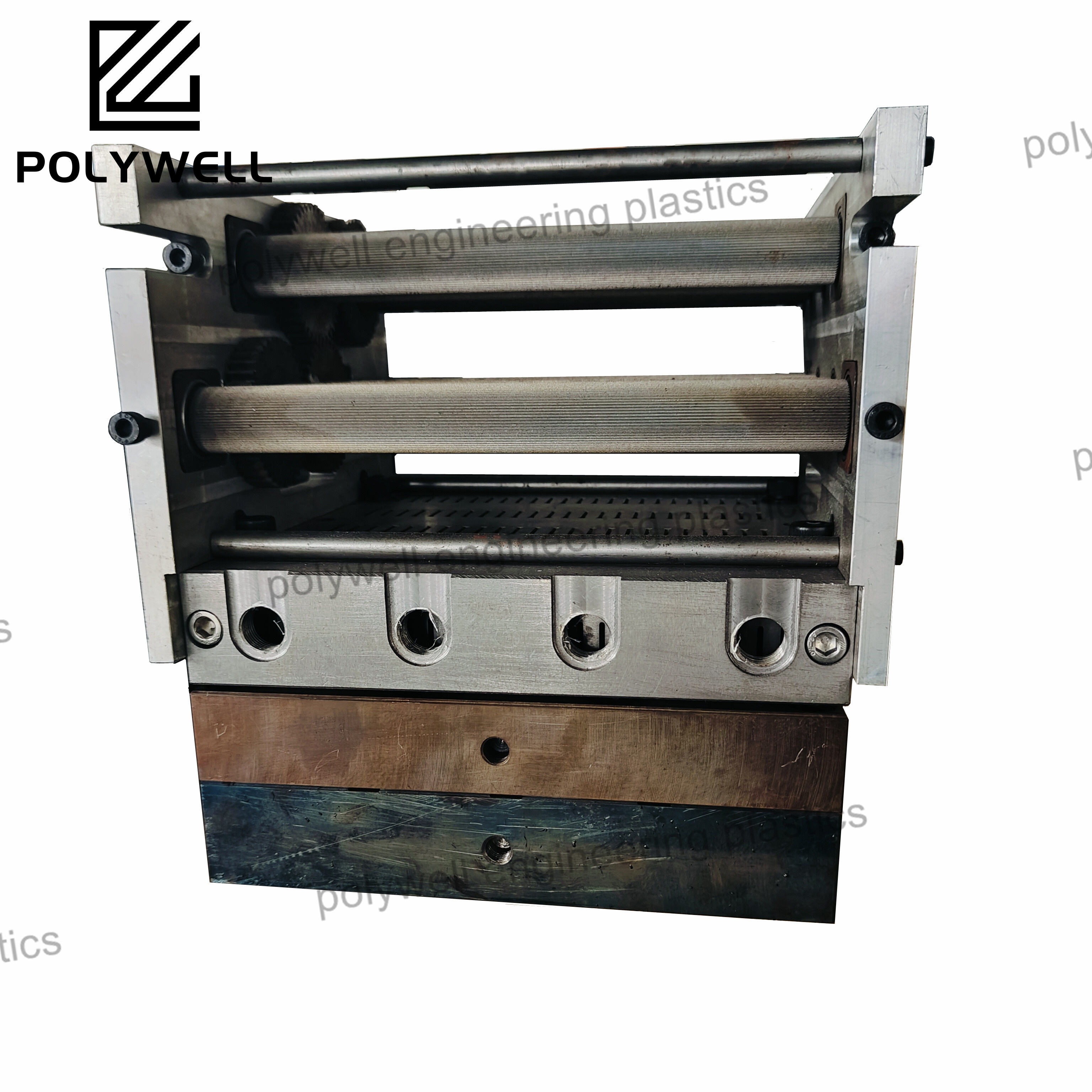
This page focuses on gate molding design, a critical aspect of injection molding that directly impacts part quality and production efficiency. It covers different gate types (e.g., sprue gate, edge gate, pin point gate, hot runner gate) and their selection criteria based on part size, geometry, material, and surface finish requirements. The content details design considerations such as gate location (to minimize weld lines), gate size (to control fill time and pressure), and gate removal (for post molding finishing). It also includes insights into how gate design affects common molding issues (e.g., flash, sink marks, air traps) and how to use simulation tools to test and optimize gate configurations. This page serves as a practical guide for mold designers and manufacturers aiming to improve injection molding processes through effective gate design.
Get A Quote

 EN
EN