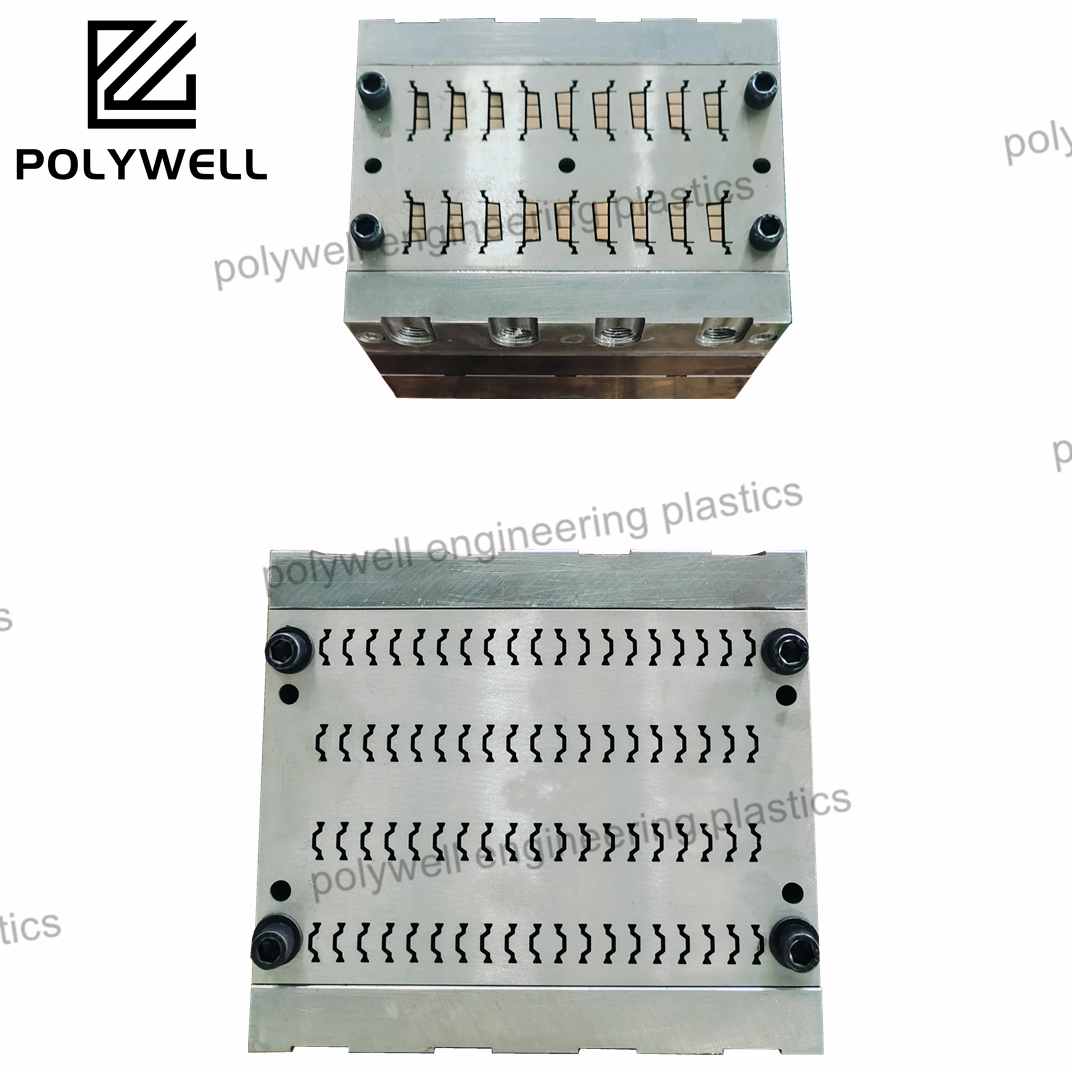
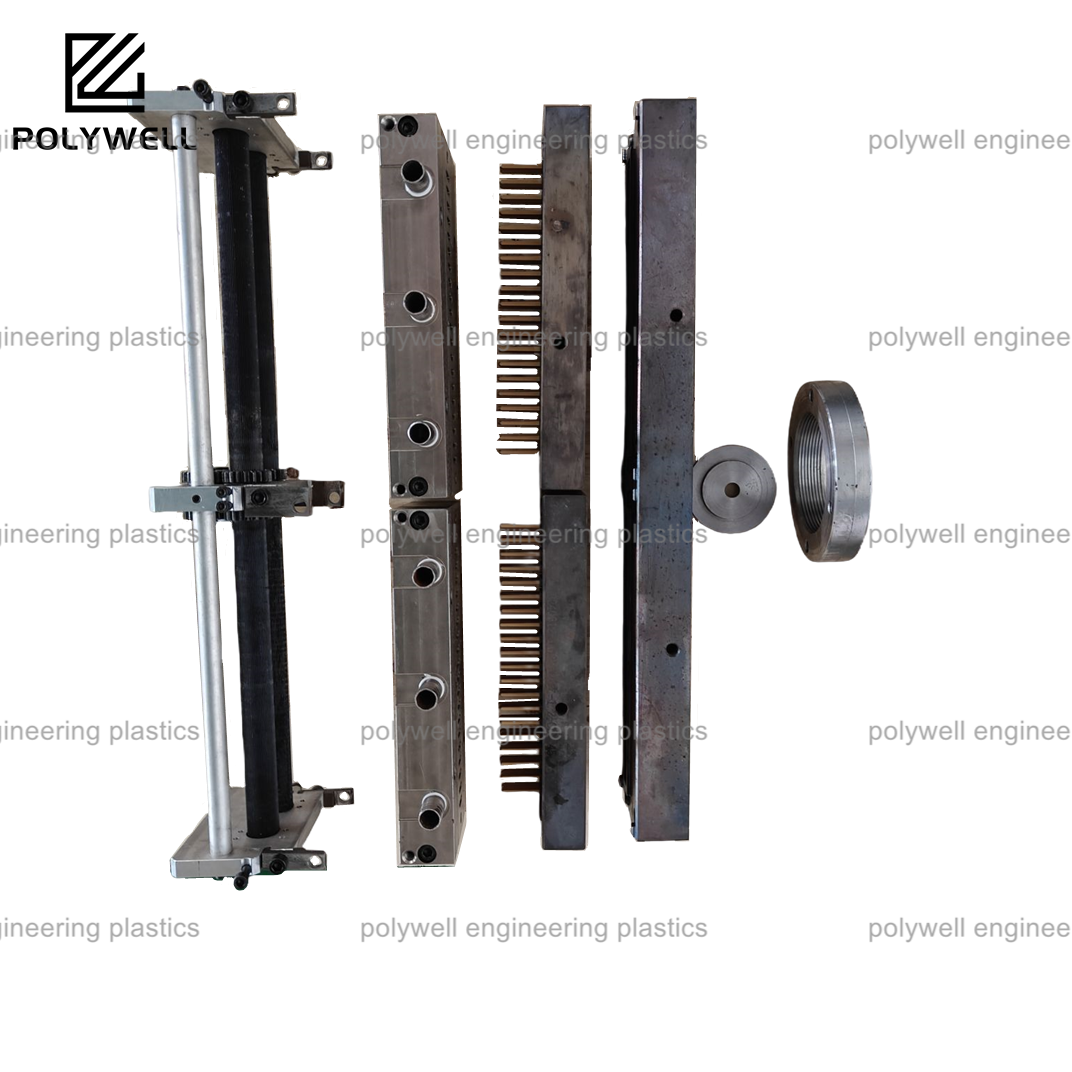
Mold Design for Injection Molding | Custom PA66 GF25 Tooling

All Categories

Tailored Mold Design for Injection Molding: Meet Diverse Production Needs

This page is dedicated to tailored mold design for injection molding, focusing on creating molds that align with specific production goals (e.g., high volume, small batch, complex parts). It covers mold type selection: single cavity molds for low volume or large parts, multi cavity molds for high volume small parts, and stack molds for maximizing output in limited space. The content details design considerations for critical systems: gating (to control material flow), cooling (to ensure uniform part cooling), and ejection (to prevent part damage). It also includes guidance on integrating advanced features (e.g., hot runners for reduced material waste, inserts for multi material parts) and complying with industry regulations (e.g., medical grade mold finishes). With case studies across automotive, electronics, and packaging industries, it serves businesses and engineers seeking molds optimized for their unique injection molding needs.
Get A Quote

Advantages of the product

Custom Engineered for Specific Material Properties

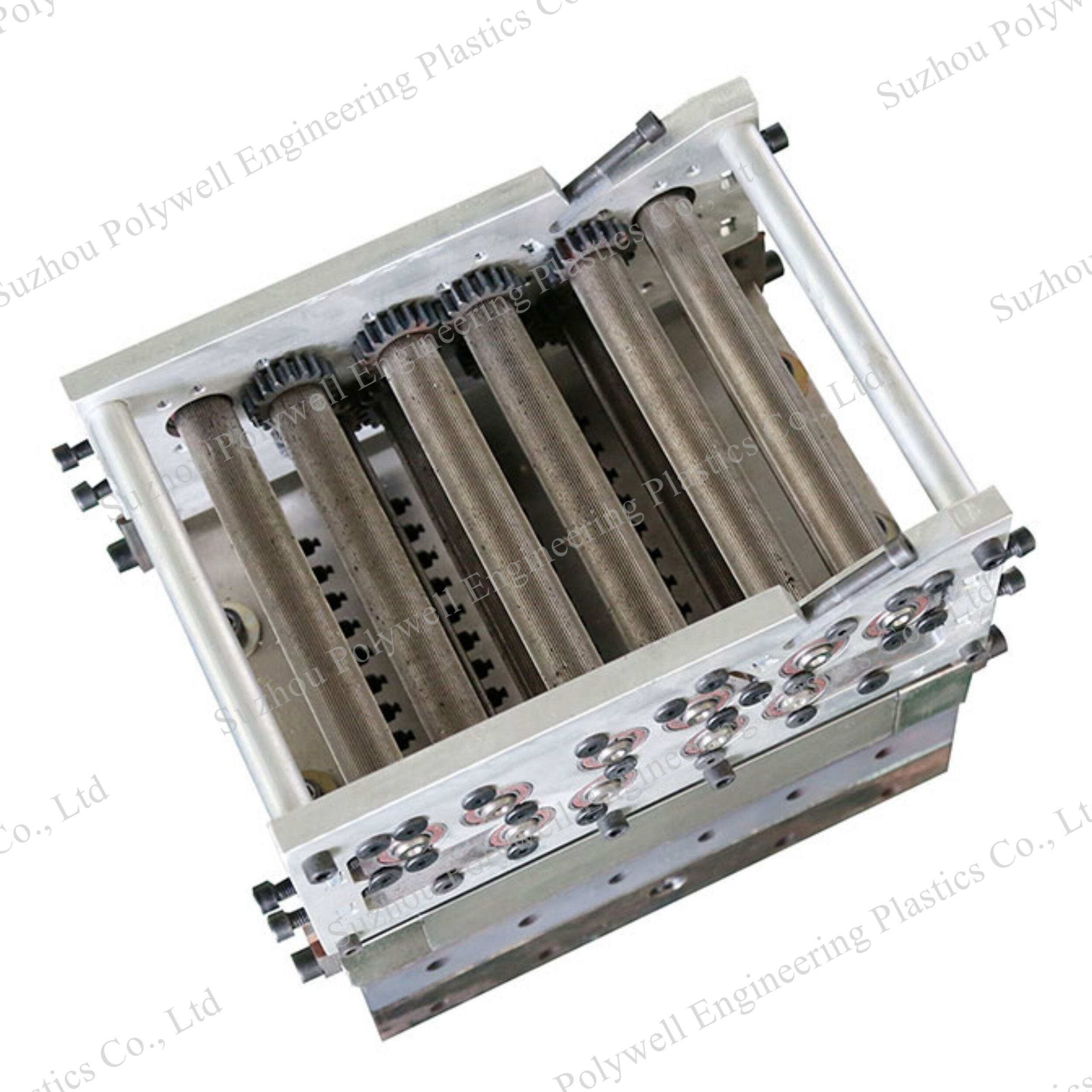
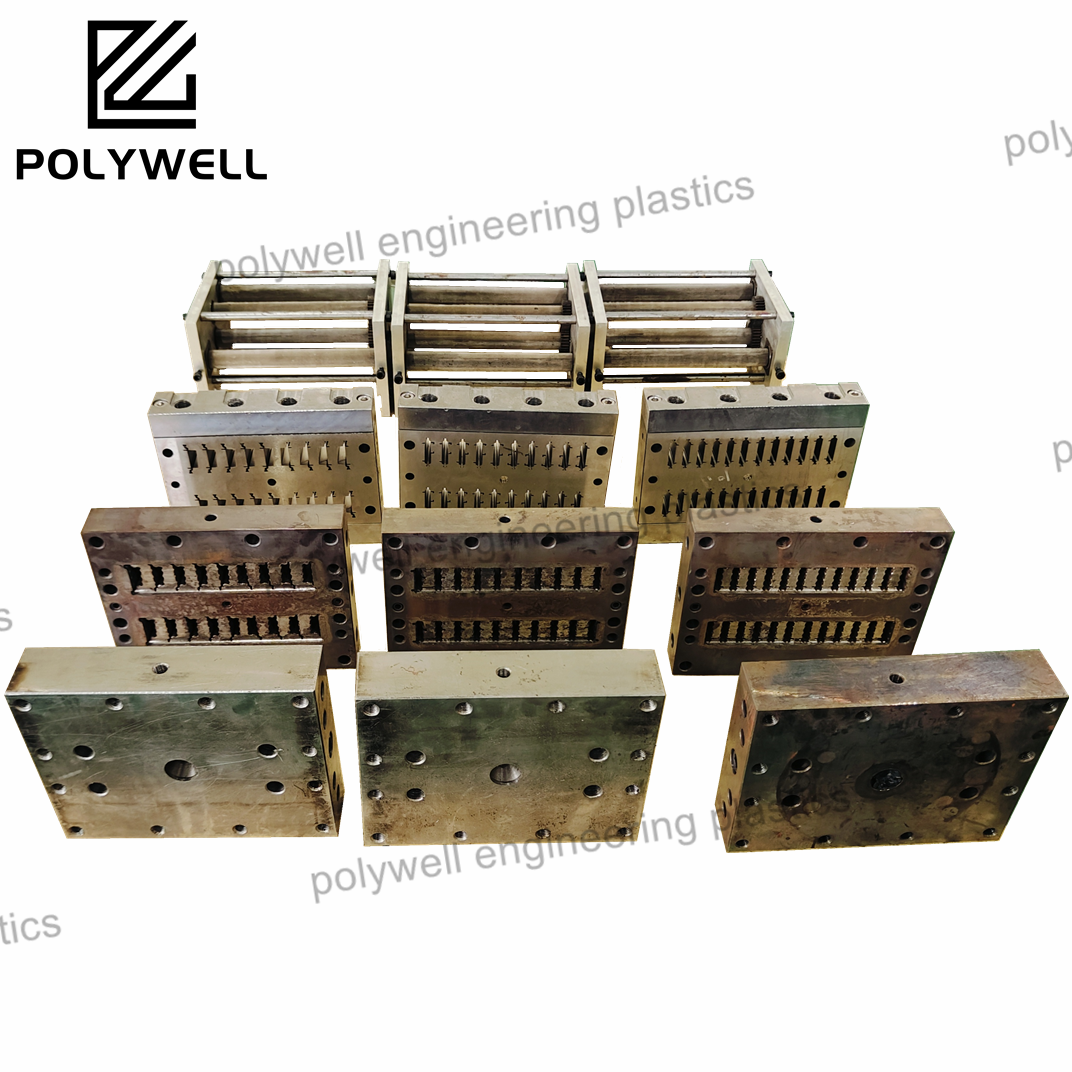
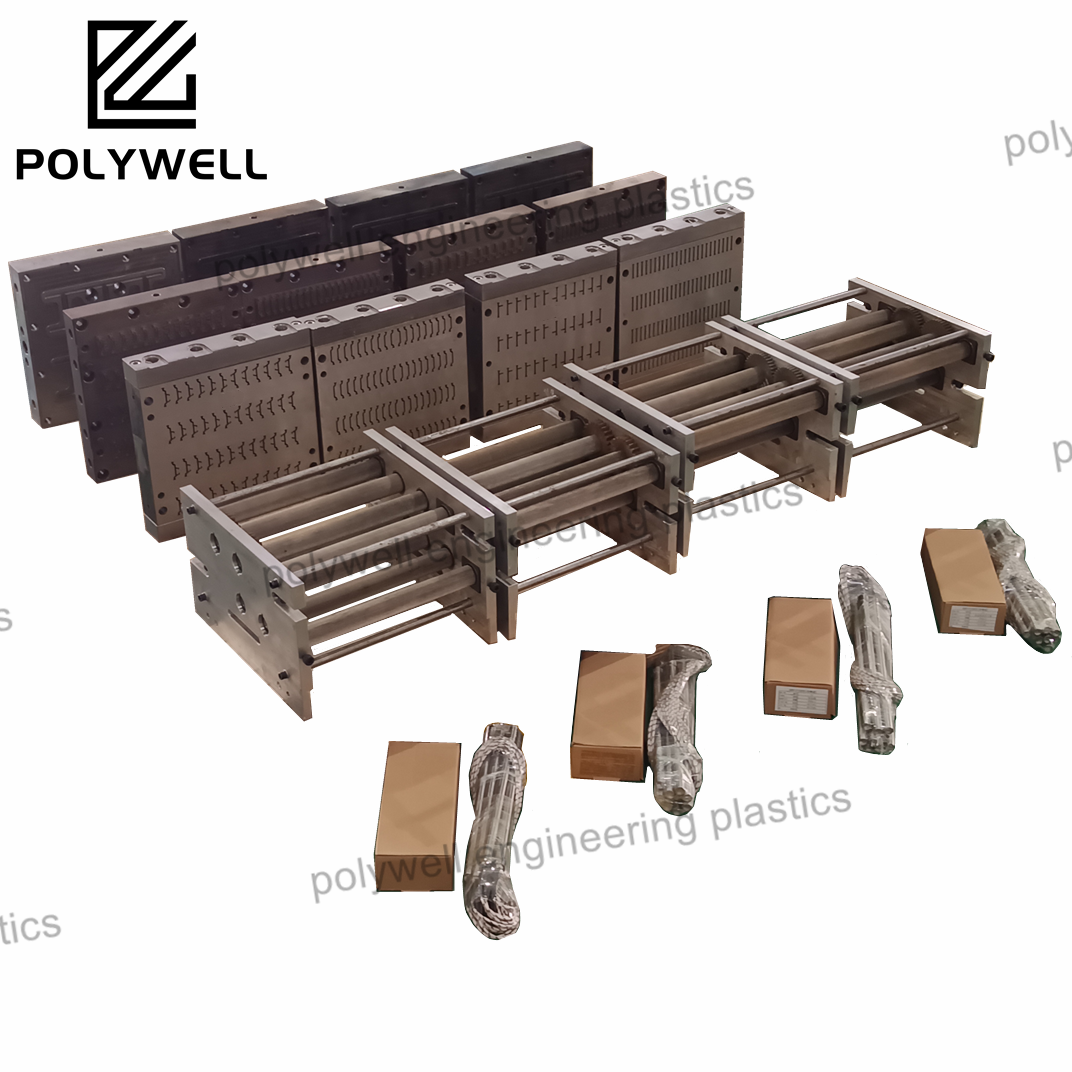
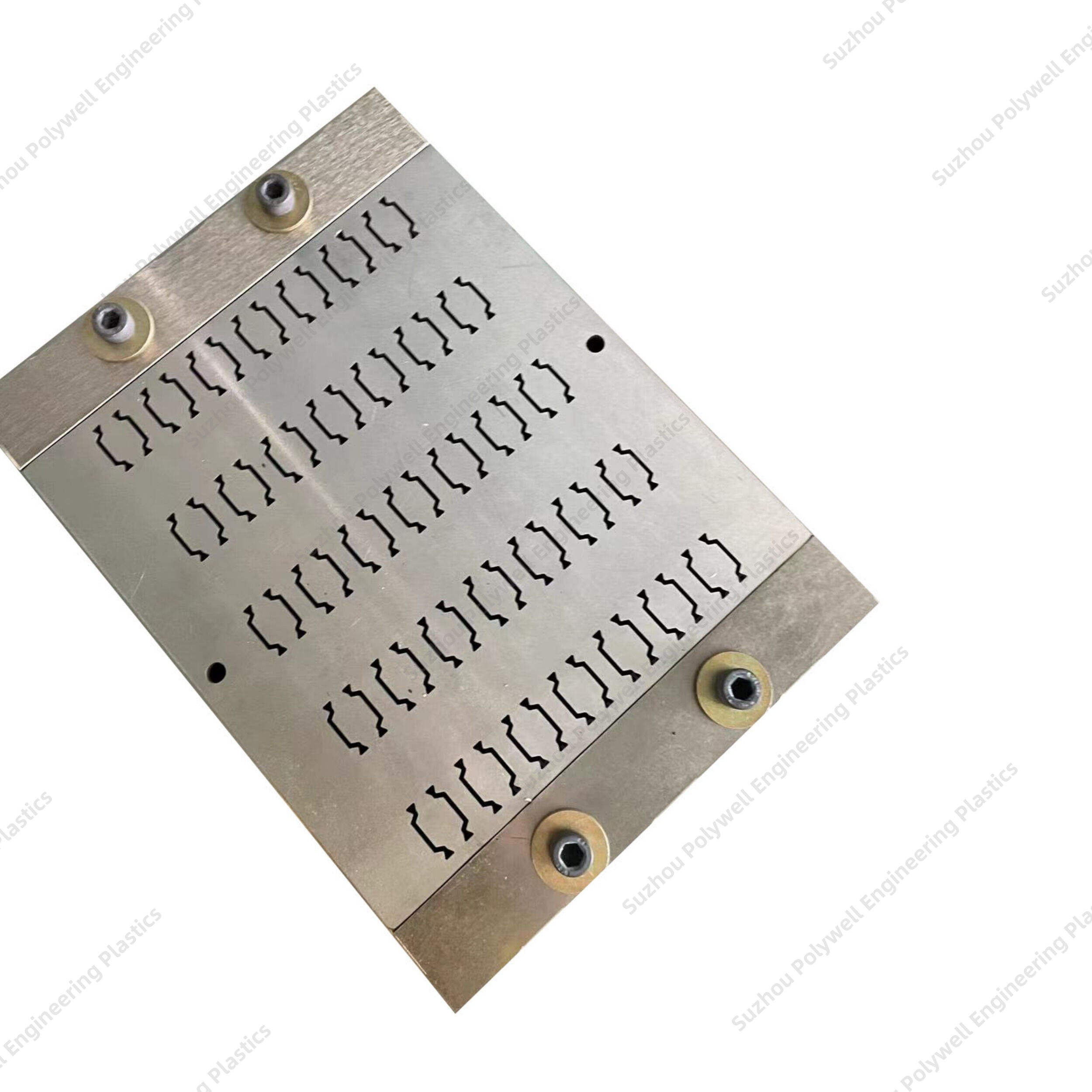
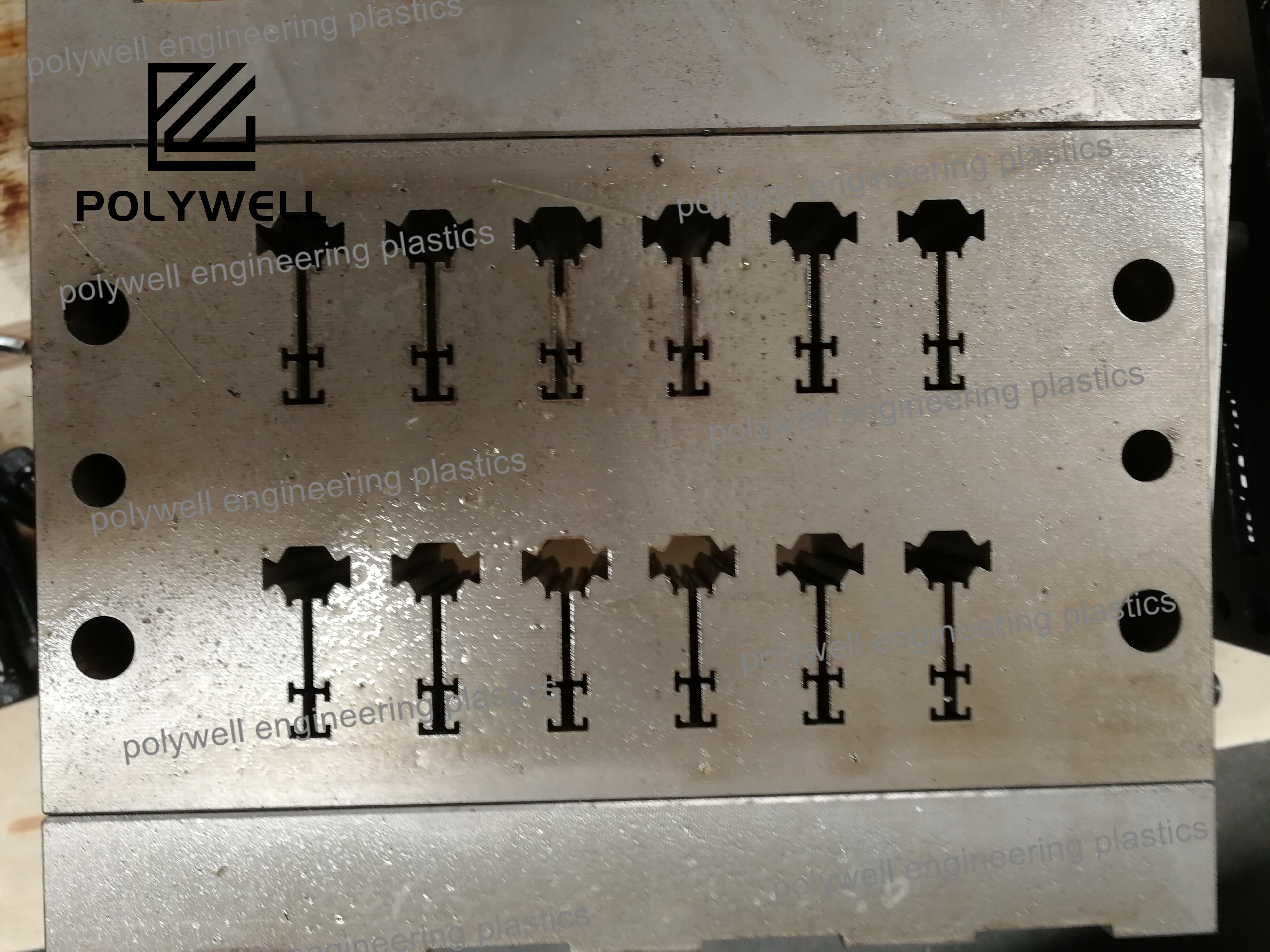
We don't offer generic die designs. Each mold is custom engineered with a deep understanding of the specific rheological properties of our polyamide compounds, including glass filled grades like PA66 GF25. We carefully calculate the compression ratio, land length, and flow channels to suit the material, ensuring optimal melt homogenization, minimal internal stresses, and the preservation of the material's mechanical and thermal properties.

Related products

Mold design for injection molding is a specialized engineering discipline focused on creating tooling systems that transform molten plastic into precise, repeatable components. The process requires deep understanding of polymer behavior, thermal dynamics, and mechanical engineering principles applied within the constraints of high-volume manufacturing. Fundamental design considerations begin with determining the optimal mold type—two-plate for simplicity, three-plate for automated runner separation, or stack molds for increased capacity. The parting line establishment is crucial, affecting both part aesthetics and mold functionality. Cavity and core design must account for material shrinkage, incorporating appropriate scale factors to achieve final part dimensions. Feeding system engineering encompasses runner layout (naturally balanced or geometrically balanced), gate type selection (edge, submarine, fan, or diaphragm), and sprue design, with decisions between cold runner and hot runner systems significantly impacting material efficiency and cycle time. Cooling system design employs strategically placed channels to extract heat uniformly, preventing warpage and reducing cycle times. Ejection system engineering ensures reliable part removal through pins, sleeves, blades, or stripper plates positioned to apply force without damaging the part. Complex part geometries require additional mechanisms including lifters for undercuts, sliders for side features, and unscrewing devices for threaded components. Venting design prevents air entrapment that causes burns or short shots, while alignment systems maintain precision throughout the molding cycle. Modern mold design utilizes advanced simulation software to predict filling patterns, cooling efficiency, and structural stresses, enabling optimization before costly tool fabrication. The resulting mold design represents a balance between technical performance, manufacturing efficiency, maintenance requirements, and economic considerations, delivering a robust manufacturing system capable of producing high-quality components consistently.

Frequently Asked Questions

Can you modify an existing mold design for a new profile?

Yes, we offer mold modification and redesign services. While significant profile changes often require a new die, we can frequently modify existing tooling for minor geometrical updates, such as adding a new groove or adjusting a wall thickness. Our engineering team assesses the feasibility and provides the most cost effective solution, leveraging our deep understanding of both mold design and polymer flow behavior.

Related Articles

Why you need one stop service (overall solutions)

30

Dec

Why you need one stop service (overall solutions)

Discover why POLYWELL’s one-stop service is essential for your plastic extrusion projects. From raw material selection to final production, we provide comprehensive support for thermal break strips and custom profiles.
View More
Innovations in Plastic Extruder Machines for Better Efficiency

19

Nov

Innovations in Plastic Extruder Machines for Better Efficiency

Innovative plastic extruder machines by POLYWELL offer energy-efficient operations, precision control, and high-quality outputs for diverse applications.
View More
Efficient Winding Machines for Streamlined Thermal Break Strip Handling

28

Mar

Efficient Winding Machines for Streamlined Thermal Break Strip Handling

Discover the significance of efficient winding machines in thermal break strip handling, optimizing insulation quality and production efficiency with innovative materials like PA66GF25 granules and recycled PA66.
View More
Selecting the Appropriate Cutting Machine for Precision Thermal Break Strips

10

Jun

Selecting the Appropriate Cutting Machine for Precision Thermal Break Strips

Discover the significance of thermal break strip materials like PA66 GF30 and Nylon 66 GF25 in window insulation, alongside cutting technology advancements. Learn how material properties influence cutting machine selection and explore key technological features for effective thermal break strip production.
View More

customer evaluation

Emily

The mold design service was outstanding. From the initial CFD flow analysis to the final machined die, the process was professional and collaborative. The die produced a perfectly balanced profile right from the first startup, with virtually no commissioning scrap. The precision and foresight in the design phase saved us significant time and money.

Get a Free Quote

Our representative will contact you soon.
Email
Name
Company Name
Message
0/1000
Scientific Flow Simulation for Optimal Performance

Scientific Flow Simulation for Optimal Performance

Our mold design process utilizes advanced Computational Fluid Dynamics CFD software to simulate the flow of molten polyamide material within the die This allows us to predict and eliminate potential issues like uneven flow dead spots or excessive pressure drops before manufacturing the physical mold The result is a die that produces a dimensionally stable and structurally uniform profile right from the first startup saving time and material
Custom Engineered for Material Properties

Custom Engineered for Material Properties

Each mold is custom engineered with a deep understanding of the specific rheological properties of our polyamide compounds including glass filled grades like PA66 GF25 We carefully calculate the compression ratio land length and flow channels to suit the material ensuring optimal melt homogenization minimal internal stresses and the preservation of the materials mechanical and thermal properties
Durable Construction with Premium Materials

Durable Construction with Premium Materials

Our molds are manufactured from high grade hardened tool steels selected for their exceptional wear resistance hardness and polishability Critical surfaces are precision machined and often coated to withstand the abrasive nature of glass filled polymers This commitment to quality materials and craftsmanship ensures a long service life maintaining precise profile tolerances over millions of extrusion cycles
Inquiry Inquiry Email Email WhatsApp WhatsApp Wechat Wechat
Wechat
TopTop

Related Search