Mold Injection Design for PA66: Optimize Thermal Break Strip Production

All Categories

Mold Injection Design: Streamline Processes for Injection Molding Success

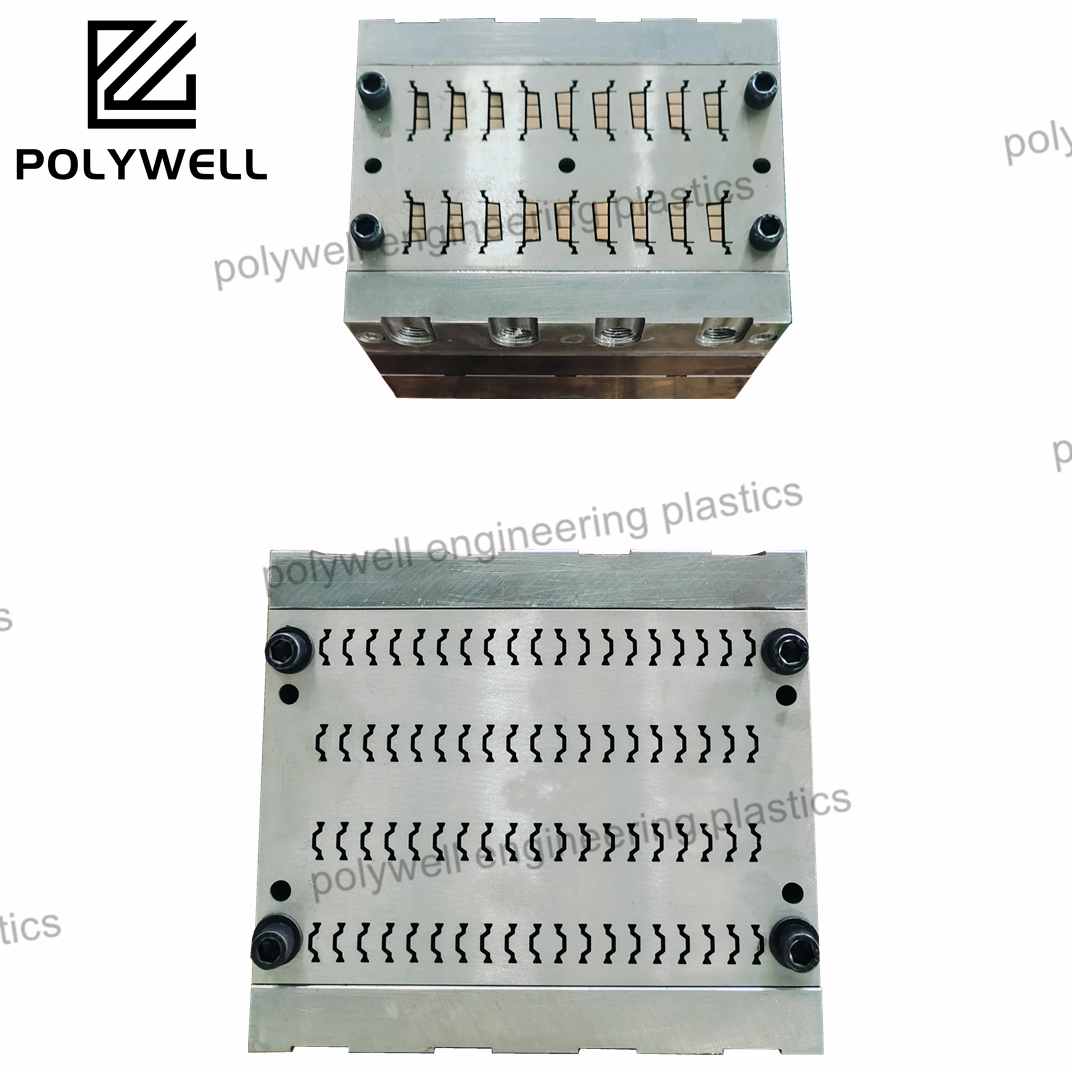
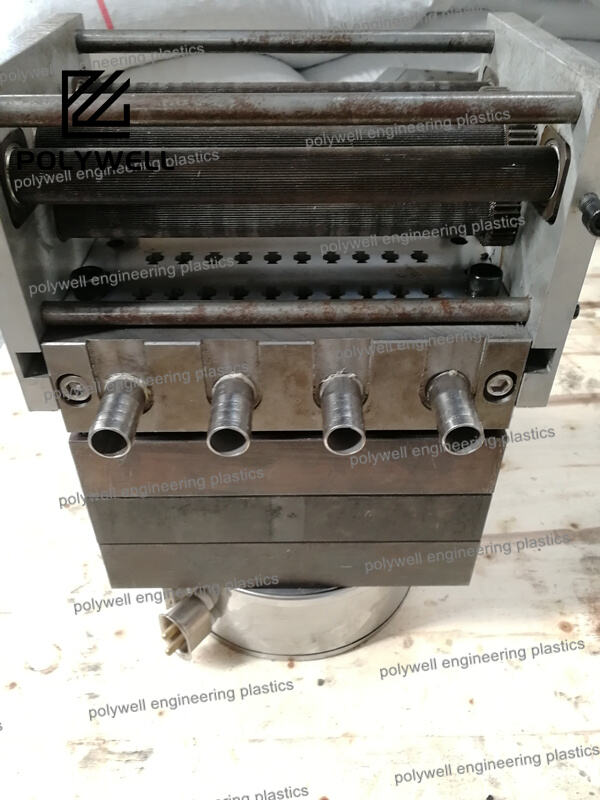
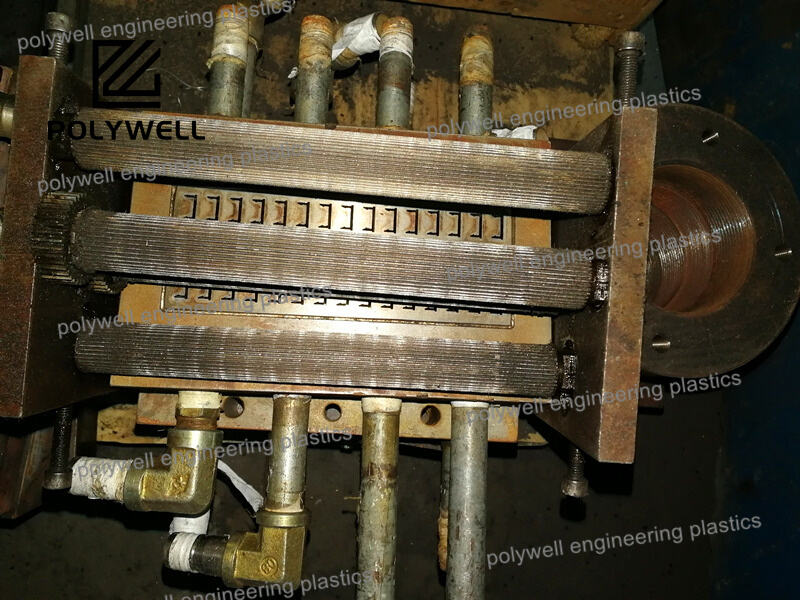
This page explores mold injection design—specifically the design of molds tailored for injection molding processes—with a focus on streamlining production and ensuring part quality. It covers the full design lifecycle: from analyzing part requirements (tolerances, material) to designing mold structures (cavity layout, cooling channels) and validating designs via mold flow simulation. The content addresses key optimization points: reducing mold cycle time through efficient cooling, enhancing mold longevity via wear resistant materials, and simplifying maintenance (e.g., easy access to components for cleaning or repair). It also includes insights into designing for different plastic types (e.g., thermoplastics vs. thermosets) and troubleshooting common mold injection issues (e.g., uneven filling, mold sticking). This resource is suitable for mold designers, injection molding operators, and manufacturers looking to optimize their mold injection processes.
Get A Quote

Advantages of the product

Scientific Flow Simulation for Optimal Performance

Our mold design process utilizes advanced Computational Fluid Dynamics (CFD) software to simulate the flow of molten polyamide material within the die. This allows us to predict and eliminate potential issues like uneven flow, dead spots, or excessive pressure drops before manufacturing the physical mold. The result is a die that produces a dimensionally stable and structurally uniform profile right from the first startup, saving time and material.

Related products

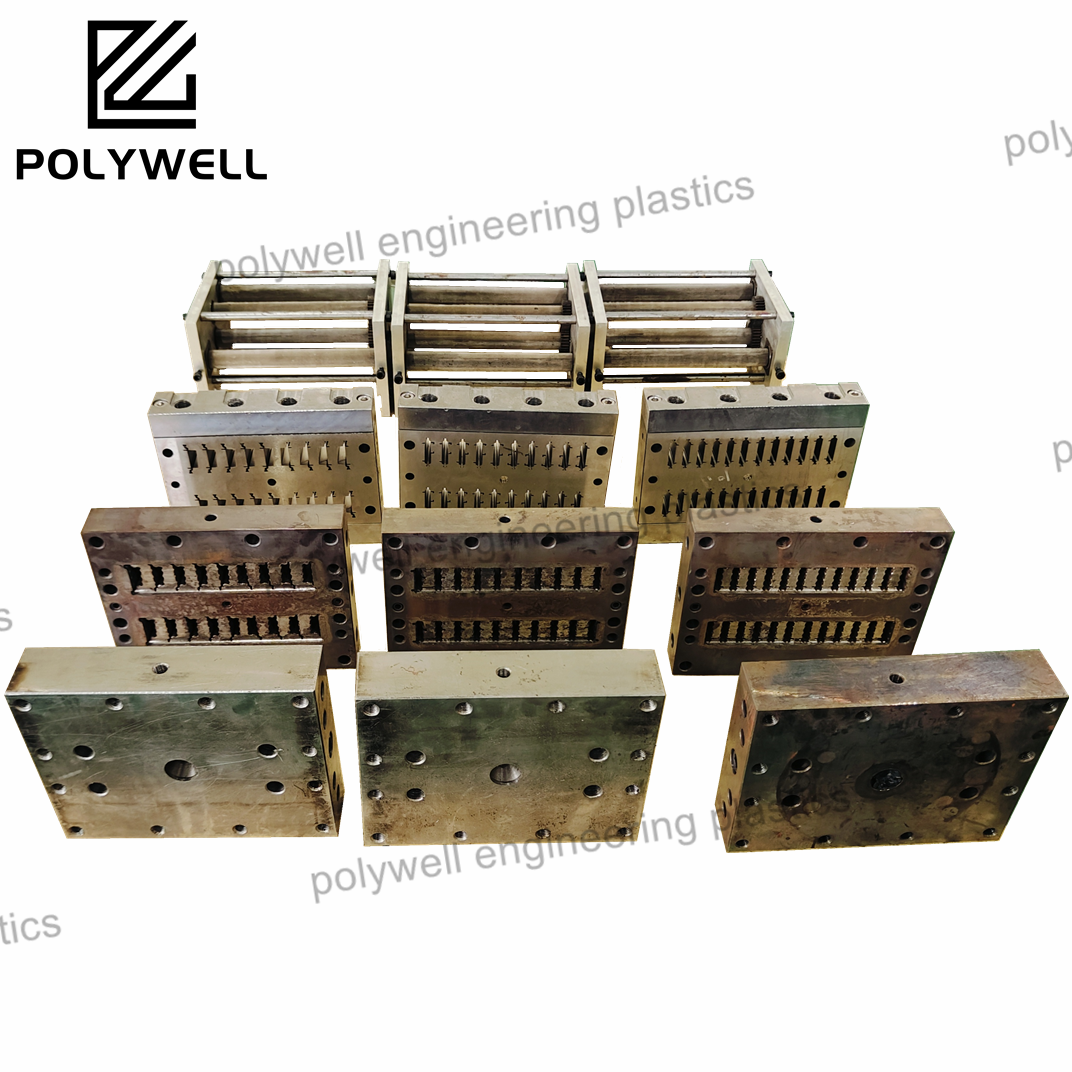
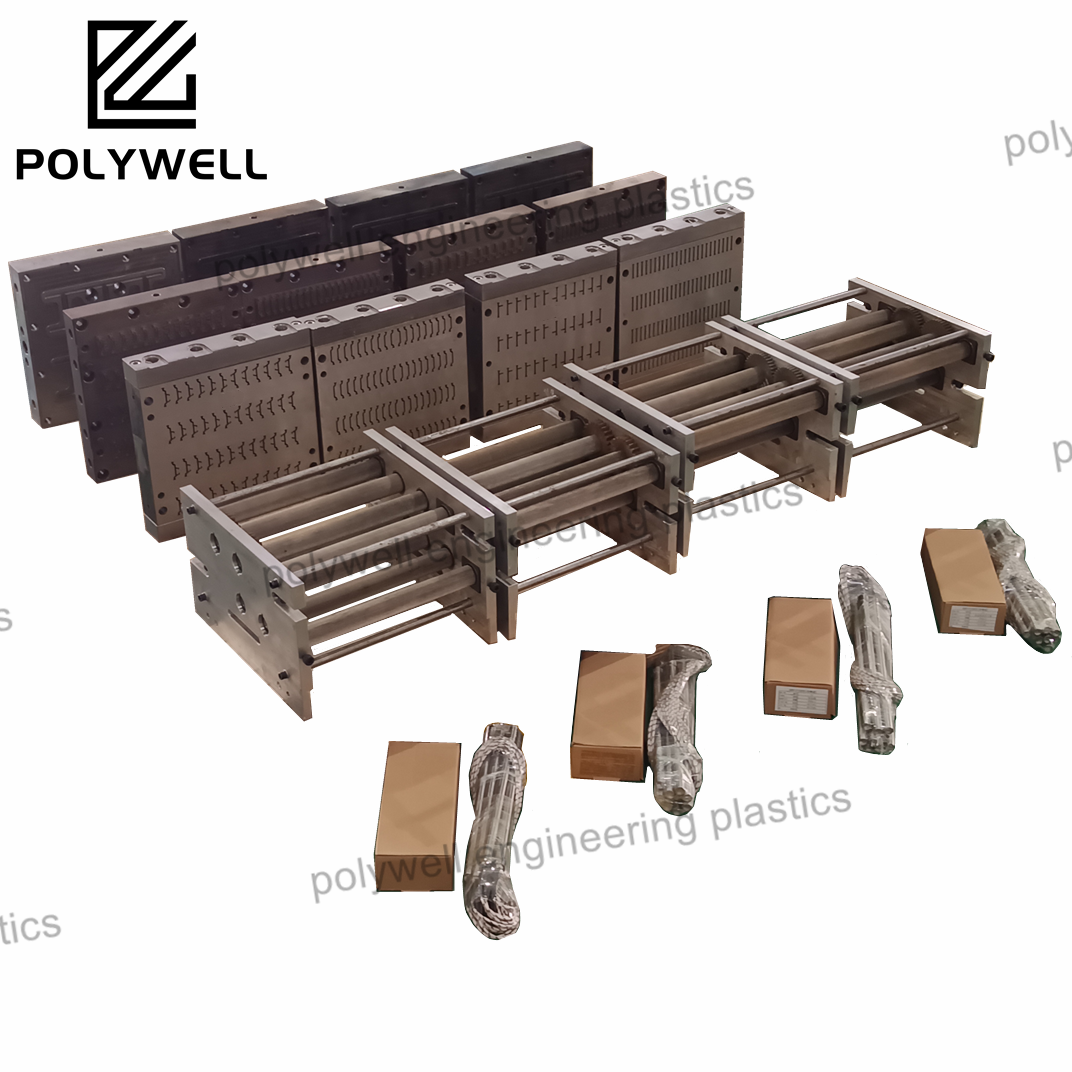
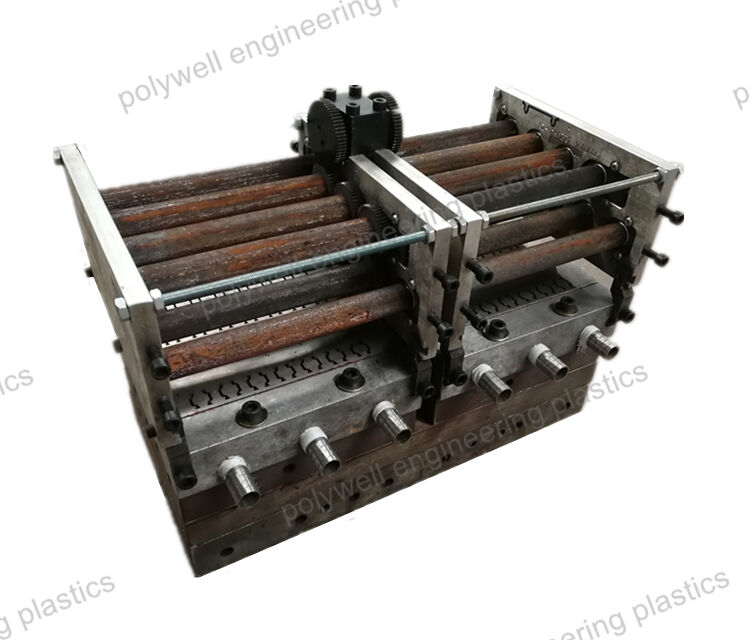
Mold injection design, more accurately described as injection mold design, is the comprehensive engineering process that creates the tooling system for plastic injection molding. This multidisciplinary field combines mechanical engineering, materials science, thermal dynamics, and manufacturing principles to develop molds that produce plastic parts efficiently, consistently, and economically. The design process begins with thorough analysis of the part design, identifying potential manufacturing challenges and opportunities for optimization. Critical design elements include the cavity and core system that forms the part geometry, the feeding system that delivers molten plastic to the cavity, the cooling system that regulates mold temperature, the ejection system that removes finished parts, and the structural framework that supports all components under high injection pressures. Advanced molds incorporate complex mechanisms such as hydraulic or pneumatic side-actions for undercuts, unscrewing devices for threaded parts, and stack molds for increased production capacity. Material selection for mold components balances factors including wear resistance, polishability, thermal conductivity, and cost, with common choices ranging from P20 steel for moderate production to hardened steels like H13 for abrasive materials or high-volume applications. Modern injection mold design heavily relies on sophisticated software tools for 3D modeling, finite element analysis, and molding simulation, allowing engineers to predict and address potential issues before tool fabrication. The design must also consider practical manufacturing concerns such as ease of maintenance, repairability, and compatibility with standard molding machines. Successful injection mold design delivers a robust manufacturing system that operates reliably over hundreds of thousands of cycles while producing parts that meet precise dimensional, cosmetic, and performance specifications.

Frequently Asked Questions

How do you use flow simulation in your mold design process?

We utilize Computational Fluid Dynamics (CFD) software to create a virtual model of the die's flow channels. This simulation predicts how the molten polyamide will behave, allowing us to identify and correct areas of slow or fast flow before manufacturing the physical tool. This scientific approach eliminates guesswork, reduces development time and cost, and guarantees a die that produces a dimensionally accurate and balanced profile from the very first production run.

Related Articles

Maximizing Efficiency with Cutting Machines for Thermal Break Strip Production

30

Dec

Maximizing Efficiency with Cutting Machines for Thermal Break Strip Production

POLYWELL offers advanced thermal break strip cutting machines for precise, efficient, and safe production, meeting various industrial needs and enhancing manufacturing efficiency.
View More
The Evolution of Winding Machines in the Thermal Break Strip Industry

28

Mar

The Evolution of Winding Machines in the Thermal Break Strip Industry

Explore the historical development of winding machines in thermal break strip manufacturing, including early systems, automation advancements, and modern precision control. Discover how polymers and material science impact efficiency and future trends in predictive maintenance and sustainability goals.
View More
Why Is a Winding Machine Essential in the Production Industry?

21

Apr

Why Is a Winding Machine Essential in the Production Industry?

Explore the role of winding machines in industrial automation, focusing on enhancing production speed, reducing labor costs, and integrating with Industry 4.0. Learn how these machines handle complex tasks, improve product quality, and boost energy efficiency with advanced coil systems.
View More
How Single Screw Extruders Work with PA66GF25 Granules?

29

Aug

How Single Screw Extruders Work with PA66GF25 Granules?

Discover how single screw extruders efficiently melt and homogenize PA66GF25 granules for superior output. Learn the science behind polymer processing and optimization. Read the full guide now.
View More

customer evaluation

Ashley

The design process was a true partnership. They listened to our requirements and constraints and provided expert guidance throughout. Their responsiveness to our feedback and their ability to translate our needs into a high performance tool has built a level of trust that we value greatly.

Get a Free Quote

Our representative will contact you soon.
Email
Name
Company Name
Message
0/1000
Scientific Flow Simulation for Optimal Performance

Scientific Flow Simulation for Optimal Performance

Our mold design process utilizes advanced Computational Fluid Dynamics CFD software to simulate the flow of molten polyamide material within the die This allows us to predict and eliminate potential issues like uneven flow dead spots or excessive pressure drops before manufacturing the physical mold The result is a die that produces a dimensionally stable and structurally uniform profile right from the first startup saving time and material
Custom Engineered for Material Properties

Custom Engineered for Material Properties

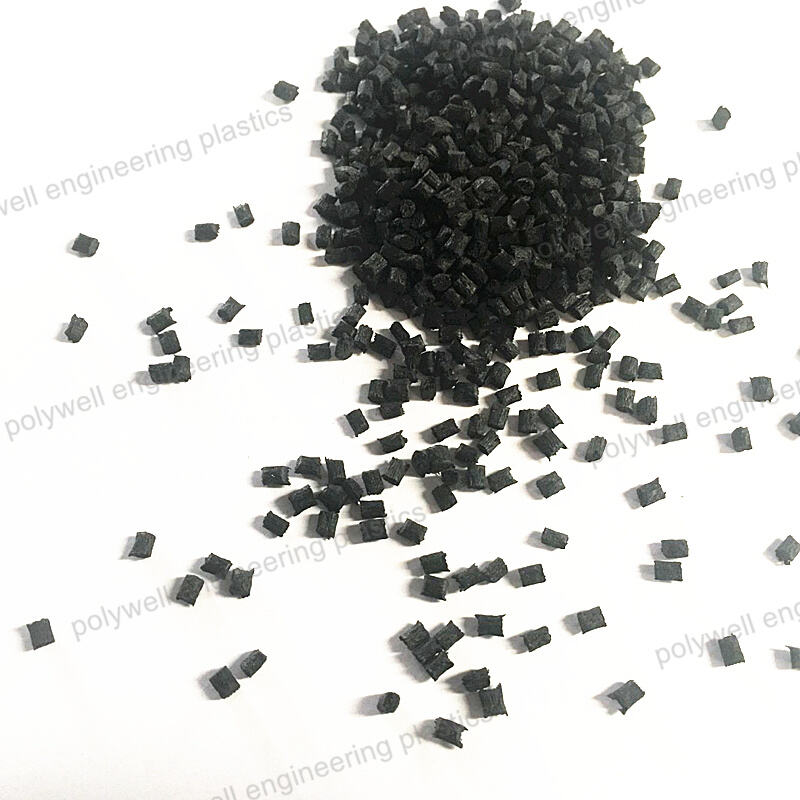
Each mold is custom engineered with a deep understanding of the specific rheological properties of our polyamide compounds including glass filled grades like PA66 GF25 We carefully calculate the compression ratio land length and flow channels to suit the material ensuring optimal melt homogenization minimal internal stresses and the preservation of the materials mechanical and thermal properties
Durable Construction with Premium Materials

Durable Construction with Premium Materials

Our molds are manufactured from high grade hardened tool steels selected for their exceptional wear resistance hardness and polishability Critical surfaces are precision machined and often coated to withstand the abrasive nature of glass filled polymers This commitment to quality materials and craftsmanship ensures a long service life maintaining precise profile tolerances over millions of extrusion cycles
Inquiry Inquiry Email Email WhatsApp WhatsApp Wechat Wechat
Wechat
TopTop

Related Search