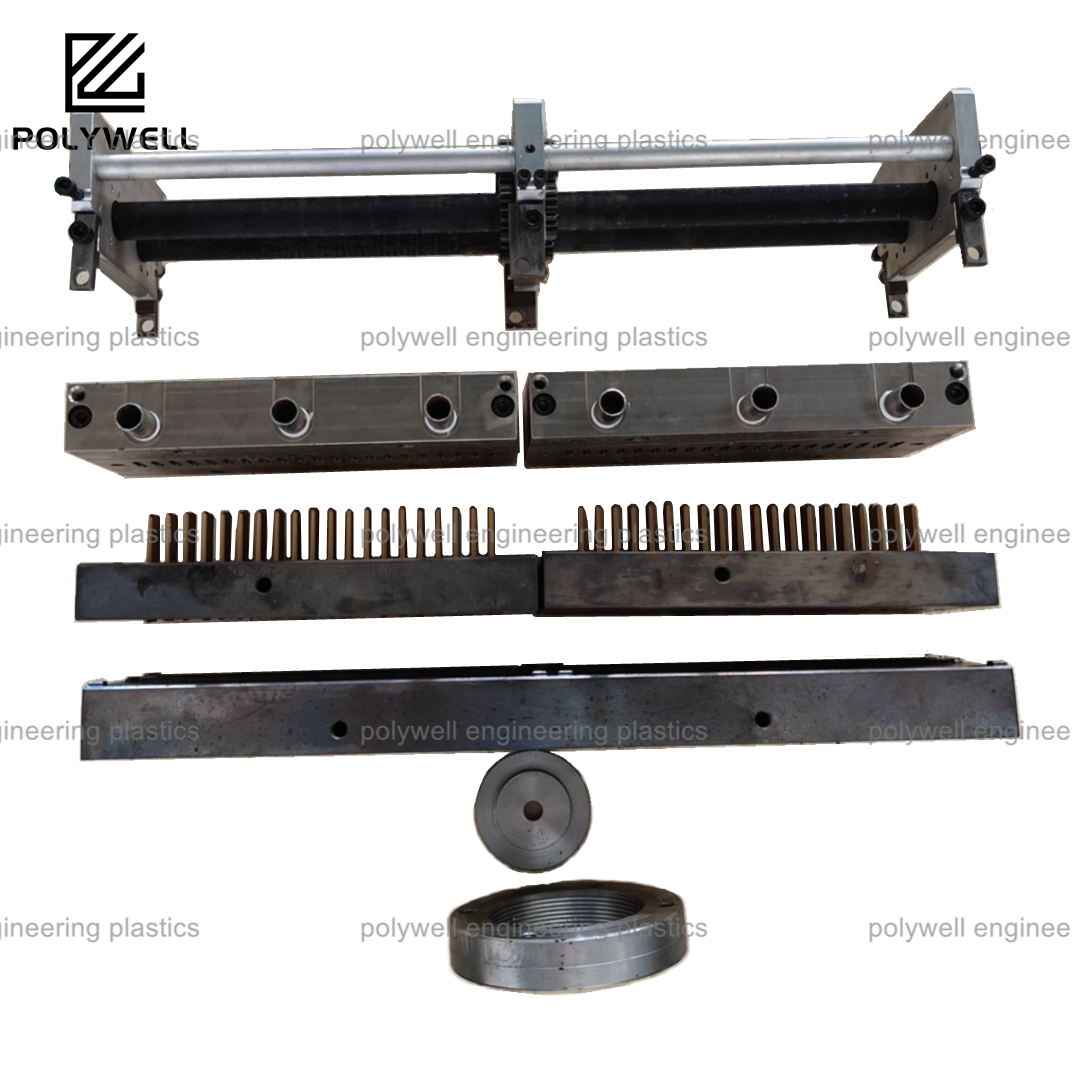
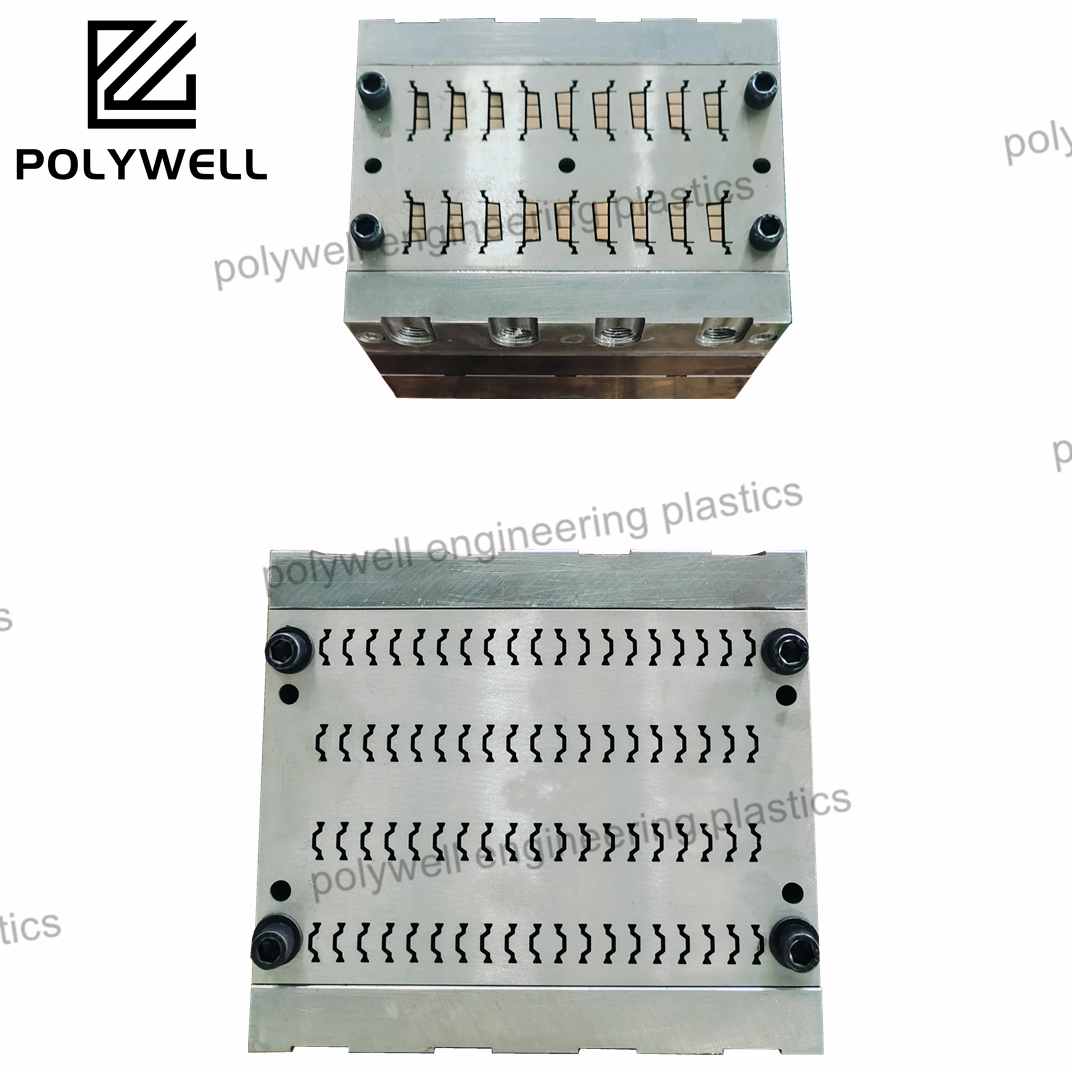
Precision Injection Molding Tool Design: Durability & Efficiency Focus
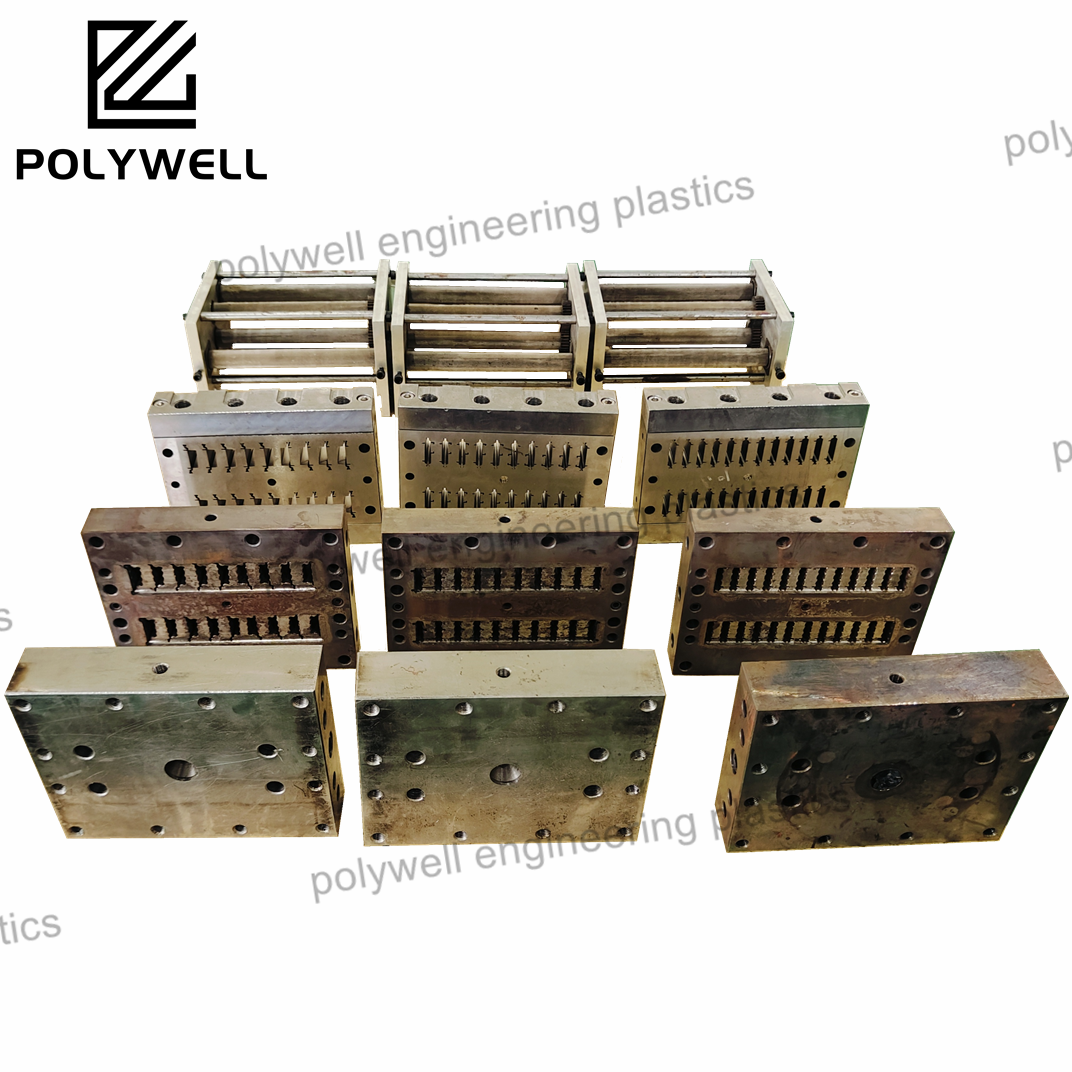
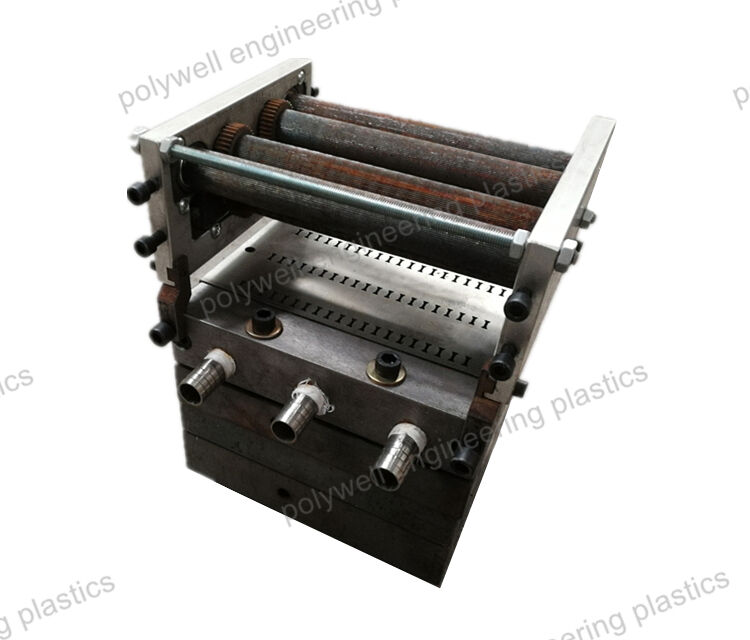
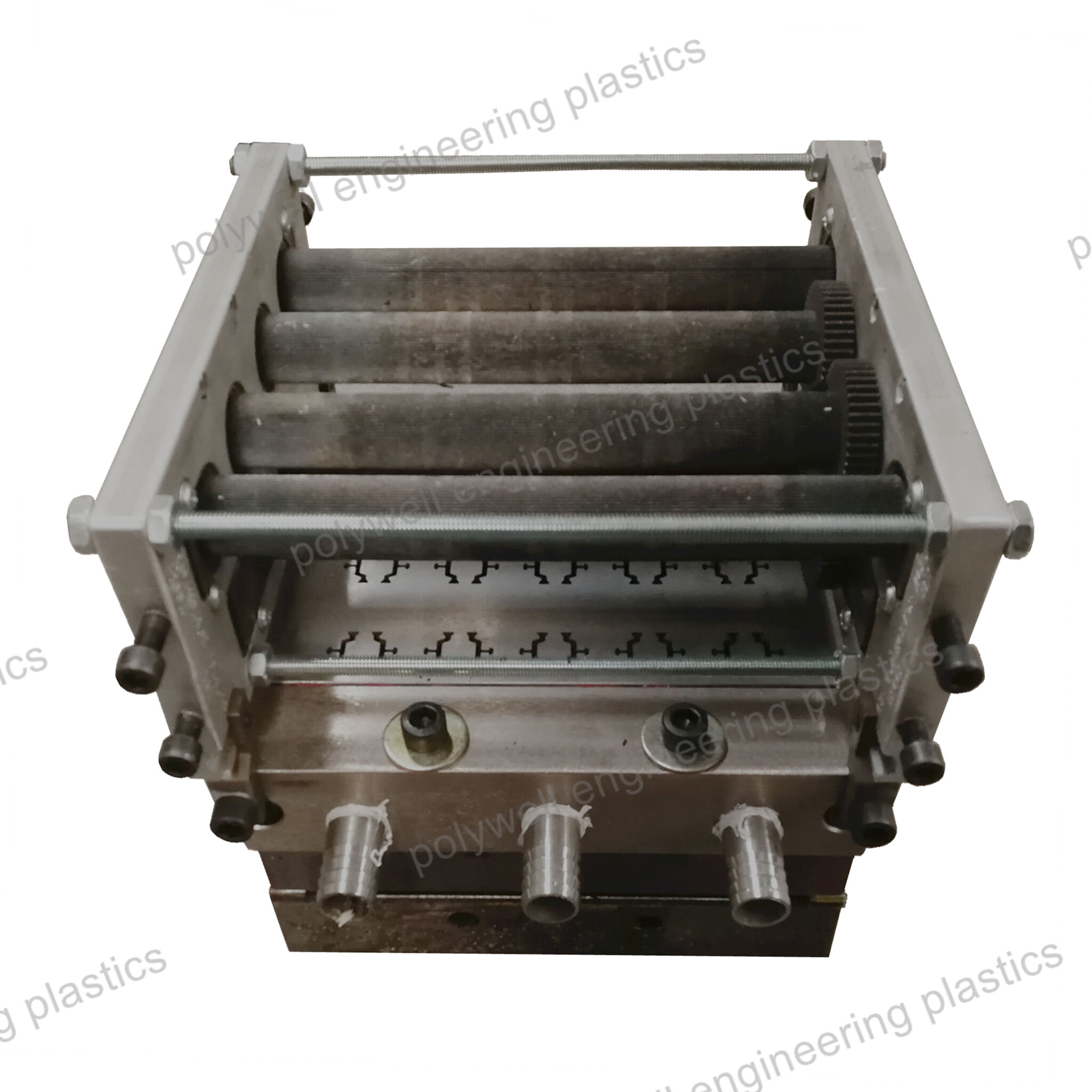
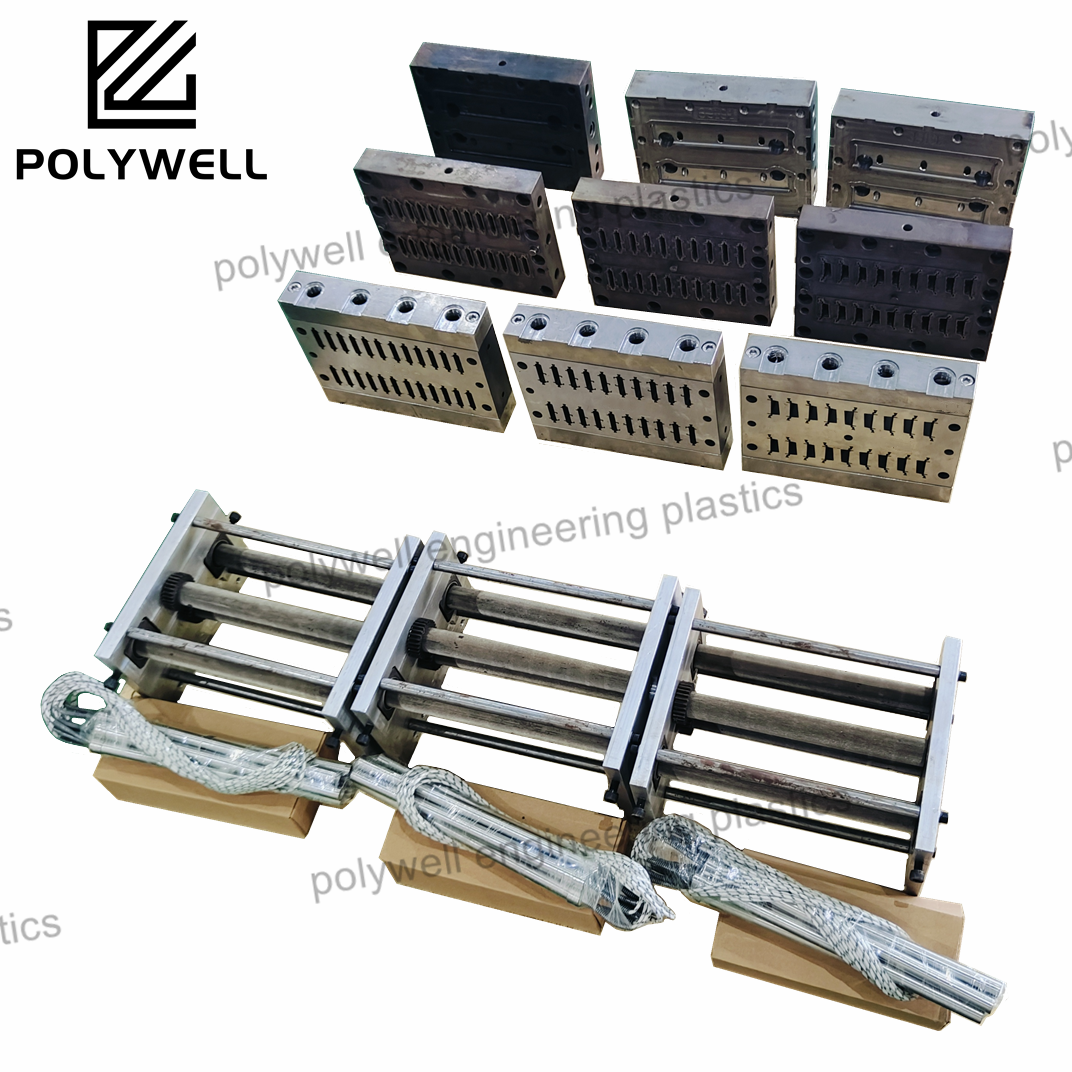
This page specializes in precision injection molding tool design, emphasizing mold durability, production efficiency, and compatibility with injection molding processes. It details the design of core components such as mold cavities, cores, cooling systems, and gating systems, with a focus on optimizing heat dissipation and material flow to ensure consistent part quality. The content includes design considerations for different mold types (single cavity, multi cavity, or family molds) and materials (tool steel, stainless steel), along with tips for extending mold lifespan through proper maintenance design. It also features case studies of injection molding tool applications in high volume production, making it a useful resource for manufacturers and mold designers seeking reliable tool design solutions.
Get A Quote

 EN
EN