
 EN
EN


What to Consider When Choosing a Plastic Molding Manufacturer
Choose POLYWELL for high-quality plastic molding solutions, advanced technology, and customer-driven service in the construction industry
View More
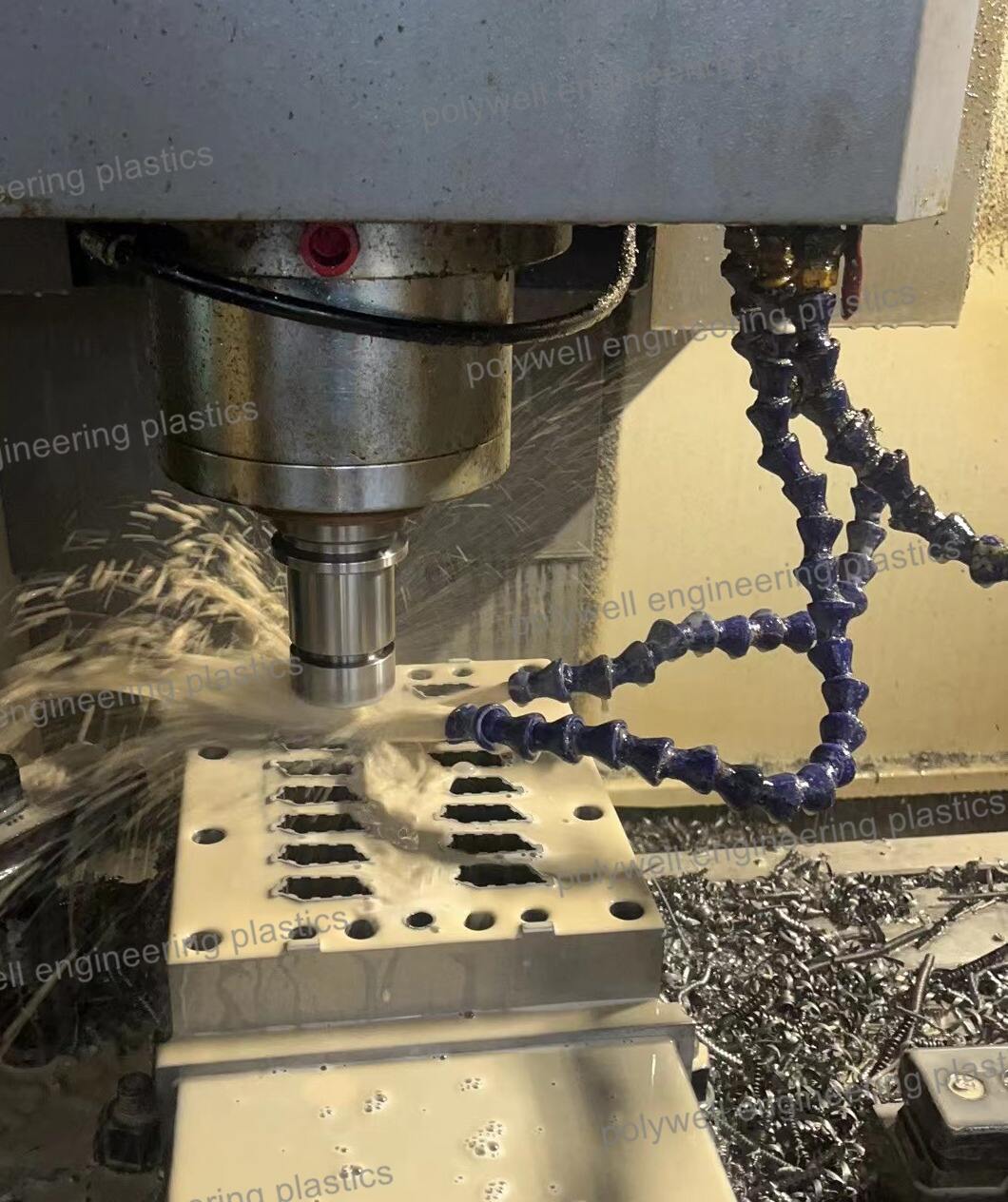
3D mold design represents a fundamental shift in tooling development, leveraging advanced computer-aided design (CAD) and engineering (CAE) software to create highly precise and optimized mold systems. This digital approach enables designers to construct detailed virtual prototypes of the entire mold assembly, including complex core and cavity geometries, sophisticated cooling channel layouts, ejection systems, and sliding mechanisms for undercuts. The process begins with a comprehensive analysis of the part design, identifying potential manufacturing challenges such as thick sections that may cause sink marks, sharp corners that create stress concentrations, or inadequate draft angles that hinder part ejection. Through sophisticated simulation software, engineers can perform mold flow analysis to predict how molten plastic will fill the cavity, identifying potential weld lines, air traps, and areas of uneven packing. Thermal analysis ensures optimal cooling channel placement to maintain consistent temperature distribution, crucial for reducing cycle times and preventing warpage. The integration of 3D printing technologies allows for rapid prototyping of mold components, enabling physical validation of complex mechanisms before committing to expensive machining operations. Modern 3D mold design also incorporates considerations for manufacturability, with designers selecting appropriate mold materials based on production requirements, whether for short-run prototypes using aluminum or high-volume production using hardened steel. Collaboration tools facilitate seamless communication between designers, engineers, and manufacturers across global teams, ensuring design intent is maintained throughout the production process. The result is a comprehensive digital twin of the physical mold that can be optimized iteratively, significantly reducing development time and cost while improving final part quality and manufacturing efficiency.
22
Nov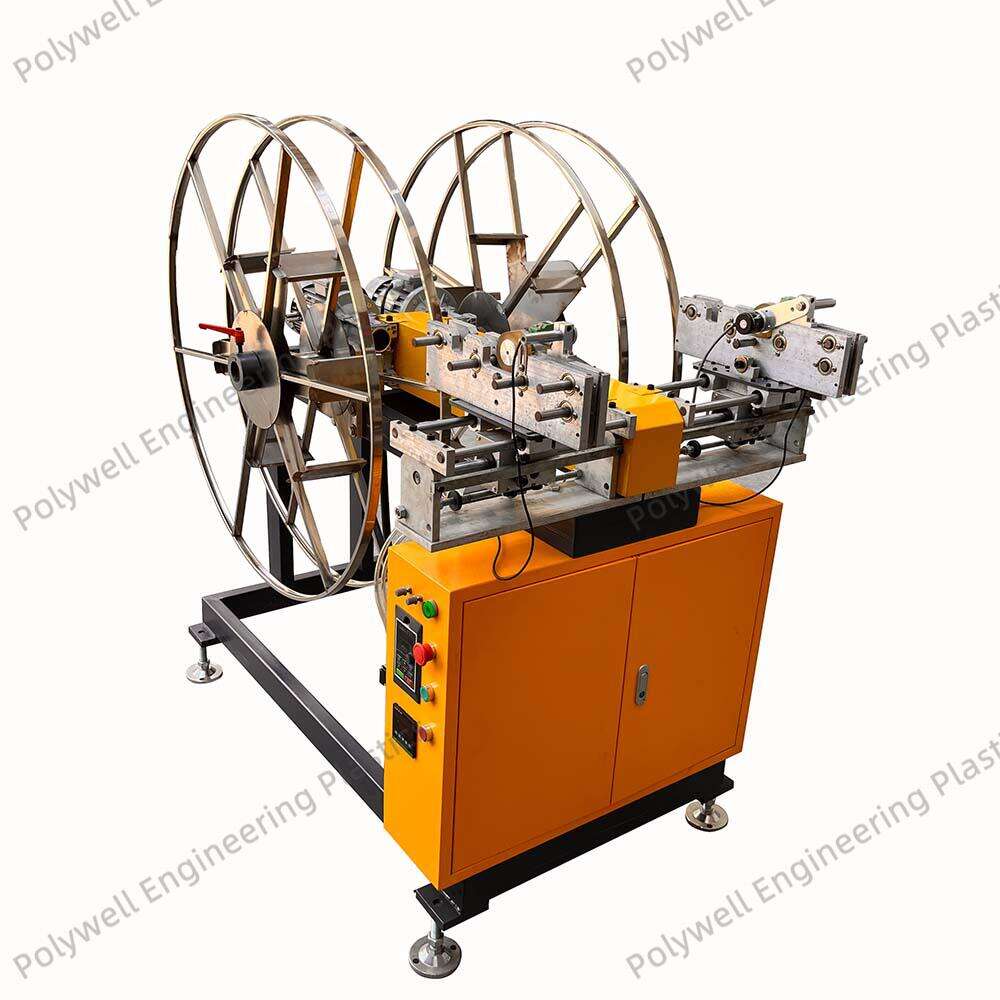
28
Mar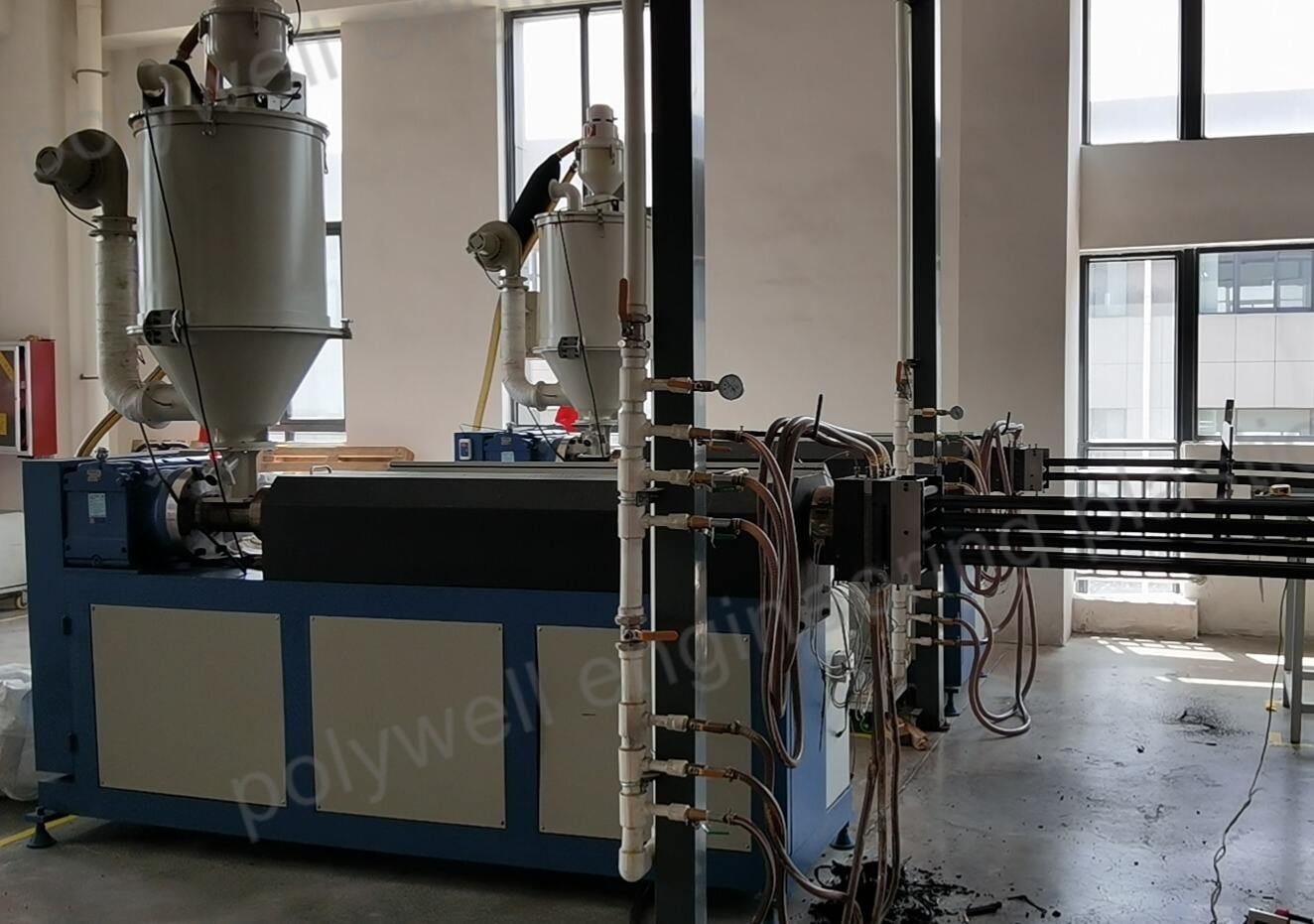
10
Jun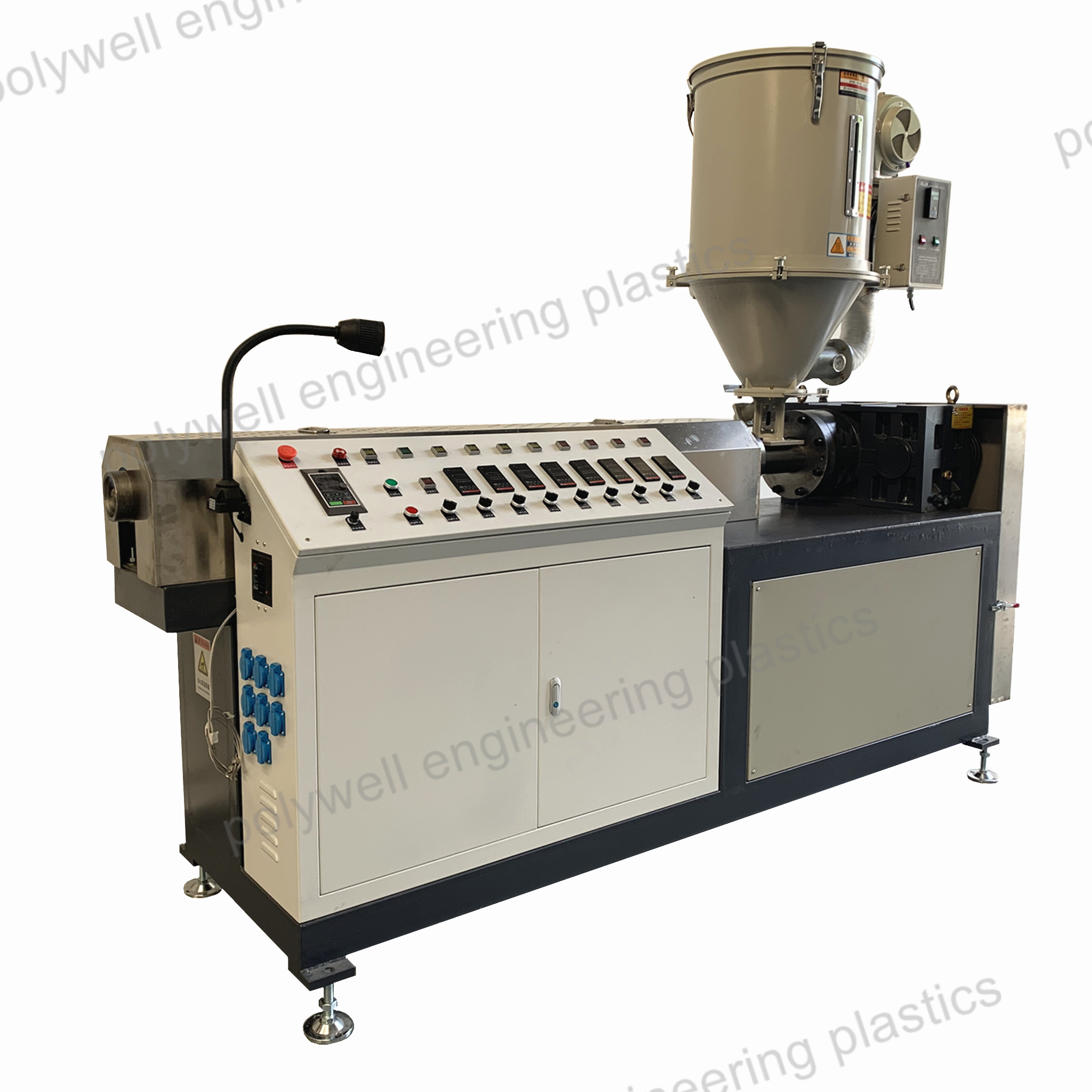
21
Aug

POLYWELL specializes in PA66 thermal insulation strips, offering polyamide granules, extruders, molds, winding machines, and comprehensive one-stop customization services.
Jinfeng Town, Zhangjiagang City, Suzhou City, Jiangsu Province, China
Copyright © 2024 Suzhou Polywell Engineering Plastics Co.,Ltd Privacy Policy