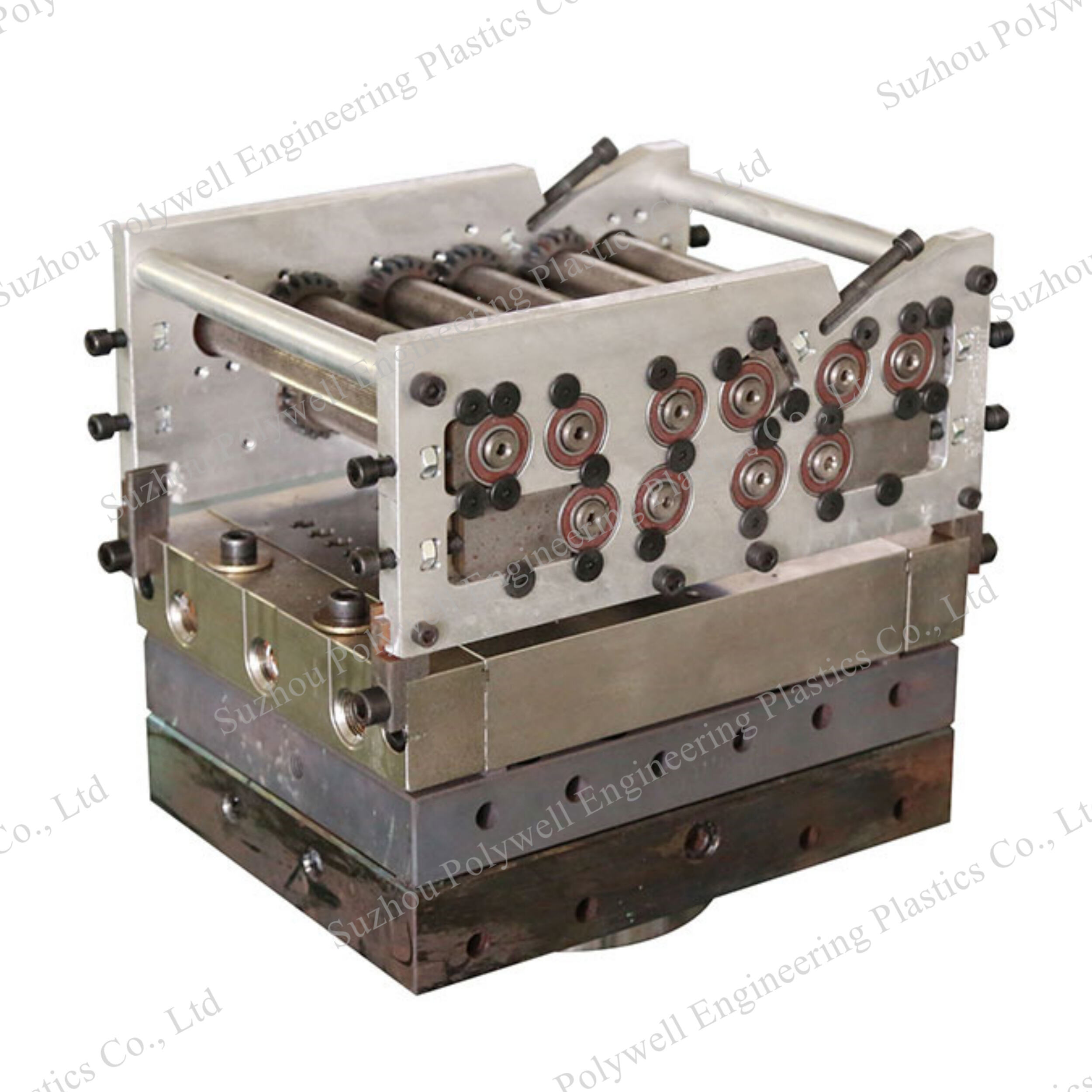
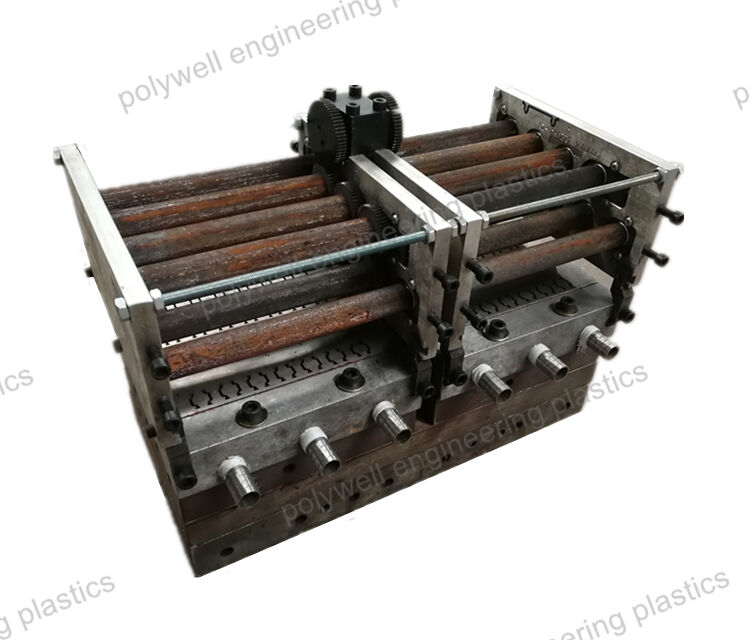
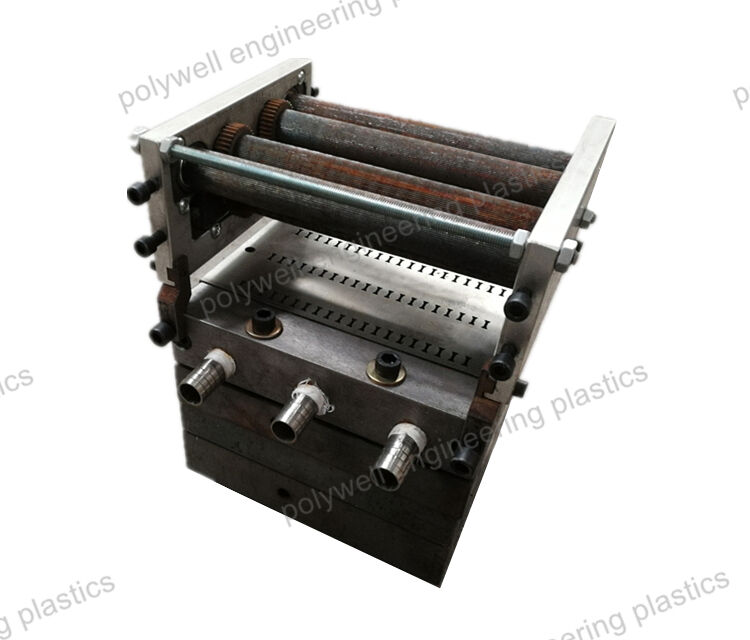
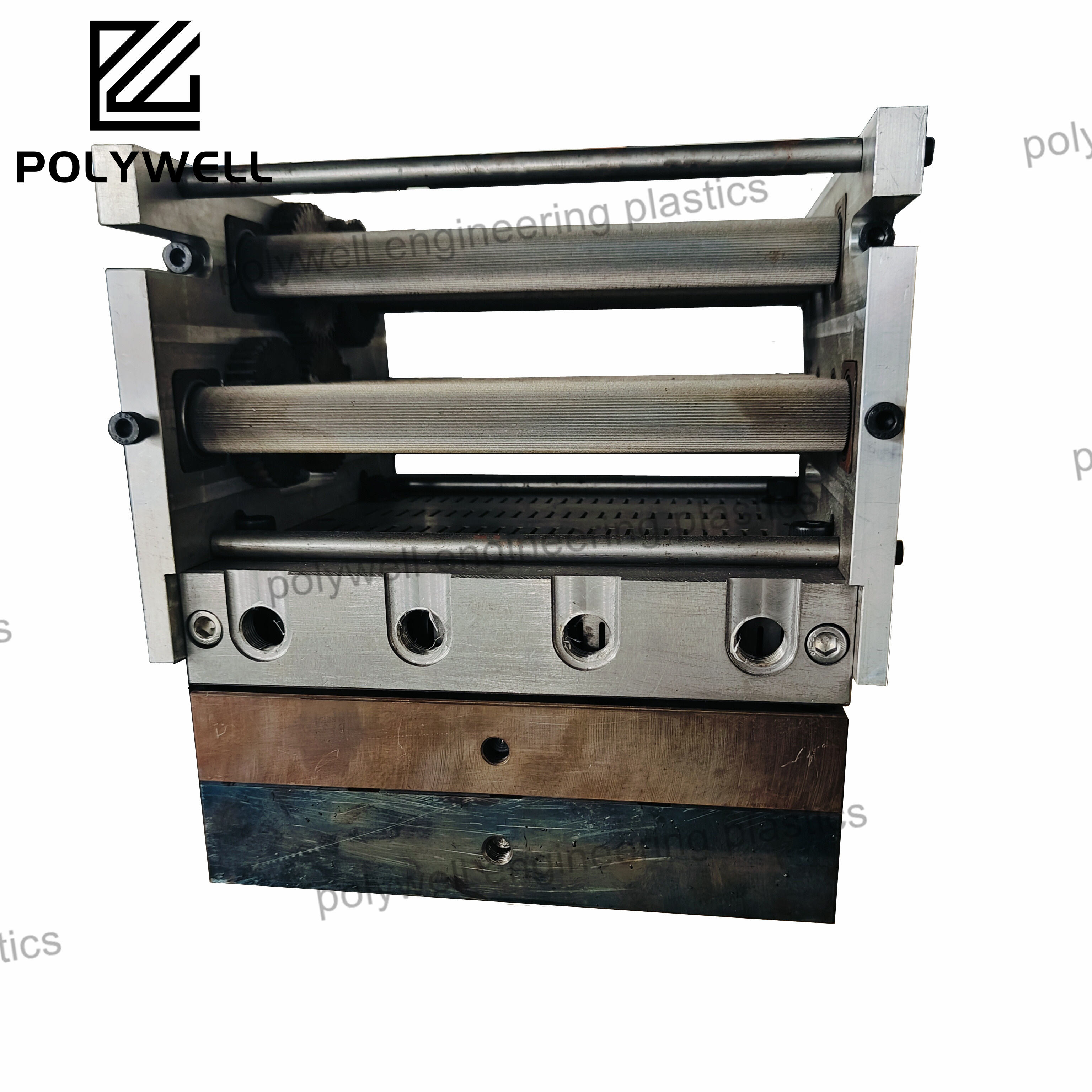
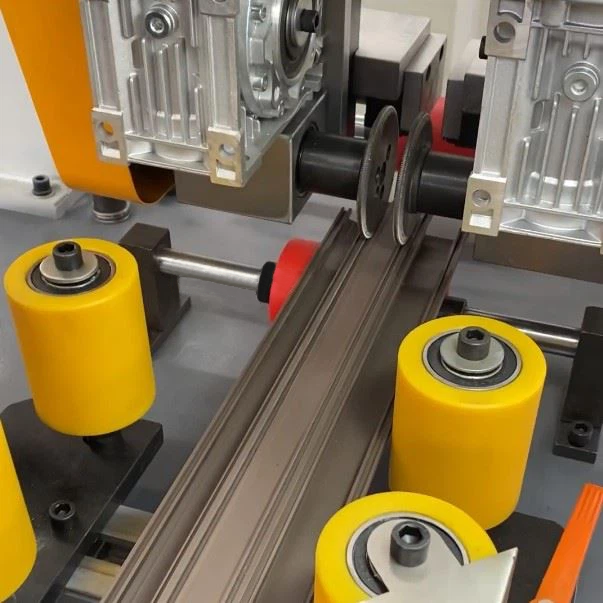
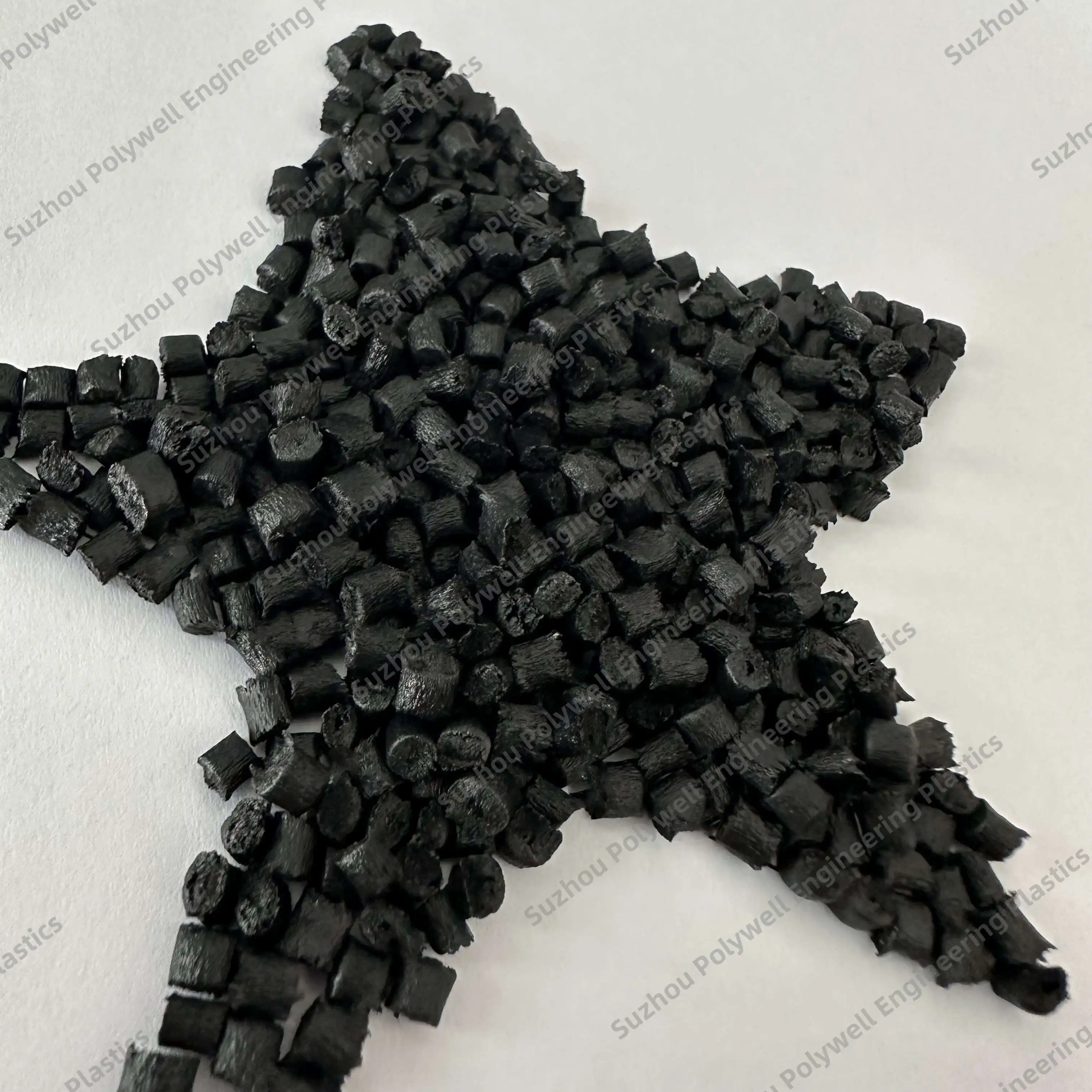
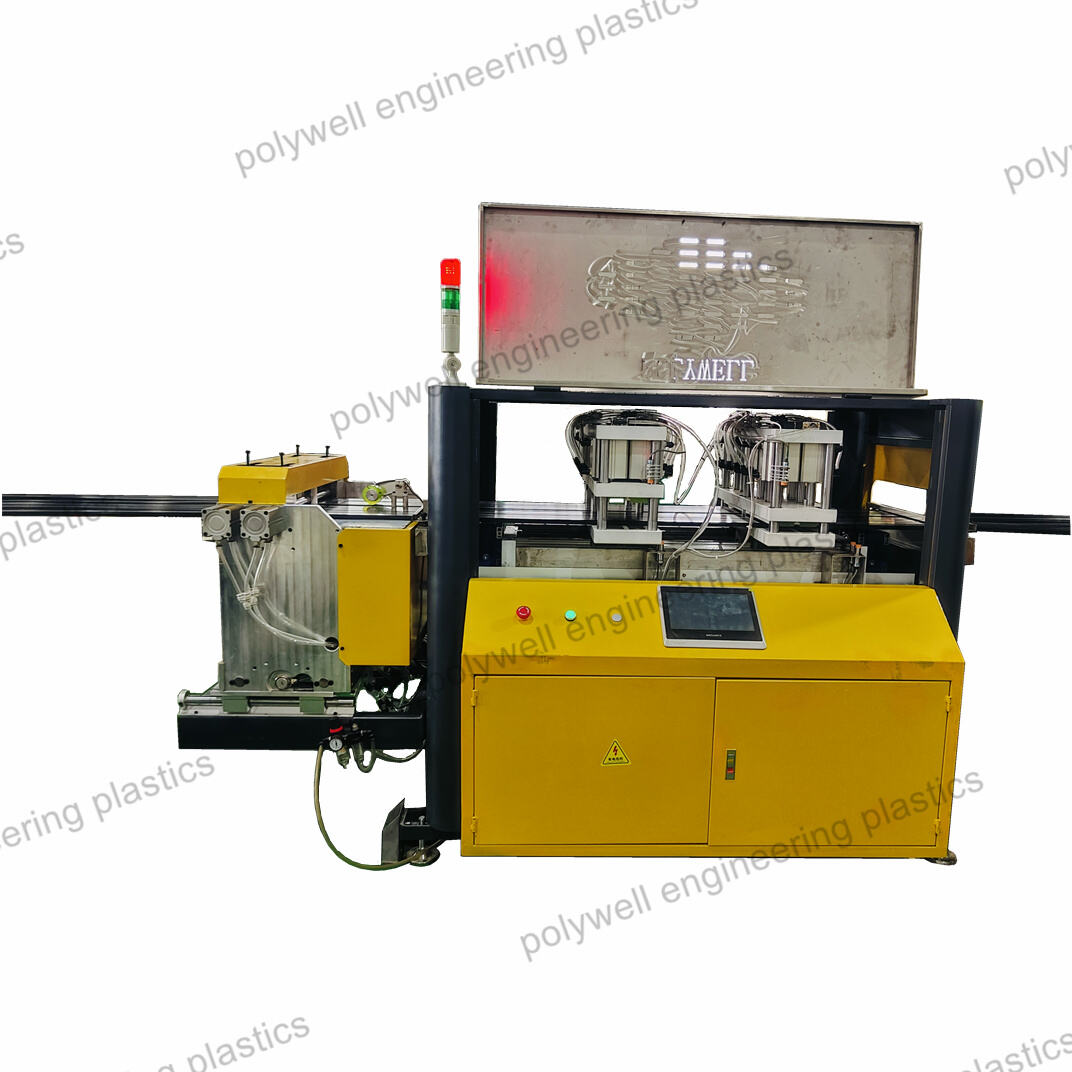
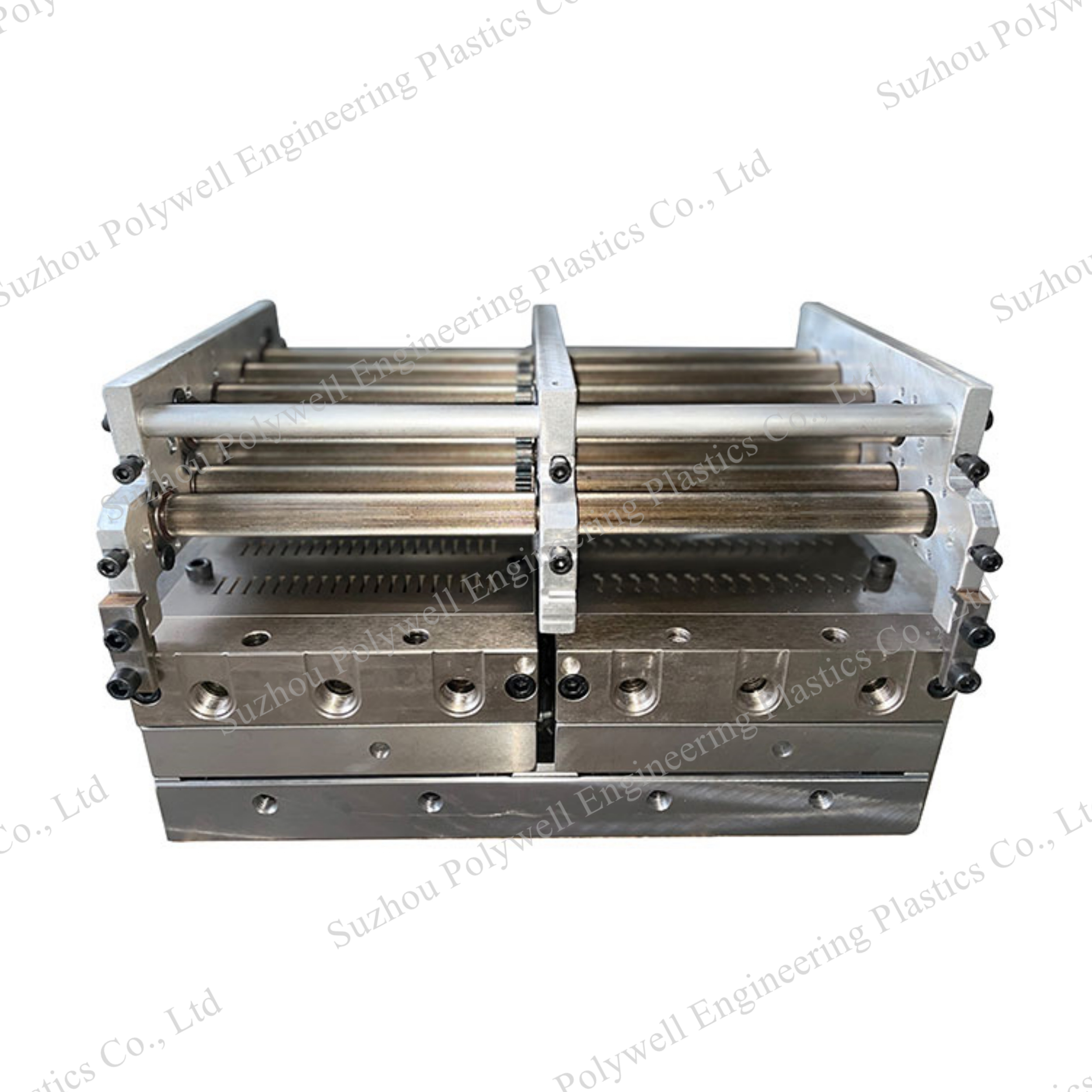
Advanced 3D Molding Machine: Models, Features & Application Guide
This page provides a comprehensive overview of advanced 3D molding machines, including desktop and industrial grade models. It outlines key machine features such as precision control systems, multi material compatibility, and rapid prototyping capabilities, enabling users to select equipment that aligns with their production scale (prototyping, small batch, or mass production). The content covers application scenarios of 3D molding machines in industries like aerospace, medical devices, and consumer products, along with operational tips for optimizing molding efficiency. It also includes comparisons of different machine types, technical specifications, and after sales support information, making it a practical resource for businesses investing in 3D molding technology.
Get A Quote

 EN
EN