
 EN
EN


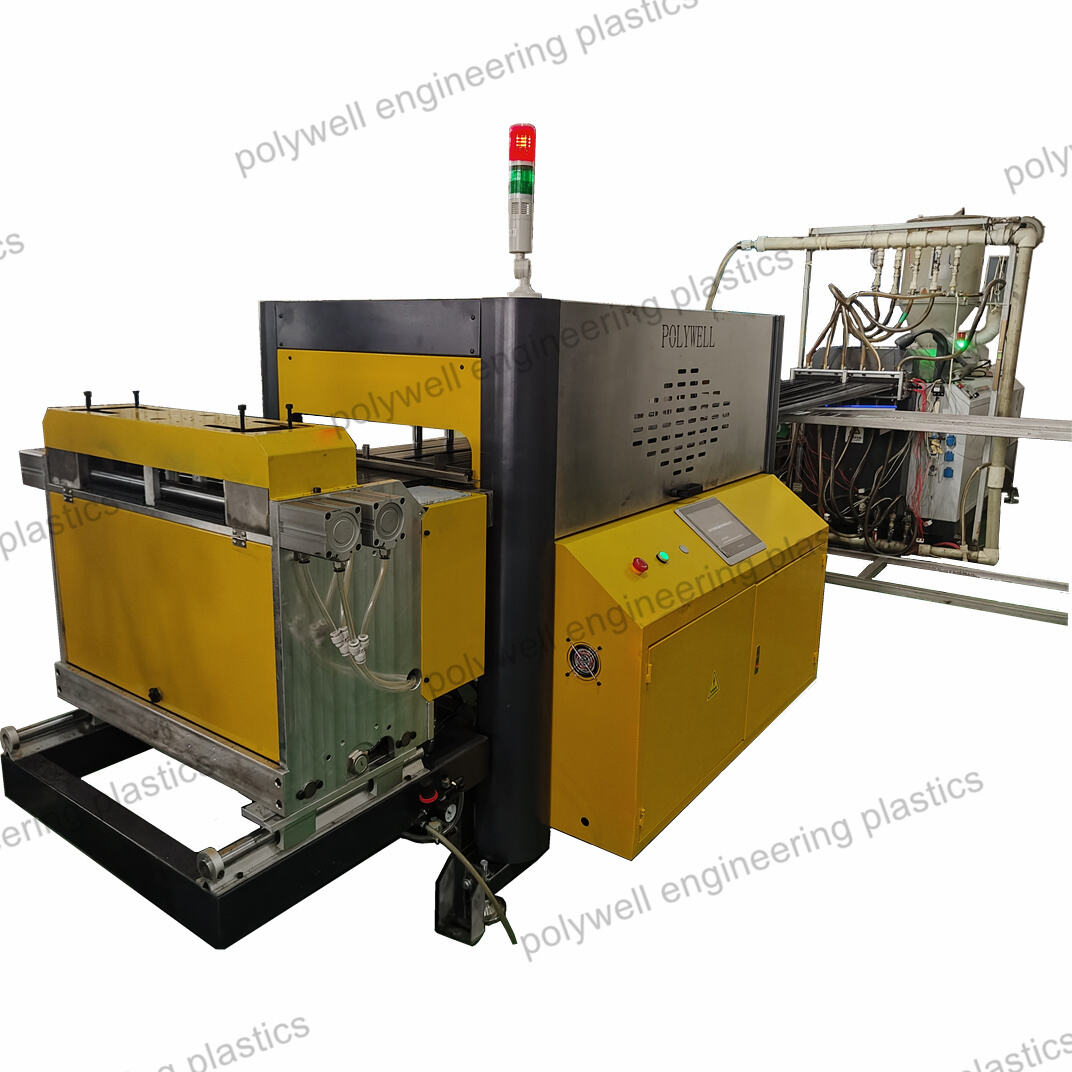
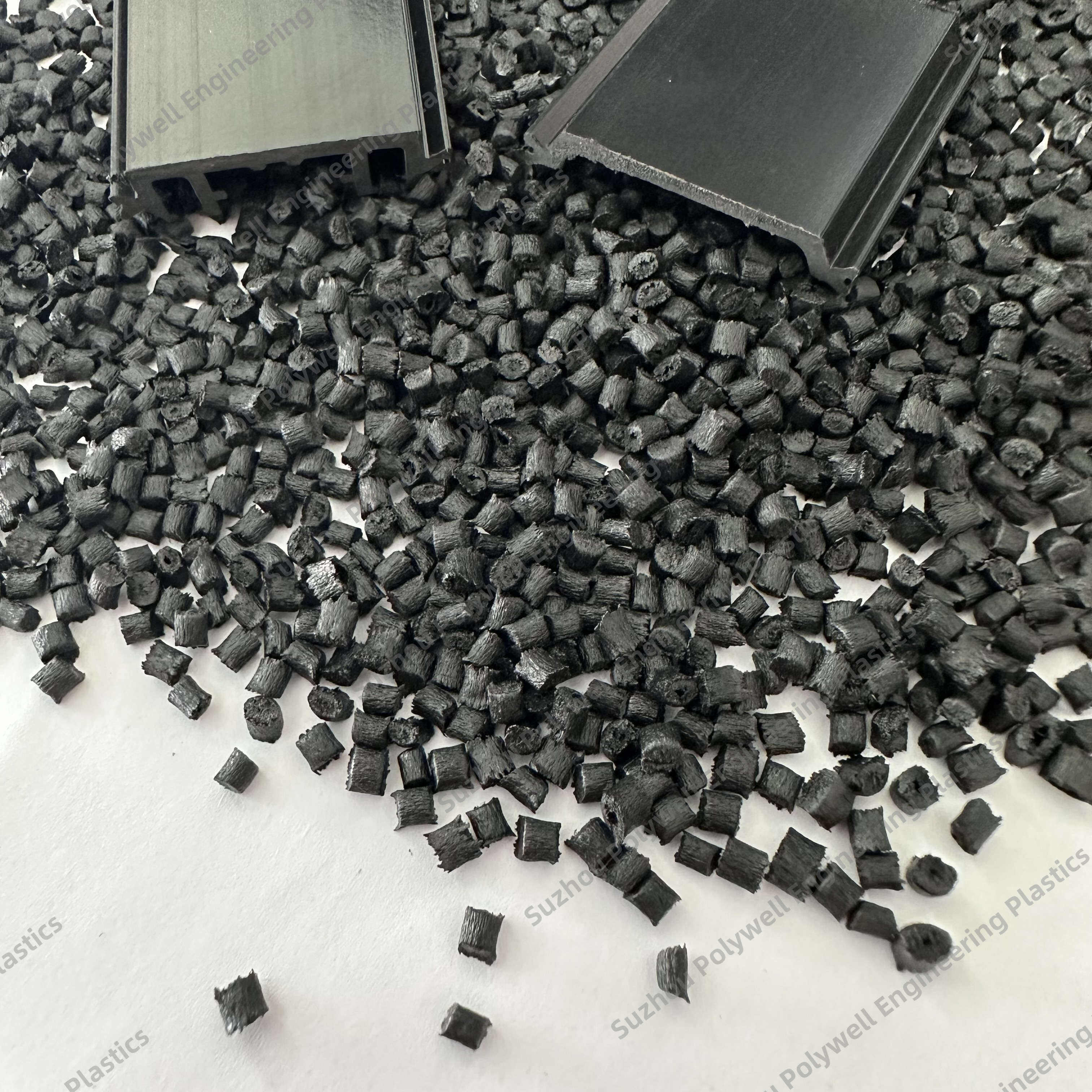
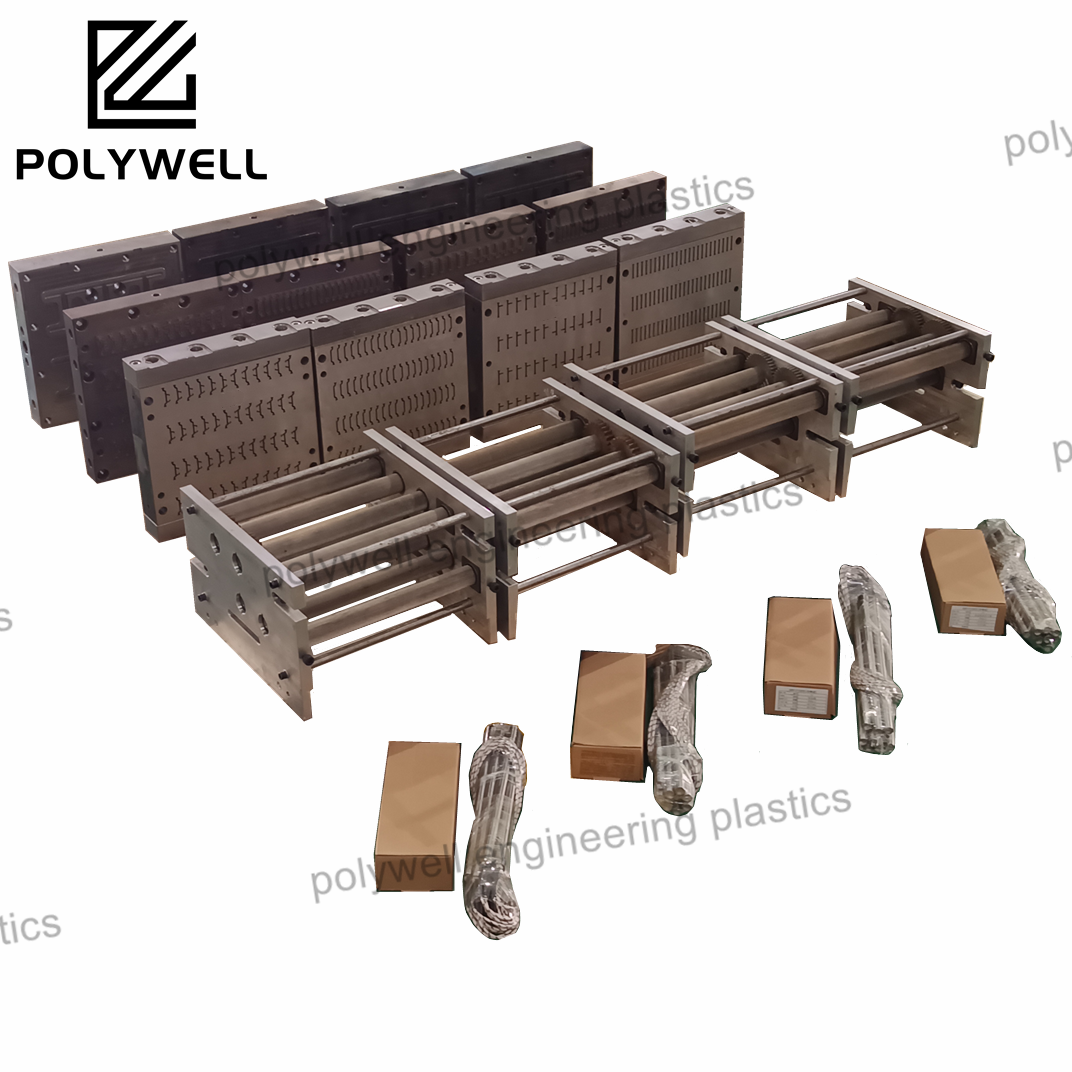
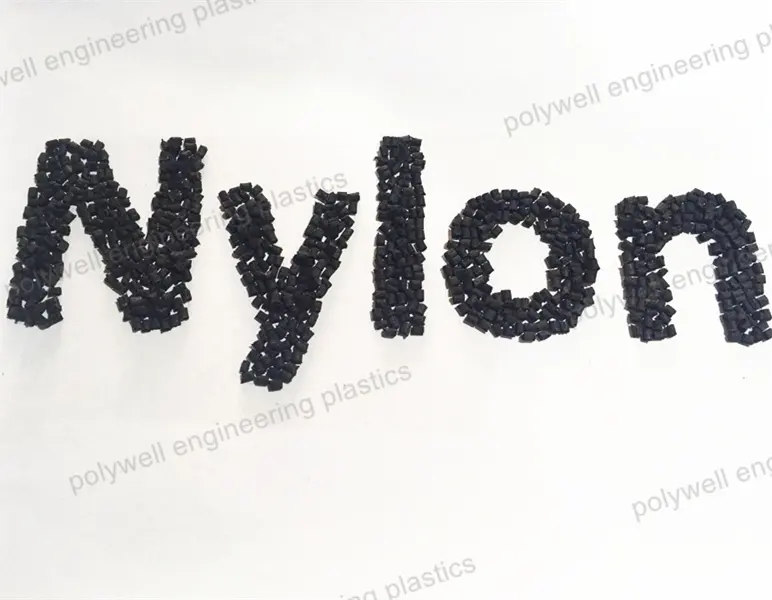
Applications of Polyamide Granules in Various Industries
POLYWELL offers high-quality polyamide granules used in automotive, electronics, textiles, and construction, ensuring strength and durability.
View More
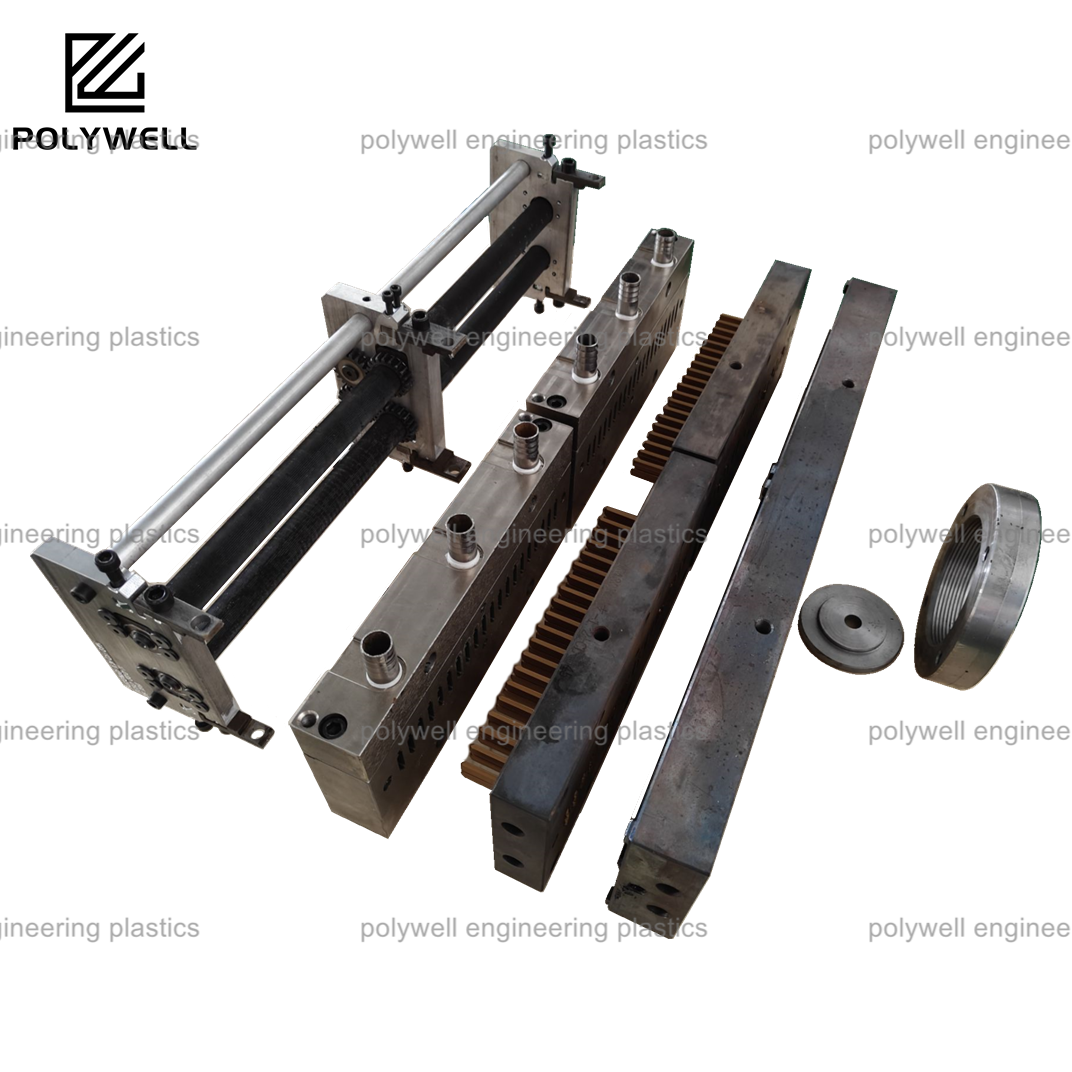
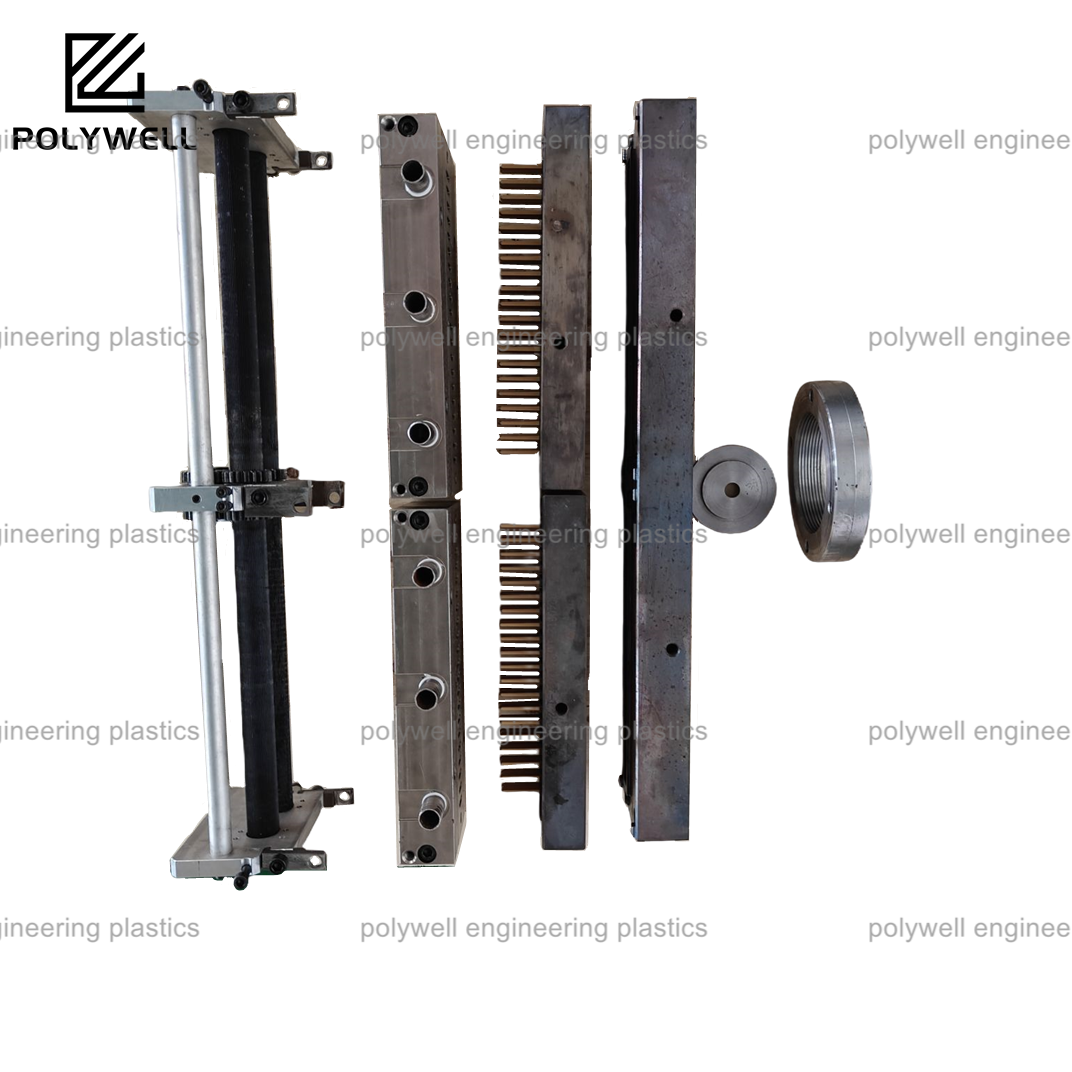
Die casting mould design represents a sophisticated engineering discipline focused on creating robust tooling systems for producing metal components with high dimensional accuracy and excellent surface finish. This process involves forcing molten metal under high pressure into a precision-engineered steel cavity. The design process begins with comprehensive analysis of the part geometry, identifying potential issues like air entrapment, shrinkage porosity, and thermal stresses. Critical design elements include the feeding system (sprue, runners, and gates) which must be optimized to ensure laminar flow and minimize turbulence, reducing oxide formation and defect potential. The gating system design directly impacts metal velocity and cavity filling patterns, requiring careful balancing to achieve proper venting while preventing premature solidification. Cooling channel design is paramount, with strategically placed lines following the mould contours to extract heat uniformly, control solidification patterns, and minimize cycle times. Ejection system engineering must account for part shrinkage and adherence to core surfaces, incorporating pins, sleeves, and stripper plates positioned to avoid surface damage. For complex geometries, movable cores and slides are integrated with precise actuation mechanisms. Material selection for mould components is critical, with premium hot-work tool steels like H13 being standard for their excellent thermal fatigue resistance and strength at elevated temperatures. Surface treatments such as nitriding or specialized coatings enhance wear resistance and prevent soldering of the cast alloy. Modern design practices extensively utilize computational fluid dynamics (CFD) to simulate mold filling and solidification, finite element analysis (FEA) for structural and thermal stress evaluation, and specialized software for predicting thermal balance and cooling efficiency. The design must also accommodate thermal expansion effects, provide adequate venting for air escape, and ensure maintainability throughout the tool's operational lifespan. Successful die casting mould design delivers a manufacturing system capable of producing millions of high-integrity components with consistent quality, making it fundamental to industries ranging from automotive and aerospace to consumer electronics and power tools.
18
Nov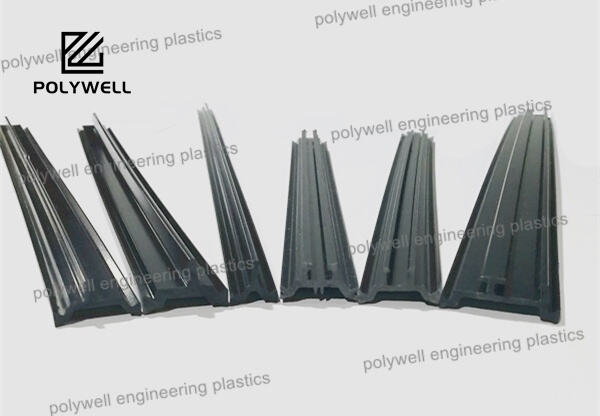
28
Mar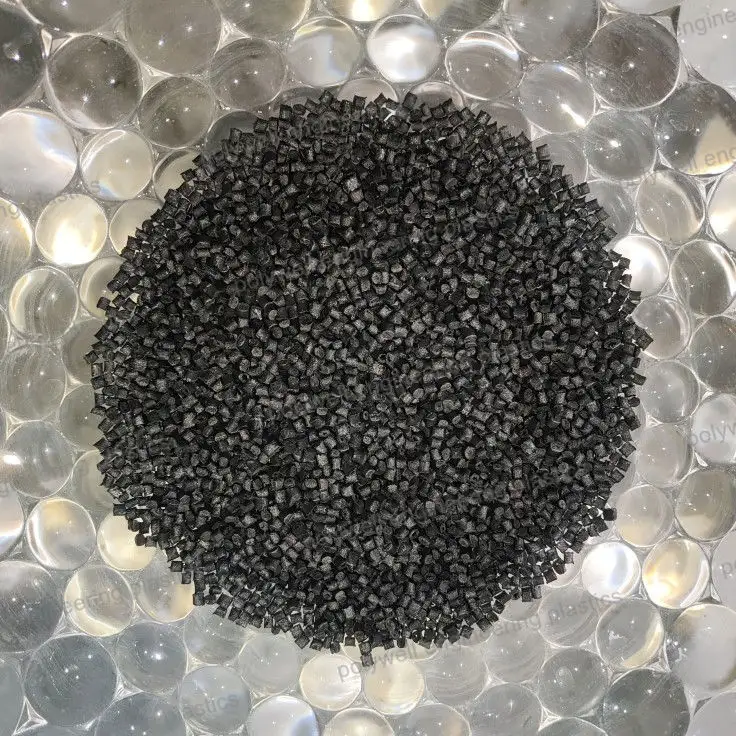
28
Mar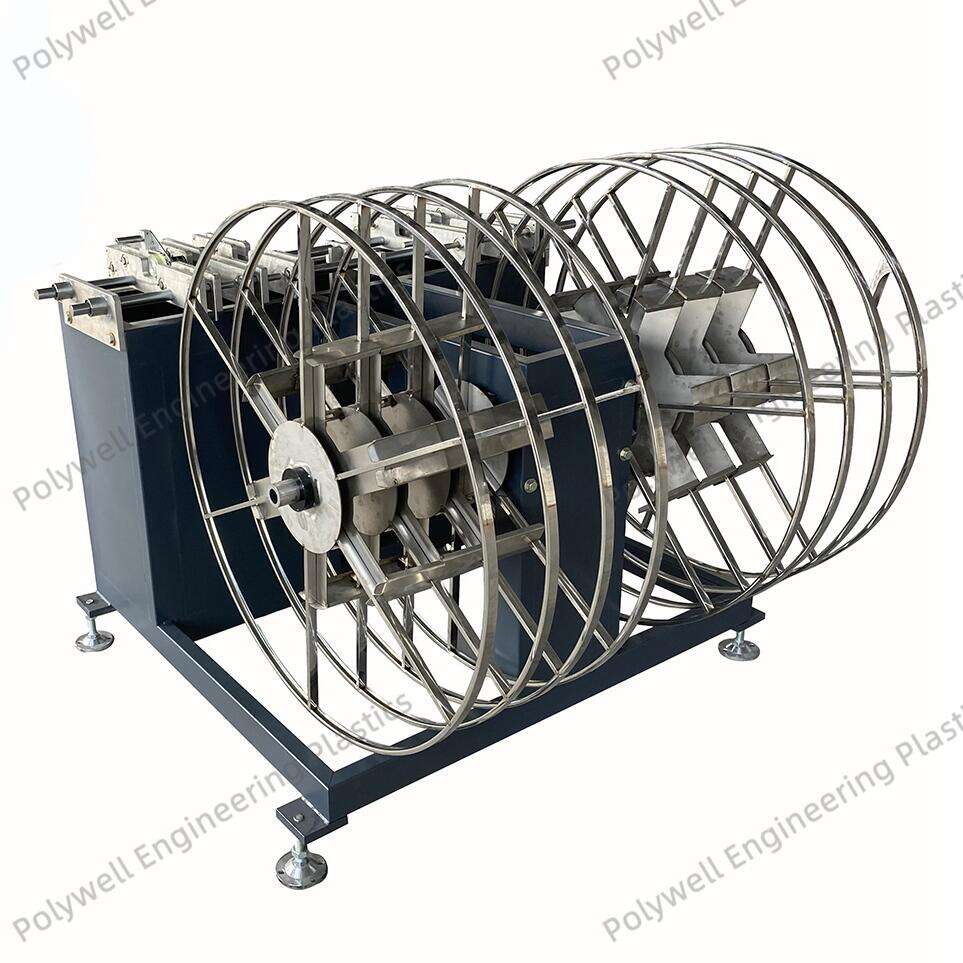
21
Apr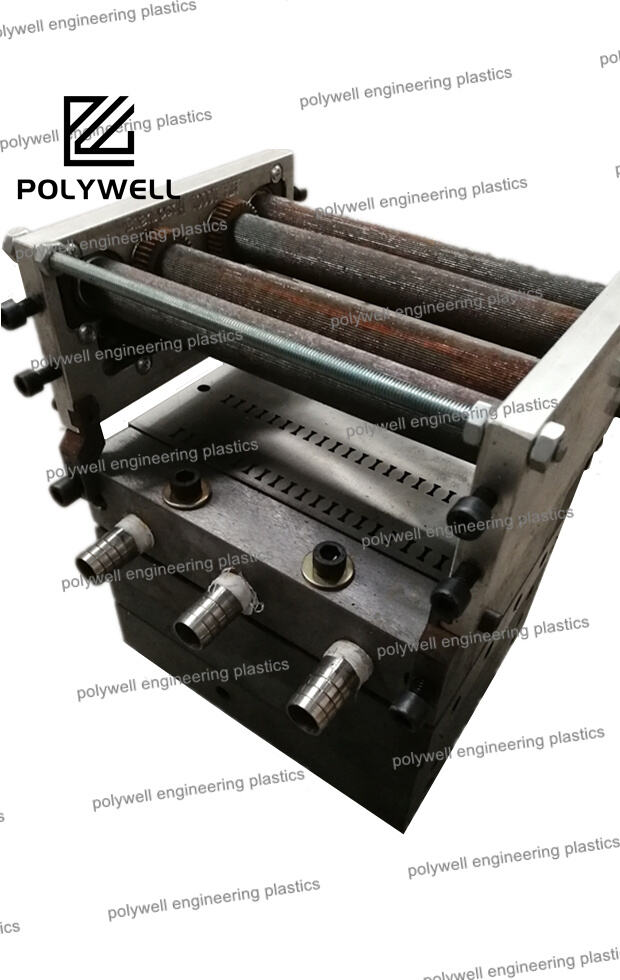

POLYWELL specializes in PA66 thermal insulation strips, offering polyamide granules, extruders, molds, winding machines, and comprehensive one-stop customization services.
Jinfeng Town, Zhangjiagang City, Suzhou City, Jiangsu Province, China
Copyright © 2024 Suzhou Polywell Engineering Plastics Co.,Ltd Privacy Policy