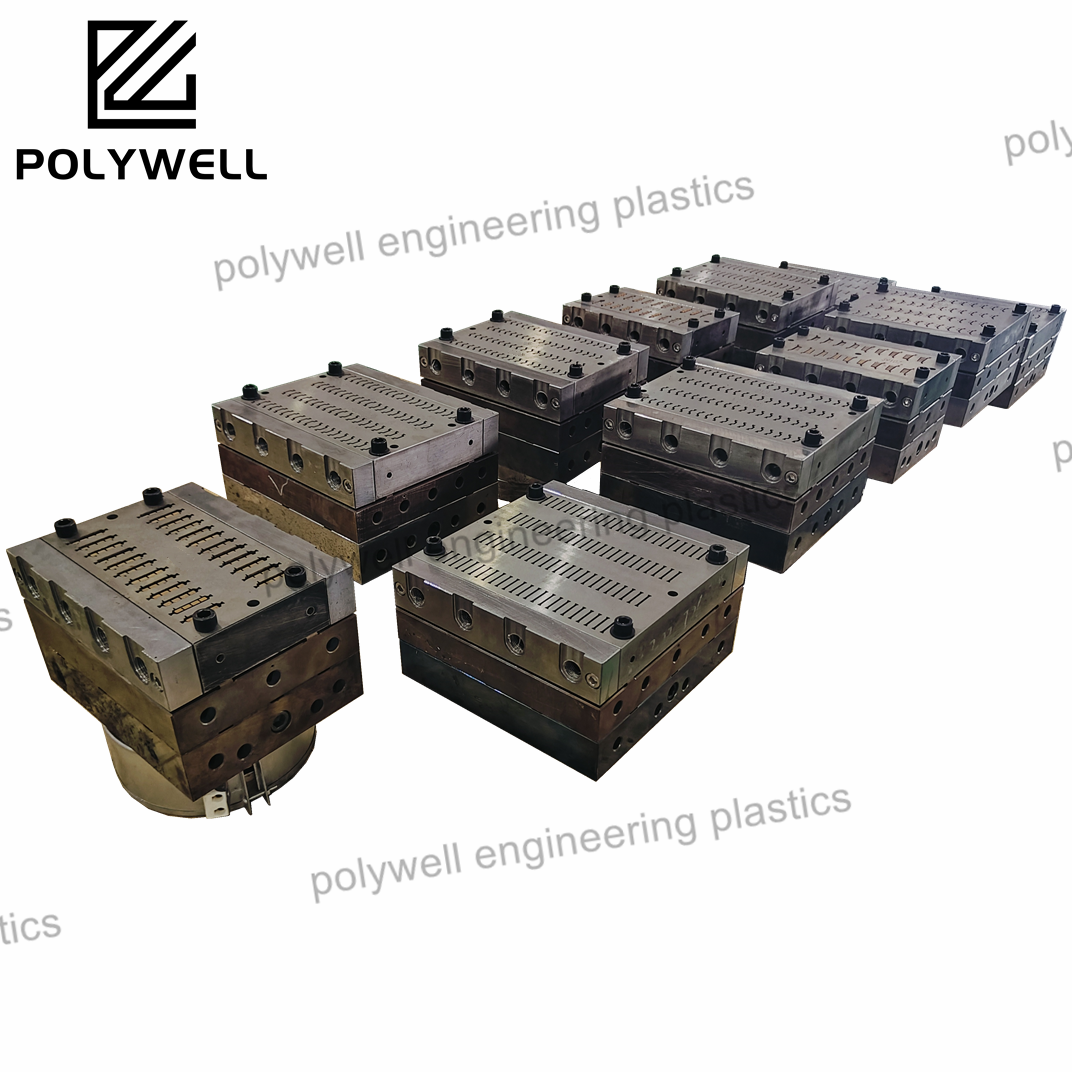
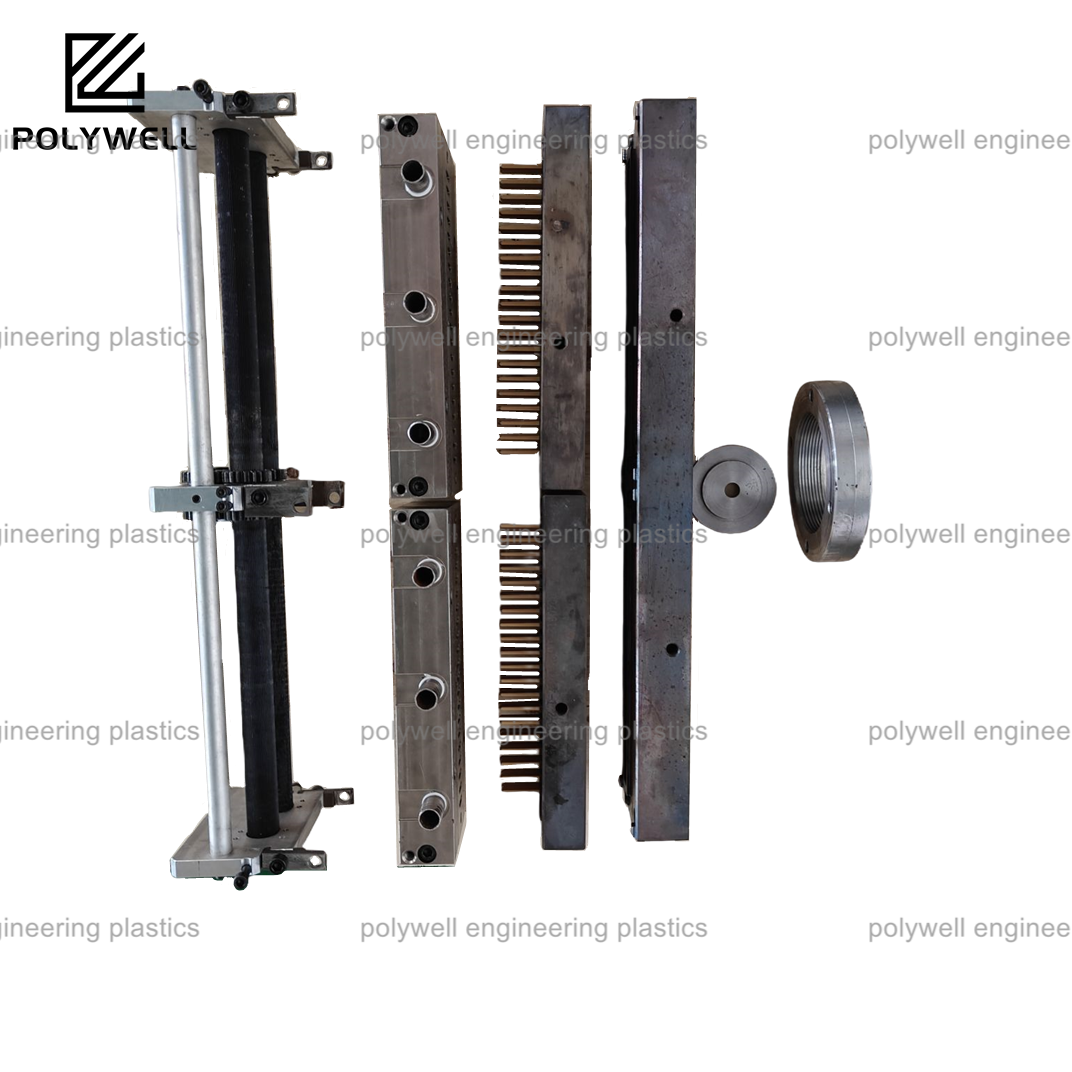
Custom Silicone Mold Design: High Temperature & Flexible Solutions
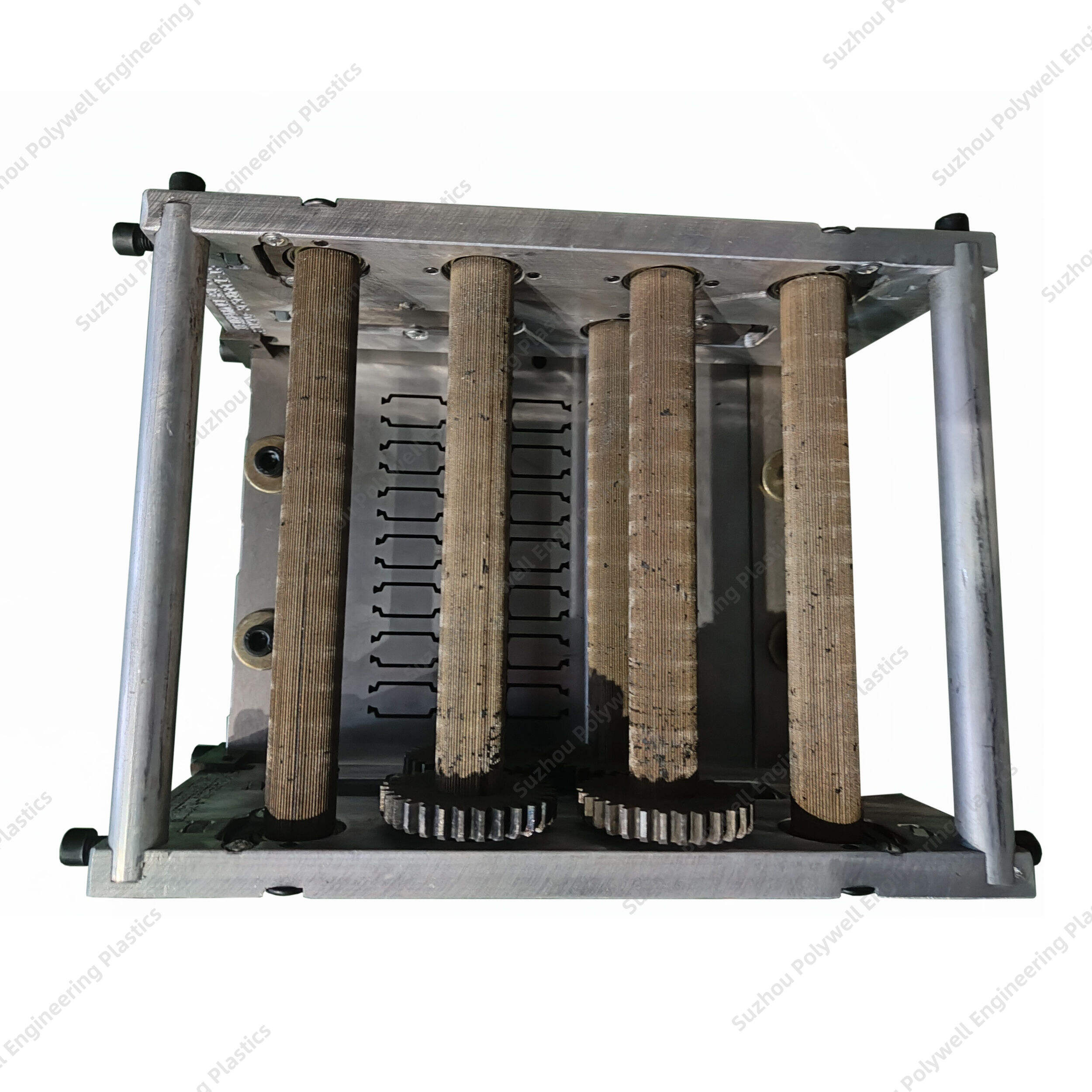
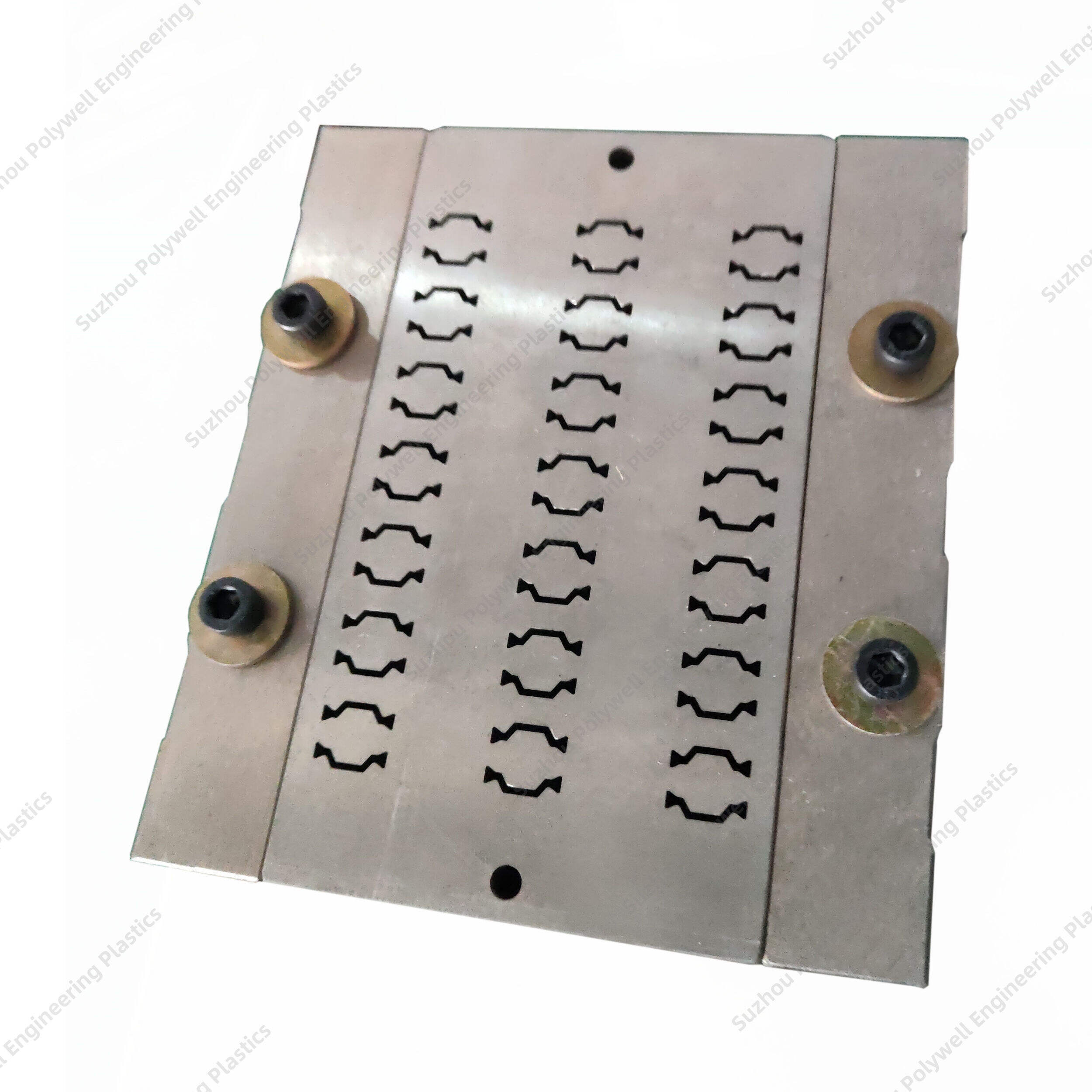
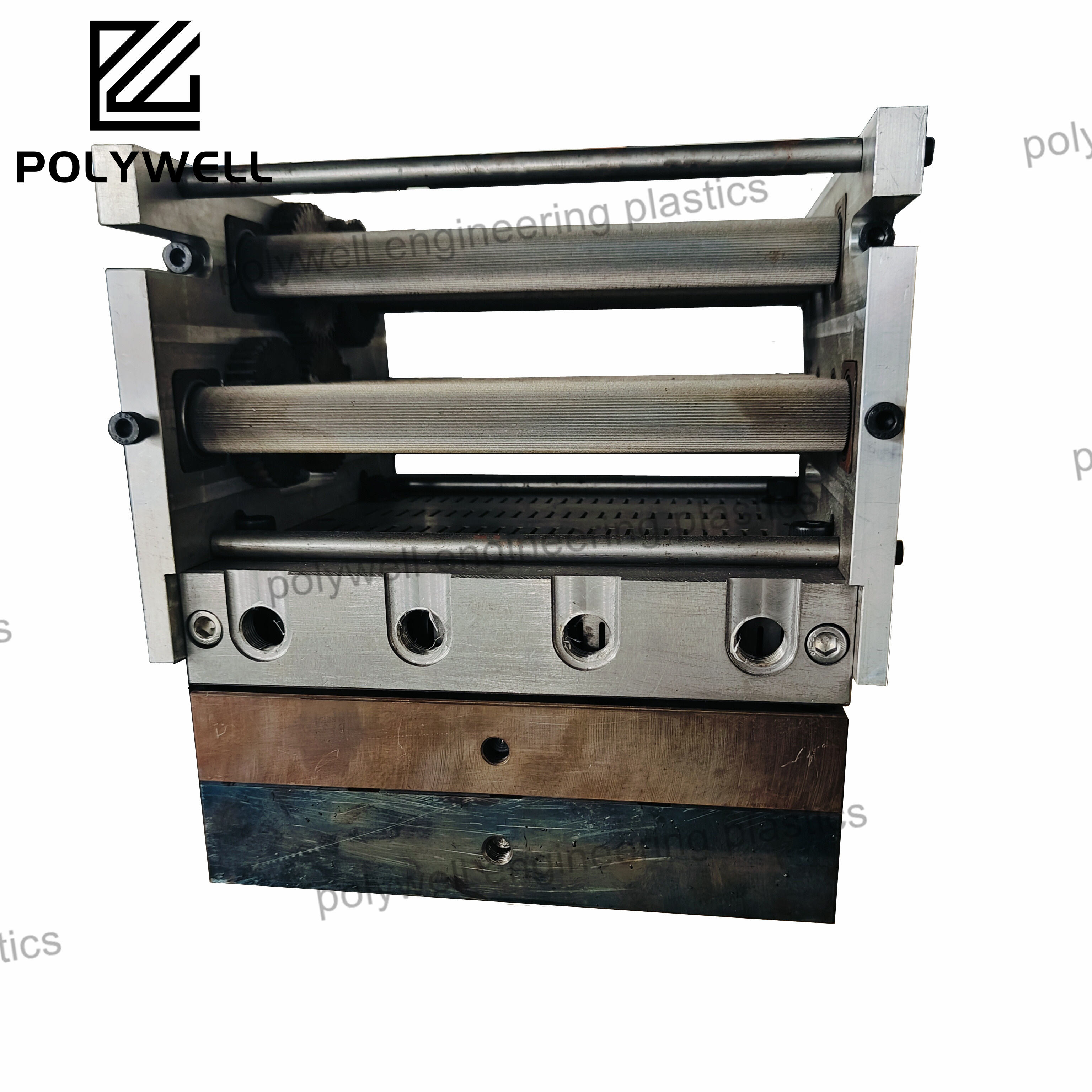
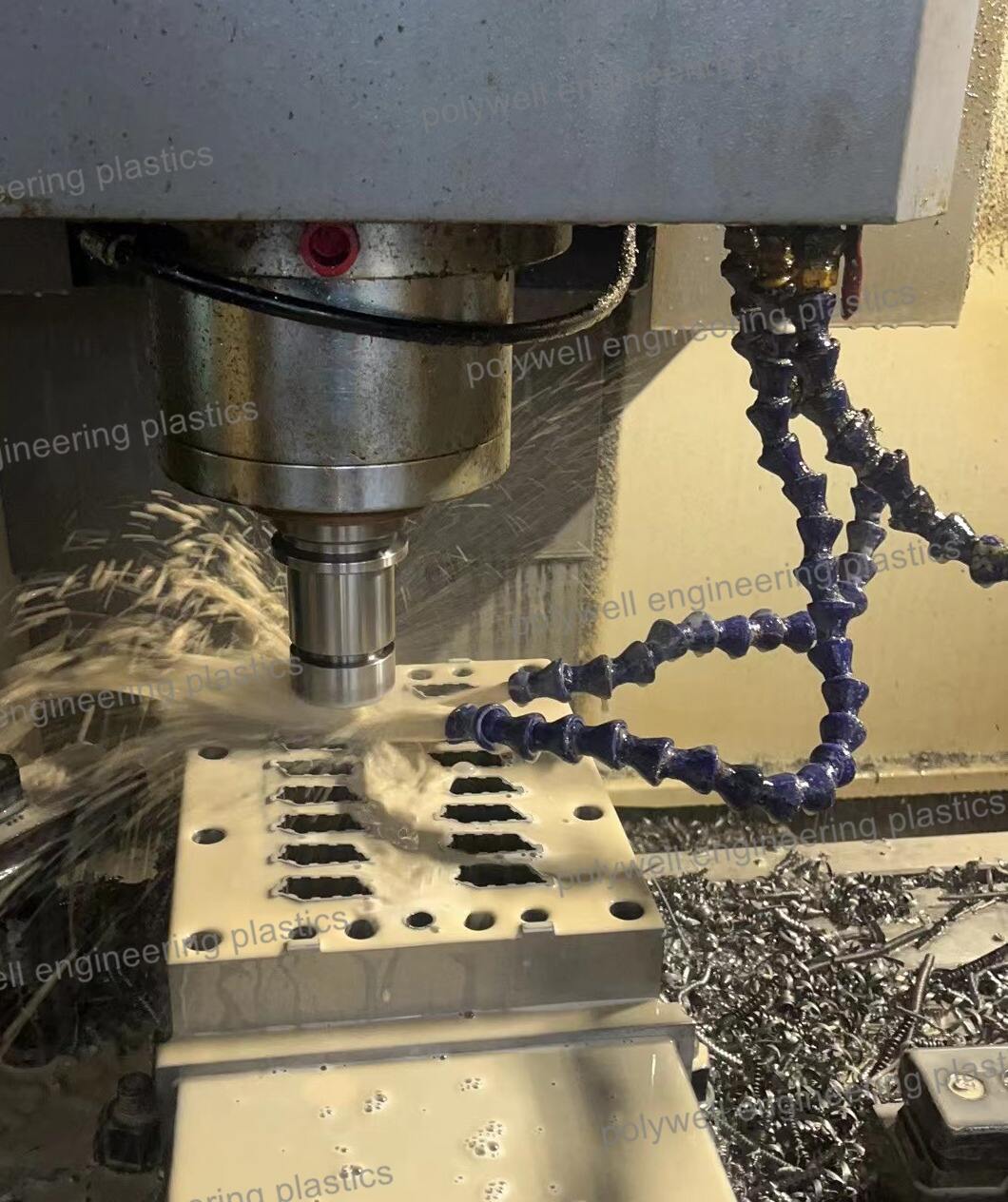
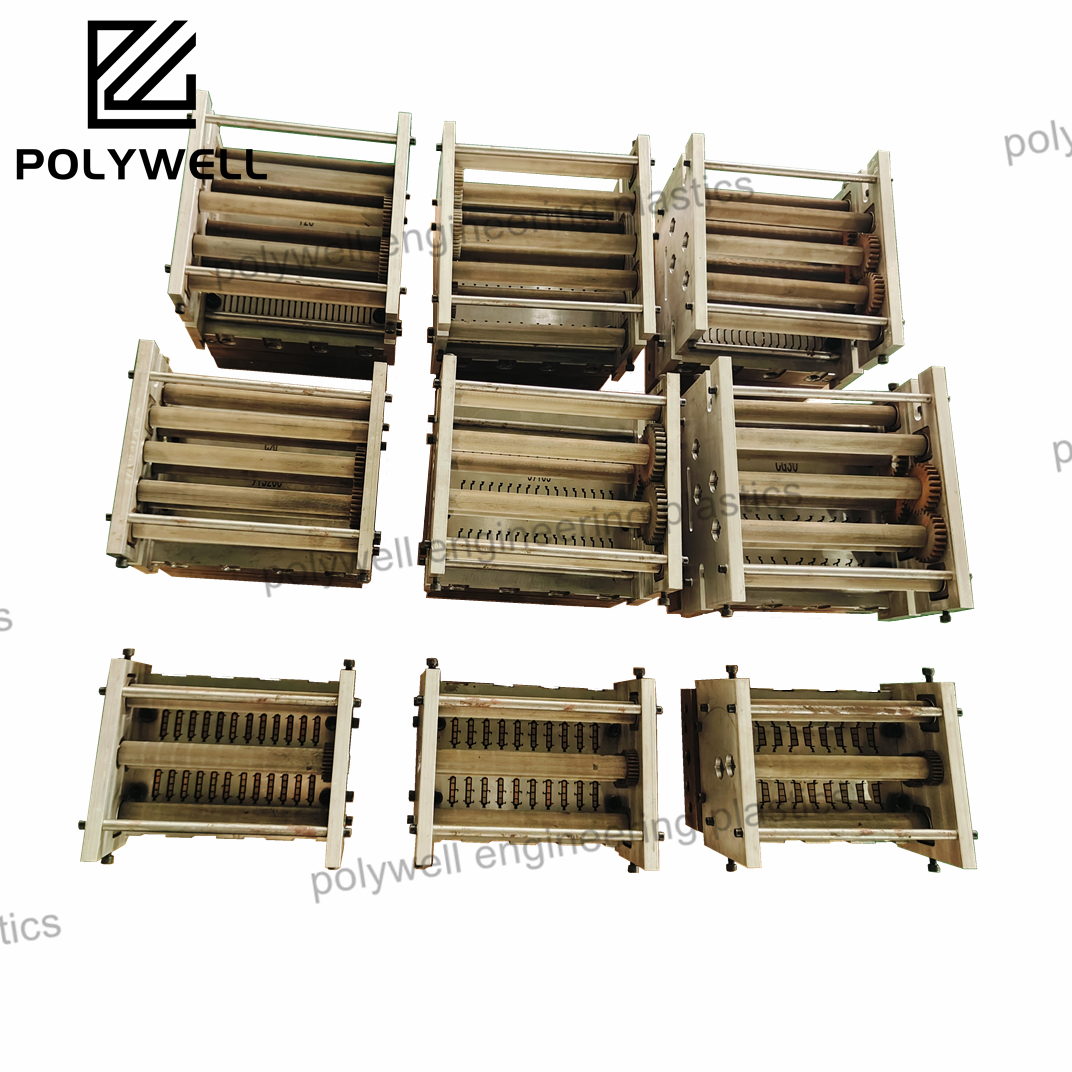
This page is dedicated to custom silicone mold design, specializing in molds suitable for high temperature, flexible, and food grade applications. It details the design process, including material selection (such as liquid silicone rubber and solid silicone), mold cavity design, and surface finish treatment to meet diverse user needs—from small scale crafts to industrial parts production. The description also emphasizes key design factors like mold durability, ease of demolding, and compatibility with different silicone molding processes (compression, injection, or transfer molding). It serves as a guide for individuals and businesses looking for tailored silicone mold design services, with insights into quality control and cost effective design strategies.
Get A Quote

 EN
EN