Advanced 3D Mould Design: Modeling, Simulation & Rapid Prototyping
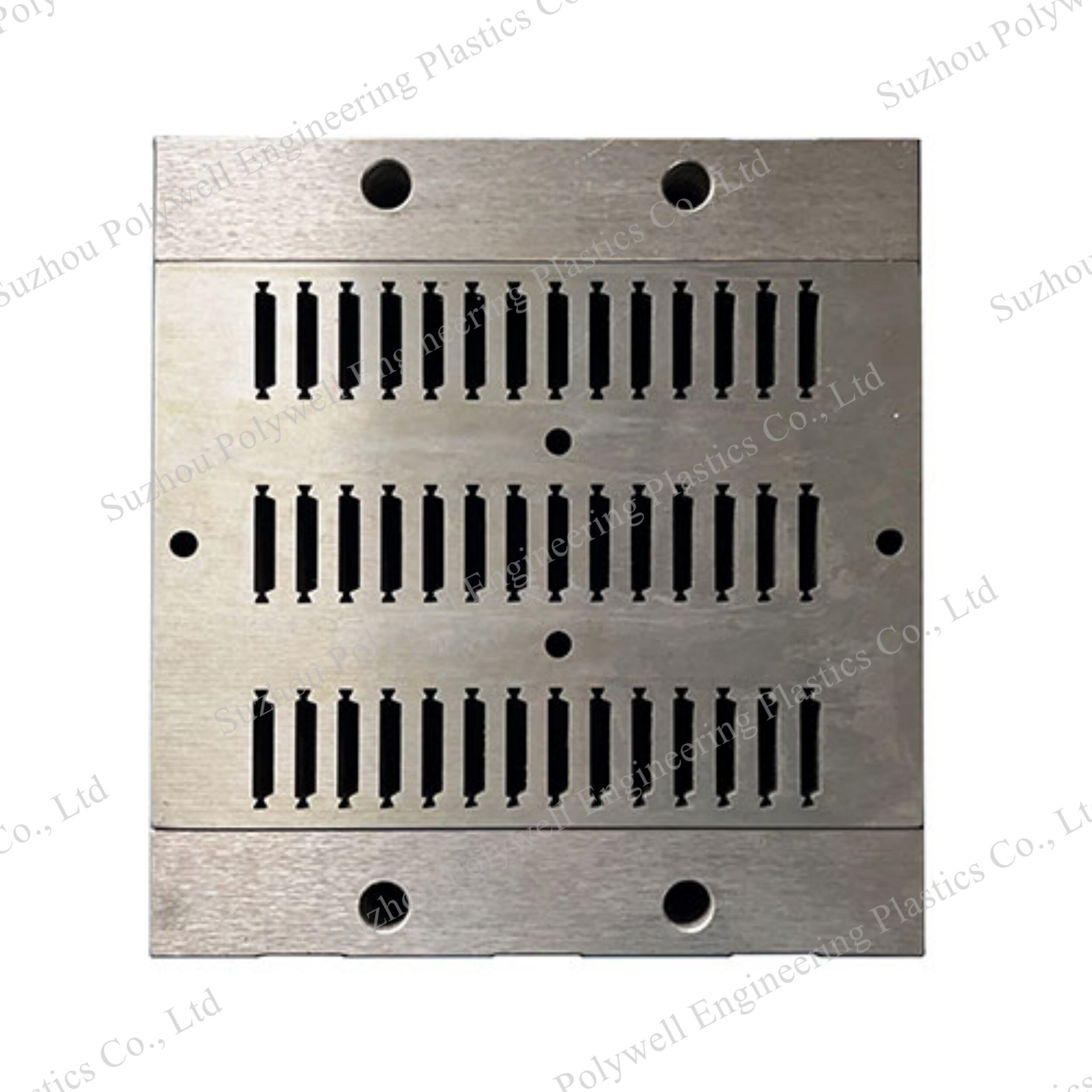
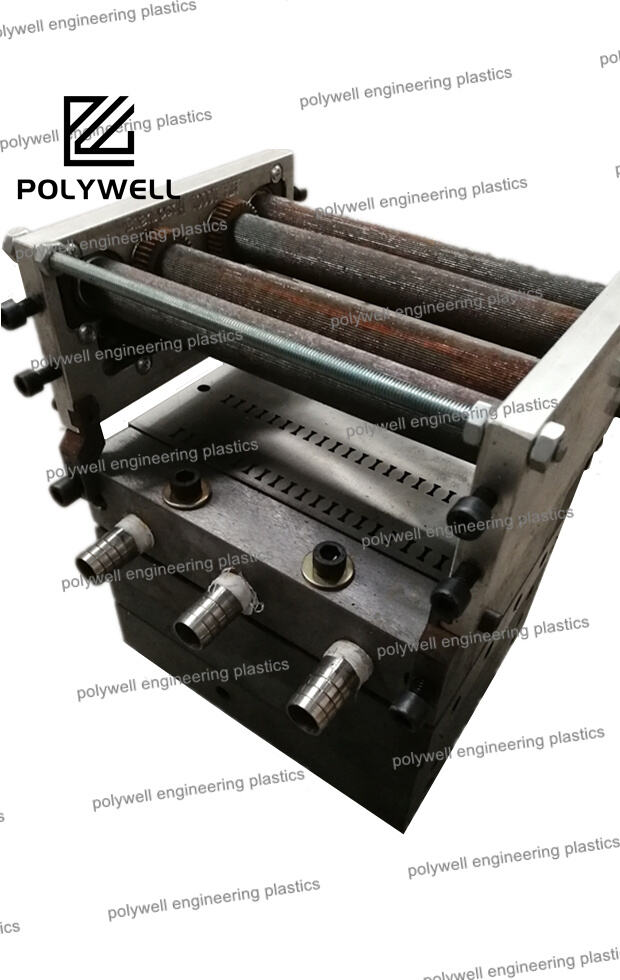
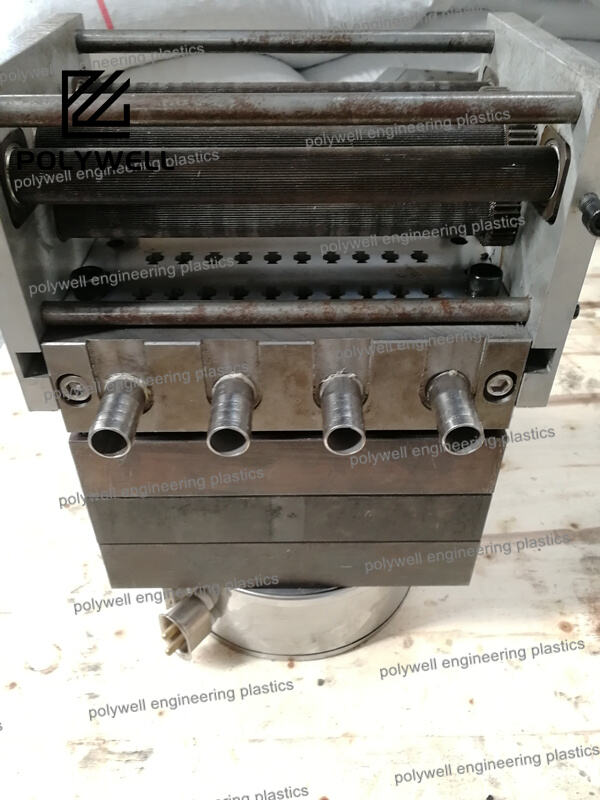
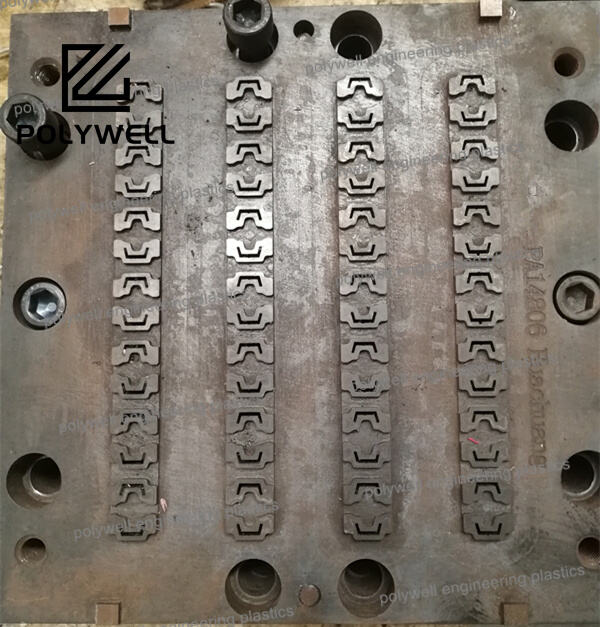
This page explores advanced 3D mould design, leveraging 3D modeling and simulation technologies to create precise, efficient molds for various manufacturing processes. It covers the 3D design workflow—from 3D scanning of product concepts to CAD modeling, mold flow simulation, and virtual prototyping—enabling designers to identify and resolve issues (e.g., poor material flow, uneven cooling) before physical mold production. The content highlights the advantages of 3D mould design, such as reduced design cycles, improved mold accuracy, and support for complex mold geometries (e.g., multi cavity, conformal cooling molds). It also includes application examples in industries like medical devices, electronics, and automotive, along with information on 3D design software and collaboration tools. This resource is valuable for mold designers and businesses adopting 3D technology to enhance their mold design capabilities.
Get A Quote

 EN
EN