 EN
EN


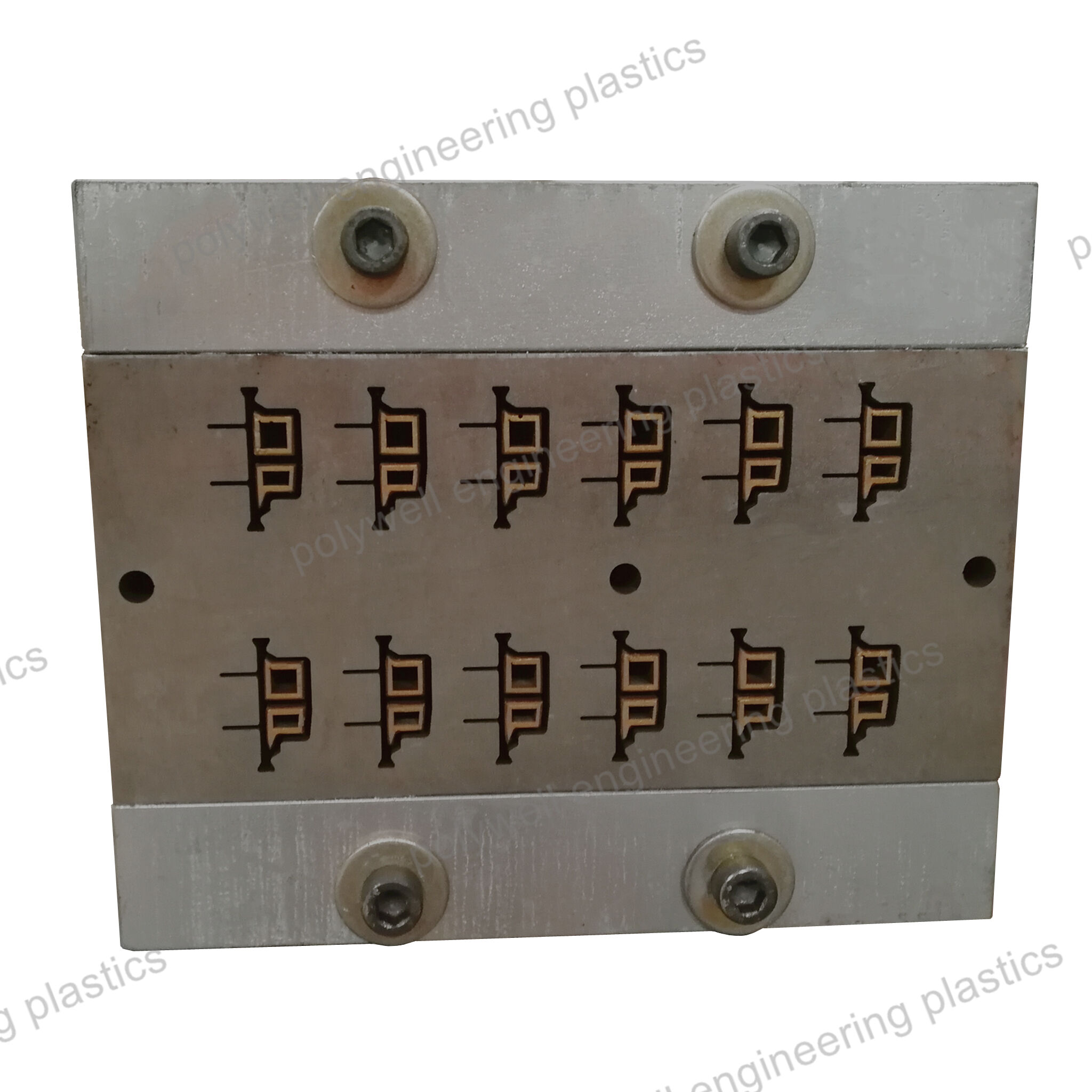
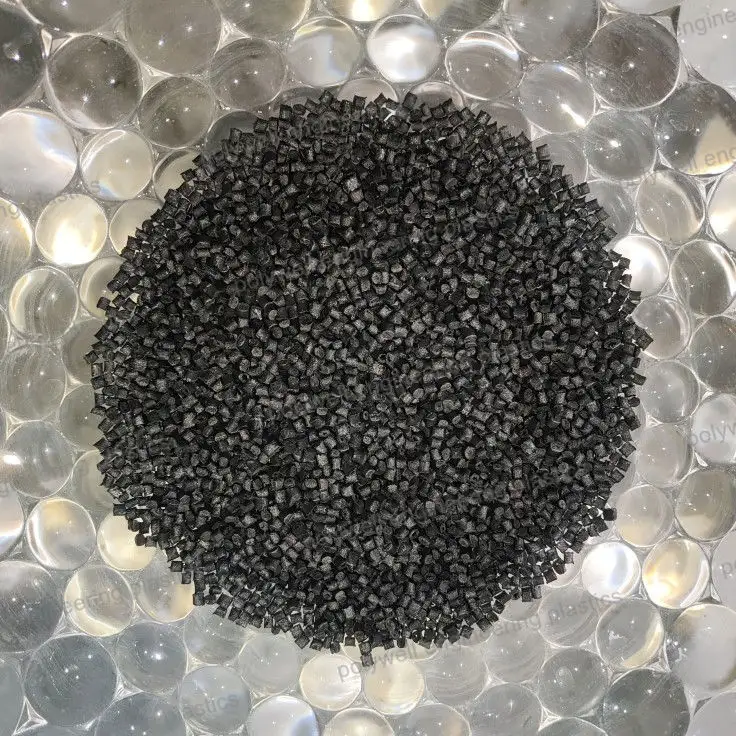
The Manufacturing Process of PA66GF25 Granules Explained
POLYWELL manufactures high-quality PA66GF25 granules through a detailed process, ensuring superior strength and thermal stability for various applications.
View More
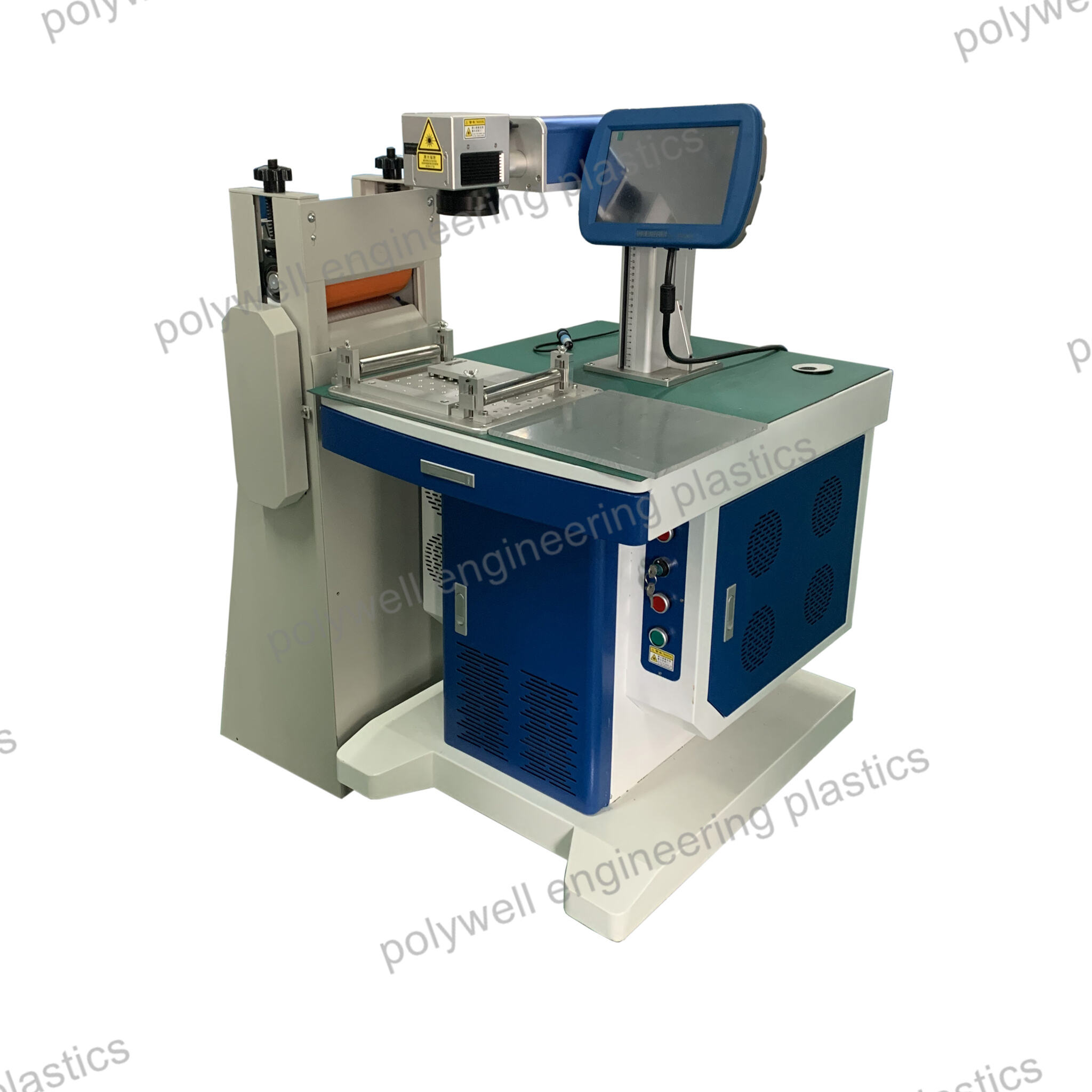
Laser marking systems represent a comprehensive solution for permanent product identification, encompassing not just the laser source itself but all the ancillary components required for a fully functional industrial application. This integrated approach includes the laser resonator (fiber, CO2, UV), the high-speed galvo scanning head, a stable mechanical frame or enclosure, a industrial computer or controller, specialized marking software, and often peripheral devices such as a fume extractor, a rotary axis for cylindrical parts, and a vision camera for automated alignment and quality verification. The power of these systems lies in their integration and flexibility. The software is the brain, allowing users to easily design marks, manage serial number sequences, and connect to factory-wide MES or ERP systems for real-time data exchange. This enables dynamic marking, where the information applied to a part is based on data from a central database or a previous manufacturing step. Systems can be configured as standalone workstations for offline processing or, more commonly, as inline modules that are fully synchronized with a conveyor belt or a robotic arm. This makes them suitable for a massive range of industries, from micro-marking tiny medical device components to large-scale part marking on engine blocks. When specifying a laser marking system for an extrusion line, the focus would be on an inline configuration capable of handling the continuous, linear product, with a robust housing to protect the sensitive optics from airborne polymer dust, and software capable of tracking line speed to ensure consistent mark placement. The system approach ensures all components work in harmony to deliver a reliable, automated, and traceable marking process.
18
Nov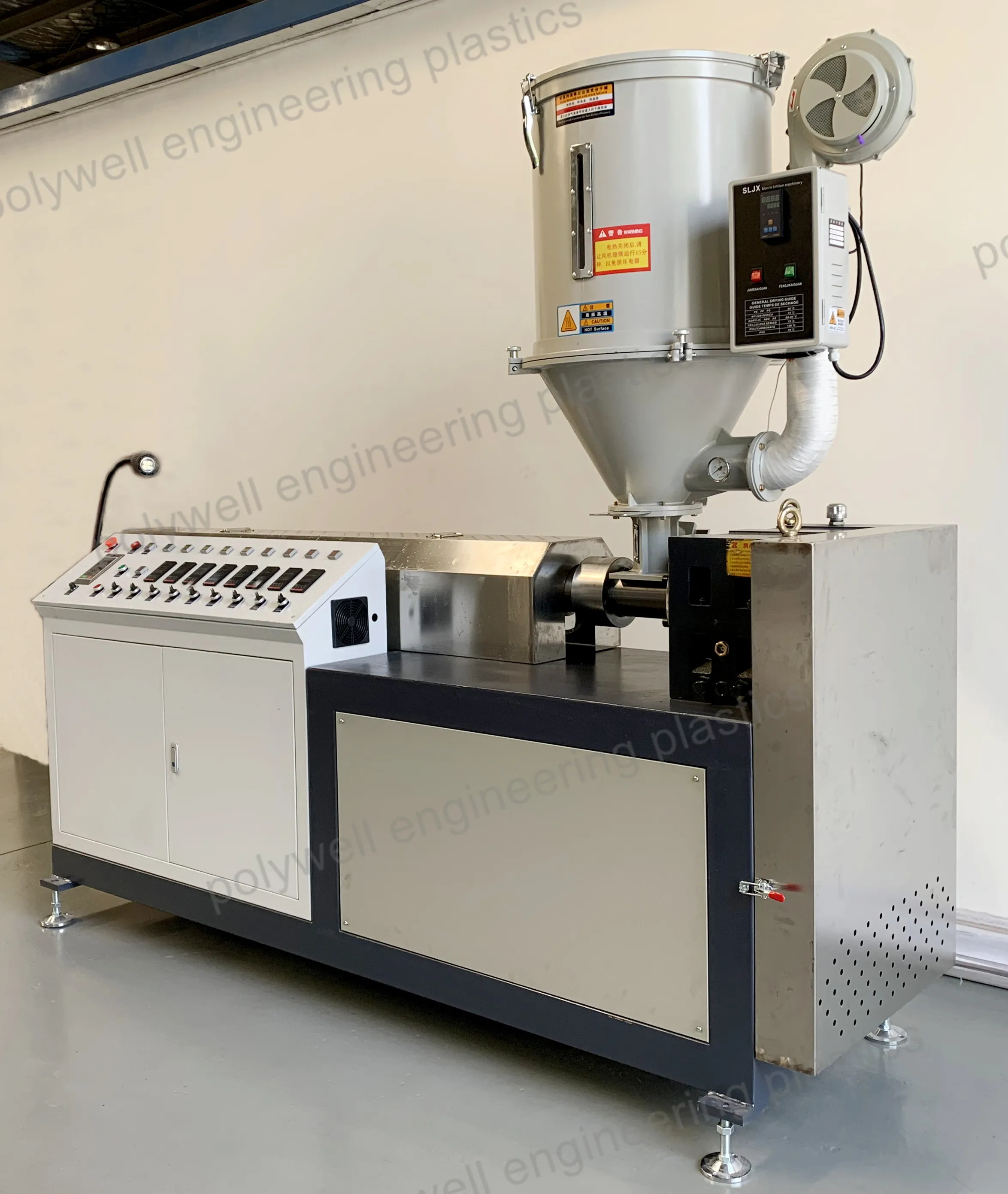
20
Dec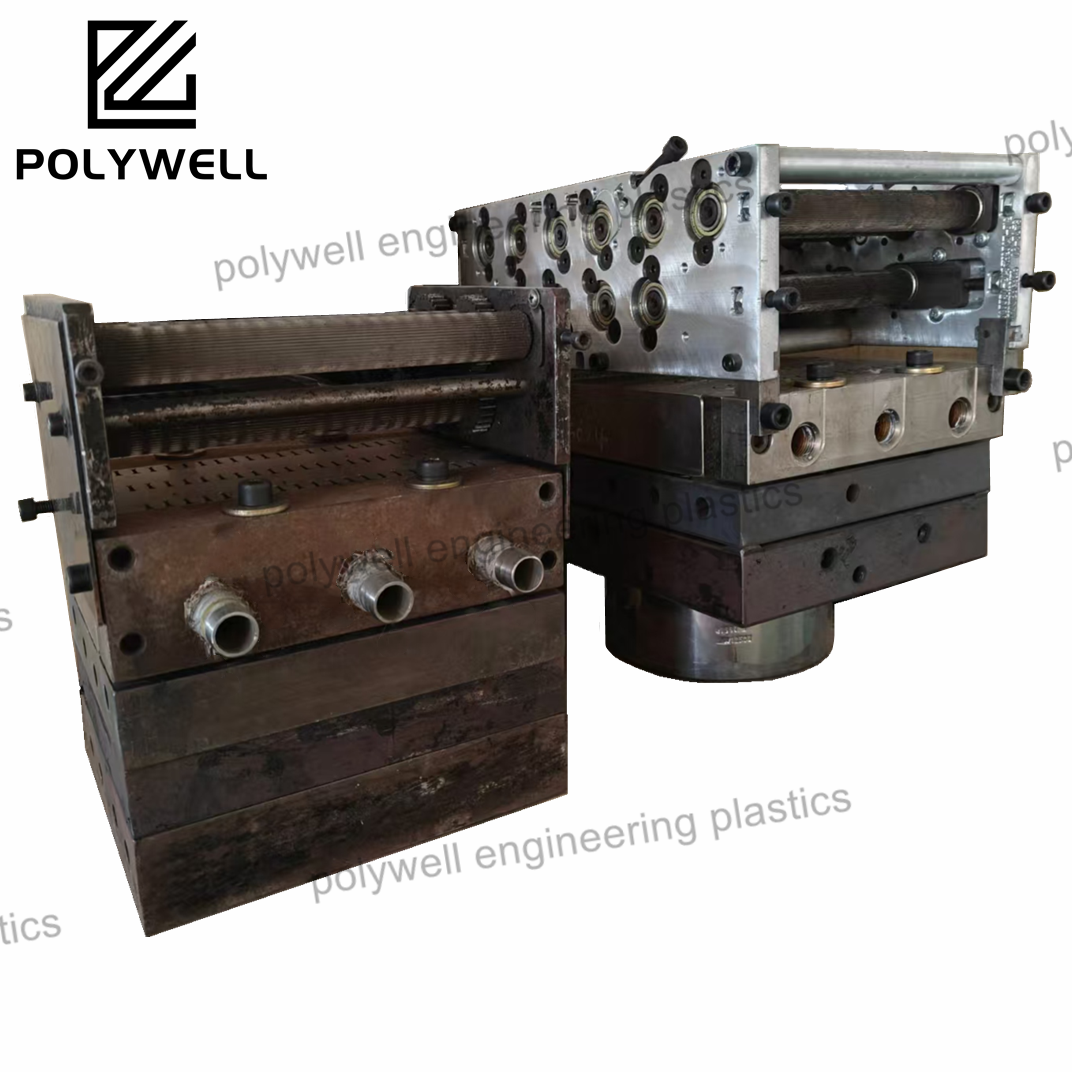
28
Mar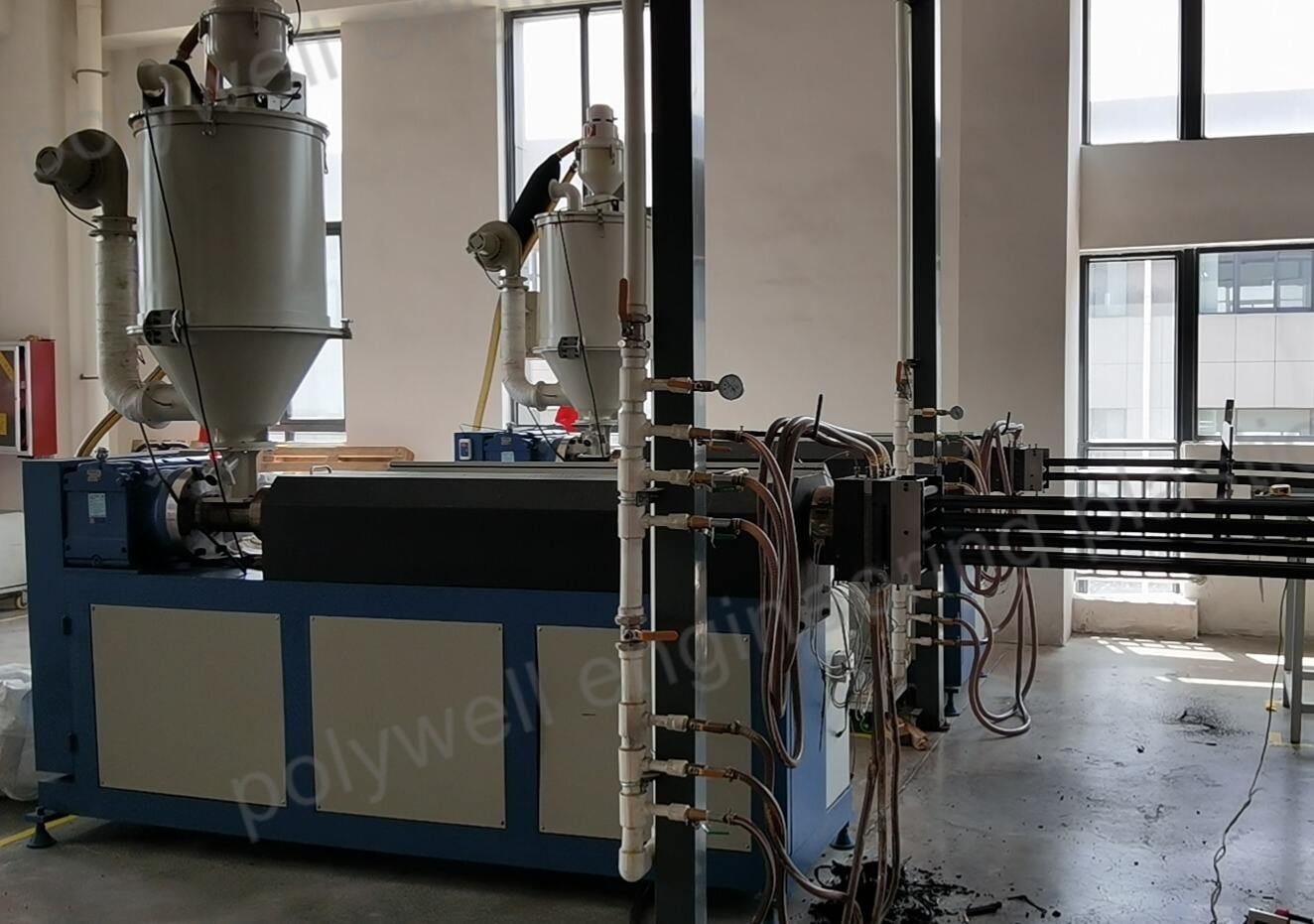
10
Jun
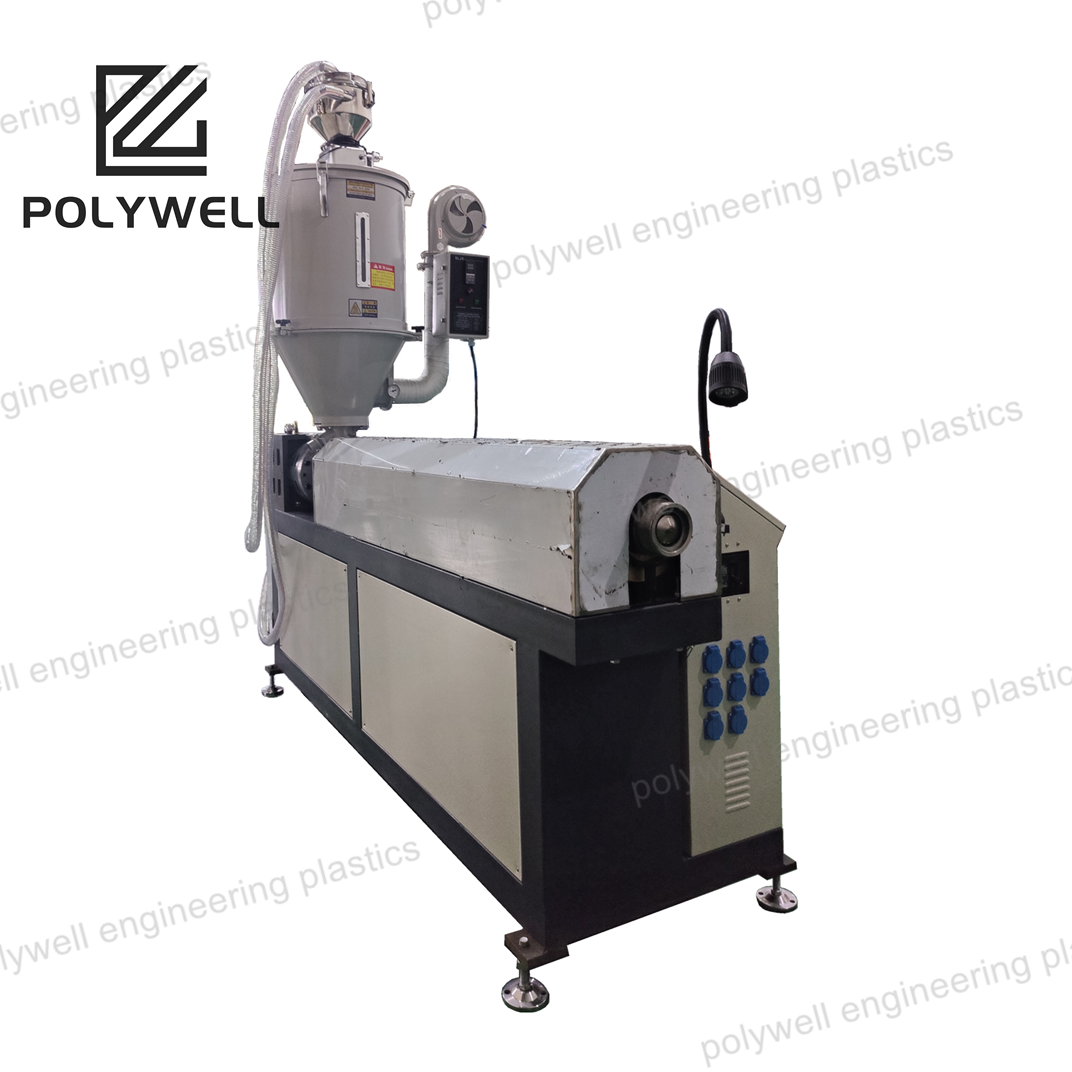
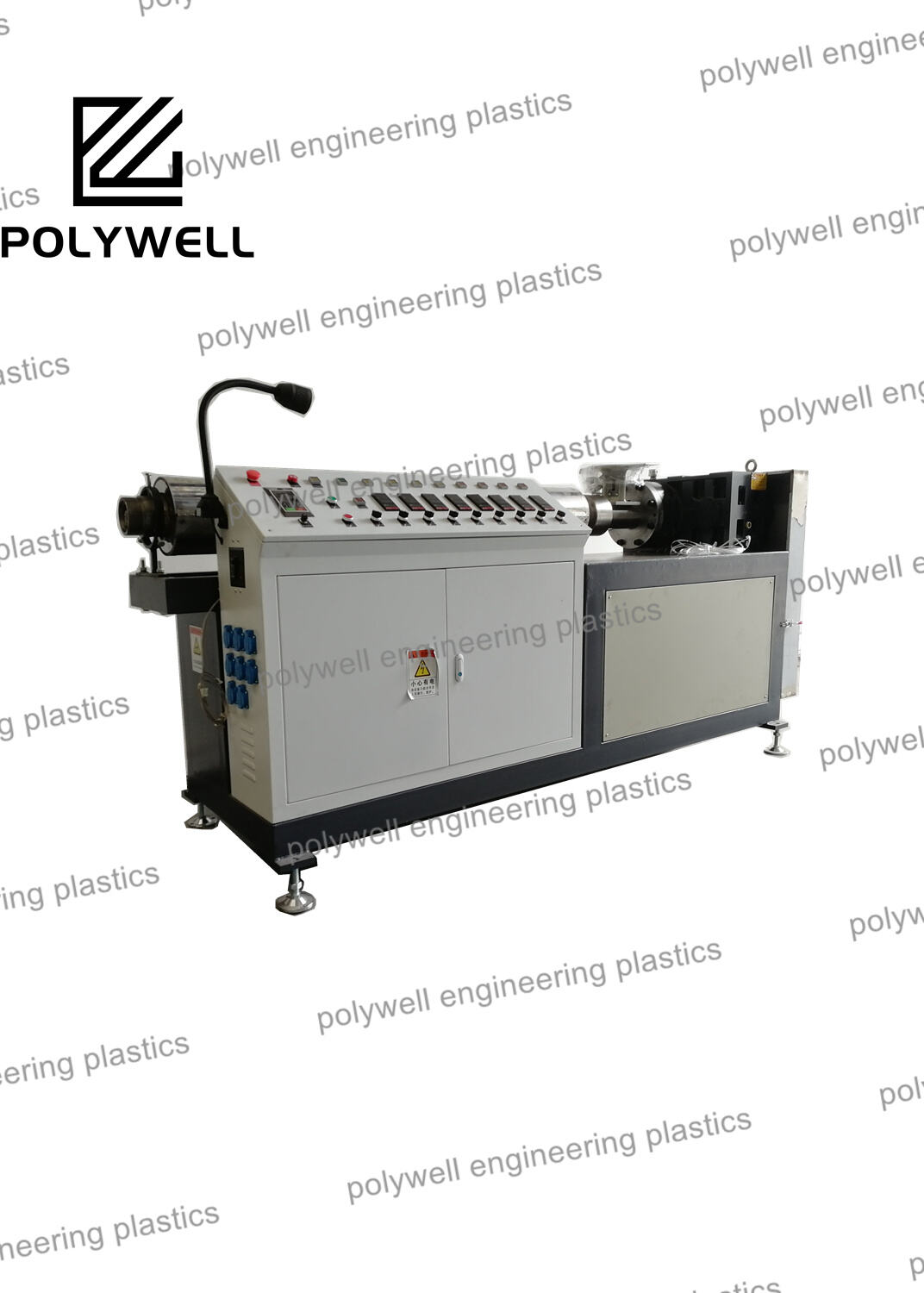

POLYWELL specializes in PA66 thermal insulation strips, offering polyamide granules, extruders, molds, winding machines, and comprehensive one-stop customization services.
Jinfeng Town, Zhangjiagang City, Suzhou City, Jiangsu Province, China
Copyright © 2024 Suzhou Polywell Engineering Plastics Co.,Ltd Privacy Policy