POLYWELL Fiber Laser Printer: High Durability Marking for Polyamide Strips
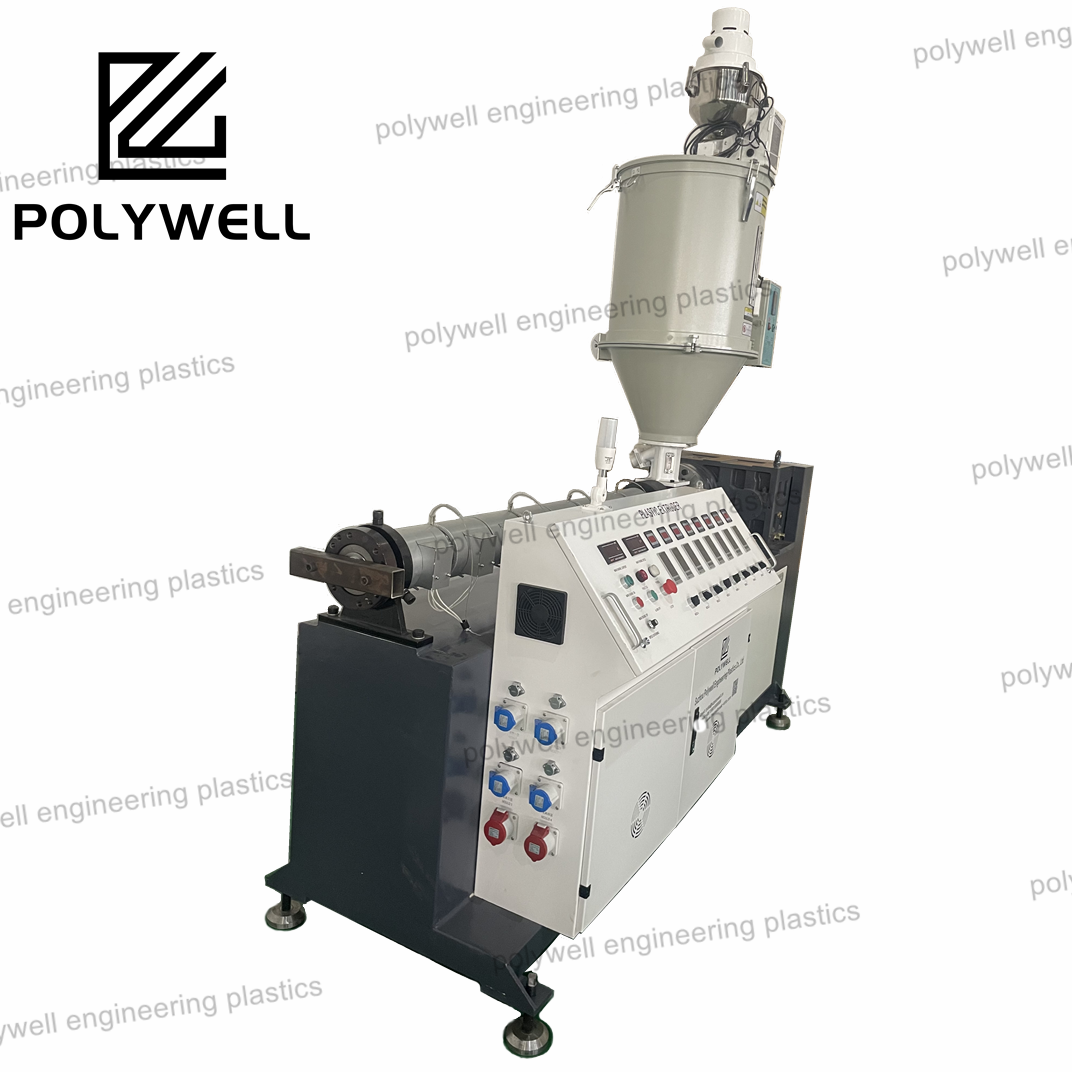
This page belongs to POLYWELL, offering fiber laser printers for high durability marking on polyamide thermal break strips—ideal for harsh environments or long term traceability, backed by 15+ years of polyamide solution expertise. The fiber laser printer uses fiber laser technology to create scratch resistant marks on polyamide, suitable for industrial applications. It supplies the printer along with technical support (e.g., optimizing laser parameters for polyamide) and DFM services to integrate it into production lines. On site service assists with installation, while lifelong training covers maintenance. Client feedback (Ms. Özge’s satisfaction with technical support) reflects quality, and the 6 step cooperation process includes fiber laser printer quoting and customization for manufacturers.
Get A Quote
 EN
EN