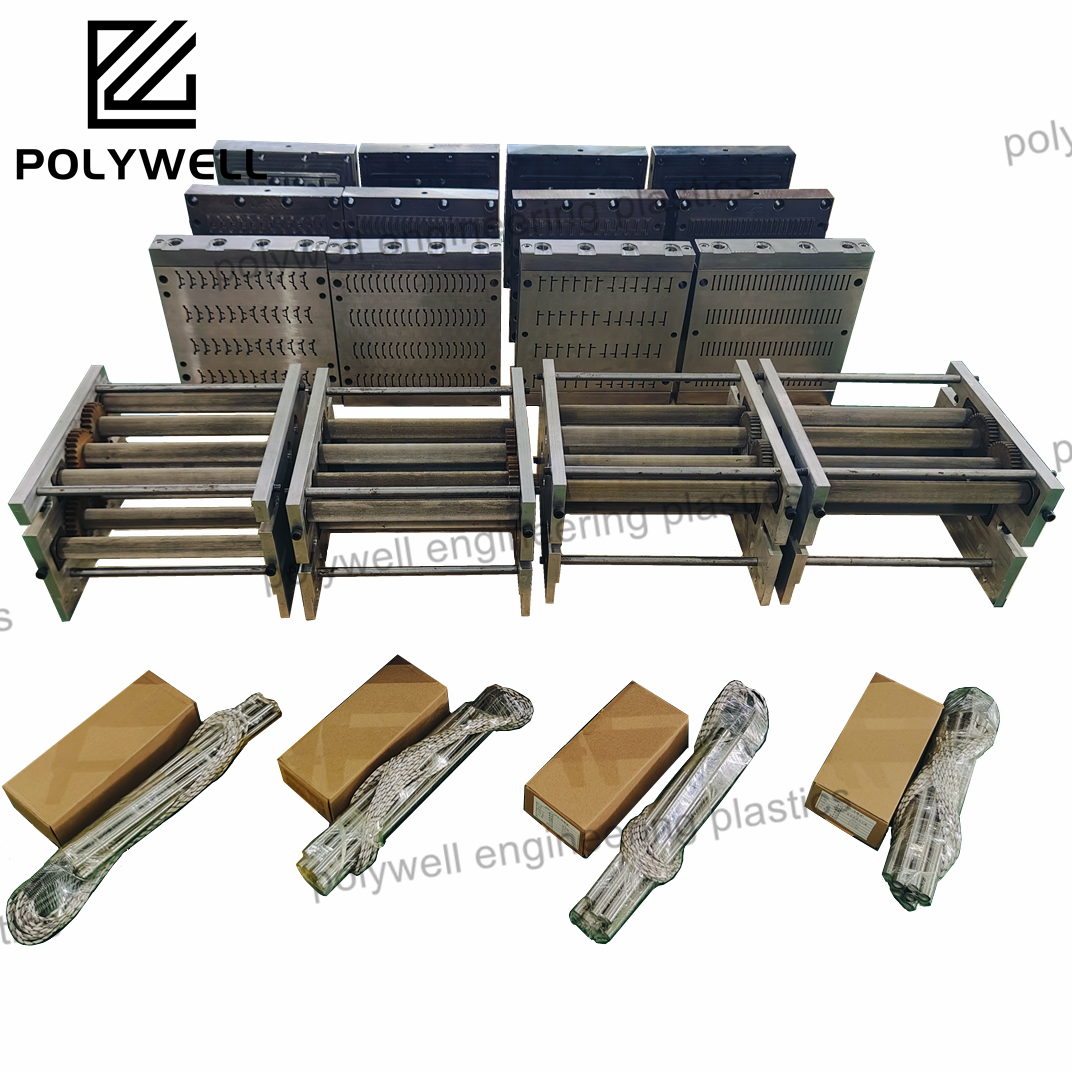
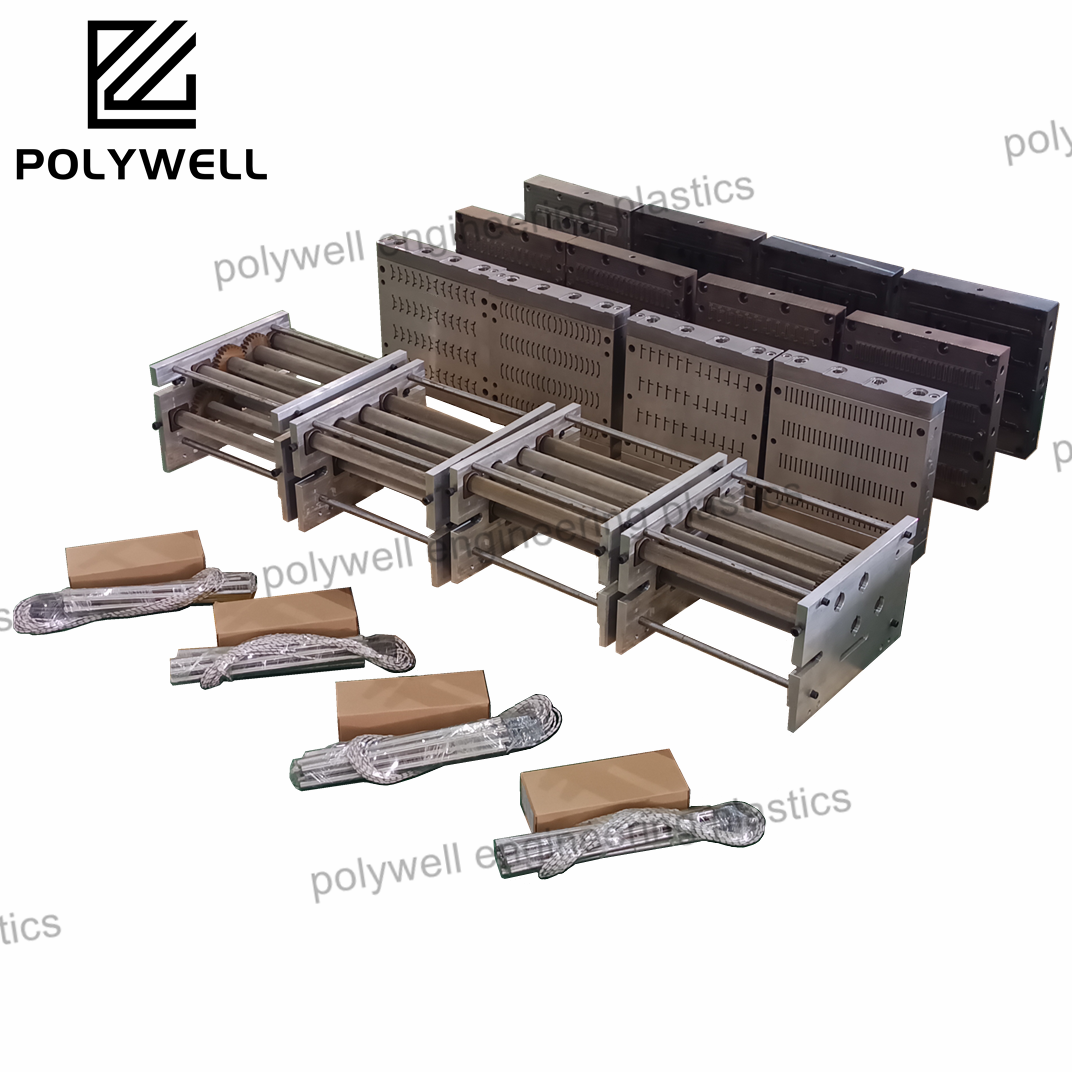
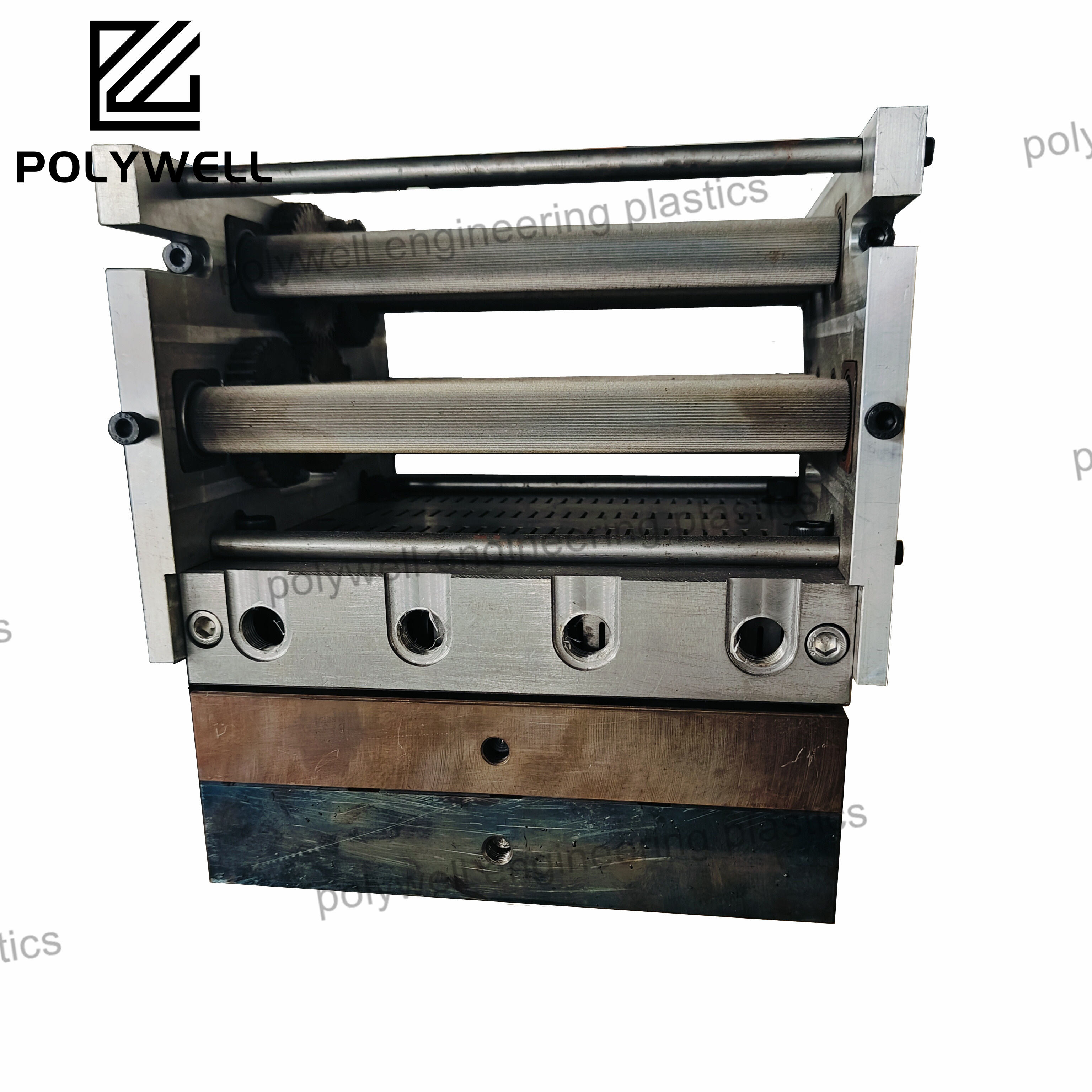
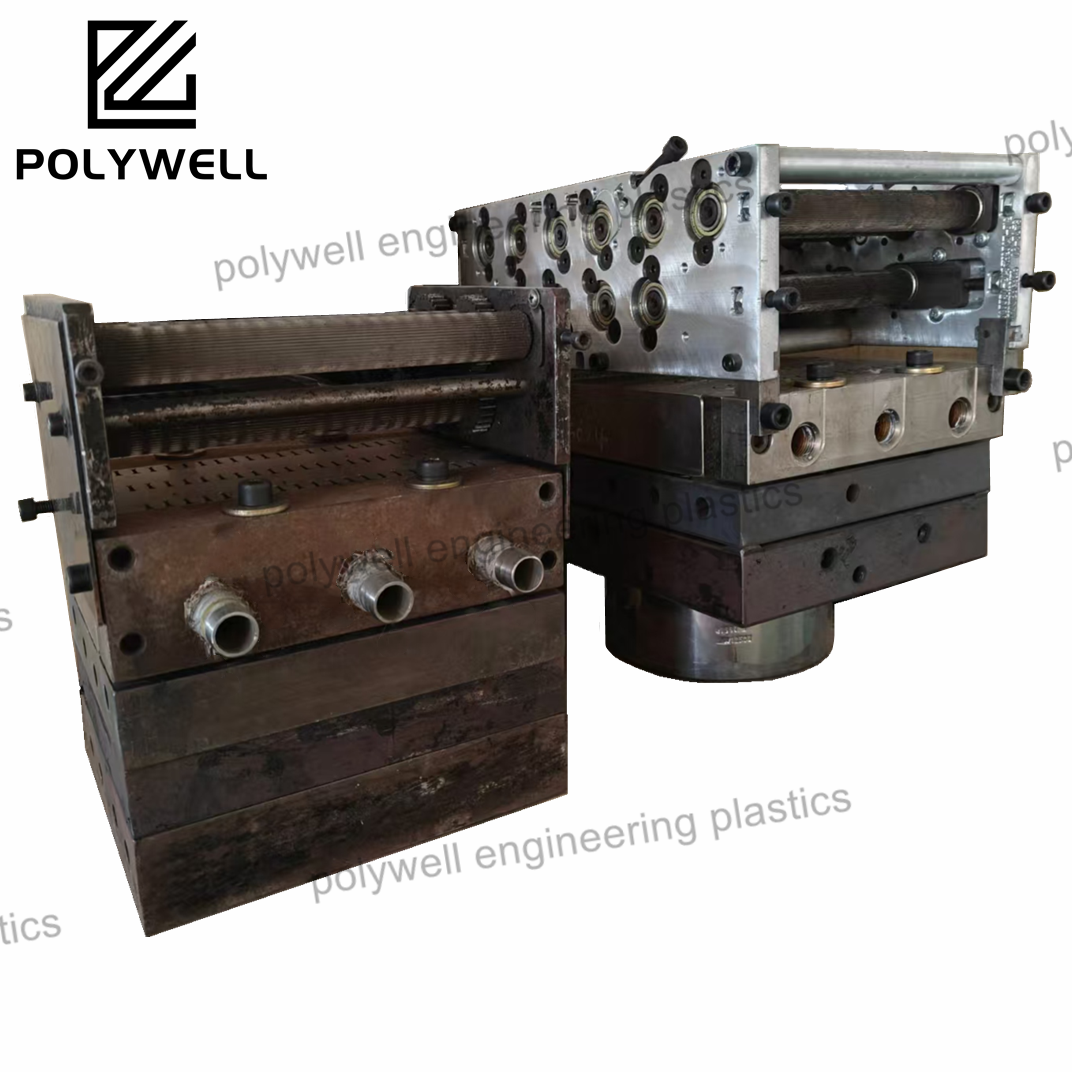
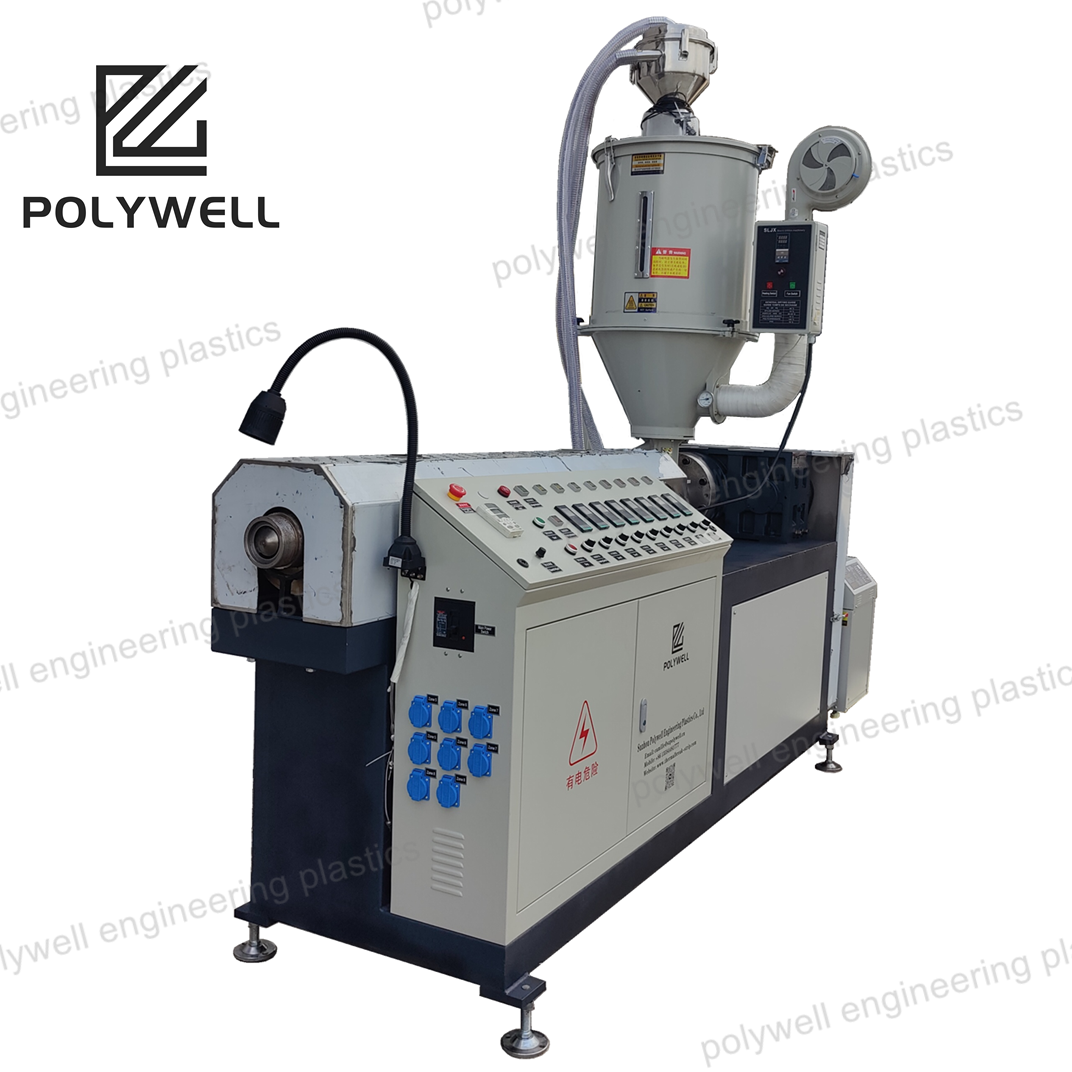
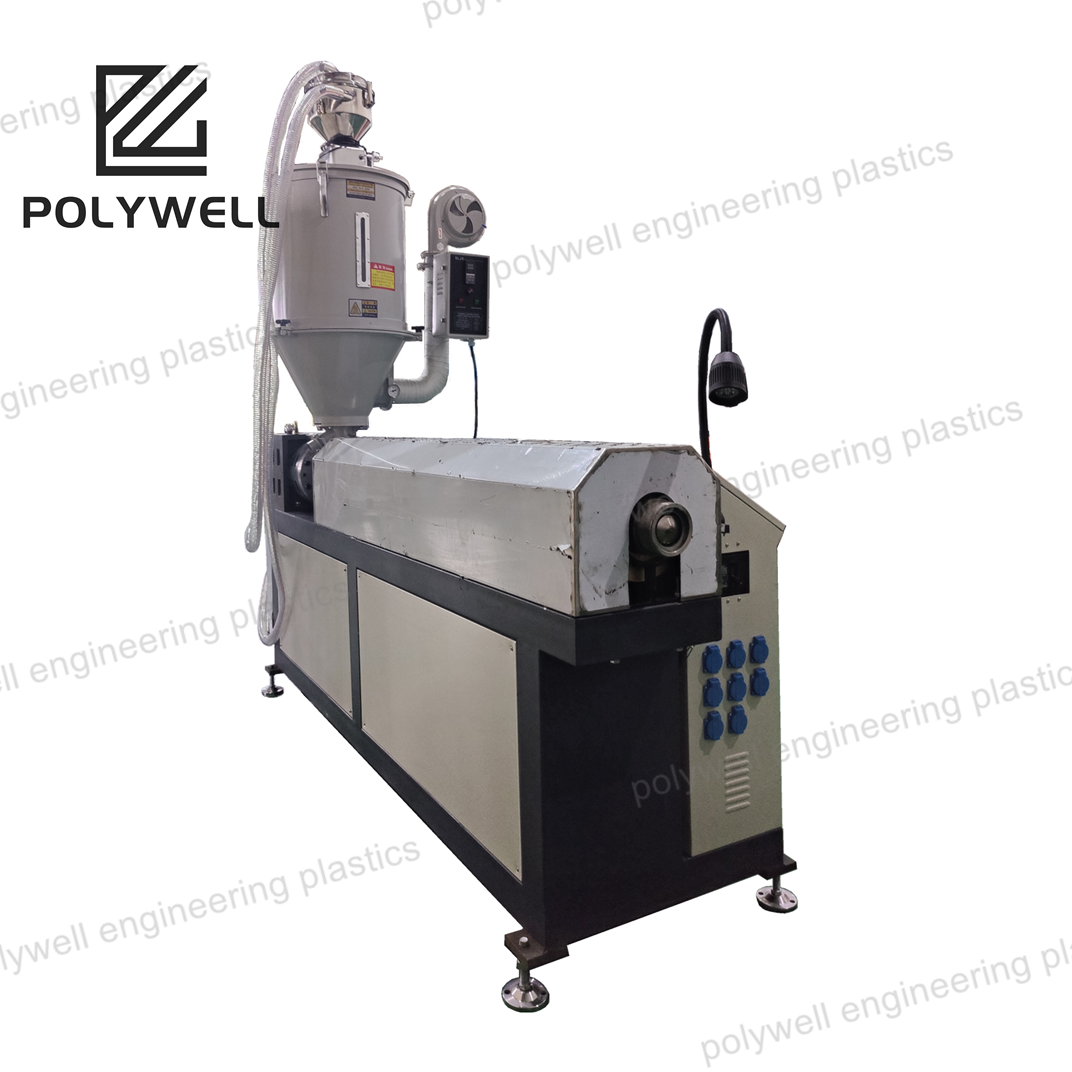
POLYWELL Laser Printer: For Polyamide Thermal Break Strip Labeling & Coding
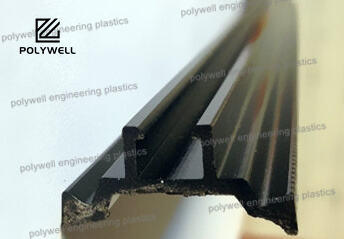
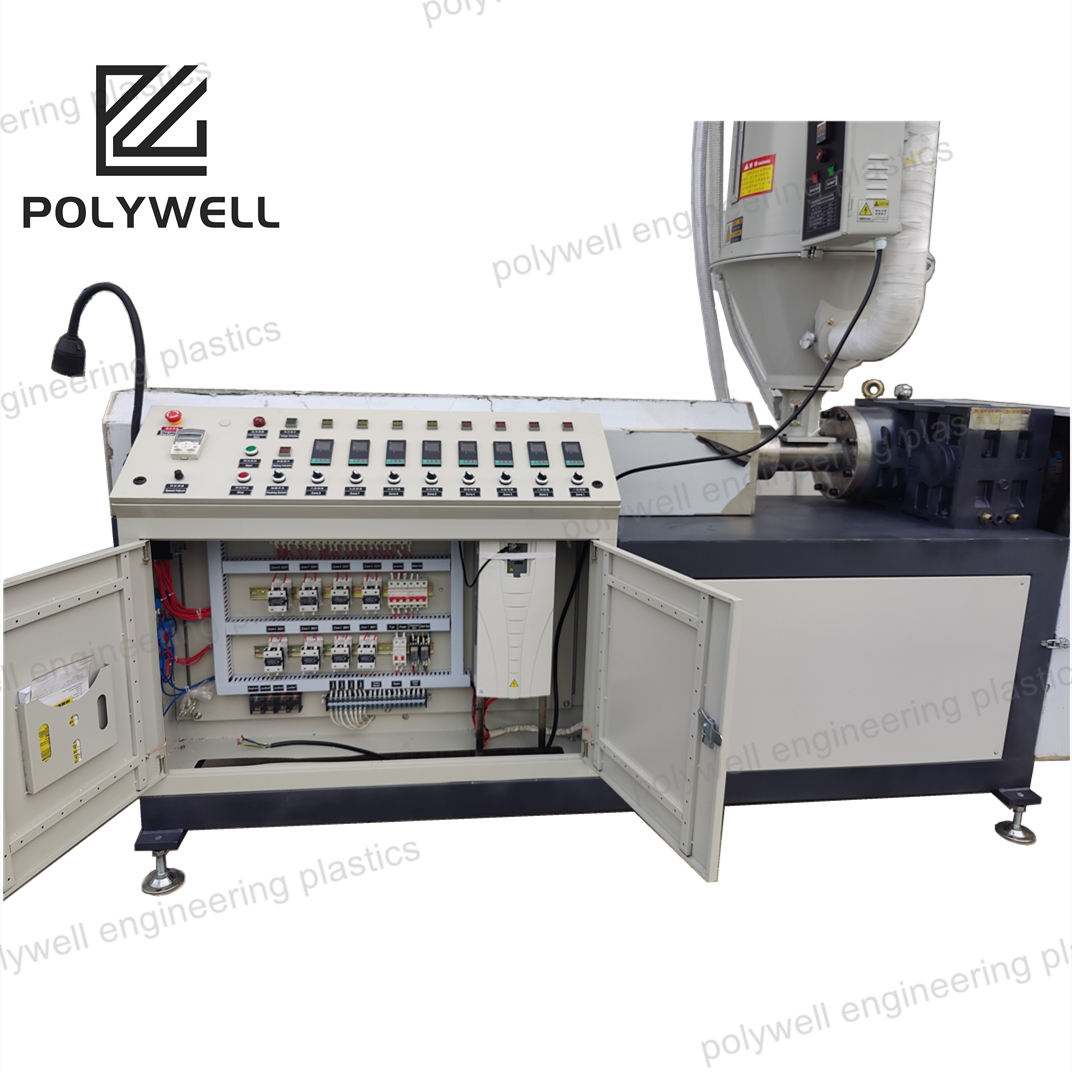
This page belongs to POLYWELL, offering laser printers as supporting equipment for polyamide thermal break strip production lines, with 15+ years of industry experience. The laser printer is optimized to print labels, codes, or other identifiers on polyamide strips, ensuring clarity and durability. POLYWELL provides technical support for matching print settings to polyamide materials, DFM services to integrate the printer into production workflows, and on site service to fix operational issues. Lifelong training helps clients manage the printer long term. Client feedback (Ms. Özge appreciating POLYWELL’s technical support) reflects trust, and the 6 step cooperation process (drawing upload → quote → customization → delivery) ensures tailored laser printer solutions for manufacturers.
Get A Quote
 EN
EN