
 EN
EN


The Manufacturing Process of PA66GF25 Granules Explained
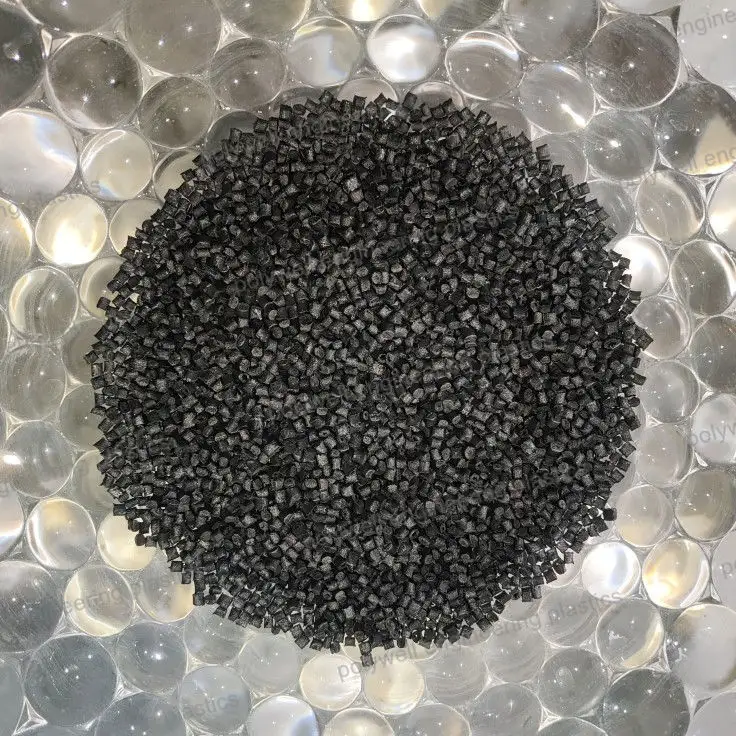
POLYWELL manufactures high-quality PA66GF25 granules through a detailed process, ensuring superior strength and thermal stability for various applications.
View More
The term "laser printing machine" in an industrial context almost universally refers to systems that use laser technology for marking, engraving, or coding, and should not be confused with office laser printers that use toner. These are robust, precision-engineered systems designed for permanent product identification in manufacturing. The core principle involves using a focused laser beam to alter or remove a microscopic layer of material, creating a permanent, high-contrast mark. The technology inside can be based on fiber, CO2, or UV lasers, each suited to different materials. Fiber lasers excel on metals and many plastics, CO2 lasers are ideal for organic materials like wood, glass, and paper-based packaging, and UV lasers are used for heat-sensitive materials like certain plastics and semiconductors where a "cold" mark is required. These machines are valued for their versatility, speed, and the permanence of the mark. They eliminate the need for consumables like inks, labels, or stamps, which reduces long-term operating costs and environmental waste. In a manufacturing setting, a laser printing machine can be used to mark serial numbers on electronic components, expiration dates on pharmaceutical packaging, or logos on promotional items. For a producer of architectural aluminum systems, such a machine would be indispensable for printing unique identification codes directly onto each profile, ensuring full traceability from the fabrication plant to the specific building project, thereby enhancing supply chain management and quality assurance.
18
Nov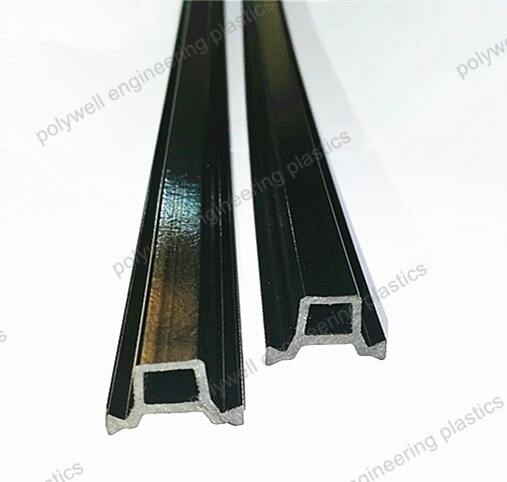
05
Mar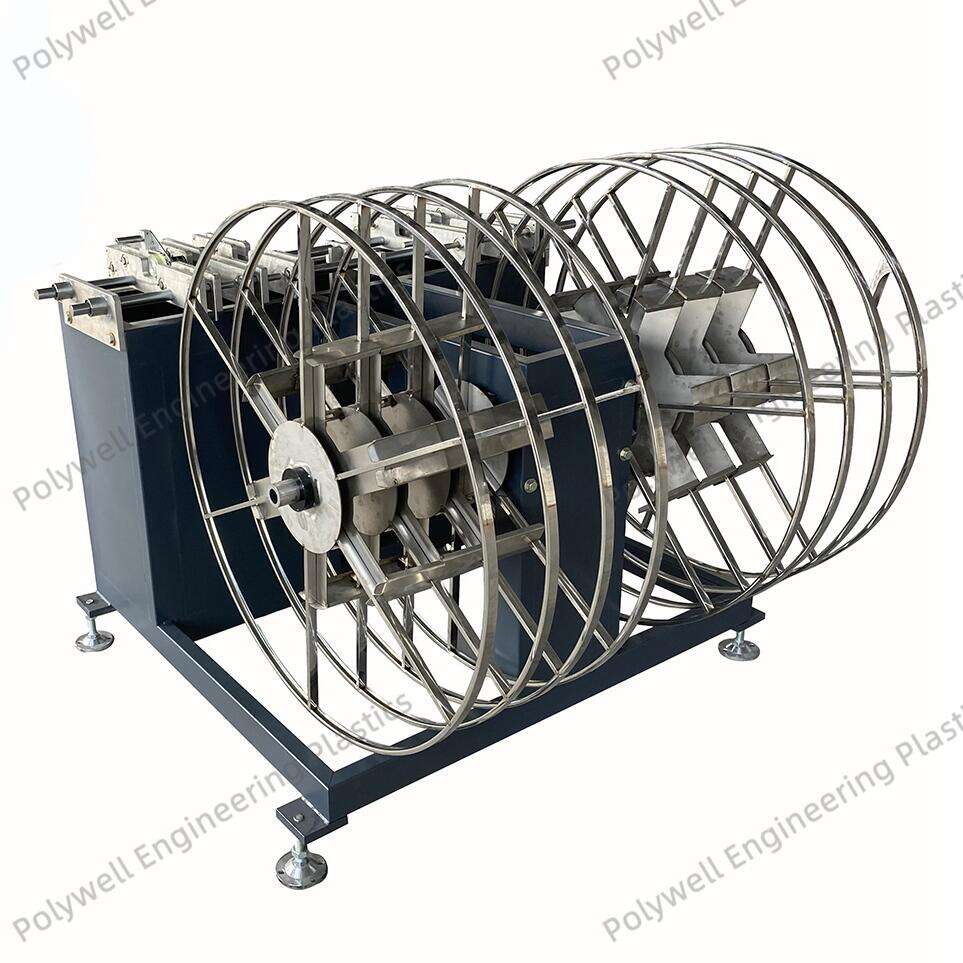
21
Apr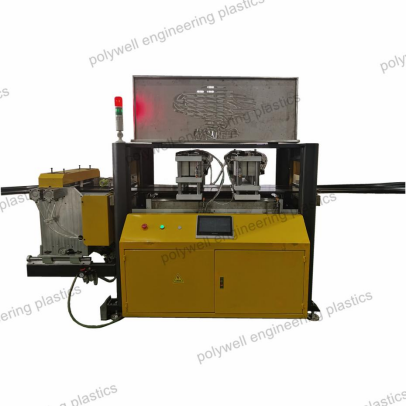
17
Sep


POLYWELL specializes in PA66 thermal insulation strips, offering polyamide granules, extruders, molds, winding machines, and comprehensive one-stop customization services.
Jinfeng Town, Zhangjiagang City, Suzhou City, Jiangsu Province, China
Copyright © 2024 Suzhou Polywell Engineering Plastics Co.,Ltd Privacy Policy