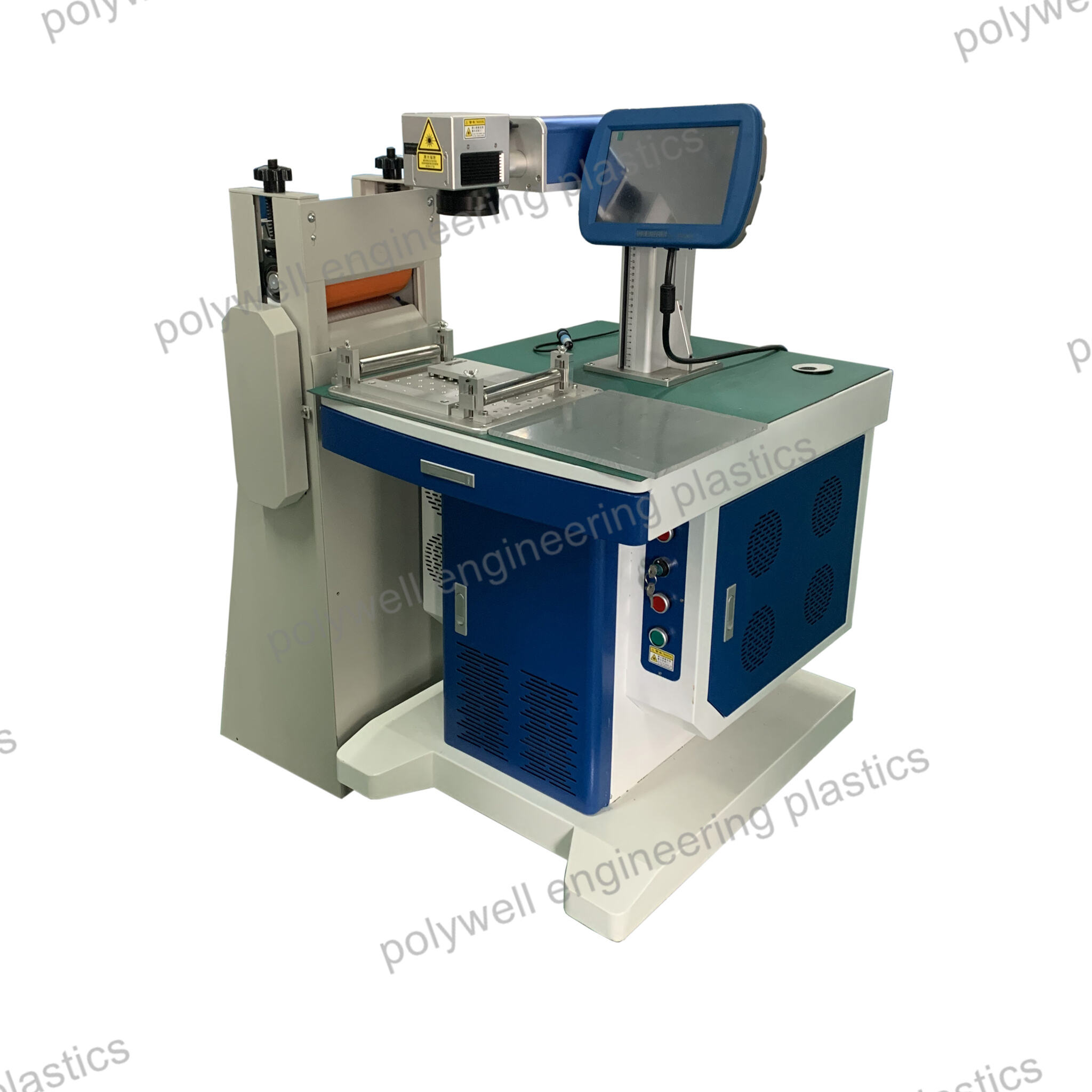
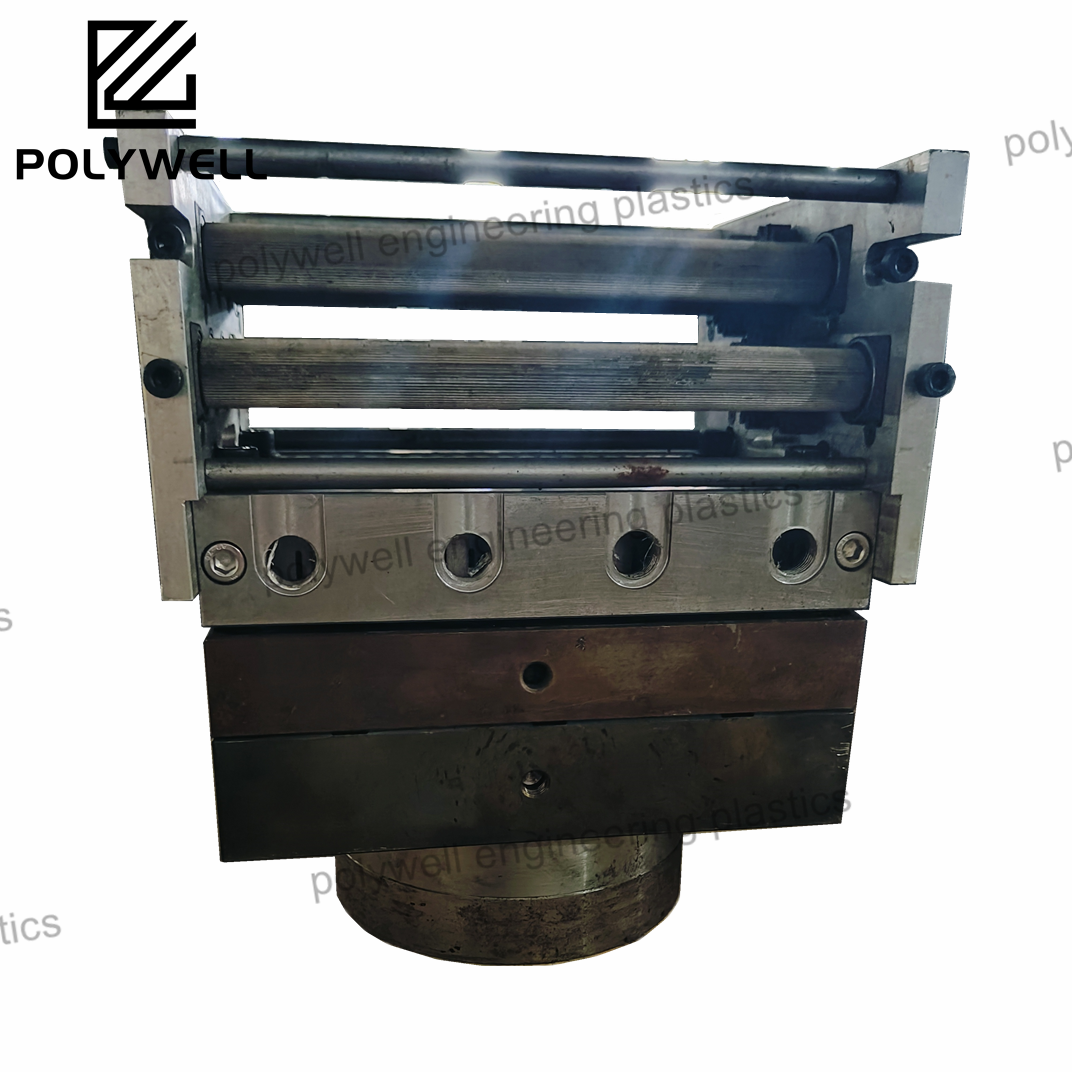
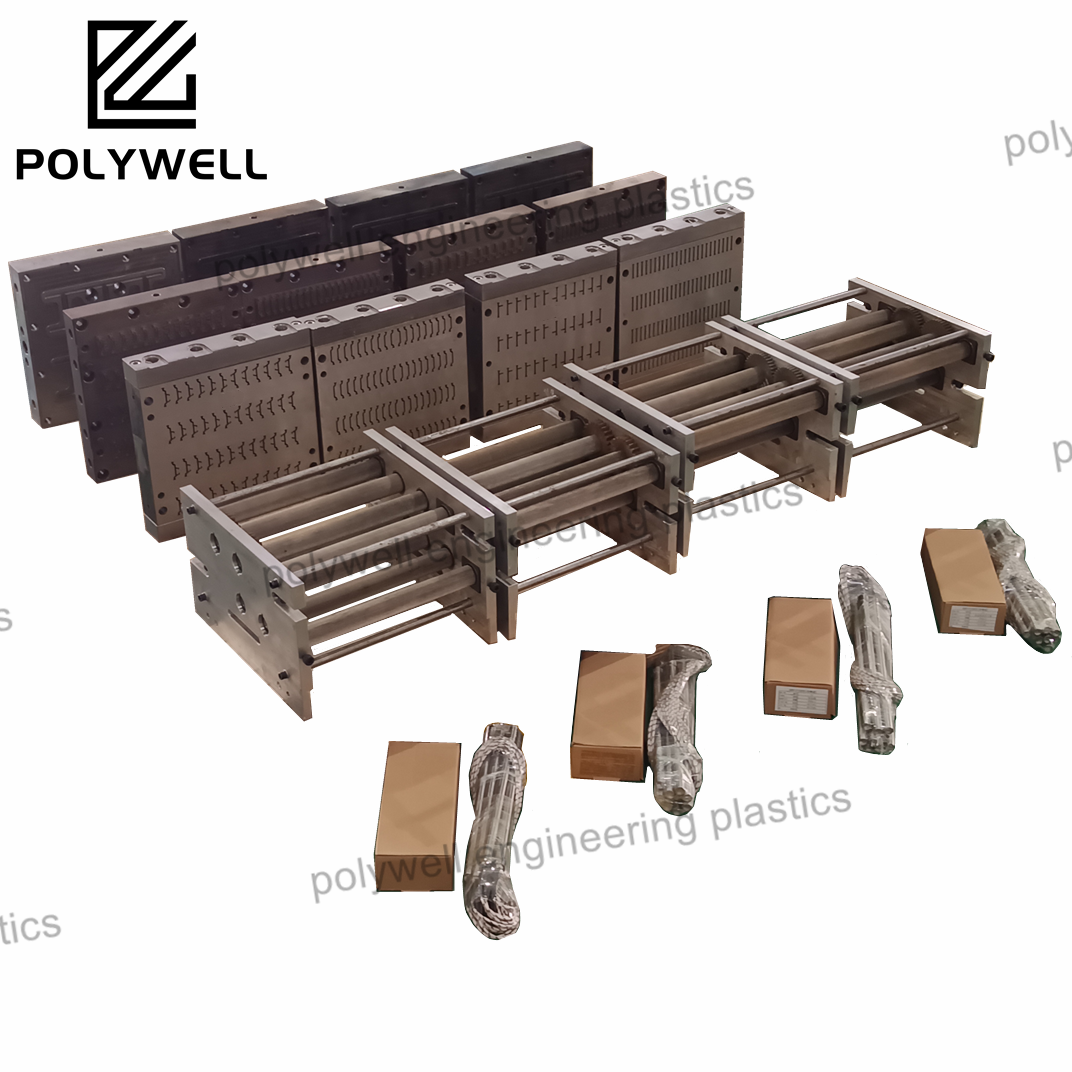
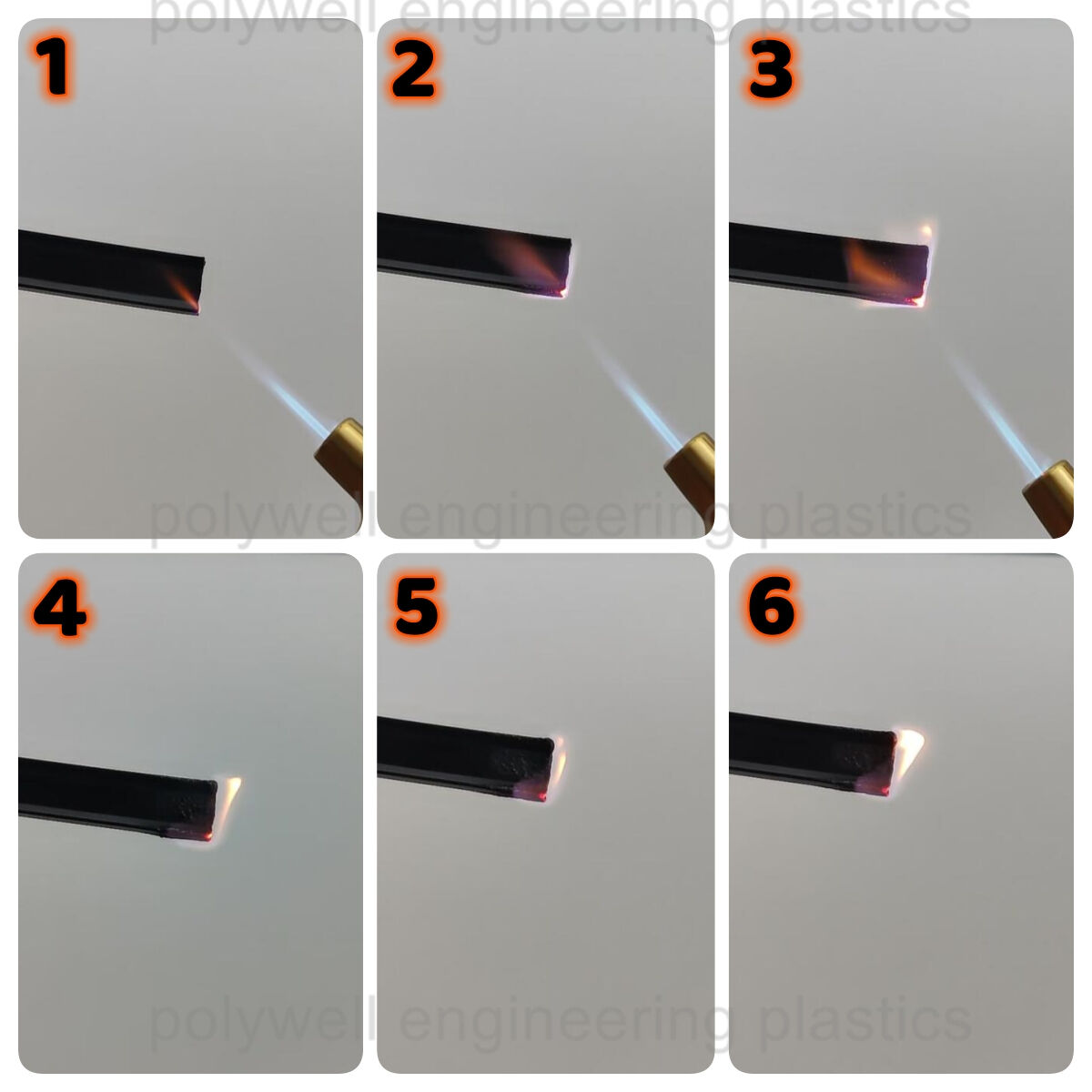
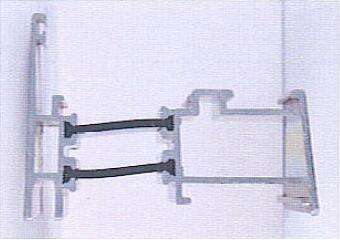
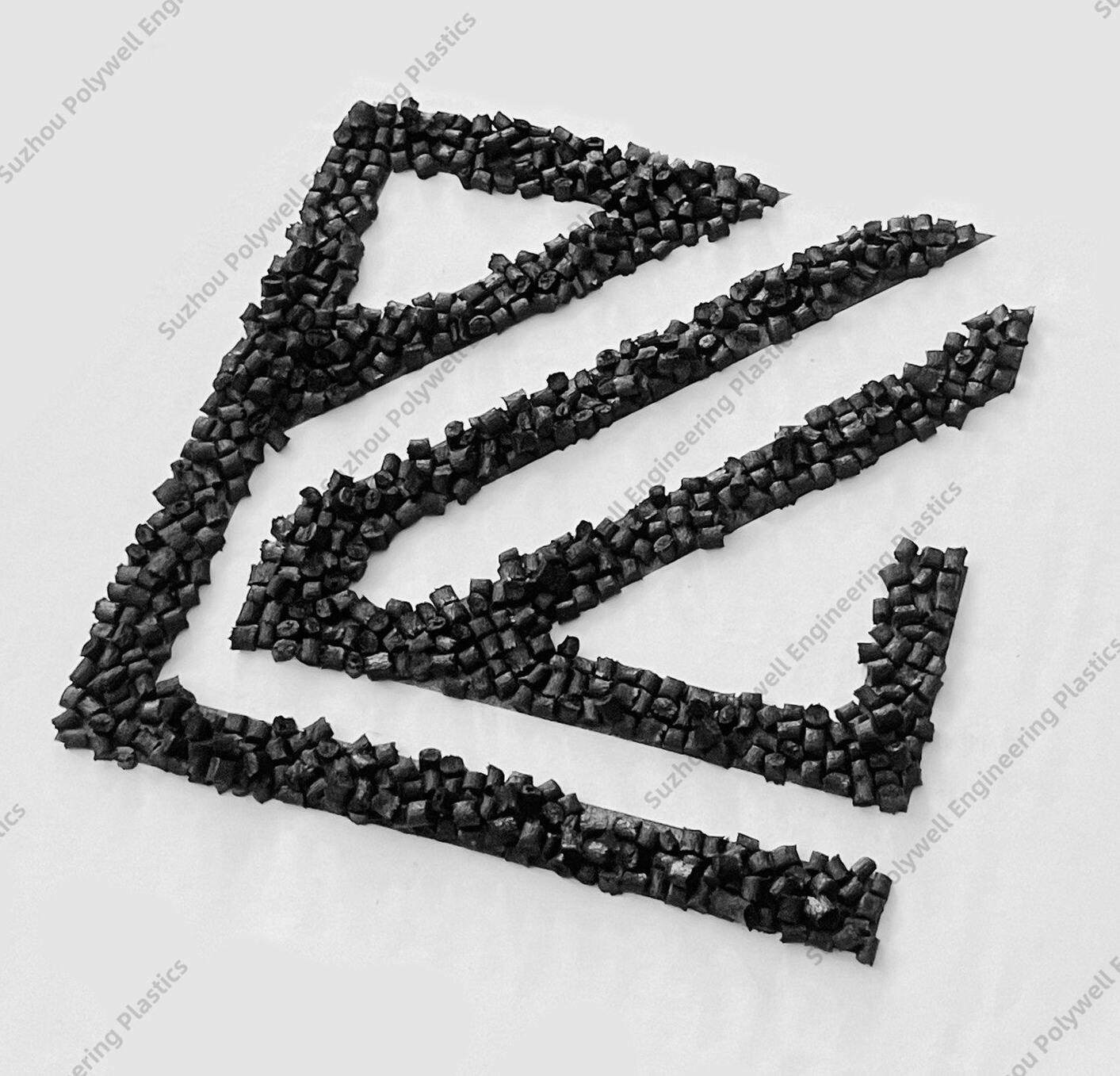
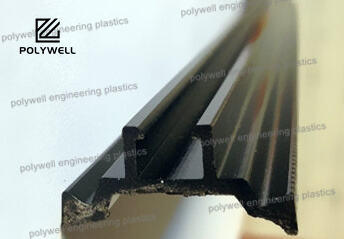
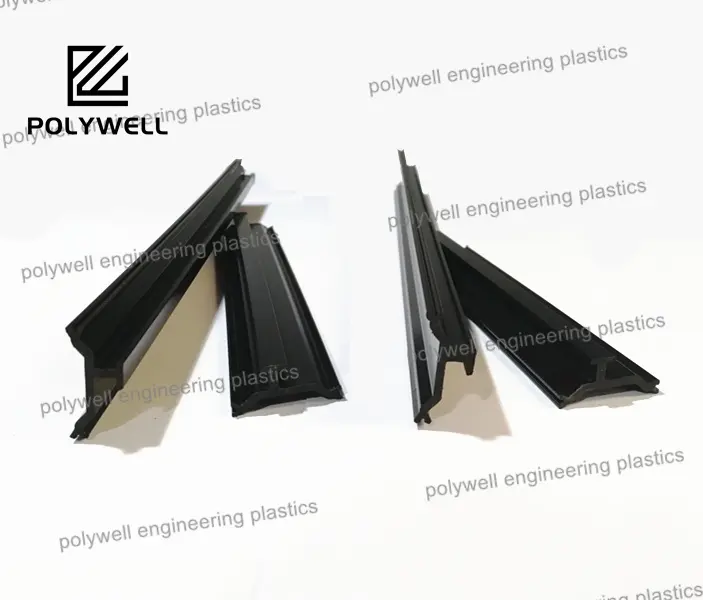
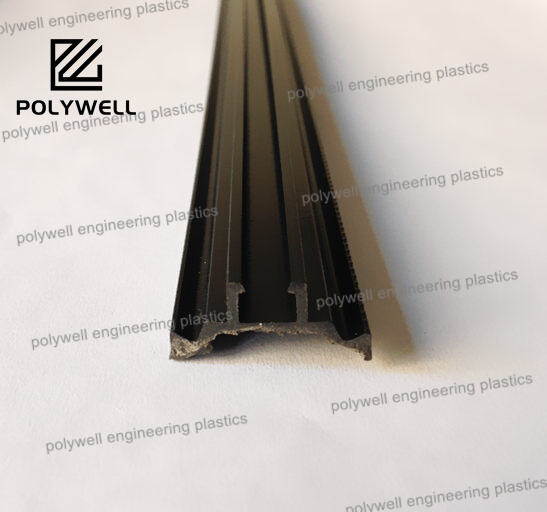
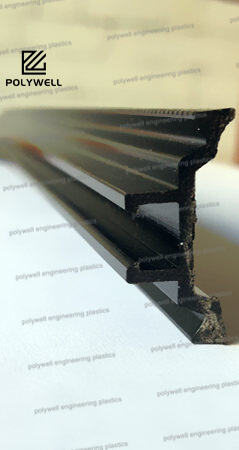
POLYWELL Guide Rail: Essential Equipment for Polyamide Thermal Break Strip Production Lines
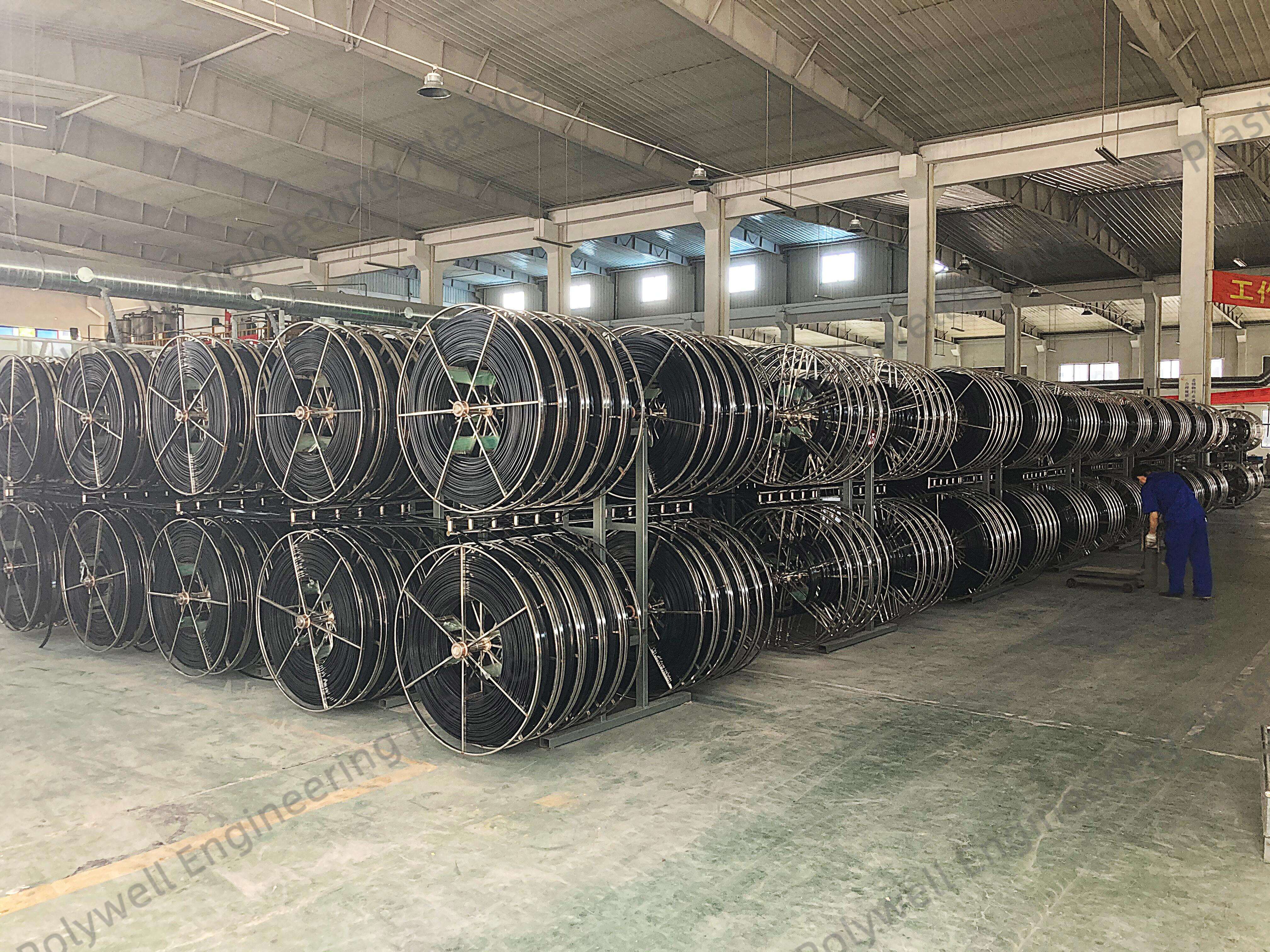
This page focuses on POLYWELL’s guide rails, a core part of its polyamide thermal break strip production line offerings (under “Other equipments”) with 15+ years of experience. The guide rails support smooth movement of machinery components (e.g., extruder carriages, cutting tools) critical for consistent polyamide strip quality. POLYWELL offers guide rails in various sizes, plus technical support for installation and maintenance. DFM services help align rails with production workflows, and on site service addresses operational challenges. Client feedback (Mr. Robin noting “polyamide strips work perfectly”) reinforces quality, and the 6 step cooperation process (drawing → quote → customization → delivery) ensures manufacturers get guide rails tailored to their needs.
Get A Quote
 EN
EN